
Filter
5131
Text search:
work
skills
Featured
470
1405
Language
5029
112
93
67
52
30
30
18
11
10
8
8
7
6
6
6
6
5
5
5
4
4
4
4
4
4
4
3
3
3
3
3
3
3
3
3
2
2
2
2
2
2
2
2
2
2
2
2
2
2
2
2
1
1
1
1
1
1
1
1
Document type
2913
746
552
415
203
185
52
28
14
9
8
5
1
Countries
241
215
162
144
122
110
109
105
98
96
94
87
82
81
78
74
71
69
58
52
51
48
48
41
37
34
33
31
29
26
25
24
24
24
23
23
21
21
20
18
18
17
17
17
15
15
14
14
12
12
11
11
10
10
9
9
8
8
8
8
7
7
7
7
6
6
6
6
6
5
5
5
4
4
4
4
4
3
3
3
3
3
3
3
3
3
3
3
3
2
2
2
2
2
2
2
2
2
2
2
2
2
2
2
2
2
2
2
2
2
2
1
1
1
1
1
1
1
1
1
1
1
1
1
1
1
1
1
1
1
1
1
1
1
1
1
Authors & Publishers
601
173
140
134
118
115
110
93
59
56
52
47
46
41
36
35
30
29
27
25
24
21
21
21
21
19
19
19
18
17
17
17
17
16
16
15
15
15
15
14
14
14
14
13
13
13
13
12
12
12
12
12
12
12
11
11
11
11
11
11
11
11
11
10
10
10
10
10
10
9
9
9
9
9
9
9
8
8
8
8
8
8
8
8
8
8
8
8
8
8
8
8
8
8
7
7
7
7
7
7
7
7
7
7
7
7
7
7
7
7
7
7
7
7
7
6
6
6
6
6
6
6
6
6
6
6
6
6
5
5
5
5
5
5
5
5
5
5
5
5
5
5
5
5
5
5
5
5
5
5
5
5
5
5
5
5
5
5
5
5
5
4
4
4
4
4
4
4
4
4
4
4
4
4
4
4
4
4
4
4
4
4
4
4
4
4
4
4
4
4
4
4
4
4
4
4
4
4
4
4
4
4
4
4
4
4
4
4
4
4
4
4
4
4
4
4
4
4
4
4
4
4
4
3
3
3
3
3
3
3
3
3
3
3
3
3
3
3
3
3
3
3
3
3
3
3
3
3
3
3
3
3
3
3
3
3
3
3
3
3
3
3
3
3
3
3
3
3
3
3
3
3
3
3
3
3
3
3
3
3
3
3
3
3
3
3
3
3
3
3
3
3
3
3
3
3
3
3
3
3
3
3
3
3
3
3
3
3
3
3
3
3
3
3
3
3
3
3
3
3
3
3
2
2
2
2
2
2
2
2
2
2
2
2
2
2
2
2
2
2
2
2
2
2
2
2
2
2
2
2
2
2
2
2
2
2
2
2
2
2
2
2
2
2
2
2
2
2
2
2
2
2
2
2
2
2
2
2
2
2
2
2
2
2
2
2
2
2
2
2
2
2
2
2
2
2
2
2
2
2
2
2
2
2
2
2
2
2
2
2
2
2
2
2
2
2
2
2
2
2
2
2
2
2
2
2
2
2
2
2
2
2
2
2
2
2
2
2
2
2
2
2
2
2
2
2
2
2
2
2
2
2
2
2
2
2
2
2
2
2
2
2
2
2
2
2
2
2
2
2
2
2
2
2
2
2
2
2
2
2
2
2
2
2
2
2
2
2
2
2
2
2
2
2
2
2
2
2
2
2
2
2
2
2
2
2
2
2
2
2
2
2
2
2
2
2
2
2
2
2
2
2
2
2
2
2
2
2
2
2
2
2
2
2
2
2
2
2
2
2
2
2
2
2
2
2
2
2
2
2
2
2
2
2
2
2
2
2
2
2
2
2
2
2
2
2
2
2
2
2
2
2
2
2
2
2
2
2
2
2
2
2
2
2
2
2
2
2
2
2
2
2
2
2
2
2
2
2
2
2
2
2
2
2
2
2
2
2
2
2
2
2
2
2
2
2
2
2
2
2
2
2
2
2
2
2
2
2
2
2
1
1
1
1
1
1
1
1
1
1
1
1
1
1
1
1
1
1
1
1
1
1
1
1
1
1
1
1
1
1
1
1
1
1
1
1
1
1
1
1
1
1
1
1
1
1
1
1
1
1
1
1
1
1
1
1
1
1
1
1
1
1
1
1
1
1
1
1
1
1
1
1
1
1
1
1
1
1
1
1
1
1
1
1
1
1
1
1
1
1
1
1
1
1
1
1
1
1
1
1
1
1
1
1
1
1
1
1
1
1
1
1
1
1
1
1
1
1
1
1
1
1
1
1
1
1
1
1
1
1
1
1
1
1
1
1
1
1
1
1
1
1
1
1
1
1
1
1
1
1
1
1
1
1
1
1
1
1
1
1
1
1
1
1
1
1
1
1
1
1
1
1
1
1
1
1
1
1
1
1
1
1
1
1
1
1
1
1
1
1
1
1
1
1
1
1
1
1
1
1
1
1
1
1
1
1
1
1
1
1
1
1
1
1
1
1
1
1
1
1
1
1
1
1
1
1
1
1
1
1
1
1
1
1
1
1
1
1
1
1
1
1
1
1
1
1
1
1
1
1
1
1
1
1
1
1
1
1
1
1
1
1
1
1
1
1
1
1
1
1
1
1
1
1
1
1
1
1
1
1
1
1
1
1
1
1
1
1
1
1
1
1
1
1
1
1
1
1
1
1
1
1
1
1
1
1
1
1
1
1
1
1
1
1
1
1
1
1
1
1
1
1
1
1
1
1
1
1
1
1
1
1
1
1
1
1
1
1
1
1
1
1
1
1
1
1
1
1
1
1
1
1
1
1
1
1
1
1
1
1
1
1
1
1
1
1
1
1
1
1
1
1
1
1
1
1
1
1
1
1
1
1
1
1
1
1
1
1
1
1
1
1
1
1
1
1
1
1
1
1
1
1
1
1
1
1
1
1
1
1
1
1
1
1
1
1
1
1
1
1
1
1
1
1
1
1
1
1
1
1
1
1
1
1
1
1
1
1
1
1
1
1
1
1
1
1
1
1
1
1
1
1
1
1
1
1
1
1
1
1
1
1
1
1
1
1
1
1
1
1
1
1
1
1
1
1
1
1
1
1
1
1
1
1
1
1
1
1
1
1
1
1
1
1
1
1
1
1
1
1
1
1
1
1
1
1
1
1
1
1
1
1
1
1
1
1
1
1
1
1
1
1
1
1
1
1
1
1
1
1
1
1
1
1
1
1
1
1
1
1
1
1
1
1
1
1
1
1
1
1
1
1
1
1
1
1
1
1
1
1
1
1
1
1
1
1
1
1
1
1
1
1
1
1
1
1
1
1
1
1
1
1
1
1
1
1
1
1
1
1
1
1
1
1
1
1
1
1
1
1
1
1
1
1
1
1
1
1
1
1
1
1
1
1
1
1
1
1
1
1
1
1
1
1
1
1
1
1
1
1
1
1
1
1
1
1
1
1
1
1
1
1
1
1
1
1
1
1
1
1
1
1
1
1
1
1
1
1
1
1
1
1
1
1
1
1
1
1
1
1
1
1
1
1
1
1
1
1
1
1
1
1
1
1
1
1
1
1
1
1
1
1
1
1
1
1
1
1
1
1
1
1
1
1
1
1
1
1
1
1
1
1
1
1
1
1
1
1
1
1
1
1
1
1
1
1
1
1
1
1
1
1
1
1
1
1
1
1
1
1
1
1
1
1
1
1
1
1
1
1
1
1
1
1
1
1
1
1
1
1
1
1
1
1
1
1
1
1
1
1
1
1
1
1
1
1
1
1
1
1
1
1
1
1
1
1
1
1
1
1
1
1
1
1
1
1
1
1
1
1
1
1
1
1
1
1
1
1
1
1
1
1
1
1
1
1
1
1
1
1
1
1
1
1
1
1
1
1
1
1
1
1
1
1
1
1
1
1
1
1
1
1
1
1
1
1
1
1
1
1
1
1
1
1
1
1
1
1
1
1
1
1
1
1
1
1
1
1
1
1
1
1
1
1
1
1
1
1
1
1
1
1
1
1
1
1
1
1
1
1
1
1
1
1
1
1
1
1
1
1
1
1
1
1
1
1
1
1
1
1
1
1
1
1
1
1
1
1
1
1
1
1
1
1
1
1
1
1
1
1
1
1
1
1
1
1
1
1
1
1
1
1
1
1
1
1
1
1
1
1
1
1
1
1
1
1
1
1
1
1
1
1
1
1
1
1
1
1
1
1
1
1
1
1
1
1
1
1
1
1
1
1
1
1
1
1
1
1
1
1
1
1
1
1
1
1
1
1
1
1
1
1
1
1
1
1
1
1
1
1
1
1
1
1
1
1
1
1
1
1
1
1
1
1
1
1
1
1
1
1
1
1
1
1
1
1
1
1
1
1
1
1
1
1
1
1
1
1
1
1
1
1
1
1
1
1
1
1
1
1
1
1
1
1
1
1
1
1
1
1
1
1
1
1
1
1
1
1
1
1
1
1
1
1
1
1
1
1
1
1
1
1
1
1
1
1
1
1
1
1
1
1
1
1
1
1
1
1
1
1
1
1
1
1
1
1
1
1
1
1
1
1
1
1
1
1
1
1
1
1
1
1
1
1
1
1
1
1
1
1
1
1
1
1
1
1
1
1
1
1
1
1
1
1
1
1
1
1
1
1
1
1
1
1
1
1
1
1
1
1
1
1
1
1
1
1
1
1
1
1
1
1
1
1
1
1
1
1
1
1
1
1
1
1
1
1
1
1
1
1
1
1
1
1
1
1
1
1
1
1
1
1
1
1
1
1
1
1
1
1
1
1
1
1
1
1
1
1
1
1
1
1
1
1
1
1
1
1
1
1
1
1
1
1
1
1
1
1
1
1
1
1
1
1
1
1
1
1
1
1
1
1
1
1
1
1
1
1
1
1
1
1
1
1
1
1
1
1
1
1
1
1
1
1
1
1
1
1
1
1
1
1
1
1
1
1
1
1
1
1
1
1
1
1
1
1
1
1
1
1
1
1
1
1
1
1
1
1
1
1
1
1
1
1
1
1
1
1
1
1
1
1
1
1
1
1
1
1
1
1
1
1
1
1
1
1
1
1
1
1
1
1
1
1
1
1
1
1
1
1
1
1
1
1
1
1
1
1
1
1
1
1
1
1
1
1
1
1
1
1
1
1
1
1
1
1
1
1
1
1
1
1
1
1
1
1
1
1
1
1
1
1
1
1
1
1
1
1
1
1
1
1
1
1
1
1
1
1
1
1
1
1
1
1
1
1
1
1
1
1
1
1
1
1
1
1
1
1
1
1
1
1
1
1
1
1
1
1
1
1
1
1
1
1
1
1
1
1
1
1
1
1
1
1
1
1
1
1
1
1
1
1
1
1
1
1
1
1
1
1
1
1
1
1
1
1
1
1
1
1
1
1
1
1
1
1
1
1
1
1
1
1
1
1
1
1
1
1
1
1
1
1
1
1
1
1
1
1
1
1
1
1
1
1
1
1
1
1
1
1
1
1
1
1
1
1
1
1
1
1
1
1
1
1
1
1
1
1
1
1
1
1
1
1
1
1
1
1
1
1
1
1
1
1
1
1
1
1
1
1
1
1
1
1
1
1
1
1
1
1
1
1
1
1
1
1
1
1
1
1
1
1
1
1
1
1
1
1
1
1
1
1
1
1
1
1
1
1
1
1
1
1
1
1
1
1
1
1
1
1
1
1
1
1
1
1
1
1
1
1
1
1
1
1
1
1
1
1
1
1
1
1
1
1
1
1
1
1
1
1
1
1
1
1
1
1
1
1
1
1
1
1
1
1
1
1
1
1
1
1
1
1
1
1
1
1
1
1
1
1
1
1
1
1
1
1
1
1
1
1
1
1
1
1
1
1
1
1
1
1
1
1
1
1
1
1
1
1
1
1
1
1
1
1
1
1
1
1
1
1
1
1
1
1
1
1
1
1
1
1
1
1
1
1
1
1
1
1
1
1
1
1
1
1
1
1
1
1
1
1
1
1
1
1
1
1
1
1
1
1
1
1
1
1
1
1
1
1
1
1
1
1
1
1
1
1
1
1
1
1
1
1
1
1
1
1
1
1
1
1
1
1
1
1
1
1
1
1
1
1
1
1
1
1
1
1
1
1
1
1
1
1
1
1
1
1
1
1
1
1
1
1
1
1
1
1
1
1
1
1
1
1
1
1
1
1
1
1
1
1
1
1
1
1
1
1
1
1
1
1
1
1
1
1
1
1
1
1
1
1
1
1
1
1
1
1
1
1
1
1
1
1
1
1
1
1
1
1
1
1
1
1
1
1
1
1
1
1
1
1
1
1
1
1
1
1
1
1
1
1
1
1
1
1
1
1
1
1
1
1
1
1
1
1
1
1
1
1
1
1
1
1
1
1
1
1
1
1
1
1
1
1
1
1
1
1
1
1
1
1
1
1
1
1
1
1
1
1
1
1
1
1
1
1
1
1
1
1
1
1
1
1
1
1
1
1
1
1
1
1
1
1
1
1
1
1
1
1
1
1
1
1
1
1
1
1
1
1
1
1
1
1
1
1
1
1
1
1
1
1
1
1
1
1
1
1
1
1
1
1
1
1
1
1
1
1
1
1
1
1
1
1
1
1
1
1
1
1
1
1
1
1
1
1
1
1
1
1
1
1
1
1
1
1
1
1
1
1
1
1
1
1
1
1
1
1
1
1
1
1
1
1
1
1
1
1
1
1
1
1
1
1
1
1
1
1
1
1
1
1
1
1
1
1
1
1
1
1
1
1
1
1
1
1
1
1
1
1
1
1
1
1
1
1
1
1
1
1
1
1
1
1
1
1
1
1
1
1
1
1
1
1
1
1
1
1
1
1
1
1
1
1
1
1
1
1
1
1
1
1
1
1
1
1
1
1
1
1
1
1
1
1
1
1
1
1
1
1
1
1
1
1
1
1
1
1
1
1
1
1
1
1
1
1
1
1
1
1
1
1
1
1
1
1
1
1
1
1
1
1
1
1
1
1
1
1
1
1
1
1
1
1
1
1
1
1
1
1
1
1
1
1
1
1
1
1
1
1
1
1
1
1
1
1
1
1
1
1
1
1
1
1
1
1
1
1
1
1
1
1
1
1
1
1
1
1
1
1
1
1
1
1
1
1
1
1
1
1
1
1
1
1
1
1
1
1
1
1
1
1
1
1
1
1
1
1
1
1
1
1
1
1
1
1
1
1
1
1
1
1
1
1
1
1
1
1
1
1
1
1
1
1
1
1
1
1
1
1
1
1
1
1
1
1
1
1
1
1
1
1
1
1
1
1
1
1
1
1
1
1
1
1
1
1
1
1
1
1
1
1
1
1
1
1
1
1
1
1
1
1
1
1
1
1
1
1
1
1
1
1
1
1
1
1
1
1
1
1
1
1
1
1
1
1
1
1
1
1
1
1
1
1
1
1
1
1
1
1
1
1
1
1
1
1
1
1
1
1
1
1
1
1
1
1
1
1
1
1
1
1
1
1
1
1
1
1
1
1
1
1
1
1
1
1
1
1
1
1
1
1
1
1
1
1
1
1
1
1
1
1
1
1
1
1
1
1
1
1
1
1
1
1
1
1
1
1
1
1
1
1
1
1
1
1
1
1
1
1
1
1
1
1
1
1
1
1
1
1
1
1
1
1
1
1
1
1
1
1
1
1
1
1
1
1
1
1
1
1
1
1
1
1
1
1
1
1
1
1
1
1
1
1
1
1
1
1
1
1
1
1
1
1
1
1
1
1
1
1
1
1
1
1
1
1
1
1
1
1
1
1
1
1
1
1
1
1
1
1
1
1
1
1
1
1
1
1
1
1
1
1
1
1
1
1
1
1
1
1
1
1
1
1
1
1
1
1
1
1
1
1
1
1
1
1
1
1
1
1
1
1
1
1
1
1
1
1
1
1
1
1
1
1
1
1
1
1
1
1
1
1
1
1
1
1
1
1
1
1
1
1
1
1
1
1
1
1
1
1
1
1
1
1
1
1
1
1
1
1
1
1
1
1
1
1
1
1
1
1
1
1
1
1
1
1
1
1
1
1
1
1
1
1
1
1
1
1
1
1
1
1
1
1
1
1
1
1
1
1
1
1
1
1
1
1
1
1
1
1
1
1
1
1
1
1
1
1
1
1
1
1
1
1
1
1
1
1
1
1
1
1
1
1
1
1
1
1
1
1
1
1
1
1
1
1
1
1
1
1
1
1
1
1
1
1
1
1
1
1
1
1
1
1
1
1
1
1
1
1
1
1
1
1
1
1
1
1
1
1
1
1
1
1
1
1
1
1
1
1
1
1
1
1
1
1
1
1
1
1
1
1
1
1
1
1
1
1
1
1
1
1
1
1
1
1
1
1
1
1
1
1
1
1
1
1
1
1
1
1
1
1
1
1
1
1
1
1
1
1
1
1
1
1
1
1
1
1
1
1
1
1
1
1
1
1
1
1
1
1
1
1
1
1
1
1
1
1
1
1
1
1
1
1
1
1
1
1
1
1
1
1
1
1
1
1
1
1
1
1
1
1
1
1
1
1
1
1
1
1
1
1
1
1
1
1
1
1
1
1
1
1
1
1
1
1
1
1
1
1
1
1
1
1
1
1
1
1
1
1
1
1
1
1
1
1
1
1
1
1
1
1
1
1
1
1
1
1
1
1
1
1
1
1
1
1
1
1
1
1
1
1
1
1
1
1
1
1
1
1
1
1
1
1
1
1
1
1
1
1
1
1
1
1
1
1
1
1
1
1
1
1
1
1
1
1
1
1
1
1
1
1
1
1
1
1
1
1
1
1
1
1
1
1
1
1
1
1
1
1
1
1
1
1
1
1
1
1
1
1
1
1
1
1
1
1
1
1
1
1
1
1
1
1
1
1
1
1
1
1
1
1
1
1
1
1
1
1
1
1
1
1
1
1
1
1
1
1
1
1
1
1
1
1
1
1
1
1
1
1
1
1
1
1
1
1
1
1
1
1
1
1
1
1
1
1
1
1
1
1
1
1
1
1
1
1
1
1
1
1
1
1
1
1
1
1
1
1
1
1
1
1
1
1
1
1
1
1
1
1
1
1
1
1
1
1
1
1
1
1
1
1
1
1
1
1
1
1
1
1
1
1
1
1
1
1
1
1
1
1
1
1
1
1
1
1
1
1
1
1
1
1
1
1
1
1
1
1
1
1
1
1
1
1
1
1
1
1
1
1
1
1
1
1
1
1
1
1
1
1
1
1
1
1
1
1
1
1
1
1
1
1
1
1
1
1
1
1
1
1
1
1
1
1
1
1
1
1
1
1
1
1
1
1
1
1
1
1
1
1
1
1
1
1
1
1
1
1
1
1
1
1
1
1
1
1
1
1
1
1
1
1
1
1
1
1
1
1
1
1
1
1
1
1
1
1
1
1
1
1
1
1
1
1
1
1
1
1
1
1
1
1
1
1
1
1
1
1
1
1
1
1
1
1
1
1
1
1
1
1
1
1
1
1
1
1
1
1
1
1
1
1
1
1
1
1
1
1
1
1
1
1
1
1
1
1
1
1
1
1
1
1
1
1
1
1
1
1
1
Publication Years
1
1356
3168
573
29
3
1
Category
1966
401
382
304
284
230
40
1
Toolboxes
599
370
260
246
174
151
151
126
123
105
102
95
88
81
78
71
68
59
56
47
25
23
23
20
19
2
2
The 2023 Country Presence Report provides an overview of what WHO does in countries to advance towards the SDGs and implement GPW13, how we do it, with whom we work, and what is needed to overcome challenges for achieving results and impact in count
...
ries.
more
This checklist is for any organization or person supporting the routine use of evidence in
the process of policy-making. Evidence-informed policy-making (EIPM) is essential for achieving the Sustainable Development Goals (SDGs) and universal health coverage (UHC). Its importance is emphasized in WH
...
O’s Thirteenth General Programme of
Work 2019–2023 (GPW13). This checklist was developed by the WHO Secretariat of Evidence-Informed Policy Network (EVIPNet) to assist its Member countries in institutionalizing EIPM. Government agencies (i.e. the staff of the Ministry of Health),
knowledge intermediaries and researchers focused on strengthening EIPM will find in this checklist some key steps and tools to help their work. While the health sector is a key target group for EVIPNet, this tool can be applied by stakeholders from
different social sectors
more

The Country Cooperation Strategy is the World Health Organization’s corporate framework developed in response to a country’s needs and priorities. The 2022–2025 CCS is the fourth for WHO in Sierra Leone. It is a medium-term strategic document that defines a broad framework for WHO’s
...
work, at all levels, with the Government of Sierra Leone and all health partners for the next four years. This document is guided by the country’s major policy and strategy documents including the 2020 National Health and Sanitation Policy (NHSP); the 2021–2025 National Health Sector Strategic Plan (NHSSP); and the 2019–2023 National Medium-term Development Plan (NMTDP). The current CCS also reflects the broad priorities of WHO as outlined in its Thirteenth General Programme of Work (2019–2023, extended to 2025) with a focus on improving access to universal health coverage, protecting people from health emergencies, and improving people’s health and well-being. The CCS priorities are also in alignment with the United Nations Sustainable Development Cooperation Framework (UNSDCF) in Sierra Leone and will contribute to attaining the country's SDG targets
more
KEY MESSAGES
Always talk to a GBV specialist first to understand what GBV services are available in your area. Some services may take the form of hotlines, a mobile app or other remote support.
Be aware of any other available services in your area. Identify services provided by humanitarian pa
...
rtners such as health, psychosocial support, shelter and non-food items. Consider services provided by communities such as mosques/ churches, women’s groups and Disability Service Organizations.
Remember your role. Provide a listening ear, free of judgment. Provide accurate, up-to-date information on available services. Let the survivor make their own choices. Know what you can and cannot manage. Even without a GBV actor in your area, there may be other partners, such as a child protection or mental health specialist, who can support survivors that require additional attention and support. Ask the survivor for permission before connecting them to anyone else. Do not force the survivor if s/he says no.
Do not proactively identify or seek out GBV survivors. Be available in case someone asks for support.
Remember your mandate. All humanitarian practitioners are mandated to provide non-judgmental and non-discriminatory support to people in need regardless of: gender, sexual orientation, gender identity, marital status, disability status, age, ethnicity/tribe/race/religion, who perpetrated/committed violence, and the situation in which violence was committed. Use a survivor-centered approach by practicing:
Respect: all actions you take are guided by respect for the survivor’s choices, wishes, rights and dignity.
Safety: the safety of the survivor is the number one priority.
Confidentiality: people have the right to choose to whom they will or will not tell their story. Maintaining confidentiality means not sharing any information to anyone.
Non-discrimination: providing equal and fair treatment to anyone in need of support.
If health services exist, always provide information on what is available. Share what you know, and most importantly explain what you do not. Let the survivor decide if s/he wants to access them. Receiving quality medical care within 72 hours can prevent transmission of sexually transmitted infections (STIs), and within 120 hours can prevent unwanted pregnancy.
Provide the opportunity for people with disabilities to communicate to you without the presence of their caregiver, if wished and does not endanger or create tension in that relationship.
If a man or boy is raped it does not mean he is gay or bisexual. Gender-based violence is based on power, not someone’s sexuality.
Sexual and gender minorities are often at increased risk of harm and violence due to their sexual orientation and/or gender identity. Actively listen and seek to support all survivors.
Anyone can commit an act of gender-based violence including a spouse, intimate partner, family member, caregiver, in-law, stranger, parent or someone who is exchanging money or goods for a sexual act.
Anyone can be a survivor of gender-based violence – this includes, but isn’t limited to, people who are married, elderly individuals or people who engage in sex work.
Protect the identity and safety of a survivor. Do not write down, take pictures or verbally share any personal/identifying information about a survivor or their experience, including with your supervisor. Put phones and computers away to avoid concern that a survivor’s voice is being recorded.
Personal/identifying information includes the survivor’s name, perpetrator(s) name, date of birth, registration number, home address, work address, location where their children go to school, the exact time and place the incident took place etc.
Share general, non-identifying information
To your team or sector partners in an effort to make your program safer.
To your support network when seeking self-care and encouragement.
more

Japan has been implementing projects of global extension of medical technologies under an official development assistance policy to improve public health and medicine by promoting Japanese medical technologies worldwide. The current work examines th
...
e impact and goals of implementing this new scheme. The scheme has involved dozens of projects that sent Japanese experts to partner countries and that invited their counterparts to Japan to showcase Japanese medical technologies. Approximately 50 projects have been implemented in 24 countries over 5 years, and 19,638 individuals have been trained. As a result, the introduced technology was adopted in national guidelines in 4 projects and the introduced equipment was procured in the partner country in 17 projects. In total, 912,334 individuals have benefitted from the introduction of these medical technologies. The concept of "creating shared value" (CSV) could help promote project success by both creating economic value and encouraging social progress. However, the sustainability of that business model remains in question in terms of the internationalization of CSV. Several successful projects improved medical care and led to new business opportunities.
more
The 2019-2023 Strategy for UNU-IIGH, developed in
2018, built on UNU-IIGH’s strategic advantage and
position vis-à-vis the UN and global health ecosystem.
The Strategy set a goal to advance evidencebased policy on key issues related to sustainable
development and health and shifted the Instit
...
ute’s
body of work from investigator-driven global health
projects to three priority-driven, policy-relevant pillars
of work, each reflecting UNU-IIGH’s unique value
position.
When the COVID-19 pandemic hit in 2020, the
Institute adapted and reprioritised its areas of work
while continuing to deliver on the main strategic
objectives of translating evidence to policy, generating
policy-relevant analyses on gender and health, and
strengthening capacity for local decision making
especially in the Global South.
The new strategic plan encompasses four work packages:
1. Gender Equality and Intersectionality: through this work, we will aim to improve the quality of health care through a human-centred approach, by ensuring the health system is responsive to the needs of structurally excluded individuals and communities; and by advancing a positive and enabling environment for the frontline health workforce—e.g. addressing the experience of gender-based violence.
2. Power and Accountability: through this work, we will catalyse equitable shifts in power and address key accountability deficits that prevent the equitable and effective functioning of the global health system and prevent adequate responsiveness to the needs of states and populations in the Global South.
3. Digital Health Governance: through this work, we will address the colonial legacies and power asymmetries that negatively impact robust digital health governance, identify ways to strengthen health data governance with a particular focus on SRHR and promote diversity in technology design and development.
4. Climate Justice and Determinants of Health: through this work we will leverage UNU-IIGH's position within the UN and network of UNU institutes, network experts, practitioners, policy-makers, and academics to advance evidence-based policy on the different dimensions of the climate emergency and its impact on health.
more

This MHPSS in Emergencies training aims to prepare MHPSS responders, disaster managers, and emergency team leaders for work in the field by building understanding of basic concepts of MHPSS in emergencies as well as planning and implementing PSS act
...
ivities. It is for MHPSS focal points from the Red Cross and Red Crescent Societies Movement and humanitarian organizations responsible for initiating or supporting the overall mental health and psychosocial activities and interventions during emergencies. The training modules in this guide have been developed to be flexible and adapted to different contexts and training needs. The guide and accompanying materials include the information and materials you will need to design and facilitate MHPSS in Emergencies training.
more

Health system resilience is not an inevitable byproduct of any investment in health but must be intentionally programmed and developed with necessary input, investment and contextualization. This technical product aims to guide national, subnational, and global health actors to operationalize the co
...
ncept of health system resilience for advancement of universal health coverage, health security and ultimately better health for all. It supports the translation of relevant conceptual guidance and high-level recommendations into practical actions.
The specific objectives are to:
present a concise overview of the concept of health system resilience;
provide a roadmap outlining practical and foundational steps for building health system resilience to be adapted to different contexts;
share examples of actions and tools, including stakeholder roles, to support country application of the roadmap.
The target audience for this work is the various stakeholders involved in strengthening health systems and public health including management of emergencies (from prevention and preparedness to response and recovery) and other public health challenges in countries. This ranges from the donors, policy-makers and decision-makers at global, national and subnational levels to the implementing institutions and line managers of health system functions and services across the health system building blocks.
more

Providing quality, stigma-free services is essential to equitable health care for all and achieving global HIV goals and broader Sustainable Development Goals related to health. Every person has the right to the highest attainable standard of physical and mental health. Countries have a legal obliga
...
tion to develop and implement legislation and policies that guarantee universal access to quality health services and address the root causes of health disparities, including poverty, stigma and discrimination.
The health sector is uniquely placed to lead in addressing inequity, assuring safe personcentred care for everyone and improving social determinants of health by overcoming taboos and discriminatory or stigmatizing behaviours associated with HIV, viral hepatitis and sexually transmitted infections (STIs). Improving health care quality and reducing stigma work together to enhance health outcomes for people living with HIV. Together, they make health care services more accessible, trustworthy and supportive. This encourages early diagnosis, consistent treatment and improved mental well-being. Thus, people living with HIV are more likely to engage with and benefit from health care services, leading to improved overall health.
more

The 2023 meeting of the WHO Clinical Consortium on Healthy Ageing (CCHA) was the group’s ninth gathering and took place in Geneva 5–7 December 2023. The meeting was structured around seven panels, with a series of technical presentations, plenary discussions and group
...
work, and a final session outlining the work programme for 2024.
more
Myth: It’s better to ‘tough it out’ without taking asthma medication. The lungs do not get stronger or become better able to deal with asthma if a person tries to work through an attack without medication. In fact, the lung inflammation t
...
hat goes along with an attack (see what is asthma) can cause permanent damage to the lungs. Always use medication according to the Asthma Action Plan. If you have questions, talk with your health care provider.
more

This report provides an overview of the operations and activities of the WHO Country Office in Ukraine in 2023. Despite the acute health impacts of the war in Ukraine, the Country Office continued its work according to its core mandate. WHO supporte
...
d the Government of Ukraine in managing the health emergency and pursued existing priorities set out in WHO’s Thirteenth General Programme of Work 2019–2023, the European Programme of Work 2020–2025, and the Biennial Collaborative Agreement 2022–2023 signed with the Government of Ukraine. The report presents the achievements of the WHO Country Office in Ukraine in 2023 in the context of the war’s impact on the lives, health, and well-being of Ukrainians.
more

“We must not forget that no matter where we are or how old we are, we can all work for life and take action.” Francisco Vera, 15, UNICEF Child Advocate
The Young Climate Activists toolkit was created by advocates of all ages who, like you, ar
...
e deeply concerned about our planet's future. Having faced numerous challenges in advocacy and action, our aim is to provide clear, concise and easily understandable information about global, regional and national climate action. This will equip you for meaningful and informed participation. The toolkit booklets are designed to be read sequentially to build a comprehensive understanding of each topic, though they can also be consulted independently based on your needs.
This is the global volume of the Young Climate Activists Toolkit and is designed to complement the regional toolkits for Latin America and the Caribbean, and the Middle East and North Africa Region.
more
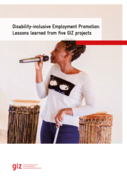
In the initial chapters, you will find different approaches that describe how to support job creation for entrepreneurs or employees who live with disabilities. The interventions are often initiated by the readiness to find and pick the right opportunities, such as an engaged entrepreneur or an open
...
-minded TVET school. Opportunities are good, a strategy, which enables to work for an inclusive environment that creates many more opportunities, is better
more

Developed under the USAID-supported HRH2030 Capacity Building for Malaria (CBM) initiative, this guide offers a comprehensive framework for advising National Malaria Control Programmes (NMCPs) through the use of long-term technical advisors (LTTAs). It sets out key practices for implementing partner
...
s and advisors, covering advisor selection, onboarding, contextual analysis and capacity-building strategies at individual and organisational levels. It emphasises collaborative work planning, continuous performance monitoring, stakeholder engagement and the use of assessment tools such as the Capability Maturity Model (CMM) and the Organisational Development Assessment (ODA). The guide is designed to strengthen the leadership and operational effectiveness of NMCPs, promoting sustainable improvements in malaria control through structured mentorship, knowledge transfer and strategic partnerships.
more
In order to improve access to malaria services in remote mining areas of Guyana, the Ministry of Health and PAHO implemented a community case management programme, training workers in mining camps to test for and treat uncomplicated malaria. However, formative research by Breakthrough ACTION Guyana
...
found that awareness of these services among miners was low. In response, the project supported the development of social and behavioural change (SBC) interventions to increase the visibility of volunteer malaria testers (VMTs), strengthen their counselling skills and improve retention by recognising their contributions.
more

The Guidelines for the Use of the APCA African Palliative Outcome Scale (POS) has been developed by the APCA, in collaboration with
stakeholders, to help appropriately trained health practitioners and researchers across the region to utilise the APCA African POS in their
...
work place (Powell et al, 2007; Warria et al, 2007). Not only do the guidelines provide a clear rationale for measuring palliative care outcomes, but they also outline practical information on how to use the tool to collect data and analyse its results. So why is there a need for these guidelines?
Palliative care as a concept and discipline is not well understood across Africa, and its development is still embryonic in many countries. While there are many obstacles that hinder palliative care development on the continent, a key challenge is the lack of accurate information about the palliative care being provided and its outcomes. The APCA African POS is a useful tool to help us measure these outcomes and, given that
measuring palliative care outcomes remains a relatively new concept, it is important to guide people on how to use the tool. Of course, these guidelines are not intended to address everything related to the measurement of palliative care outcomes; they contain only essential information for providers. More detailed information on the use of outcome tools, and in particular within the research setting, can be gained from contacting relevantly trained professionals.
more
This resource is a practical, user-friendly tools that aid in the application of gender-transformative approaches for everyday work at the frontlines within the social, health, education, or legal sectors, among others.
Gender-transformative appr
...
oaches intentionally challenge harmful gender norms, roles, and relations towards a more equal redistribution of power and resources. This includes engaging diverse stakeholders, such as men, boys, and traditional leaders, in redefining gender roles and increasing the agency of women and girls.
more
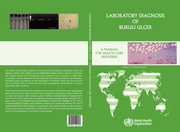
Laboratory diagnosis of Buruli ulcer
recommended
A manual for health care providers.
This manual provides expert guidance on the laboratory techniques and procedures used in the diagnosis of Buruli ulcer, a disease caused by Mycobacterium ulcerans. Aimed at laboratory technicians and scientists working on this disease, the manual details the exac
...
t procedures to follow when performing a range of diagnostic tests. Recommended procedures, intended for use throughout the health system, are presented at levels appropriate for peripheral, district and central services and in accordance with the varying resources, skills and equipment typically found in countries where Buruli ulcer is endemic.
more

The toolkit comprises ready-to-use material designed expressly for World Bank task managers working in the water and sanitation sector. It presents a range of tools for gender analysis and practical “how-to” strategies collected from program and project experience around the world. It is one of
...
a series of toolkits being designed to assist task managers in improving project performance by incorporating gender into their work.
more
