
Filter
2425
Text search:
World
Health
Organization
and
UN
partners
Featured
218
756
Language
2353
74
50
36
31
16
13
5
3
3
2
2
2
2
2
2
1
1
1
1
1
1
1
1
1
1
1
1
1
1
1
1
1
1
1
1
1
1
1
1
1
Document type
1308
455
231
177
149
33
30
25
6
4
2
2
Countries
140
82
76
67
60
59
58
55
52
51
47
40
39
38
35
35
35
33
31
25
24
24
23
23
22
22
22
21
21
21
18
18
18
17
15
14
14
14
12
12
12
12
12
11
11
11
11
11
10
9
9
9
8
8
7
7
7
6
6
5
5
5
5
5
4
4
4
4
4
4
4
3
3
3
3
3
3
3
3
3
3
2
2
2
2
2
2
2
2
2
2
2
2
2
2
2
1
1
1
1
1
1
1
1
1
1
1
1
1
1
1
1
1
1
1
1
1
1
1
1
1
1
1
1
Authors & Publishers
330
103
81
71
70
57
53
43
29
23
17
17
17
16
16
15
15
15
14
14
13
13
12
12
12
12
11
11
10
10
10
10
9
9
9
9
9
8
8
7
7
7
7
7
6
6
6
6
6
6
6
6
6
6
6
6
6
6
6
6
5
5
5
5
5
5
5
5
5
5
5
5
5
5
5
5
5
4
4
4
4
4
4
4
4
4
4
4
4
4
4
4
4
4
4
4
4
4
4
4
4
4
4
3
3
3
3
3
3
3
3
3
3
3
3
3
3
3
3
3
3
3
3
3
3
3
3
3
3
3
3
3
3
3
3
3
3
3
3
3
3
3
3
3
3
3
3
3
3
3
3
3
3
3
3
2
2
2
2
2
2
2
2
2
2
2
2
2
2
2
2
2
2
2
2
2
2
2
2
2
2
2
2
2
2
2
2
2
2
2
2
2
2
2
2
2
2
2
2
2
2
2
2
2
2
2
2
2
2
2
2
2
2
2
2
2
2
2
2
2
2
2
2
2
2
2
2
2
2
2
2
2
2
2
2
2
2
2
2
2
2
2
2
2
2
2
2
2
2
2
2
2
2
2
2
2
2
2
2
2
2
2
2
2
2
2
2
2
2
2
2
2
2
2
2
2
2
2
2
2
2
2
2
2
2
2
2
2
2
2
2
2
2
2
2
2
2
2
2
2
2
2
2
1
1
1
1
1
1
1
1
1
1
1
1
1
1
1
1
1
1
1
1
1
1
1
1
1
1
1
1
1
1
1
1
1
1
1
1
1
1
1
1
1
1
1
1
1
1
1
1
1
1
1
1
1
1
1
1
1
1
1
1
1
1
1
1
1
1
1
1
1
1
1
1
1
1
1
1
1
1
1
1
1
1
1
1
1
1
1
1
1
1
1
1
1
1
1
1
1
1
1
1
1
1
1
1
1
1
1
1
1
1
1
1
1
1
1
1
1
1
1
1
1
1
1
1
1
1
1
1
1
1
1
1
1
1
1
1
1
1
1
1
1
1
1
1
1
1
1
1
1
1
1
1
1
1
1
1
1
1
1
1
1
1
1
1
1
1
1
1
1
1
1
1
1
1
1
1
1
1
1
1
1
1
1
1
1
1
1
1
1
1
1
1
1
1
1
1
1
1
1
1
1
1
1
1
1
1
1
1
1
1
1
1
1
1
1
1
1
1
1
1
1
1
1
1
1
1
1
1
1
1
1
1
1
1
1
1
1
1
1
1
1
1
1
1
1
1
1
1
1
1
1
1
1
1
1
1
1
1
1
1
1
1
1
1
1
1
1
1
1
1
1
1
1
1
1
1
1
1
1
1
1
1
1
1
1
1
1
1
1
1
1
1
1
1
1
1
1
1
1
1
1
1
1
1
1
1
1
1
1
1
1
1
1
1
1
1
1
1
1
1
1
1
1
1
1
1
1
1
1
1
1
1
1
1
1
1
1
1
1
1
1
1
1
1
1
1
1
1
1
1
1
1
1
1
1
1
1
1
1
1
1
1
1
1
1
1
1
1
1
1
1
1
1
1
1
1
1
1
1
1
1
1
1
1
1
1
1
1
1
1
1
1
1
1
1
1
1
1
1
1
1
1
1
1
1
1
1
1
1
1
1
1
1
1
1
1
1
1
1
1
1
1
1
1
1
1
1
1
1
1
1
1
1
1
1
1
1
1
1
1
1
1
1
1
1
1
1
1
1
1
1
1
1
1
1
1
1
1
1
1
1
1
1
1
1
1
1
1
1
1
1
1
1
1
1
1
1
1
1
1
1
1
1
1
1
1
1
1
1
1
1
1
1
1
1
1
1
1
1
1
1
1
1
1
1
1
1
1
1
1
1
1
1
1
1
1
1
1
1
1
1
1
1
1
1
1
1
1
1
1
1
1
1
1
1
1
1
1
1
1
1
1
1
1
1
1
1
1
1
1
1
1
1
1
1
1
1
1
1
1
1
1
1
1
1
1
1
1
1
1
1
1
1
1
1
1
1
1
1
1
1
1
1
1
1
1
1
1
1
1
1
1
1
1
1
1
1
1
1
1
1
1
1
1
1
1
1
1
1
1
1
1
1
1
1
1
1
1
1
1
1
1
1
1
1
1
1
1
1
1
1
1
1
1
1
1
1
1
1
1
1
1
1
1
1
1
1
1
1
1
1
1
1
1
1
1
1
1
1
1
1
1
1
1
1
1
1
1
1
1
1
1
1
1
1
1
1
1
1
1
1
1
1
1
1
1
1
1
1
1
1
1
1
1
1
1
1
1
1
1
1
1
1
1
1
1
1
1
1
1
1
1
1
1
1
1
1
1
1
1
1
1
1
1
1
1
1
1
1
1
1
1
1
1
1
1
1
1
1
1
1
1
1
1
1
1
1
1
1
1
1
1
1
1
1
1
1
1
1
1
1
1
1
1
1
1
1
1
1
1
1
1
1
1
1
1
1
1
1
1
1
1
1
1
1
1
1
1
1
1
1
1
1
1
1
1
1
1
1
1
1
1
1
1
1
1
1
1
1
1
1
1
1
1
1
1
1
1
1
1
1
1
1
1
1
1
1
1
1
1
1
1
1
1
1
1
1
1
1
1
1
1
1
1
1
1
1
1
1
1
1
1
1
1
1
1
1
1
1
1
1
1
1
1
1
1
1
1
1
1
1
1
1
1
1
1
1
1
1
1
1
1
1
1
1
1
1
1
1
1
1
1
1
1
1
1
1
1
1
1
1
1
1
1
1
1
1
1
1
1
1
1
1
1
1
1
1
1
1
1
1
1
1
1
1
1
1
1
1
1
1
1
1
1
1
1
1
1
1
1
1
1
1
1
1
1
1
1
1
1
1
1
1
1
1
1
1
1
1
1
1
1
1
1
1
1
1
1
1
1
1
1
1
1
1
1
1
1
1
1
1
1
1
1
1
1
1
1
1
1
1
1
1
1
1
1
1
1
1
1
1
1
1
1
1
1
1
1
1
1
1
1
1
1
1
1
1
1
1
1
1
1
1
1
1
1
1
1
1
1
1
1
1
1
1
1
1
1
1
1
1
1
1
1
1
1
1
1
1
1
1
1
1
1
1
1
1
1
1
1
1
1
1
1
1
1
1
1
1
1
1
1
1
1
1
1
1
1
1
1
1
1
1
1
1
1
1
1
1
1
1
1
1
1
1
1
1
1
1
1
1
1
1
1
1
1
1
1
1
1
1
1
1
1
1
1
1
1
1
1
1
1
1
1
1
1
1
1
1
1
1
1
1
1
1
1
1
1
1
1
1
1
1
1
1
1
1
1
1
1
1
1
1
1
1
1
1
1
1
1
1
1
1
1
1
1
1
1
1
1
1
1
1
1
1
1
1
1
1
1
1
1
1
1
1
1
1
1
1
1
1
1
1
1
1
1
1
1
1
1
1
1
1
1
1
1
1
1
1
1
1
1
1
1
1
1
1
1
1
1
1
1
1
1
1
1
1
1
1
1
1
1
1
1
1
1
1
1
1
1
1
1
1
1
1
1
1
1
1
1
1
1
1
1
1
1
1
1
1
1
1
1
1
1
1
1
1
1
1
1
1
1
1
1
1
1
1
1
1
1
1
1
1
1
1
1
1
1
1
1
1
1
1
1
1
1
1
1
1
1
1
1
1
1
1
1
1
1
1
1
1
1
1
1
1
1
1
1
1
1
1
1
1
1
1
1
1
1
1
1
1
1
1
1
1
1
1
1
1
1
1
1
1
1
1
1
1
1
1
1
1
1
1
1
1
1
1
1
1
1
1
1
1
1
1
1
1
1
1
1
1
1
1
1
1
1
1
1
1
1
1
1
1
1
1
1
1
1
1
1
1
1
1
1
1
1
1
1
1
1
1
1
1
1
1
1
1
1
1
1
1
1
1
1
1
1
1
1
1
1
1
1
1
1
1
1
1
1
1
1
1
1
1
1
1
1
1
1
1
1
1
1
1
1
1
1
1
1
1
1
1
1
1
1
1
1
1
1
1
1
1
1
1
1
1
1
1
1
1
1
1
1
1
1
1
1
1
1
1
1
1
1
1
1
1
1
1
1
1
1
1
1
1
1
1
1
1
1
1
Publication Years
1
778
1508
130
7
1
Category
926
239
156
133
112
28
13
1
Toolboxes
184
148
148
141
112
110
89
80
67
62
59
55
48
46
35
35
28
27
26
21
16
13
12
11
6
2
2

Review of International, Regional and National Policies and Legal Frameworks that Promote Migrants and Mobile Populations' Access to
...
Health and Malaria Services in the Greater Mekong Subregion (Cambodia, Lao People's Democratic Republic, Myanmar, Thailand and Viet Nam)
Migrants and mobile populations face many obstacles in accessing equitable essential health care services due to factors such as living and working conditions, education level, gender, irregular migration status, language and cultural barriers, anti-migrant sentiments, and lack of migrant-inclusive health policies among others. Despite significant progress having been made in the context of malaria control in the Greater Mekong Subregion (GMS), human movements can impact malaria transmission patterns and potentially introduce drug-resistant parasites. This legal framework review therefore serves as a guidance document on approaches to address malaria and malaria elimination for migrant and mobile populations (MMPs) in five countries of the GMS. more
Migrants and mobile populations face many obstacles in accessing equitable essential health care services due to factors such as living and working conditions, education level, gender, irregular migration status, language and cultural barriers, anti-migrant sentiments, and lack of migrant-inclusive health policies among others. Despite significant progress having been made in the context of malaria control in the Greater Mekong Subregion (GMS), human movements can impact malaria transmission patterns and potentially introduce drug-resistant parasites. This legal framework review therefore serves as a guidance document on approaches to address malaria and malaria elimination for migrant and mobile populations (MMPs) in five countries of the GMS. more
Water, sanitation and hygiene (WASH) are critical in the prevention and care for all of the 17 neglected tropical diseases (NTDs) scheduled for intensified control or elimination by 2020.
Provi ... sion of safe water, sanitation and hygiene is one of the five key interventions within the global NTD roadmap. Yet to date, the WASH component of the strategy has received little attention and the potential to link efforts on WASH and NTDs has been largely untapped.
Focused efforts on WASH are urgently needed if the global NTD roadmap targets are to be met. This is especially needed for NTDs where transmission is most closely linked to poor WASH conditions such as soil-transmitted helminthiasis, schistosomiasis, trachoma and lymphatic filariasis.
This strategy aims to mobilise WASH and NTD actors to work together towards the roadmap targets. more
Provi ... sion of safe water, sanitation and hygiene is one of the five key interventions within the global NTD roadmap. Yet to date, the WASH component of the strategy has received little attention and the potential to link efforts on WASH and NTDs has been largely untapped.
Focused efforts on WASH are urgently needed if the global NTD roadmap targets are to be met. This is especially needed for NTDs where transmission is most closely linked to poor WASH conditions such as soil-transmitted helminthiasis, schistosomiasis, trachoma and lymphatic filariasis.
This strategy aims to mobilise WASH and NTD actors to work together towards the roadmap targets. more
Technical Brief
The Western Pacific Regional Action Plan for the Prevention and Control of Noncommunicable Diseases (2014–2020) was developed in response to a resolution adopted at the sixty-second session of the WHO Regional Committee for the Western
...
Pacific. The regional plan is fully harmonized with the Global Action Plan for the Prevention and Control of Noncommunicable Diseases (2013–2020) while adding the value of actions that build on regional achievements, contexts, opportunities and perspective
more

Available in English, French, Spanish and Russian from the website https://apps.who.int/iris/handle/10665/344562
Zero Draft for Consultation, 3rd Version, November 2015

The WHO Guidelines on risk reduction of cognitive decline and dementia provide evidence-based recommendations on lifestyle behaviours and interventions to delay or prevent cognitive decline
...
and dementia. These WHO Guidelines are an important tool for health care providers as well as governments, policy-makers and other stakeholders to strengthen their response to the dementia challenge.
Executive Summary available in Arabic, Chinese, French, Russian and Spanish at: https://www.who.int/mental_health/neurology/dementia/guidelines_risk_reduction/en/
more
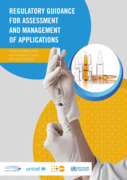
Pharmaceutical regulators are at the forefront of ensuring that only safe and effective medicines are authorized and available in the market. This document builds on the recommendations in the above
...
publication and has been prepared to specifically assist national medicines regulatory authorities to understand the nature and extent of oxytocin quality issues and to provide key technical information and quality requirements for oxytocin products in dossier assessments. Furthermore, this document also presents recommendations on other regulatory actions needed to ensure that only quality-assured oxytocin products are authorized and made available to women.
more
More than two years since the first SARS-CoV-2 infections were reported, the COVID-19 pandemic remains an acute global emergency. In this Strategic Preparedness, Readiness and Response plan for 2022, WHO sets out a number of key strategic adjustment
...
s that, if implemented rapidly and consistently at national, regional, and global levels, will enable the world to end the acute phase of the pandemic.
more

The sixteenth meeting of the Strategic and Technical Advisory Group for Neglected Tropical Diseases (STAG-NTD) was held as a hybrid meeting, 27–28 September 2022.
Dr Ren Minghui, Assistant Director-General, Universal
...
Health Coverage/Communicable and Noncommunicable Diseases, welcomed participants to the meeting. He said the World Health Organization’s Department of Control of Neglected Tropical Diseases (WHO/NTD) was in a state of transition. Following the death of the late esteemed Director Dr Mwelecele Ntuli Malecela earlier in the year, Dr Gautam Biswas had taken over as Acting Director but would soon retire; the appointment of a new Director was under way. Owing to rotation of STAG-NTD members, this would be the last meeting for some and the first meeting for several new participants. The work however would continue with the same commitment. Discussions over the next two days would focus on critical issues regarding recovery of NTD services following the disruptions caused by coronavirus disease (COVID-19), which had impacted many health services worldwide. He looked forward to receiving the advice and guidance of STAG-N
more
Health Evidence Network synthesis report 53
Report of a regional workshop, New Delhi, India, 29–30 September 2014
To reduce the burden of cardiovascular disease and its subsequent problems, the WHO Regional Office for South-East Asia organized a regional workshop on sodium intake ... and iodized salt for Member States in the South-East Asia Region. The general objective of the workshop was to strengthen an integrated approach for sodium reduction and salt iodization programmes in the Member States of the Region. The specific objectives included reviewing the current sodium reduction and salt iodization strategies in the Member States of South-East Asia, provide training to the participants in standardized approaches for dietary estimation of salt/sodium and urinary iodine estimation. more
To reduce the burden of cardiovascular disease and its subsequent problems, the WHO Regional Office for South-East Asia organized a regional workshop on sodium intake ... and iodized salt for Member States in the South-East Asia Region. The general objective of the workshop was to strengthen an integrated approach for sodium reduction and salt iodization programmes in the Member States of the Region. The specific objectives included reviewing the current sodium reduction and salt iodization strategies in the Member States of South-East Asia, provide training to the participants in standardized approaches for dietary estimation of salt/sodium and urinary iodine estimation. more
The Guidelines for the Diagnosis, Treatment and Prevention of Leprosy provide state-of-the-art knowledge and evidence on leprosy diagnosis, treatment and
...
prevention based on a public health approach in endemic countries. The target audience of this document includes policy-makers in leprosy or infectious diseases in the ministries of health (especially but not limited to endemic countries), nongovernmental organizations, clinicians, pharmaceutical companies, donors and affected persons
more

The core of the strategy is the goal for all patients to have better overall care, so that the numbers of deaths and cases of disability are reduced by 50% before 2030. For this to be achieved, four strategic aims will be pursued.
Empower
...
and engage communities,
Ensure safe, effective treatment,
Strengthen health systems, and
Increase partnerships, coordination and resources Strong collaboration
more

Today, the World Health Organization (WHO) is advancing the global fight against acute malnutrition in children under 5 with the launch of its new
...
guideline on the prevention and management of wasting and nutritional oedema (acute malnutrition). This milestone is a crucial response to the persistent global issue of acute malnutrition, which affects millions of children worldwide.
In 2015, the world committed to achieving the Sustainable Development Goals (SDGs), including the ambitious target of eliminating malnutrition in all of its forms by 2030. However, despite these commitments, the proportion of children with acute malnutrition has persisted at a worrying level, affecting an estimated 45 million children under five worldwide in 2022.
In 2022, approximately 7.3 million children received treatment for severe acute malnutrition (SAM). Although treatment coverage has increased, children with SAM in many of the worst affected countries are still unable to access the full necessary care for them to recover.
The Global Action Plan (GAP) on child wasting recognized the need for updated normative guidance to support governments in the prevention and management of acute malnutrition. WHO answered this call to action and developed a comprehensive guideline that provides evidence-based recommendations and good practice statements and will be followed by guidance and tools for implementation.
more
