
Filter
3372
Text search:
crisis
management
Featured
303
888
Language
3108
146
96
70
64
57
25
23
16
8
4
4
3
3
3
3
3
3
2
2
2
2
2
2
2
2
2
2
2
2
2
2
2
2
1
1
1
1
1
1
1
1
1
1
1
1
1
1
1
1
Document type
1602
751
379
224
199
77
75
41
11
6
4
3
Countries
198
117
113
105
93
78
73
72
71
67
66
62
59
58
55
53
52
49
47
43
41
39
35
34
31
29
23
23
23
22
22
21
21
20
20
20
19
18
18
18
17
16
16
16
15
15
15
14
13
12
12
12
12
12
10
10
10
10
10
8
8
8
8
8
8
7
7
7
7
6
6
6
6
5
5
5
5
5
4
4
4
4
4
4
4
3
3
3
3
3
3
3
3
3
3
2
2
2
2
2
2
2
2
2
2
2
2
2
2
2
2
2
2
2
1
1
1
1
1
1
1
1
1
1
1
1
1
1
1
1
1
1
1
1
1
1
1
1
1
1
Authors & Publishers
366
100
93
75
70
68
58
41
40
39
35
33
32
31
30
24
23
22
22
21
20
20
19
18
17
17
16
15
15
15
14
13
13
13
13
13
13
12
12
12
11
11
11
11
11
10
10
10
9
9
9
9
9
9
9
8
8
8
8
8
8
8
8
8
7
7
7
7
7
7
7
7
6
6
6
6
6
6
6
6
6
6
6
6
6
6
6
6
5
5
5
5
5
5
5
5
5
5
5
5
5
5
5
5
5
5
5
5
5
5
5
5
4
4
4
4
4
4
4
4
4
4
4
4
4
4
4
4
4
4
4
4
4
4
4
4
4
4
4
4
4
4
4
4
4
4
4
4
4
4
3
3
3
3
3
3
3
3
3
3
3
3
3
3
3
3
3
3
3
3
3
3
3
3
3
3
3
3
3
3
3
3
3
3
3
3
3
3
3
3
3
3
3
3
3
3
3
3
3
3
3
3
3
3
3
3
3
3
3
3
3
3
3
3
2
2
2
2
2
2
2
2
2
2
2
2
2
2
2
2
2
2
2
2
2
2
2
2
2
2
2
2
2
2
2
2
2
2
2
2
2
2
2
2
2
2
2
2
2
2
2
2
2
2
2
2
2
2
2
2
2
2
2
2
2
2
2
2
2
2
2
2
2
2
2
2
2
2
2
2
2
2
2
2
2
2
2
2
2
2
2
2
2
2
2
2
2
2
2
2
2
2
2
2
2
2
2
2
2
2
2
2
2
2
2
2
2
2
2
2
2
2
2
2
2
2
2
2
2
2
2
2
2
2
2
2
2
2
2
2
2
2
2
2
2
2
2
2
2
2
2
2
2
2
2
2
2
2
2
2
2
2
2
2
2
2
2
2
2
2
2
2
2
2
2
2
2
2
2
2
2
2
2
2
2
2
2
2
2
2
2
2
2
2
2
1
1
1
1
1
1
1
1
1
1
1
1
1
1
1
1
1
1
1
1
1
1
1
1
1
1
1
1
1
1
1
1
1
1
1
1
1
1
1
1
1
1
1
1
1
1
1
1
1
1
1
1
1
1
1
1
1
1
1
1
1
1
1
1
1
1
1
1
1
1
1
1
1
1
1
1
1
1
1
1
1
1
1
1
1
1
1
1
1
1
1
1
1
1
1
1
1
1
1
1
1
1
1
1
1
1
1
1
1
1
1
1
1
1
1
1
1
1
1
1
1
1
1
1
1
1
1
1
1
1
1
1
1
1
1
1
1
1
1
1
1
1
1
1
1
1
1
1
1
1
1
1
1
1
1
1
1
1
1
1
1
1
1
1
1
1
1
1
1
1
1
1
1
1
1
1
1
1
1
1
1
1
1
1
1
1
1
1
1
1
1
1
1
1
1
1
1
1
1
1
1
1
1
1
1
1
1
1
1
1
1
1
1
1
1
1
1
1
1
1
1
1
1
1
1
1
1
1
1
1
1
1
1
1
1
1
1
1
1
1
1
1
1
1
1
1
1
1
1
1
1
1
1
1
1
1
1
1
1
1
1
1
1
1
1
1
1
1
1
1
1
1
1
1
1
1
1
1
1
1
1
1
1
1
1
1
1
1
1
1
1
1
1
1
1
1
1
1
1
1
1
1
1
1
1
1
1
1
1
1
1
1
1
1
1
1
1
1
1
1
1
1
1
1
1
1
1
1
1
1
1
1
1
1
1
1
1
1
1
1
1
1
1
1
1
1
1
1
1
1
1
1
1
1
1
1
1
1
1
1
1
1
1
1
1
1
1
1
1
1
1
1
1
1
1
1
1
1
1
1
1
1
1
1
1
1
1
1
1
1
1
1
1
1
1
1
1
1
1
1
1
1
1
1
1
1
1
1
1
1
1
1
1
1
1
1
1
1
1
1
1
1
1
1
1
1
1
1
1
1
1
1
1
1
1
1
1
1
1
1
1
1
1
1
1
1
1
1
1
1
1
1
1
1
1
1
1
1
1
1
1
1
1
1
1
1
1
1
1
1
1
1
1
1
1
1
1
1
1
1
1
1
1
1
1
1
1
1
1
1
1
1
1
1
1
1
1
1
1
1
1
1
1
1
1
1
1
1
1
1
1
1
1
1
1
1
1
1
1
1
1
1
1
1
1
1
1
1
1
1
1
1
1
1
1
1
1
1
1
1
1
1
1
1
1
1
1
1
1
1
1
1
1
1
1
1
1
1
1
1
1
1
1
1
1
1
1
1
1
1
1
1
1
1
1
1
1
1
1
1
1
1
1
1
1
1
1
1
1
1
1
1
1
1
1
1
1
1
1
1
1
1
1
1
1
1
1
1
1
1
1
1
1
1
1
1
1
1
1
1
1
1
1
1
1
1
1
1
1
1
1
1
1
1
1
1
1
1
1
1
1
1
1
1
1
1
1
1
1
1
1
1
1
1
1
1
1
1
1
1
1
1
1
1
1
1
1
1
1
1
1
1
1
1
1
1
1
1
1
1
1
1
1
1
1
1
1
1
1
1
1
1
1
1
1
1
1
1
1
1
1
1
1
1
1
1
1
1
1
1
1
1
1
1
1
1
1
1
1
1
1
1
1
1
1
1
1
1
1
1
1
1
1
1
1
1
1
1
1
1
1
1
1
1
1
1
1
1
1
1
1
1
1
1
1
1
1
1
1
1
1
1
1
1
1
1
1
1
1
1
1
1
1
1
1
1
1
1
1
1
1
1
1
1
1
1
1
1
1
1
1
1
1
1
1
1
1
1
1
1
1
1
1
1
1
1
1
1
1
1
1
1
1
1
1
1
1
1
1
1
1
1
1
1
1
1
1
1
1
1
1
1
1
1
1
1
1
1
1
1
1
1
1
1
1
1
1
1
1
1
1
1
1
1
1
1
1
1
1
1
1
1
1
1
1
1
1
1
1
1
1
1
1
1
1
1
1
1
1
1
1
1
1
1
1
1
1
1
1
1
1
1
1
1
1
1
1
1
1
1
1
1
1
1
1
1
1
1
1
1
1
1
1
1
1
1
1
1
1
1
1
1
1
1
1
1
1
1
1
1
1
1
1
1
1
1
1
1
1
1
1
1
1
1
1
1
1
1
1
1
1
1
1
1
1
1
1
1
1
1
1
1
1
1
1
1
1
1
1
1
1
1
1
1
1
1
1
1
1
1
1
1
1
1
1
1
1
1
1
1
1
1
1
1
1
1
1
1
1
1
1
1
1
1
1
1
1
1
1
1
1
1
1
1
1
1
1
1
1
1
1
1
1
1
1
1
1
1
1
1
1
1
1
1
1
1
1
1
1
1
1
1
1
1
1
1
1
1
1
1
1
1
1
1
1
1
1
1
1
1
1
1
1
1
1
1
1
1
1
1
1
1
1
1
1
1
1
1
1
1
1
1
1
1
1
1
1
1
1
1
1
1
1
1
1
1
1
1
1
1
1
1
1
1
1
1
1
1
1
1
1
1
1
1
1
1
1
1
1
1
1
1
1
1
1
1
1
1
1
1
1
1
1
1
1
1
1
1
1
1
1
1
1
1
1
1
1
1
1
1
1
1
1
1
1
1
1
1
1
1
1
1
1
1
1
1
1
1
1
1
1
1
1
1
1
1
1
1
1
1
1
1
1
1
1
1
1
1
1
1
1
1
1
1
1
1
1
1
1
1
1
1
1
1
1
1
1
1
1
1
1
1
1
1
1
1
1
1
1
1
1
1
1
1
1
1
1
1
1
1
1
1
1
1
1
1
1
1
1
1
1
1
1
1
1
1
1
1
1
1
1
1
1
1
1
1
1
1
1
1
1
1
1
1
1
1
1
1
1
1
1
1
1
1
1
1
1
1
1
1
1
1
1
1
1
1
1
1
1
1
1
1
1
1
1
1
1
1
1
1
1
1
1
1
1
1
1
1
1
1
1
1
1
1
1
1
1
1
1
1
1
1
1
1
1
1
1
1
1
1
1
1
1
1
1
1
1
1
1
1
1
1
1
1
1
1
1
1
1
1
1
1
1
1
1
1
1
1
1
1
1
1
1
1
1
1
1
1
1
1
1
1
1
1
1
1
1
1
1
1
1
1
1
1
1
1
1
1
1
1
1
1
1
1
1
1
1
1
1
1
1
1
1
1
1
1
1
1
1
1
1
1
1
1
1
1
1
1
1
1
1
1
1
1
1
1
1
1
1
1
1
1
1
1
1
1
1
1
1
1
1
1
1
1
1
1
1
1
1
1
1
1
1
1
1
1
1
1
1
1
1
1
1
1
1
1
1
1
1
1
1
1
1
1
1
1
1
1
1
1
1
1
1
1
1
1
1
1
1
1
1
1
1
1
1
1
1
1
1
1
1
1
1
1
1
1
1
1
1
1
1
1
1
1
1
1
1
1
1
1
1
1
1
1
1
1
1
1
1
1
1
1
1
1
1
1
1
1
1
1
1
1
1
1
1
1
1
1
1
1
1
1
1
1
1
1
1
1
1
1
1
1
1
1
1
1
1
1
1
1
1
1
1
1
1
1
1
1
1
1
1
1
1
1
1
1
1
1
1
1
1
1
1
1
1
1
1
1
1
1
1
1
1
1
1
1
1
1
1
1
1
1
1
1
1
1
1
1
1
1
1
1
1
1
1
1
1
1
1
1
1
1
1
1
1
1
1
1
1
1
1
1
1
1
1
1
1
1
1
1
1
1
1
1
1
1
1
1
1
1
1
1
1
1
1
1
1
1
1
1
1
1
1
1
1
1
1
1
1
1
1
1
1
1
1
1
1
1
1
1
1
1
1
1
1
1
1
1
1
1
1
1
1
1
1
1
1
1
1
1
1
1
1
1
1
1
1
1
1
1
1
1
1
1
1
1
1
1
1
1
1
1
1
1
1
1
1
1
1
1
1
1
1
1
1
1
1
1
1
1
1
1
1
1
1
1
1
1
1
1
1
1
1
1
1
1
1
1
1
1
1
1
1
1
1
1
1
1
1
1
1
1
1
1
1
1
1
1
1
1
1
1
1
1
1
1
1
1
1
1
1
1
1
1
1
1
1
1
1
1
1
1
1
1
1
1
1
1
1
1
1
1
1
1
1
1
1
1
1
1
1
1
1
1
1
1
1
1
1
1
1
1
1
1
1
1
1
1
1
1
1
1
1
1
1
1
1
1
1
1
1
1
1
1
1
1
1
1
1
1
1
1
1
1
1
1
1
1
1
1
1
1
1
1
1
1
1
1
1
1
1
1
1
1
1
1
1
1
1
1
1
1
1
1
1
1
1
1
1
1
1
1
1
1
1
1
1
1
1
1
1
1
1
1
1
1
1
1
1
1
1
1
1
1
1
1
1
1
1
1
1
1
1
1
1
1
1
1
1
1
1
1
1
1
1
1
1
1
1
1
1
1
1
1
1
1
1
1
1
1
1
1
1
1
1
1
1
1
1
1
1
1
1
1
1
1
1
1
1
1
1
1
1
1
1
1
1
1
1
1
1
1
1
1
1
1
1
1
1
1
1
1
1
1
1
1
1
1
1
1
1
1
1
1
1
1
1
1
1
1
1
1
1
1
1
1
1
1
1
1
1
1
1
1
1
1
1
1
1
1
1
1
1
1
1
1
1
1
1
1
1
1
1
1
1
1
1
1
1
1
1
1
1
1
1
1
1
1
1
1
1
1
1
1
1
1
1
1
1
1
1
1
1
1
1
1
1
1
1
1
1
1
1
1
1
1
1
1
1
1
1
1
1
1
1
1
1
1
1
1
1
1
1
1
1
1
1
1
1
1
1
1
1
1
1
1
1
1
1
1
1
1
1
1
1
1
1
1
1
1
1
1
1
1
1
1
1
1
1
1
1
1
1
1
1
1
1
1
1
1
1
1
1
1
1
1
1
1
1
1
1
1
1
1
1
1
1
1
1
1
1
1
1
1
1
1
1
1
1
1
1
1
1
1
1
1
1
1
1
1
1
1
1
1
1
1
1
1
1
1
1
1
1
1
1
1
1
1
1
1
1
1
1
1
1
1
1
1
1
Publication Years
1279
1869
215
9
Category
1201
366
161
145
140
42
7
3
Toolboxes
403
310
266
175
171
127
124
109
95
92
84
84
73
73
49
45
44
41
31
29
26
18
18
18
10
5
2
This document presents a brief overview of how UNHCR adapts its activities for mental health and psychosocial support (MHPSS) to the changing context of the pandemic. Staff of UNHCR and partners, in country offices in all regions of the world, have developed innovative field practices to continue pr
...
oviding essential MHPSS services to refugees. The examples in this document are testimony to the commitment and creativity of our staff and can serve as inspiration and encouragement for others to continue integrating MHPSS in the humanitarian work during and after the COVID-19 pandemic.
more

This guide is designed to assist UNICEF staff and partners, in establishing and
operating Child Friendly Spaces (CFS) in an emergency. It attempts to provide
readers with the main principles of a CFS and the processes on how to establish
one.
The overall aim is to improve the standards and capac
...
ity of field staff, by providing
the required knowledge to support the design and operations of child friendly
spaces.
It will facilitate an understanding of how to develop a CFS in contexts in which
children’s well-being are threatened or damaged as a result of conflict or natural
disasters. More specifically, this guide attempts to broaden and strengthen the
knowledge, skills and attitudes of protection officers/field staff so that they are able
to respond to the multi-faceted needs of children.
more

The United Nations Network on Migration is committed to supporting all partners in pursuit of the implementation of the Global Compact for Safe, Orderly and Regular Migration, recognizing that this cooperative framework provides an invaluable tool for ensuring inclusive, collective responses to COVI
...
D-19 and its impact.
To that end, this briefing is part of a series by the Network looking at different aspects of the COVID-19 pandemic and how they relate to migrants and their communities. The document provides practical guidance to States and other stakeholders for an improved common understanding of safe and inclusive access to services for migrants. The brief makes the case for enhanced access to services for migrants in the context of COVID-19 preparedness, prevention, and response – and beyond.
more
Children expressed the need for organisations to
support in the delivery of services such as health and
sanitation. The children also emphasized that schools
and the child-friendly spaces (CFSs) were effective
and important spaces to provide them with what they
need.
The creaNon of ‘friendly spaces’ for women and girls has been a key
strategy in the protecNon and empowerment of women 1 and girls in South
Sudan since conflict re-erupted in the country in December 2013. This
document provides guidance on the aims of these spaces, and how they
can best be e
...
stablished and managed in the South Sudan context.
more
This technical guidance outlines current evidence, knowledge and best practice relating to incidences of violence and injuries among refugees and migrants in the WHO European Region. It highlights key principles, summarizes priority actions and challenges, maps existing international commitments and
...
frameworks and provides practical policy considerations for preventing and responding to such challenges. Specific areas for intervention include ensuring safe passage for migration; addressing causes of violence and injuries in transit and destination countries, including changing norms and values; identifying victims and providing care and protection; investigating and prosecuting perpetrators; and strengthening the knowledge base. While the main intended audience of this technical guidance series are policy-makers across sectors at local, national and regional levels, the contents of this publication will also be of value for health-care practitioners and law enforcement and border protection officials.
more
Guidelines for the development and implementation of institution-specific protection concepts
Three billion people – 40 per cent of the world’s population – do not have a place in their homes to wash their hands with water and soap. Three quarters of those who lack access to water and soap live in the world’s poorest countries and are amongst the most vulnerable: children and familie
...
s living in informal settlements, migrant and refugee camps, or in areas of active conflict. This puts an estimated 1 billion people at immediate risk of COVID-19 simply because they lack basic handwashing facilities.
The Hand Hygiene for All initiative aims to move the world towards this goal: supporting the most vulnerable communities with the means to protect their health and environment. It brings together international partners, national governments, public and private sectors, and civil society to ensure affordable products and services are available, especially in disadvantaged areas, and to enable a culture of hygiene.
more
Recognizing the extent to which the COVID-19 outbreaks affects women and men differently is hugely important. Some preliminary data suggested that more men than women are dying, potentially due to sex-based immunological differences, higher rates of cardiovascular disease for men and lifestyle choic
...
es, such as smoking. However, the experiences and lessons learned from the Zika and Ebola outbreaks and the HIV pandemic demonstrate that robust gender analysis and informed, gender-integrated response are vital to strengthen the access and acceptability of the humanitarian services needed to meet the distinct needs of women and girls, as well as men and boy and LGBTI people.
more
The Lancet Global Health Published:May 12, 2020DOI:https://doi.org/10.1016/S2214-109X(20)30229-1
N95 or equivalent respirators are single-use personal protective equipment (PPE) designed for use by health workers that provide direct care to patients with diseases transmitted by aerosols or during aerosol generating procedures (AGP) for patients with acute respiratory disease, as is the case of
...
COVID-19. • Given the current shortage of N95 and equivalent respirators, the World Health Organization (WHO) has suggested the possibility of their extended use by the same individual for up to 6 hours or the reprocessing of respirators when necessary.
more
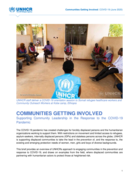
The COVID-19 pandemic has created challenges for forcibly displaced persons and the humanitarian organizations working to support them. With restrictions on movement and limited access to refugees, asylum-seekers, internally displaced persons (IDPs) and stateless persons across the globe, UNHCR is s
...
upporting displaced communities to take the lead in the prevention of, and the response to, the existing and emerging protection needs of women, men, girls and boys of diverse backgrounds.
more
In 1964 medical mission was challenged and called to define its distinctiveness and its special role in the context of that particular time. The consultation "Tuebingen I" clearly stated: "The Christian church has a specific task in the field of health and healing"1, and developed a conce
...
pt of wholeness and of the role of the congregation in health provision. 50 years later, the question of the proprium of Christian health services is again a very important one. At a time when governments, international non-governmental organizations and other philanthropic organizations participate in health care, the question has to be asked: What is the specific contribution of a Christian health service or ministry of healing? At a time when chronic disease challenges not only rich but now also poor countries, when infections like Ebola that for years were hidden in Africa pose a threat to the global situation, Christians have to reflect on the question of the proprium of Christian health care.
more

The joys and the hopes, the griefs and the anxieties of the men of this age are the joys and hopes, the griefs and anxieties of the followers of Christ. As a community composed of men, united in Christ, they are led by the Holy Spirit toward the Kingdom of their Father. They have welcome
...
d the news of salvation, meant for every man. This community realizes its link with mankindand its history by the deepest of bonds
more
TO HIS HOLINESS POPE JOHN PAUL II

Integritas 4.3 (Fall 2014), pp. 1-30.
doi: 10.6017/integritas.v4i3p1
There is no secret to our procedure: the daily scanning of the literature helps us to stay afloat in the never-ending waves of new publications about SARS-CoV-2 and COVID-19. Many papers discussed in the Top 10 will eventually make it into subsequent editions of COVID Reference.
This guide focuses on three main areas: how to support a person whose condition warrants home care because of non-severe symptoms and home care is recommended by local jurisdictions; how to prevent the spread of COVID-19 in the home; and how to provide emotional support to family members. While this
...
manual provides information on danger signs of COVID-19, it should not be used as a guide for when and how a person who has COVID-19 (or its symptoms) should seek medical care. All content adapted to different countries should reflect local policy guidelines and recommendations.
more

This document provides guidance to Member States in the WHO European Region that wish to conduct behavioural insights studies related to COVID-19. Studies can be used to monitor public knowledge, risk perceptions, behaviours and trust with the overall aim to inform national COVID-19 outbreak respons
...
e measures, including policies, interventions and communications.
more

A thesis submitted for the Degree of Master of Theology at the South African Theological Seminary
