Filter
3771
Text search:
inclusión
social
Featured
289
934
Language
3573
168
89
46
34
26
20
8
6
4
4
4
4
4
3
3
3
3
3
3
3
2
2
2
2
2
2
2
2
2
1
1
1
1
1
1
1
1
1
1
1
1
1
1
1
1
1
1
Document type
2022
751
416
212
200
63
56
31
6
4
3
2
1
1
Countries
207
111
102
94
91
80
73
68
66
60
58
56
52
50
49
48
42
40
38
35
35
34
33
32
31
29
29
27
23
23
21
21
20
20
20
20
19
18
18
17
15
15
15
14
14
13
13
13
12
12
12
12
12
11
10
10
10
9
9
9
8
8
8
7
7
7
6
6
6
6
6
5
5
5
5
4
4
4
4
4
4
3
3
3
3
3
3
3
3
3
2
2
2
2
2
2
2
2
2
2
2
2
2
2
2
2
2
2
2
1
1
1
1
1
1
1
1
1
1
1
1
1
1
1
1
1
1
1
1
1
1
1
1
1
1
Authors & Publishers
473
126
112
110
110
77
59
46
42
41
33
33
30
26
25
24
18
17
17
16
16
15
14
14
14
14
14
13
13
13
12
11
11
11
10
10
10
10
10
10
10
9
9
9
9
9
9
9
8
8
8
8
8
8
8
7
7
7
7
7
7
7
7
7
7
7
6
6
6
6
6
6
6
6
6
6
6
6
6
6
6
6
5
5
5
5
5
5
5
5
5
5
5
5
5
5
5
5
4
4
4
4
4
4
4
4
4
4
4
4
4
4
4
4
4
4
4
4
4
4
4
4
4
4
4
4
4
4
4
4
4
4
4
4
4
4
4
4
4
4
3
3
3
3
3
3
3
3
3
3
3
3
3
3
3
3
3
3
3
3
3
3
3
3
3
3
3
3
3
3
3
3
3
3
3
3
3
3
3
3
3
3
3
3
3
3
3
3
3
3
3
3
3
3
3
3
3
3
3
3
3
3
3
3
3
3
3
3
3
3
3
3
3
3
2
2
2
2
2
2
2
2
2
2
2
2
2
2
2
2
2
2
2
2
2
2
2
2
2
2
2
2
2
2
2
2
2
2
2
2
2
2
2
2
2
2
2
2
2
2
2
2
2
2
2
2
2
2
2
2
2
2
2
2
2
2
2
2
2
2
2
2
2
2
2
2
2
2
2
2
2
2
2
2
2
2
2
2
2
2
2
2
2
2
2
2
2
2
2
2
2
2
2
2
2
2
2
2
2
2
2
2
2
2
2
2
2
2
2
2
2
2
2
2
2
2
2
2
2
2
2
2
2
2
2
2
2
2
2
2
2
2
2
2
2
2
2
2
2
2
2
2
2
2
2
2
2
2
2
2
2
2
2
2
2
2
2
2
2
2
2
2
2
2
2
2
2
2
2
2
2
2
2
2
2
2
2
2
2
2
2
2
2
2
2
2
2
2
2
2
2
2
2
2
2
2
1
1
1
1
1
1
1
1
1
1
1
1
1
1
1
1
1
1
1
1
1
1
1
1
1
1
1
1
1
1
1
1
1
1
1
1
1
1
1
1
1
1
1
1
1
1
1
1
1
1
1
1
1
1
1
1
1
1
1
1
1
1
1
1
1
1
1
1
1
1
1
1
1
1
1
1
1
1
1
1
1
1
1
1
1
1
1
1
1
1
1
1
1
1
1
1
1
1
1
1
1
1
1
1
1
1
1
1
1
1
1
1
1
1
1
1
1
1
1
1
1
1
1
1
1
1
1
1
1
1
1
1
1
1
1
1
1
1
1
1
1
1
1
1
1
1
1
1
1
1
1
1
1
1
1
1
1
1
1
1
1
1
1
1
1
1
1
1
1
1
1
1
1
1
1
1
1
1
1
1
1
1
1
1
1
1
1
1
1
1
1
1
1
1
1
1
1
1
1
1
1
1
1
1
1
1
1
1
1
1
1
1
1
1
1
1
1
1
1
1
1
1
1
1
1
1
1
1
1
1
1
1
1
1
1
1
1
1
1
1
1
1
1
1
1
1
1
1
1
1
1
1
1
1
1
1
1
1
1
1
1
1
1
1
1
1
1
1
1
1
1
1
1
1
1
1
1
1
1
1
1
1
1
1
1
1
1
1
1
1
1
1
1
1
1
1
1
1
1
1
1
1
1
1
1
1
1
1
1
1
1
1
1
1
1
1
1
1
1
1
1
1
1
1
1
1
1
1
1
1
1
1
1
1
1
1
1
1
1
1
1
1
1
1
1
1
1
1
1
1
1
1
1
1
1
1
1
1
1
1
1
1
1
1
1
1
1
1
1
1
1
1
1
1
1
1
1
1
1
1
1
1
1
1
1
1
1
1
1
1
1
1
1
1
1
1
1
1
1
1
1
1
1
1
1
1
1
1
1
1
1
1
1
1
1
1
1
1
1
1
1
1
1
1
1
1
1
1
1
1
1
1
1
1
1
1
1
1
1
1
1
1
1
1
1
1
1
1
1
1
1
1
1
1
1
1
1
1
1
1
1
1
1
1
1
1
1
1
1
1
1
1
1
1
1
1
1
1
1
1
1
1
1
1
1
1
1
1
1
1
1
1
1
1
1
1
1
1
1
1
1
1
1
1
1
1
1
1
1
1
1
1
1
1
1
1
1
1
1
1
1
1
1
1
1
1
1
1
1
1
1
1
1
1
1
1
1
1
1
1
1
1
1
1
1
1
1
1
1
1
1
1
1
1
1
1
1
1
1
1
1
1
1
1
1
1
1
1
1
1
1
1
1
1
1
1
1
1
1
1
1
1
1
1
1
1
1
1
1
1
1
1
1
1
1
1
1
1
1
1
1
1
1
1
1
1
1
1
1
1
1
1
1
1
1
1
1
1
1
1
1
1
1
1
1
1
1
1
1
1
1
1
1
1
1
1
1
1
1
1
1
1
1
1
1
1
1
1
1
1
1
1
1
1
1
1
1
1
1
1
1
1
1
1
1
1
1
1
1
1
1
1
1
1
1
1
1
1
1
1
1
1
1
1
1
1
1
1
1
1
1
1
1
1
1
1
1
1
1
1
1
1
1
1
1
1
1
1
1
1
1
1
1
1
1
1
1
1
1
1
1
1
1
1
1
1
1
1
1
1
1
1
1
1
1
1
1
1
1
1
1
1
1
1
1
1
1
1
1
1
1
1
1
1
1
1
1
1
1
1
1
1
1
1
1
1
1
1
1
1
1
1
1
1
1
1
1
1
1
1
1
1
1
1
1
1
1
1
1
1
1
1
1
1
1
1
1
1
1
1
1
1
1
1
1
1
1
1
1
1
1
1
1
1
1
1
1
1
1
1
1
1
1
1
1
1
1
1
1
1
1
1
1
1
1
1
1
1
1
1
1
1
1
1
1
1
1
1
1
1
1
1
1
1
1
1
1
1
1
1
1
1
1
1
1
1
1
1
1
1
1
1
1
1
1
1
1
1
1
1
1
1
1
1
1
1
1
1
1
1
1
1
1
1
1
1
1
1
1
1
1
1
1
1
1
1
1
1
1
1
1
1
1
1
1
1
1
1
1
1
1
1
1
1
1
1
1
1
1
1
1
1
1
1
1
1
1
1
1
1
1
1
1
1
1
1
1
1
1
1
1
1
1
1
1
1
1
1
1
1
1
1
1
1
1
1
1
1
1
1
1
1
1
1
1
1
1
1
1
1
1
1
1
1
1
1
1
1
1
1
1
1
1
1
1
1
1
1
1
1
1
1
1
1
1
1
1
1
1
1
1
1
1
1
1
1
1
1
1
1
1
1
1
1
1
1
1
1
1
1
1
1
1
1
1
1
1
1
1
1
1
1
1
1
1
1
1
1
1
1
1
1
1
1
1
1
1
1
1
1
1
1
1
1
1
1
1
1
1
1
1
1
1
1
1
1
1
1
1
1
1
1
1
1
1
1
1
1
1
1
1
1
1
1
1
1
1
1
1
1
1
1
1
1
1
1
1
1
1
1
1
1
1
1
1
1
1
1
1
1
1
1
1
1
1
1
1
1
1
1
1
1
1
1
1
1
1
1
1
1
1
1
1
1
1
1
1
1
1
1
1
1
1
1
1
1
1
1
1
1
1
1
1
1
1
1
1
1
1
1
1
1
1
1
1
1
1
1
1
1
1
1
1
1
1
1
1
1
1
1
1
1
1
1
1
1
1
1
1
1
1
1
1
1
1
1
1
1
1
1
1
1
1
1
1
1
1
1
1
1
1
1
1
1
1
1
1
1
1
1
1
1
1
1
1
1
1
1
1
1
1
1
1
1
1
1
1
1
1
1
1
1
1
1
1
1
1
1
1
1
1
1
1
1
1
1
1
1
1
1
1
1
1
1
1
1
1
1
1
1
1
1
1
1
1
1
1
1
1
1
1
1
1
1
1
1
1
1
1
1
1
1
1
1
1
1
1
1
1
1
1
1
1
1
1
1
1
1
1
1
1
1
1
1
1
1
1
1
1
1
1
1
1
1
1
1
1
1
1
1
1
1
1
1
1
1
1
1
1
1
1
1
1
1
1
1
1
1
1
1
1
1
1
1
1
1
1
1
1
1
1
1
1
1
1
1
1
1
1
1
1
1
1
1
1
1
1
1
1
1
1
1
1
1
1
1
1
1
1
1
1
1
1
1
1
1
1
1
1
1
1
1
1
1
1
1
1
1
1
1
1
1
1
1
1
1
1
1
1
1
1
1
1
1
1
1
1
1
1
1
1
1
1
1
1
1
1
1
1
1
1
1
1
1
1
1
1
1
1
1
1
1
1
1
1
1
1
1
1
1
1
1
1
1
1
1
1
1
1
1
1
1
1
1
1
1
1
1
1
1
1
1
1
1
1
1
1
1
1
1
1
1
1
1
1
1
1
1
1
1
1
1
1
1
1
1
1
1
1
1
1
1
1
1
1
1
1
1
1
1
1
1
1
1
1
1
1
1
1
1
1
1
1
1
1
1
1
1
1
1
1
1
1
1
1
1
1
1
1
1
1
1
1
1
1
1
1
1
1
1
1
1
1
1
1
1
1
1
1
1
1
1
1
1
1
1
1
1
1
1
1
1
1
1
1
1
1
1
1
1
1
1
1
1
1
1
1
1
1
1
1
1
1
1
1
1
1
1
1
1
1
1
1
1
1
1
1
1
1
1
1
1
1
1
1
1
1
1
1
1
1
1
1
1
1
1
1
1
1
1
1
1
1
1
1
1
1
1
1
1
1
1
1
1
1
1
1
1
1
1
1
1
1
1
1
1
1
1
1
1
1
1
1
1
1
1
1
1
1
1
1
1
1
1
1
1
1
1
1
1
1
1
1
1
1
1
1
1
1
1
1
1
1
1
1
1
1
1
1
1
1
1
1
1
1
1
1
1
1
1
1
1
1
1
1
1
1
1
1
1
1
1
1
1
1
1
1
1
1
1
1
1
1
1
1
1
1
1
1
1
1
1
1
1
1
1
1
1
1
1
1
1
1
1
1
1
1
1
1
1
1
1
1
1
1
1
1
1
1
1
1
1
1
1
1
1
1
1
1
1
1
1
1
1
1
1
1
1
1
1
1
1
1
1
1
1
1
1
1
1
1
1
1
1
1
1
1
1
1
1
1
1
1
1
1
1
1
1
1
1
1
1
1
1
1
1
1
1
1
1
1
1
1
1
1
1
1
1
1
1
1
1
1
1
1
1
1
1
1
1
1
1
1
1
1
1
1
1
1
1
1
1
1
1
1
1
1
1
1
1
1
1
1
1
1
1
1
1
1
1
1
1
1
1
1
1
1
1
1
1
1
1
1
1
1
1
1
1
1
1
1
1
1
1
1
1
1
1
1
1
1
1
1
1
1
1
1
1
1
1
1
1
1
1
1
1
1
1
1
1
1
1
1
1
1
1
1
1
1
1
1
1
1
1
1
1
1
1
1
1
1
1
1
1
1
1
1
1
1
1
1
1
1
1
1
1
1
1
1
1
1
1
1
1
1
1
1
1
1
1
1
1
1
1
1
1
1
1
1
1
1
1
1
1
1
1
1
1
1
1
1
1
1
1
1
1
1
1
1
1
1
1
1
1
1
1
1
1
1
1
1
1
1
1
1
1
1
1
1
1
1
1
1
1
1
1
1
1
1
1
1
1
1
1
1
1
1
1
1
1
1
1
1
1
1
1
1
1
1
1
1
1
1
1
1
1
1
1
1
1
1
1
1
1
1
1
1
1
1
1
1
1
1
1
1
1
1
1
1
1
1
1
1
1
1
1
1
1
1
1
1
1
1
1
1
1
1
1
1
1
1
1
1
1
1
1
1
1
1
1
1
1
1
1
1
1
1
1
1
1
1
1
1
1
1
1
1
1
1
1
1
1
1
1
1
1
1
1
1
1
1
1
1
1
1
1
1
1
1
1
1
1
1
1
1
1
1
1
1
1
1
1
1
1
1
1
1
1
1
1
1
1
1
1
1
1
1
1
1
1
1
1
1
1
1
1
1
1
1
1
1
1
1
1
1
1
1
1
1
1
1
1
1
1
1
1
1
1
1
1
1
1
1
1
1
1
1
1
1
1
1
1
1
1
1
1
1
1
1
1
1
1
1
1
1
1
1
1
1
1
1
1
1
1
1
1
1
1
1
1
1
1
1
1
1
1
1
1
1
1
1
1
1
1
1
1
1
1
1
1
1
1
1
1
1
1
1
1
1
1
1
1
1
1
1
1
1
1
1
1
1
1
1
1
1
1
1
1
1
1
1
1
1
1
1
1
1
1
1
1
1
1
1
1
1
1
1
1
1
1
1
1
1
1
1
1
1
1
1
1
1
1
1
1
1
1
1
1
1
1
1
1
1
1
1
1
1
1
1
1
1
1
1
1
1
1
1
1
1
1
1
1
1
1
1
1
1
1
1
1
1
1
1
1
1
1
1
1
1
1
1
1
1
1
1
1
1
1
1
1
1
1
1
1
1
1
1
1
1
1
1
1
1
1
1
1
1
1
1
1
1
1
1
1
1
1
1
1
1
1
1
1
1
1
1
1
1
1
1
1
1
1
1
1
1
1
1
1
1
1
1
1
1
1
1
1
1
1
1
1
1
1
1
1
1
1
1
1
1
1
1
1
1
1
1
1
1
1
1
1
1
1
1
1
1
1
1
1
1
1
1
1
1
1
1
1
1
1
1
1
1
1
1
1
1
1
1
1
1
1
1
1
1
1
1
1
1
1
1
1
1
1
1
1
1
1
1
1
1
1
1
1
1
1
1
1
1
1
1
1
1
1
1
1
1
1
1
1
1
1
1
1
1
1
1
1
1
1
1
1
1
1
1
1
1
1
1
1
1
1
1
1
1
1
1
1
1
1
1
1
1
1
1
1
1
1
1
1
1
1
1
1
1
1
1
1
1
1
1
1
1
1
1
1
1
1
1
1
1
1
1
1
1
1
1
1
1
1
1
1
1
1
1
1
1
1
1
1
1
1
1
1
1
1
1
1
1
1
1
1
1
1
1
1
1
1
1
1
1
1
1
1
1
1
1
1
1
1
1
1
1
1
1
1
1
1
1
1
1
1
1
1
1
1
1
1
1
1
1
1
1
1
1
1
1
1
1
1
1
1
1
1
1
1
1
1
1
1
1
1
1
1
1
1
1
1
1
1
1
1
1
1
1
1
1
1
1
1
1
1
1
1
1
1
1
1
1
1
1
1
1
1
1
1
Publication Years
1211
2283
266
9
1
1
Category
1346
252
229
210
192
51
9
Toolboxes
491
399
279
176
138
125
122
95
88
77
75
72
65
64
64
61
57
40
38
35
26
18
15
12
8
2
2nd Generation HIV Surveillance in Pakistan, Round 5
To complement the Global Strategy progress reporting, this report provides a detailed look at country leadership and action toward the Every Newborn National Milestones by 2020. Countries have taken the initiative to show the way forward and have demonstrated significant progress. As part of monitor
...
ing this progress, countries have adopted the Every Newborn Tracking Tool. This report presents a compilation of the data collated by the Every Newborn Tracking Tool in 2016, when 51 countries adopted the tool; it also spotlights examples of specific country activity for each National Milestone. Finally, Global Milestones for 2020 were part of the Every Newborn Action Plan to guide global and regional work in support of country efforts and this report highlights relevant progress towards those Global Milestones.
more
Le présent document énonce la première stratégie mondiale du secteur de la santé contre l’hépatite virale, une stratégie qui contribue à la réalisation du Programme de développement durable à l’horizon 2030.
Elle couvre les six premières années du plan d’action pour la santé ... de l’après-2015, c’est-à-dire la période 2016-2021, en s’appuyant sur le document Prévention et lutte contre l’hépatite virale : cadre pour l’action mondiale et sur deux résolutions relatives à l’hépatite virale adoptées par l’Assemblée mondiale de la Santé en 2010 et en 2014.
Cette stratégie porte sur les cinq virus de l’hépatite (les hépatites A, B, C, D et E), en mettant plus spécialement l’accent sur les hépatites B et C en raison de la lourde charge relative qu’elles représentent pour la santé publique. more
Elle couvre les six premières années du plan d’action pour la santé ... de l’après-2015, c’est-à-dire la période 2016-2021, en s’appuyant sur le document Prévention et lutte contre l’hépatite virale : cadre pour l’action mondiale et sur deux résolutions relatives à l’hépatite virale adoptées par l’Assemblée mondiale de la Santé en 2010 et en 2014.
Cette stratégie porte sur les cinq virus de l’hépatite (les hépatites A, B, C, D et E), en mettant plus spécialement l’accent sur les hépatites B et C en raison de la lourde charge relative qu’elles représentent pour la santé publique. more

In 2014, GHS/NACP, with support from UNICEF and other partners, conducted a situation analysis on paediatric HIV care and treatment in Ghana. The purpose of this analysis was to identify the gaps within the current delivery of paediatric HIV care and support system and develop a road map for effecti
...
ve implementation of Early Infant Diagnosis (EID) and to increase paediatric antiretroviral therapy (ART) coverage. The analysis identified gaps such as lack of task shifting on ART services, low paediatric ART coverage, and poor linkage of ART, EID, and PMTCT services with other RCH - immunization and nutrition services.
In view of the findings of the analysis, it was recommended that an Acceleration Plan for Paediatric HIV Services be developed to address the barriers and bottlenecks identified during the assessment. At the current pace of paediatric HIV Services, it can be extrapolated that paediatric ART coverage will increase from 26% to only about 40% by 2020; Ghana will, therefore, fall short of the global target of 90-90-90 (UNAIDS concept). more
In view of the findings of the analysis, it was recommended that an Acceleration Plan for Paediatric HIV Services be developed to address the barriers and bottlenecks identified during the assessment. At the current pace of paediatric HIV Services, it can be extrapolated that paediatric ART coverage will increase from 26% to only about 40% by 2020; Ghana will, therefore, fall short of the global target of 90-90-90 (UNAIDS concept). more
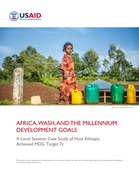
Ethiopia met the MDG target for drinking water access with a unique and high degree of success. The magnitude of the country’s success in providing improved drinking water to nearly half of its population in 25 years despite its diversity, size, and challenges cannot be overstated. This case study
...
documents the progress of the Ethiopian WASH sector from 1990 to 2015, and analyzes the impact of local systems created in Ethiopia to respond to water and sanitation challenges.
more

Journal of the International AIDS Society, Volume 20, Issue 1 (2017)21796
Qualitative research on HIV self testing among men who have sex with men and transgender women in Yangon, Mynamar.
Global effort to increase early diagnosis and engagement in HIV care emphasize the importance ... of developing novel approaches to reaching those missed by traditional methods. Such needs are particularly great for men who have sex with men (MSM), transgender women (TW), and other populations who face stigma. Myanmar's HIV epidemic is concentrated among key populations and the revised National Strategy aims to reduce late diagnosis and barriers to care to curb HIV incidence among these groups. HIV self‐testing (HIVST) may be one method to improve testing and diagnosis among key populations, by placing HIV testing and disclosure within the individual's control.
https://doi.org/10.7448/IAS.20.01.21796 more
Qualitative research on HIV self testing among men who have sex with men and transgender women in Yangon, Mynamar.
Global effort to increase early diagnosis and engagement in HIV care emphasize the importance ... of developing novel approaches to reaching those missed by traditional methods. Such needs are particularly great for men who have sex with men (MSM), transgender women (TW), and other populations who face stigma. Myanmar's HIV epidemic is concentrated among key populations and the revised National Strategy aims to reduce late diagnosis and barriers to care to curb HIV incidence among these groups. HIV self‐testing (HIVST) may be one method to improve testing and diagnosis among key populations, by placing HIV testing and disclosure within the individual's control.
https://doi.org/10.7448/IAS.20.01.21796 more

Non-Wood Forest Products 11
Traditional medicine and its use of medicinal plants is dependent on reliable supply of plant materials. The book focuses on the interface between medicinal plant use and conservation of medicinal plants.

An action research conducted in Bang Shau village Northern Shan State, Myanmar
Journal of the International AIDS Society Vol. 21 (2018) e25133
Many prevention of mother-to-child HIV transmission programmes across Africa initiate HIV-infected (HIV positive) pregnant women on lifelong antiretroviral therapy (ART) on the first day of antenatal care (“same-day” initiation ... ). However, there are concerns that same-day initiation may limit patient preparation before starting ART and contribute to subsequent non-adherence, disengagement from care and raised viral load. We examined if same-day initiation was associated with viral suppression and engagement in care during pregnancy.
The data suggest that same-day ART initiation during pregnancy is not associated with lower levels of engagement in care or viral suppression through 12 months post-delivery in this setting, providing reassurance to ART programmes implementing Option B+.
https://doi.org/10.1002/jia2.25133 more
Many prevention of mother-to-child HIV transmission programmes across Africa initiate HIV-infected (HIV positive) pregnant women on lifelong antiretroviral therapy (ART) on the first day of antenatal care (“same-day” initiation ... ). However, there are concerns that same-day initiation may limit patient preparation before starting ART and contribute to subsequent non-adherence, disengagement from care and raised viral load. We examined if same-day initiation was associated with viral suppression and engagement in care during pregnancy.
The data suggest that same-day ART initiation during pregnancy is not associated with lower levels of engagement in care or viral suppression through 12 months post-delivery in this setting, providing reassurance to ART programmes implementing Option B+.
https://doi.org/10.1002/jia2.25133 more
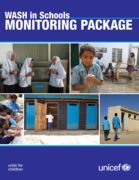
The package is designed to help address the WASH in Schools monitoring deficit at the national level.
The package consists of three modules:
The EMIS module: a set of basic monitoring questions on WASH in Schools to be incorporated into national Education Monitoring Information Syst ... ems (EMIS), usually administered annually;
The survey module: a more comprehensive set of questions, observations and focus group discussion guidelines for use in national WASH in Schools surveys as well as for sub-national, project level or thematic surveys;
The children’s monitoring module: a teacher’s guide and tool set for the monitoring of WASH in Schools by students, including observation checklists, survey questions and special monitoring exercises. more
The package consists of three modules:
The EMIS module: a set of basic monitoring questions on WASH in Schools to be incorporated into national Education Monitoring Information Syst ... ems (EMIS), usually administered annually;
The survey module: a more comprehensive set of questions, observations and focus group discussion guidelines for use in national WASH in Schools surveys as well as for sub-national, project level or thematic surveys;
The children’s monitoring module: a teacher’s guide and tool set for the monitoring of WASH in Schools by students, including observation checklists, survey questions and special monitoring exercises. more

World report on child injury prevention
World Health Organization (WHO), the United Nations Children’s Fund (UNICEF)
Peden, Margie et al.
(2008)
C_WHO
Every year, around 830 000 children die from unintentional or "accidental" injuries. The vast majority of these injuries occur in low-income and middle-income countries. However, dozens of prevention strategies and programmes exist. If they were integrated into other child survival programmes and im
...
plemented on a larger scale, many of these deaths and much of the injury-related disability could be prevented.
The report documents the magnitude, risks and prevention measures for child injuries globally –particularly for drowning, burns, road traffic injuries, falls and poisoning. more
The report documents the magnitude, risks and prevention measures for child injuries globally –particularly for drowning, burns, road traffic injuries, falls and poisoning. more
Rapport mondial sur la prévention des traumatismes chez l’enfant
Organisation mondiale de la Santé (OMS), Fonds des Nations Unies pour l’enfance (UNICEF)
Peden, Margie et al.
(2008)
C_WHO
Plus de 2000 enfants meurent chaque jour des suites de traumatismes involontaires ou accidentels. Chaque année des dizaines de milliers d'autres sont hospitalisés pour des blessures qui les laissent souvent handicapés à vie.
Ce rapport conjoint de l'OMS et de l'UNICEF établit le premier b ... ilan mondial des principales causes à l'origine des traumatismes involontaires touchant des enfants: les accidents de la route, les noyades, les brûlures, les chutes et les empoisonnements. more
Ce rapport conjoint de l'OMS et de l'UNICEF établit le premier b ... ilan mondial des principales causes à l'origine des traumatismes involontaires touchant des enfants: les accidents de la route, les noyades, les brûlures, les chutes et les empoisonnements. more

A two-week mission was conducted by WASH and quality UHC technical experts from WHO headquarters and supported by the WHO Ethiopia Country Office (WASH and health systems teams) in July 2016, to understand how change in WASH services and quality improvements have been implemented in Ethiopia at nati
...
onal, sub-national and facility levels; to document existing activities; and through the “joint lens” of quality UHC and WASH, to identify and seek to address key bottlenecks in specific areas including leadership, policy/financing, monitoring and evaluation, evidence application and facility improvements. Ethiopia has implemented a number of innovative and successful interventions.
more
Ensuring reproductive rights for all

Report on Main Findings
The review encompasses three complementary components: 1) a review of published literature 2000-2015 on NCDs and their risk factors; 2) qualitative interviews with key actors engaged in NCD research in Myanmar; and 3) additional reviews of Myanmar ethical committee inqui ... ries and postgraduate research on NCDs in Myanmar. This report outlines the key findings from the three components including a synthesis of the key outcomes from the literature review and qualitative interviews, and an assessment of the gaps in the evidence against a framework of evidence needs. more
The review encompasses three complementary components: 1) a review of published literature 2000-2015 on NCDs and their risk factors; 2) qualitative interviews with key actors engaged in NCD research in Myanmar; and 3) additional reviews of Myanmar ethical committee inqui ... ries and postgraduate research on NCDs in Myanmar. This report outlines the key findings from the three components including a synthesis of the key outcomes from the literature review and qualitative interviews, and an assessment of the gaps in the evidence against a framework of evidence needs. more

Together we can Prevent and Control the World's Most Common Diseases
Objectives of the training manual
(1) To improve knowledge of NCD trends, burdens, as well as systems for management and monitoring of NCD services for Township Medical Officers (TMOs), Township Public Health Officers (TP ... HOs), Medical Officers (MOs). The manual can also be used for training of Basic Health staff (BHS), TMOs, TPHOs and MOs,
(2) To equip trainers to train BHS to conduct PEN protocols at the primary care level health centers,
(3) To equip trainers to train in processes to conduct PEN scaling up monitoring , supervision and evaluation activities. more
Objectives of the training manual
(1) To improve knowledge of NCD trends, burdens, as well as systems for management and monitoring of NCD services for Township Medical Officers (TMOs), Township Public Health Officers (TP ... HOs), Medical Officers (MOs). The manual can also be used for training of Basic Health staff (BHS), TMOs, TPHOs and MOs,
(2) To equip trainers to train BHS to conduct PEN protocols at the primary care level health centers,
(3) To equip trainers to train in processes to conduct PEN scaling up monitoring , supervision and evaluation activities. more
Policy Note #2: Myanmar Health Systems in Transition Policy Notes Series
Myanmar is a country in which people’s access to health services is determined more by where they live than their need for care – a situation that is fundamentally inequitable. The challenge is to reduce levels of ineq ... uity between different groups in the population and different geographical areas, and most particularly to ensure that health services reach poor and disadvantaged groups, including minorities and those living in conflict-affected areas. more
Myanmar is a country in which people’s access to health services is determined more by where they live than their need for care – a situation that is fundamentally inequitable. The challenge is to reduce levels of ineq ... uity between different groups in the population and different geographical areas, and most particularly to ensure that health services reach poor and disadvantaged groups, including minorities and those living in conflict-affected areas. more