
Filter
3425
Text search:
educational
quality
Featured
241
889
Language
3346
67
60
38
36
22
14
8
5
5
5
4
3
3
3
2
2
2
2
2
2
1
1
1
1
1
1
1
1
1
1
1
1
1
1
1
1
1
1
1
1
1
1
1
1
1
Document type
1961
634
345
207
136
65
39
19
9
4
3
1
Countries
153
152
100
85
84
83
76
69
69
63
61
57
56
55
50
50
48
46
44
43
39
35
31
28
27
26
25
23
23
22
21
20
20
19
16
16
13
13
13
13
13
12
12
11
11
10
10
10
9
9
9
8
8
8
8
7
7
7
6
6
6
6
6
6
5
5
5
4
4
4
4
4
4
3
3
3
3
3
3
3
3
2
2
2
2
2
2
2
2
2
2
2
2
2
2
2
2
2
2
2
2
2
2
1
1
1
1
1
1
1
1
1
1
1
1
1
1
1
1
1
1
1
1
1
1
1
1
1
1
1
Authors & Publishers
377
124
122
79
74
65
53
52
47
36
32
23
21
21
20
19
19
18
18
18
17
17
17
15
14
14
14
13
13
12
12
12
12
11
11
11
11
10
10
10
10
10
10
10
9
9
9
9
9
9
8
8
8
8
8
8
8
8
8
8
8
7
7
7
7
7
7
7
7
7
7
7
7
7
7
6
6
6
6
6
6
6
6
6
6
6
6
5
5
5
5
5
5
5
5
5
5
5
5
5
5
4
4
4
4
4
4
4
4
4
4
4
4
4
4
4
4
4
4
4
4
4
4
4
4
4
4
4
4
4
4
4
4
3
3
3
3
3
3
3
3
3
3
3
3
3
3
3
3
3
3
3
3
3
3
3
3
3
3
3
3
3
3
3
3
3
3
3
3
3
3
3
3
3
3
3
3
3
3
3
3
3
3
3
3
3
3
3
3
3
3
3
3
3
3
3
3
3
3
3
3
3
3
3
3
3
2
2
2
2
2
2
2
2
2
2
2
2
2
2
2
2
2
2
2
2
2
2
2
2
2
2
2
2
2
2
2
2
2
2
2
2
2
2
2
2
2
2
2
2
2
2
2
2
2
2
2
2
2
2
2
2
2
2
2
2
2
2
2
2
2
2
2
2
2
2
2
2
2
2
2
2
2
2
2
2
2
2
2
2
2
2
2
2
2
2
2
2
2
2
2
2
2
2
2
2
2
2
2
2
2
2
2
2
2
2
2
2
2
2
2
2
2
2
2
2
2
2
2
2
2
2
2
2
2
2
2
2
2
2
2
2
2
2
2
2
2
2
2
2
2
2
2
2
2
2
2
2
2
2
2
2
2
2
2
2
2
2
2
2
2
2
2
2
2
2
2
2
2
2
2
2
2
2
2
2
2
2
2
2
2
2
1
1
1
1
1
1
1
1
1
1
1
1
1
1
1
1
1
1
1
1
1
1
1
1
1
1
1
1
1
1
1
1
1
1
1
1
1
1
1
1
1
1
1
1
1
1
1
1
1
1
1
1
1
1
1
1
1
1
1
1
1
1
1
1
1
1
1
1
1
1
1
1
1
1
1
1
1
1
1
1
1
1
1
1
1
1
1
1
1
1
1
1
1
1
1
1
1
1
1
1
1
1
1
1
1
1
1
1
1
1
1
1
1
1
1
1
1
1
1
1
1
1
1
1
1
1
1
1
1
1
1
1
1
1
1
1
1
1
1
1
1
1
1
1
1
1
1
1
1
1
1
1
1
1
1
1
1
1
1
1
1
1
1
1
1
1
1
1
1
1
1
1
1
1
1
1
1
1
1
1
1
1
1
1
1
1
1
1
1
1
1
1
1
1
1
1
1
1
1
1
1
1
1
1
1
1
1
1
1
1
1
1
1
1
1
1
1
1
1
1
1
1
1
1
1
1
1
1
1
1
1
1
1
1
1
1
1
1
1
1
1
1
1
1
1
1
1
1
1
1
1
1
1
1
1
1
1
1
1
1
1
1
1
1
1
1
1
1
1
1
1
1
1
1
1
1
1
1
1
1
1
1
1
1
1
1
1
1
1
1
1
1
1
1
1
1
1
1
1
1
1
1
1
1
1
1
1
1
1
1
1
1
1
1
1
1
1
1
1
1
1
1
1
1
1
1
1
1
1
1
1
1
1
1
1
1
1
1
1
1
1
1
1
1
1
1
1
1
1
1
1
1
1
1
1
1
1
1
1
1
1
1
1
1
1
1
1
1
1
1
1
1
1
1
1
1
1
1
1
1
1
1
1
1
1
1
1
1
1
1
1
1
1
1
1
1
1
1
1
1
1
1
1
1
1
1
1
1
1
1
1
1
1
1
1
1
1
1
1
1
1
1
1
1
1
1
1
1
1
1
1
1
1
1
1
1
1
1
1
1
1
1
1
1
1
1
1
1
1
1
1
1
1
1
1
1
1
1
1
1
1
1
1
1
1
1
1
1
1
1
1
1
1
1
1
1
1
1
1
1
1
1
1
1
1
1
1
1
1
1
1
1
1
1
1
1
1
1
1
1
1
1
1
1
1
1
1
1
1
1
1
1
1
1
1
1
1
1
1
1
1
1
1
1
1
1
1
1
1
1
1
1
1
1
1
1
1
1
1
1
1
1
1
1
1
1
1
1
1
1
1
1
1
1
1
1
1
1
1
1
1
1
1
1
1
1
1
1
1
1
1
1
1
1
1
1
1
1
1
1
1
1
1
1
1
1
1
1
1
1
1
1
1
1
1
1
1
1
1
1
1
1
1
1
1
1
1
1
1
1
1
1
1
1
1
1
1
1
1
1
1
1
1
1
1
1
1
1
1
1
1
1
1
1
1
1
1
1
1
1
1
1
1
1
1
1
1
1
1
1
1
1
1
1
1
1
1
1
1
1
1
1
1
1
1
1
1
1
1
1
1
1
1
1
1
1
1
1
1
1
1
1
1
1
1
1
1
1
1
1
1
1
1
1
1
1
1
1
1
1
1
1
1
1
1
1
1
1
1
1
1
1
1
1
1
1
1
1
1
1
1
1
1
1
1
1
1
1
1
1
1
1
1
1
1
1
1
1
1
1
1
1
1
1
1
1
1
1
1
1
1
1
1
1
1
1
1
1
1
1
1
1
1
1
1
1
1
1
1
1
1
1
1
1
1
1
1
1
1
1
1
1
1
1
1
1
1
1
1
1
1
1
1
1
1
1
1
1
1
1
1
1
1
1
1
1
1
1
1
1
1
1
1
1
1
1
1
1
1
1
1
1
1
1
1
1
1
1
1
1
1
1
1
1
1
1
1
1
1
1
1
1
1
1
1
1
1
1
1
1
1
1
1
1
1
1
1
1
1
1
1
1
1
1
1
1
1
1
1
1
1
1
1
1
1
1
1
1
1
1
1
1
1
1
1
1
1
1
1
1
1
1
1
1
1
1
1
1
1
1
1
1
1
1
1
1
1
1
1
1
1
1
1
1
1
1
1
1
1
1
1
1
1
1
1
1
1
1
1
1
1
1
1
1
1
1
1
1
1
1
1
1
1
1
1
1
1
1
1
1
1
1
1
1
1
1
1
1
1
1
1
1
1
1
1
1
1
1
1
1
1
1
1
1
1
1
1
1
1
1
1
1
1
1
1
1
1
1
1
1
1
1
1
1
1
1
1
1
1
1
1
1
1
1
1
1
1
1
1
1
1
1
1
1
1
1
1
1
1
1
1
1
1
1
1
1
1
1
1
1
1
1
1
1
1
1
1
1
1
1
1
1
1
1
1
1
1
1
1
1
1
1
1
1
1
1
1
1
1
1
1
1
1
1
1
1
1
1
1
1
1
1
1
1
1
1
1
1
1
1
1
1
1
1
1
1
1
1
1
1
1
1
1
1
1
1
1
1
1
1
1
1
1
1
1
1
1
1
1
1
1
1
1
1
1
1
1
1
1
1
1
1
1
1
1
1
1
1
1
1
1
1
1
1
1
1
1
1
1
1
1
1
1
1
1
1
1
1
1
1
1
1
1
1
1
1
1
1
1
1
1
1
1
1
1
1
1
1
1
1
1
1
1
1
1
1
1
1
1
1
1
1
1
1
1
1
1
1
1
1
1
1
1
1
1
1
1
1
1
1
1
1
1
1
1
1
1
1
1
1
1
1
1
1
1
1
1
1
1
1
1
1
1
1
1
1
1
1
1
1
1
1
1
1
1
1
1
1
1
1
1
1
1
1
1
1
1
1
1
1
1
1
1
1
1
1
1
1
1
1
1
1
1
1
1
1
1
1
1
1
1
1
1
1
1
1
1
1
1
1
1
1
1
1
1
1
1
1
1
1
1
1
1
1
1
1
1
1
1
1
1
1
1
1
1
1
1
1
1
1
1
1
1
1
1
1
1
1
1
1
1
1
1
1
1
1
1
1
1
1
1
1
1
1
1
1
1
1
1
1
1
1
1
1
1
1
1
1
1
1
1
1
1
1
1
1
1
1
1
1
1
1
1
1
1
1
1
1
1
1
1
1
1
1
1
1
1
1
1
1
1
1
1
1
1
1
1
1
1
1
1
1
1
1
1
1
1
1
1
1
1
1
1
1
1
1
1
1
1
1
1
1
1
1
1
1
1
1
1
1
1
1
1
1
1
1
1
1
1
1
1
1
1
1
1
1
1
1
1
1
1
1
1
1
1
1
1
1
1
1
1
1
1
1
1
1
1
1
1
1
1
1
1
1
1
1
1
1
1
1
1
1
1
1
1
1
1
1
1
1
1
1
1
1
1
1
1
1
1
1
1
1
1
1
1
1
1
1
1
1
1
1
1
1
1
1
1
1
1
1
1
1
1
1
1
1
1
1
1
1
1
1
1
1
1
1
1
1
1
1
1
1
1
1
1
1
1
1
1
1
1
1
1
1
1
1
1
1
1
1
1
1
1
1
1
1
1
1
1
1
1
1
1
1
1
1
1
1
1
1
1
1
1
1
1
1
1
1
1
1
1
1
1
1
1
1
1
1
1
1
1
1
1
1
1
1
1
1
1
1
1
1
1
1
1
1
1
1
1
1
1
1
1
1
1
1
1
1
1
1
1
1
1
1
1
1
1
1
1
1
1
1
1
1
1
1
1
1
1
1
1
1
1
1
1
1
1
1
1
1
1
1
1
1
1
1
1
1
1
1
1
1
1
1
1
1
1
1
1
1
1
1
1
1
1
1
1
1
1
1
1
1
1
1
1
1
1
1
1
1
1
1
1
1
1
1
1
1
1
1
1
1
1
1
1
1
1
1
1
1
1
1
1
1
1
1
1
1
1
1
1
1
1
1
1
1
1
1
1
1
1
1
1
1
1
1
1
1
1
1
1
1
1
1
1
1
1
1
1
1
1
1
1
1
1
1
1
1
1
1
1
1
1
1
1
1
1
1
1
1
1
1
1
1
1
1
1
1
1
1
1
1
1
1
1
1
1
1
1
1
1
1
1
1
1
1
1
1
1
1
1
1
1
1
1
1
1
1
1
1
1
1
1
1
1
1
1
1
1
1
1
1
1
1
1
1
1
1
1
1
1
1
1
1
1
1
1
1
1
1
1
1
1
1
1
1
1
1
1
1
1
1
1
1
1
1
1
1
1
1
1
1
1
1
1
1
1
1
1
1
1
1
1
1
1
1
1
1
1
1
1
1
1
1
1
1
1
1
1
1
1
1
1
1
1
1
1
1
1
1
1
1
1
1
1
1
1
1
1
1
1
1
1
1
1
1
1
1
1
1
1
1
1
1
1
1
1
1
1
1
1
1
1
1
1
1
1
1
1
1
1
1
1
1
1
1
1
1
1
1
1
1
1
1
1
1
1
1
1
1
1
1
1
1
1
1
1
1
1
1
1
1
1
1
1
1
1
1
1
1
1
1
1
1
1
1
1
1
1
1
1
1
1
1
1
1
1
1
1
1
1
1
1
1
1
1
1
1
1
1
1
1
1
1
1
1
1
1
1
1
1
1
1
1
1
1
1
1
1
1
1
1
1
1
1
1
1
1
1
1
1
1
1
1
1
1
1
1
1
1
1
1
1
1
1
1
1
1
1
1
1
1
1
1
1
1
1
1
1
1
1
1
1
1
1
1
1
1
1
1
1
1
1
1
1
1
1
1
1
1
1
1
1
1
1
1
1
1
1
1
1
1
1
1
1
1
1
1
1
1
1
1
1
1
1
1
1
1
1
1
1
1
1
1
1
1
1
1
1
1
1
1
1
1
1
1
1
1
1
1
1
1
1
1
1
1
1
1
1
1
1
1
1
1
1
1
1
1
1
1
1
1
1
1
1
1
1
1
1
1
1
1
1
1
1
1
1
1
1
1
1
1
1
1
1
1
1
1
1
1
1
1
1
1
1
1
1
1
1
1
1
1
1
1
1
1
1
1
1
1
1
1
1
1
1
1
1
1
1
1
1
1
1
1
1
1
1
1
1
1
1
1
1
1
1
1
1
1
1
1
1
1
1
1
1
1
1
1
1
1
1
1
1
1
1
1
1
1
1
1
1
1
1
1
1
1
1
1
1
1
1
1
1
1
1
1
1
1
1
1
1
1
1
1
1
1
1
1
1
1
1
1
1
1
1
1
1
1
1
1
1
1
1
1
1
1
1
1
1
1
1
1
1
1
1
1
1
1
1
1
1
1
1
1
1
1
1
1
1
1
1
1
1
1
1
1
1
1
1
1
1
1
1
1
1
1
1
1
1
1
1
1
1
1
1
1
1
1
1
1
1
1
1
1
1
1
1
1
1
1
1
1
1
1
1
1
1
1
1
1
1
1
1
1
1
1
1
1
1
1
1
1
1
1
1
1
1
1
1
1
1
1
1
1
1
1
1
1
1
1
1
1
1
1
1
1
1
1
1
1
1
1
1
1
1
1
1
1
1
1
1
1
1
1
1
1
1
1
1
1
1
1
1
1
1
1
1
1
1
1
1
1
1
1
1
1
1
1
1
1
1
1
1
1
1
1
1
1
1
1
1
1
1
1
1
1
1
1
1
1
1
1
1
1
1
1
1
1
1
1
1
1
1
1
1
1
1
1
1
1
1
1
1
1
1
1
1
1
1
1
1
1
1
1
1
1
1
1
1
1
1
1
1
1
1
1
1
1
1
1
1
1
1
1
1
1
1
1
1
1
1
1
1
1
1
1
1
1
1
1
1
1
1
1
1
1
1
1
1
1
1
1
1
1
1
1
1
1
1
1
1
1
1
1
1
1
1
1
1
1
1
1
1
1
1
1
1
1
1
1
1
1
1
1
1
1
1
1
1
1
1
1
1
1
1
1
1
1
1
1
1
1
1
1
1
1
1
1
1
1
1
1
1
1
1
1
1
1
1
1
1
1
1
1
1
1
1
1
1
1
1
1
1
1
1
1
1
1
1
1
1
1
1
1
1
1
1
1
1
1
1
1
1
1
1
1
1
1
1
1
1
1
1
Publication Years
867
2169
371
15
2
1
Category
1366
237
225
192
182
80
11
3
Toolboxes
410
292
177
157
128
111
101
101
91
86
74
73
68
48
44
42
40
31
22
22
18
13
11
9
8
3
1

The State of the world’s nursing 2020 report provides the latest, most up-to-date evidence on and policy options for the global nursing workforce. It also presents a compelling case for considerable – yet feasible – investment in nursing education, jobs, and leadership.
The primary chapters
...
of the report outline the role and contributions of nurses with respect to the WHO “triple billion” targets; the health labour market and workforce policy levers to address the challenges to nurses working to their full potential; the findings from analysis of National Health Workforce Account (NHWA) data from 191 Member States and progress in relation to the projected shortfall of nurses by 2030; and forward-looking policy options for an agenda to strengthen the nursing workforce to deliver the Sustainable Development Goals, improve health for all, and strengthen the primary health care workforce on our journey towards universal health coverage.
more
Infection Prevention and Control Programmes
January 2020
Considerations for implementing and adjusting public health and social measures in the context of COVID-19
recommended
interim guidance, 14 June 2021
This document is intended for national authorities and decision makers in countries that have introduced large scale public health and social measures. It offers guidance for adjusting public health and social measures, while managing the risk of a resurgence of cases
...
.
Available in English, Arabic, Chinese, French, Russian and Spanish
more
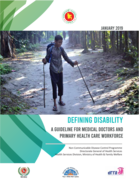
Defining Disability - A Guideline for Medical Doctors and Primary Health Care Workforce
Prof. AHM E. Hussain; Dr. N. Mohammad; Dr. Md. R. Karim; et al.
Government of the People's Republic of Bangladesh DGHS Directorate General of Health Services Ministry of Health and Family Welfare ; NCDC; drra; et al.
(2019)
C2
January 2019
Non Communicable Disease Control Programme Directorate General of Health Services Health Services Division, Ministry of Health & Family Welfare

Kenya reported its first case of COVID-19 on 12 March 2020 and, as at 7 April 2020, 172 cases had been confirmed and 6 deaths reported. The Government of Kenya has taken a number of measures to curb the spread of the virus, including implementing a curfew, restricting movement out and into four coun
...
ties, including Nairobi Metropolitan, and closing most of the urban and rural markets to enforce social distancing. However, these measures, along with the global economic shock caused by the pandemic, are expected to generate new needs, requiring an immediate and urgent response.
more

WHO's Department for HIV, Tuberculosis, Hepatitis and Sexually Transmitted Infections (STIs) has consolidated all existing normative guidance on STIs into a single publication. Structured around 10 chapters that follow the STI prevention and care cascade, the handbook covers primary prevention, synd
...
romic management and asymptomatic case identification, diagnostics, treatment, partner management, surveillance, service delivery, and integration within primary health care, community-based clinics, or other platforms (HIV, sexual health, antenatal clinics, etc).
more
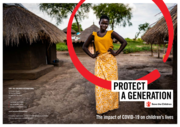
An estimated 99% of children worldwide – or more than 2.3 billion children – live in one of the 186 countries that have implemented some form of restrictions due to COVID-191. Although children are not at a high risk of direct harm from the virus, they are disproportionately affected by its hid
...
den impacts.
more
In response to the COVID-19 outbreak, this guidance provides information on infection and prevention control (IPC) for older people, their friends and families, carers, and healthcare providers. Anyone who manages, works, volunteers or provides care at any type of facilities where older people recei
...
ve care at (long-term care facilities, non-acute care facilities, and home care services), should practice strict IPC to prevent and control COVID-19 outbreaks. It has been observed in different countries that older people have higher case-fatality rate compared to other age groups. Therefore, it is especially important to implement and follow IPC measures at facilities, homes, and other venues that older people frequent.
more
Severe cases of COVID-19 are associated with rehabilitation needs related to the consequences of ventilatory support, and prolonged immobilization and bed rest. These may include: − Impaired lung function; − Physical deconditioning and muscle weakness; − Delirium and other cognitive impairment
...
s; − Impaired swallow and communication; and − Mental health disorders and psychosocial support needs. − Rehabilitation needs may be amplified by underlying health conditions and decrements in health associated with ageing, − Rehabilitation professionals play an important role in facilitating early discharge, which is especially critical in the context of hospital bed shortages. − Rehabilitation needs of people with severe COVID-19 exist during the acute, sub-acute and long-term phases of care; rehabilitation professionals should be positioned in ICUs, hospital wards, stepdown facilities and in the community. − Particularly in the acute phase, rehabilitation interventions for patients with severe COVID-19 requiring ventilatory support generally require a particular skill-set acquired through specialist training.
more
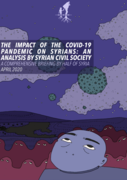
A comprehensive briefing by Half of Syria
April 2020
A comprehensive briefing on the critical challenges of the COVID-19 pandemic to Syrians, as reported by Syrian civil society organisations. These challenges have been collated following extensive interviews with the teams of member and partner
...
organisations working in the field in various sectors: health, child care, education, women’s empowerment, media and culture, research, human rights and accountability, relief and social services, and local governance.
This comprehensive briefing also include concrete recommendations formulated by the Syrian civil society.
more
School health programmes are the most cost-effective way to influence health behaviours in young people. The purpose of this two-part handbook is to support schools as they seek to implement interventions in order to reduce the main modifiable risk behaviours for noncommunicable disea
...
ses. This Practical application handbook provides advice to schools on providing young people with the knowledge, attitudes, beliefs and life skills necessary for making informed decisions, and creating a healthy school environment that can reduce the risk of NCDs
more
South Africa reported it fist case of COVID-19 on 5 March 2020. While the first cases were imported, local transmission has led to a rapid increase in the number of cases. As of 21 April 2020, more than 3,400 cases and 58 deaths had been confirmed. On 15 March, President Cyril Ramaphosa declared a n
...
ational state of disaster, and the government has since taken several measures to curb the spread of the virus, including closing borders, implementing strict social distancing measures and a 35-day nation-wide lockdown. These measures, along with the global economic shock caused by the pandemic, are expected to generate rising needs requiring an immediate and urgent response. Although South Africa is considered an upper-middle-income country, the amount of disparities—social, economic, and gender—make the country particularly vulnerable during this emergency.
more

Coronavirus Disease-19 (COVID-19) was declared a global pandemic on 11 March 2020, and Malawi declared its first case on 2 April. As of 30 April, there were 36 confirmed positive cases of COVID-19 and 3 deaths. A State of Disaster was declared by President Arthur Peter Mutharika on 20 March and a 21
...
-day lockdown was implemented from 18 April to 9 May. The lockdown measures include: bans on public gatherings; closure of schools; and bans on international flights and cross-border passenger buses.
more
This technical brief was developed by the UNFPA Global Ageing Network to complement the UN Department of Economic and Social Affairs' (UN DESA) Issue Brief: Older Persons and COVID-19, which emphasized the humanitarian imperative of addressing older persons' specific needs within preparedness and re
...
sponse to the COVID-19 pandemic.
more
Afghanistan has one of the largest populations per capita of persons with disabilities in the world. At least one in five Afghan households includes an adult or child with a serious physical, sensory, intellectual, or psychosocial disability. More than 40 years of war have left more than one million
...
Afghans with amputated limbs and other mobility, visual, or hearing disabilities. Many Afghans have psychosocial disabilities (mental health conditions) such as depression, anxiety, and post-traumatic stress, which are often a direct result of the protracted conflict. Other Afghans have pre-existing disabilities not directly related to the conflict, such as those caused by polio.
more

The Government of Republic of Zambia reported the first confirmed cases of COVID-19 on 18th March 2020. As of April 27th, 2020, there were 89 confirmed cases, three deaths and 42 recoveries. Confirmed cases are located in three provinces: Lusaka (83 cases), Copperbelt province (5 cases) and Central
...
(1 case). Zambia introduced a series of measures including closure of three international airports, closure of all schools, movement restrictions and closure of non-essential services such as restaurant, bar, gym and public gatherings to curb the transmission rate.
more
RMRP 2020 - Regional Refugee and Migrant Response Plan for Refugees and Migrants from Venezuela 2020
The Venezuelan refugee and migrant crisis is one of the biggest external displacement crises in the world today. The COVID-19 pandemic has compounded an already desperate situation for many refugees and migrants, as well as their hosts, sorely testing health and social welfare systems and the abilit
...
y of countries to assist the vulnerable population.
more
It is too early to know the full impact of COVID-19 on Africa. To date the experience has been varied. There are causes for concern, but also reasons for hope. Early estimates were pessimistic regarding the pandemic’s impact on the continent. But the relatively low numbers of COVID-19 cases report
...
ed thus far have raised hopes that African countries may be spared the worst of the pandemic. While the virus is present in all African countries, most countries have recorded fewer than 1,000 cases. The African Union acted swiftly, endorsing a joint continental strategy in February, and complementing efforts by Member States and Regional Economic Communities by providing a public health platform.
more

This guidance note is meant to assist humanitarian actors, youth-led organizations, and young people themselves across sectors, working at local, country, regional, and global levels in their response to the novel coronavirus pandemic. It begins diagnostically, exploring the impacts of coronavirus d
...
isease (COVID-19) on young people. It then proposes a series of actions that practitioners and young people can take to ensure that COVID-19 preparedness, response plans and actions, are youth-inclusive and youth-focused – with and for young people. Recommendations are structured around the five key actions of the Compact for Young People in Humanitarian Action: services, participation, capacity, resources, and data. Where available, the recommended actions are accompanied by resources and concrete examples, which can inform approaches and support implementation
more
