
Filter
1495
Text search:
tobacco
use
Featured
109
385
Language
Document type
813
326
149
67
51
36
17
9
9
9
3
3
2
Countries
133
112
57
35
35
34
29
26
26
26
26
25
24
23
23
23
23
22
21
21
20
18
17
16
14
13
12
12
10
9
9
8
8
7
7
6
6
6
6
5
5
5
5
4
4
4
4
4
3
3
3
3
3
3
3
3
3
3
3
3
3
2
2
2
2
2
2
2
2
2
2
2
2
2
2
2
2
2
1
1
1
1
1
1
1
1
1
1
1
1
1
1
1
1
1
1
1
Authors & Publishers
Publication Years
Category
684
191
107
57
29
14
3
Toolboxes
221
180
97
57
52
48
34
33
22
16
15
14
8
6
6
6
5
5
4
3
3
3
3
2
1
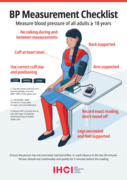
These are one pagers for the NCD staff to refer as check points during measuring blood pressure for 18 year & above or 30 years & above patients based on the state's requirement
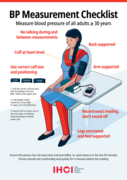
These are one pagers for the NCD staff to refer as check points during measuring blood pressure for 18 year & above or 30 years & above patients based on the state's requirement.
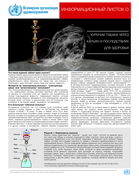
информационный листок о курении табака через кальян и последствиях для здоровья
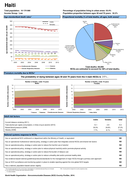
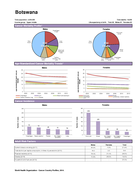
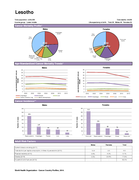
World Health Organization - Cancer Country Profiles, 2014.
The World Health Organization (WHO) Global Status Report on Noncommunicable Diseases 2010 projects that noncommunicable diseases (NCDs) will be responsible for over 44 million deaths during the next decade, representing an increase of about 15% since 2010. Most of these deaths will occur in the WHO
...
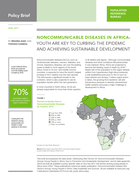
Policy Brief | April 2015 | This brief accompanies the data sheet, Addressing Risk Factors for Noncommunicable Diseases Among Young People in Africa: Key to Prevention and Sustainable Development, and its data appendix, which provide all available country-specific data on four key NCD risk factors a
...
This revision covers the main non-communicable diseases in Mozambique as well as the National Strategic Plan's aim to create a positive environment to minimize or eliminate the exposure to risk factors and guarantee access to care.
The Ministry of Health conducted STEPS surveys on adult risk factors surveillance in Myanmar in 2003, 2009 and 2014. Amongst these three surveys, the 2014 one is the most comprehensive, providing an analysis of all States and Regions within Myanmar through not only questionnaires and physical measur
...
Together we can Prevent and Control the World's Most Common Diseases
Objectives of the training manual
(1) To improve knowledge of NCD trends, burdens, as well as systems for management and monitoring of NCD services for Township Medical Officers (TMOs), Township Public Health Officers (TP ...
Objectives of the training manual
(1) To improve knowledge of NCD trends, burdens, as well as systems for management and monitoring of NCD services for Township Medical Officers (TMOs), Township Public Health Officers (TP ...

It provides insight into WHO’s work that aims to improve the health of the people of the United Republic of Tanzania in collaboration with key stakeholders.
