
Filter
2045
Text search:
non-communicable
diseases
Featured
115
431
Language
1961
143
115
98
95
73
39
22
10
9
9
7
7
6
6
5
5
3
2
1
1
1
1
1
1
1
1
1
1
1
1
1
Document type
755
592
205
118
104
54
46
44
42
28
17
15
13
11
1
Countries
434
104
85
76
64
47
36
34
33
33
33
31
31
30
29
27
26
26
24
24
21
20
19
18
18
17
17
16
13
11
11
9
8
7
7
7
7
7
6
6
6
5
5
5
5
5
5
5
4
4
4
4
4
4
4
4
4
3
3
3
3
3
3
3
3
3
3
2
2
2
2
2
2
2
2
2
2
2
2
2
1
1
1
1
1
1
1
1
1
1
1
1
1
1
1
1
1
1
1
1
1
1
1
1
1
1
1
1
1
Authors & Publishers
216
122
109
69
41
24
18
16
15
14
13
13
13
12
11
11
11
10
10
10
10
9
9
9
8
8
8
8
8
8
8
8
8
8
7
7
7
7
7
7
6
6
6
6
6
6
6
6
6
6
6
6
6
6
5
5
5
5
5
5
5
5
5
5
5
5
5
5
4
4
4
4
4
4
4
4
4
4
4
4
4
4
4
4
4
4
4
4
4
4
4
4
4
4
4
4
4
4
4
4
3
3
3
3
3
3
3
3
3
3
3
3
3
3
3
3
3
3
3
3
3
3
3
3
3
3
3
3
3
3
3
3
3
3
3
3
3
3
3
3
3
3
3
3
3
3
3
3
3
3
3
3
3
3
3
3
3
3
3
3
3
3
3
3
3
2
2
2
2
2
2
2
2
2
2
2
2
2
2
2
2
2
2
2
2
2
2
2
2
2
2
2
2
2
2
2
2
2
2
2
2
2
2
2
2
2
2
2
2
2
2
2
2
2
2
2
2
2
2
2
2
2
2
2
2
2
2
2
2
2
2
2
2
2
2
2
2
2
2
2
2
2
2
2
2
2
2
2
2
2
2
2
2
2
2
2
2
2
2
2
2
2
2
2
2
2
2
2
2
2
2
2
2
2
2
2
2
2
2
2
2
2
2
2
2
2
2
2
2
2
2
2
2
2
2
2
2
2
2
2
2
2
2
2
2
2
2
2
2
2
2
2
2
1
1
1
1
1
1
1
1
1
1
1
1
1
1
1
1
1
1
1
1
1
1
1
1
1
1
1
1
1
1
1
1
1
1
1
1
1
1
1
1
1
1
1
1
1
1
1
1
1
1
1
1
1
1
1
1
1
1
1
1
1
1
1
1
1
1
1
1
1
1
1
1
1
1
1
1
1
1
1
1
1
1
1
1
1
1
1
1
1
1
1
1
1
1
1
1
1
1
1
1
1
1
1
1
1
1
1
1
1
1
1
1
1
1
1
1
1
1
1
1
1
1
1
1
1
1
1
1
1
1
1
1
1
1
1
1
1
1
1
1
1
1
1
1
1
1
1
1
1
1
1
1
1
1
1
1
1
1
1
1
1
1
1
1
1
1
1
1
1
1
1
1
1
1
1
1
1
1
1
1
1
1
1
1
1
1
1
1
1
1
1
1
1
1
1
1
1
1
1
1
1
1
1
1
1
1
1
1
1
1
1
1
1
1
1
1
1
1
1
1
1
1
1
1
1
1
1
1
1
1
1
1
1
1
1
1
1
1
1
1
1
1
1
1
1
1
1
1
1
1
1
1
1
1
1
1
1
1
1
1
1
1
1
1
1
1
1
1
1
1
1
1
1
1
1
1
1
1
1
1
1
1
1
1
1
1
1
1
1
1
1
1
1
1
1
1
1
1
1
1
1
1
1
1
1
1
1
1
1
1
1
1
1
1
1
1
1
1
1
1
1
1
1
1
1
1
1
1
1
1
1
1
1
1
1
1
1
1
1
1
1
1
1
1
1
1
1
1
1
1
1
1
1
1
1
1
1
1
1
1
1
1
1
1
1
1
1
1
1
1
1
1
1
1
1
1
1
1
1
1
1
1
1
1
1
1
1
1
1
1
1
1
1
1
1
1
1
1
1
1
1
1
1
1
1
1
1
1
1
1
1
1
1
1
1
1
1
1
1
1
1
1
1
1
1
1
1
1
1
1
1
1
1
1
1
1
1
1
1
1
1
1
1
1
1
1
1
1
1
1
1
1
1
1
1
1
1
1
1
1
1
1
1
1
1
1
1
1
1
1
1
1
1
1
1
1
1
1
1
1
1
1
1
1
1
1
1
1
1
1
1
1
1
1
1
1
1
1
1
1
1
1
1
1
1
1
1
1
1
1
1
1
1
1
1
1
1
1
1
1
1
1
1
1
1
1
1
1
1
1
1
1
1
1
1
1
1
1
1
1
1
1
1
1
1
1
1
1
1
1
1
1
1
1
1
1
1
1
1
1
1
1
1
1
1
1
1
1
1
1
1
1
1
1
1
1
1
1
1
1
1
1
1
1
1
1
1
1
1
1
1
1
1
1
1
1
1
1
1
1
1
1
1
1
1
1
1
1
1
1
1
1
1
1
1
1
1
1
1
1
1
1
1
1
1
1
1
1
1
1
1
1
1
1
1
1
1
1
1
1
1
1
1
1
1
1
1
1
1
1
1
1
1
1
1
1
1
1
1
1
1
1
1
1
1
1
1
1
1
1
1
1
1
1
1
1
1
1
1
1
1
1
1
1
1
1
1
1
1
1
1
1
1
1
1
1
1
1
1
1
1
1
1
1
1
1
1
1
1
1
1
1
1
1
1
1
1
1
1
1
1
1
1
1
1
1
1
1
1
1
1
1
1
1
1
1
1
1
1
1
1
1
1
1
1
1
1
1
1
1
1
1
1
1
1
1
1
1
1
1
1
1
1
1
1
1
1
1
1
1
1
1
1
1
1
1
1
1
1
1
1
1
1
1
1
1
1
1
1
1
1
1
1
1
1
1
1
1
1
1
1
1
1
1
1
1
1
1
1
1
1
1
1
1
1
1
1
1
1
1
1
1
1
1
1
1
1
1
1
1
1
1
1
1
1
1
1
1
1
1
1
1
1
1
1
1
1
1
1
1
1
1
1
1
1
1
1
1
1
1
1
1
1
1
1
1
1
1
1
1
1
1
1
1
1
1
1
1
1
1
1
1
1
1
1
1
1
1
1
1
1
1
1
1
1
1
1
1
1
1
1
1
1
1
1
1
1
1
1
1
1
1
1
1
1
1
1
1
1
1
1
1
1
1
1
1
1
1
1
1
1
1
1
1
1
1
1
1
1
1
1
1
1
1
1
1
1
1
1
1
1
1
1
1
1
1
1
1
1
1
1
1
1
1
1
1
1
1
1
1
1
1
1
1
1
1
1
1
1
1
1
1
1
1
1
1
1
1
1
1
1
1
1
1
1
1
1
1
1
1
1
1
1
1
1
1
1
1
1
1
1
1
1
1
1
1
1
1
1
1
1
1
1
1
1
1
1
1
1
1
1
1
1
1
1
1
1
1
1
1
1
1
1
1
1
1
1
1
1
1
1
1
1
1
1
1
1
1
1
1
1
1
1
1
1
1
1
1
1
1
1
1
1
1
1
1
1
1
1
1
1
1
1
1
1
1
1
1
1
1
1
1
1
1
1
1
1
1
1
1
1
1
1
1
1
1
1
1
1
1
1
1
1
1
1
1
1
1
1
1
1
1
1
1
1
1
1
1
1
1
1
1
1
1
1
1
1
1
1
1
1
1
1
1
1
1
1
1
1
1
1
1
1
1
1
1
1
1
1
1
1
1
1
1
1
1
1
1
1
1
1
1
1
1
1
1
1
1
1
1
1
1
1
1
1
1
1
1
1
1
1
1
1
1
1
1
1
1
1
1
1
1
1
1
1
1
1
1
1
1
1
1
1
1
1
1
1
1
1
1
1
1
1
1
1
1
1
1
1
1
1
1
1
1
1
1
1
1
1
1
1
1
1
1
1
1
1
1
1
1
1
1
1
1
1
1
1
1
1
1
1
1
1
1
1
1
1
1
1
1
1
1
1
1
1
1
1
1
1
1
1
1
1
1
1
1
1
1
1
1
1
1
1
1
1
1
1
1
1
1
1
1
1
1
1
1
1
1
1
1
1
1
1
1
1
1
1
1
1
1
1
1
1
1
1
1
1
1
1
1
1
1
1
1
1
1
1
1
1
1
1
1
1
1
1
1
1
1
1
1
1
1
1
1
1
1
1
1
1
1
1
1
1
1
1
1
1
1
1
1
1
1
1
1
1
1
1
1
1
1
1
1
1
1
1
1
1
1
1
1
1
1
1
1
1
1
1
1
1
1
1
1
1
1
1
1
1
1
1
1
1
1
1
1
1
1
1
1
1
1
1
1
1
1
1
1
1
1
1
1
1
1
1
1
1
1
1
1
1
1
1
1
1
1
1
1
1
1
1
1
1
1
1
1
1
1
1
1
1
1
1
1
1
1
1
1
1
1
1
1
1
1
1
1
1
1
1
1
1
1
1
1
1
1
1
1
1
1
1
1
1
1
1
1
1
1
1
1
1
1
1
1
1
1
1
1
1
1
1
1
1
1
1
1
1
1
1
1
1
1
1
1
1
1
1
1
1
1
1
1
1
1
1
1
1
1
1
1
1
1
1
1
1
1
1
1
1
1
1
1
1
1
1
1
1
1
1
1
1
1
1
1
1
1
1
1
1
1
1
1
1
1
1
1
1
1
1
1
1
1
1
1
1
1
1
1
1
1
1
1
1
1
1
1
1
1
1
1
1
1
1
1
1
1
1
1
1
1
1
1
1
1
1
1
1
1
1
1
1
1
1
1
1
1
1
1
1
1
Publication Years
925
1031
86
3
Category
810
635
107
70
55
36
7
1
Toolboxes
752
108
87
70
52
42
42
38
34
27
26
16
14
14
11
10
9
7
5
5
4
3
3
1
1

The document, titled "Prevention and Control of Noncommunicable Diseases: Guidelines for Primary Health Care in Low-Resource Settings," provides the World Health Organization's (WHO) recommendations for managing noncommunicable
...
diseases (NCDs) such as cancer, heart disease, diabetes, and chronic respiratory illnesses in low-resource healthcare settings. It outlines cost-effective interventions for early diagnosis, treatment, and prevention within primary healthcare, focusing on accessible methods for diabetes management, blood pressure control, dietary and lifestyle guidance, and essential medication use. The guidelines aim to support healthcare professionals in delivering effective NCD care where resources are limited, ultimately improving health outcomes and reducing NCD complications.
more

The document, titled "Prevention and Control of Noncommunicable Diseases: Guidelines for Primary Health Care in Low-Resource Settings," provides the World Health Organization's (WHO) recommendations for managing noncommunicable
...
diseases (NCDs) such as cancer, heart disease, diabetes, and chronic respiratory illnesses in low-resource healthcare settings. It outlines cost-effective interventions for early diagnosis, treatment, and prevention within primary healthcare, focusing on accessible methods for diabetes management, blood pressure control, dietary and lifestyle guidance, and essential medication use. The guidelines aim to support healthcare professionals in delivering effective NCD care where resources are limited, ultimately improving health outcomes and reducing NCD complications.
more
The World Health Organization (WHO) has developed the "Implementation Roadmap 2023–2030" to advance the Global Action Plan for the Prevention and Control of Noncommunicable Diseases (NCDs) 2013–2030. This roadmap addresses the recommendations fr
...
om the mid-term evaluation of the original action plan. It outlines strategic directions and priority actions to assist countries in accelerating their responses to NCDs, aiming to achieve Sustainable Development Goal (SDG) target 3.4, which focuses on reducing premature mortality from NCDs by one-third by 2030.
more

The document "Proposed Policy Priorities for Preventing Obesity and Diabetes in the Eastern Mediterranean Region" by WHO EMRO outlines strategies to address high obesity and diabetes rates in the Eastern Mediterranean. It emphasizes population-wide actions, such as reducing fat and sugar intake, pro
...
moting physical activity, and implementing fiscal policies like taxes on unhealthy foods. Key focus areas include reformulating processed foods, encouraging healthy food procurement, and enforcing marketing restrictions on high-fat, sugar, and salt foods. The document highlights the need for multi-sectoral collaboration and phased implementation to improve regional health outcomes and reduce the economic burden of these diseases.
more

The "WHO Package of Essential Noncommunicable (PEN) Disease Interventions for Primary Health Care" provides a set of cost-effective, evidence-based interventions to address noncommunicable diseases (NCDs) such as cardiovascular
...
diseases, diabetes, chronic respiratory diseases, and cancers. Designed for implementation in primary healthcare settings, especially in low-resource environments, the package includes protocols for screening, diagnosis, treatment, and management of these diseases. The document emphasizes an integrated approach, supporting universal health coverage by empowering healthcare workers with practical tools to improve NCD care. It aims to reduce premature mortality from NCDs and enhance global health equity.
more

The coronavirus disease (COVID-19) pandemic exacerbated pre-existing inequalities in the treatment and care of noncommunicable diseases (NCDs). This report examines the effect of the COVID-19 pandemic on access to NCD medicines, and the policies and
...
strategies implemented by countries and health systems to anticipate and mitigate stresses across NCD medicine supply chains. The full range of upstream and downstream impacts are investigated, including: manufacturing; procurement, importation and last mile delivery; patient-level effects through affordability and availability; and the effects on NCD medicine availability by category of disease. The report culminates in recommended actions and interventions for key stakeholders in the NCD pharmaceutical supply chain, including governments, regulatory authorities, manufacturers and the private sector; as well as directions for future research for improving access and supply chain access resilience.
more

"Tackling Noncommunicable Diseases (NCDs), risk factors and mental health during the time of COVID-19" is a series of high-level strategic discussions on transforming the approach to noncommunicable diseas
...
es, its risk factors and mental health as a result of the pandemic in terms of strengthening health systems and services, responding to emergencies, investing to transform the NCD, RF and MH agenda, optimizing partnerships, among others, with a focus on big picture thought leadership.
more
Burden of fungal asthma in Africa: A systematic review and meta-analysis
Kwizera, R.; Musaazi, J.; Meya, D.B.; et al.
PLOS ONE, which is part of the Public Library of Science (PLOS)
(2019)
CC2
Asthma is one of the neglected diseases in Africa with a high prevalence. Allergic fungal diseases have been reported to complicate asthma progression and treatment outcomes. However, data about fun
...
gal asthma and its associated complications are limited in Africa. We aimed to estimate the burden of fungal asthma among adults and children in Africa using a systematic review.
more

A 20-year follow-up study on chronic respiratory effects of exposure to cotton dust
Wang, X-R.; Zhang, H-X.; Sun, B-X.; et al.
European Respiratory Journal, part of the European Respiratory Society (ERS)
(2005)
CC2
The article "A 20-year follow-up study on chronic respiratory effects of exposure to cotton dust" evaluates the long-term impact of cotton dust exposure on respiratory health. It followed a cohort of Chinese cotton and silk workers from 1981 to 2001, comparing lung function and symptoms. Results sho
...
wed that cotton workers experienced greater declines in lung function and persistent respiratory symptoms compared to silk workers. The study found that exposure to airborne endotoxins in cotton dust was strongly linked to chronic respiratory impairment. It highlighted that stopping exposure helped improve lung function, particularly in non-smoking men, while smokers continued to show negative effects.
more
The webpage from the Institute for Health Metrics and Evaluation (IHME) features a podcast discussing chronic respiratory diseases and their global impact. It highlights the growing burden of diseases
...
such as chronic obstructive pulmonary disease (COPD) and asthma worldwide. The podcast provides insights into the challenges faced in managing and preventing these diseases, emphasizing the importance of early diagnosis, public health strategies, and global data to inform healthcare policies. Experts discuss the role of environmental and lifestyle factors in disease prevalence and outline ways to mitigate these risks through improved healthcare and awareness.
more

Silicosis is a group of occupational lung diseases caused by breathing in silica dust. It has been described since ancient times, when miners and stonecutters were exposed to dust containing this crystalline mineral.

About Cystic Fibrosis - What is Cystic Fibrosis?
South Africa Cystic Fibrosis Association (SACFA)
South African Cystic Fibrosis Association (SACFA)
(2024)
CC2
The South African Cystic Fibrosis Association (SACFA) is a non-profit organization dedicated to supporting individuals with cystic fibrosis (CF) in South Africa. Their website provides comprehensive information about CF, including its causes, symptoms, and treatment options. CF is described as an in
...
herited genetic disorder that primarily affects the lungs and pancreas, leading to the production of thick, sticky mucus that can cause severe respiratory and digestive issues. The site emphasizes the importance of early diagnosis and proper management to improve the quality of life for those affected. Additionally, SACFA outlines its mission to raise public awareness, promote medical advancements, and offer support to the CF community through various initiatives and resources.
more

The webpage provides detailed information about asbestosis, a lung disease caused by inhaling asbestos fibers. It outlines various asbestos-related diseases, including benign and malignant pleural conditions as well as lung cancer. Asbestosis is des
...
cribed as a diffuse fibrotic disease of lung tissue resulting from prolonged and intense exposure to asbestos fibers, progressing slowly over time. The page covers the causes, risk factors, and pathology of the disease, highlighting different types of asbestos fibers and their effects on the lungs. It also discusses symptoms, diagnostic procedures, and potential complications, such as the increased risk of lung cancer and mesothelioma. Preventive measures and recommendations for those affected are also included.
more
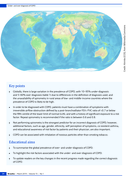
Under- and over-diagnosis of COPD: a global perspective
Ho T., Cusack R.P., Chaudhary N. et al.
Breathe, part of the European Respiratory Society (ERS)
(2019)
CC2
The article "Under- and over-diagnosis of COPD: a global perspective" reviews the worldwide variation in the prevalence of chronic obstructive pulmonary disease (COPD) and issues related to its misdiagnosis. It highlights that COPD is under-diagnosed due to factors such as limited access to spiromet
...
ry and variable diagnostic criteria, especially in low- and middle-income countries. Conversely, over-diagnosis often results from reliance on non-standard criteria or inadequate spirometry use. The article discusses key risk factors, including age, gender, exposure to pollutants, and comorbidities, and emphasizes the need for standardized diagnostic practices to better address and manage COPD globally.
more
The article analyzes the prevalence and risk factors of chronic respiratory diseases, focusing on sub-Saharan Africa. It highlights that environmental exposures, such as biomass fuel usage and air pollution, significantly contribute to respiratory h
...
ealth issues in the region. The research underlines the limited healthcare infrastructure, insufficient diagnostic tools, and the need for comprehensive data collection to better understand the burden of respiratory diseases. The authors advocate for targeted public health interventions, improved access to healthcare, and policies aimed at reducing exposure to risk factors to mitigate the prevalence of respiratory conditions.
more
The article investigates the effectiveness and challenges of remote monitoring systems for chronic respiratory diseases, focusing on COPD and asthma. It reviews various technologies and their potential to improve patient outcomes through better symp
...
tom tracking, medication adherence, and early detection of exacerbations. The study highlights that while remote monitoring has significant potential, challenges such as data accuracy, patient compliance, and integration with existing healthcare systems remain. The authors call for further research to standardize and validate remote monitoring tools and emphasize the need for patient-centric approaches to enhance engagement and adherence.
more
Indoor air pollution is caused by burning solid fuel sources – such as firewood, crop waste, and dung – for cooking and heating.
Burning such fuels, particularly in poor households, results in air pollution that leads to respiratory diseases,
...
which can result in premature death. The WHO calls indoor air pollution "the world's largest single environmental health risk."
more
The Our World in Data webpage on air pollution provides an extensive overview of the global impact of air pollution on health and the environment. It presents data on sources of pollution, such as industry, vehicles, and domestic energy use, and highlights the associated health risks, including resp
...
iratory and cardiovascular diseases. The site emphasizes that air pollution is one of the leading environmental risk factors for premature deaths worldwide, particularly affecting low- and middle-income countries. It also discusses trends in air pollution levels over time and the effectiveness of policy interventions in reducing pollution and improving public health.
more

Chronic obstructive pulmonary disease (COPD) is a term used to describe chronic lung diseases including emphysema and chronic bronchitis. COPD is characterized by breathlessness. Some people with COPD also experience tiredness and chronic cough with
...
or without mucus.
more

Mobile Health for Asthma and Chronic Obstructive Respiratory Disease (mBreatheFreely)
World Health Organization (WHO)
World Health Organization (WHO), International Telecommunication Union (ITU)
(2018)
C_WHO
The document is a handbook on implementing the mBreatheFreely program, an mHealth initiative by the World Health Organization (WHO) and the International Telecommunication Union (ITU) aimed at improving the management of asthma and COPD through mobile technology. It provides a framework for governme
...
nts and policymakers to develop, launch, and evaluate national mHealth programs. The guide covers areas such as operations management, content development, promotion strategies, technology infrastructure, and monitoring and evaluation. It emphasizes the importance of mHealth in enhancing self-management, prevention, and treatment of chronic respiratory diseases, particularly in low- and middle-income countries. The handbook also includes examples of successful programs and practical tools for adaptation and implementation.
more
