
Filter
3081
Text search:
humanitarian
needs
Featured
304
879
Language
2948
92
67
67
36
26
14
14
10
6
5
5
5
5
4
4
4
4
4
4
4
4
3
3
3
3
3
2
2
2
2
2
2
2
2
2
2
2
2
2
2
1
1
1
1
1
1
1
1
1
1
1
1
1
1
Document type
1490
607
331
203
197
96
83
42
13
9
5
2
1
1
Countries
194
158
121
102
77
75
75
71
63
62
60
54
46
45
44
44
43
41
37
36
33
33
33
28
24
24
23
23
22
21
21
21
20
18
18
17
17
17
15
14
14
14
13
13
13
13
13
12
12
11
10
10
9
9
9
9
8
8
8
8
8
7
7
7
7
6
6
6
5
5
4
4
4
4
4
3
3
3
3
3
3
3
3
3
3
3
3
3
2
2
2
2
2
2
2
2
2
2
2
1
1
1
1
1
1
1
1
1
1
1
1
1
1
1
1
1
1
1
1
1
1
1
1
1
1
1
1
1
Authors & Publishers
344
87
84
83
65
61
54
51
45
38
37
36
36
34
31
31
30
28
26
24
21
21
21
19
17
16
16
16
14
14
13
13
13
12
11
11
11
11
10
10
10
9
9
9
9
8
8
8
8
8
8
8
8
8
8
7
7
7
7
7
7
7
7
7
7
7
7
7
6
6
6
6
6
6
6
6
6
6
6
6
6
6
6
6
6
6
6
5
5
5
5
5
5
5
5
5
5
5
5
5
5
5
5
5
5
5
5
5
5
5
5
4
4
4
4
4
4
4
4
4
4
4
4
4
4
4
4
4
4
4
4
4
4
4
4
4
4
3
3
3
3
3
3
3
3
3
3
3
3
3
3
3
3
3
3
3
3
3
3
3
3
3
3
3
3
3
3
3
3
3
3
3
3
3
3
3
3
3
3
3
3
3
3
3
3
3
3
2
2
2
2
2
2
2
2
2
2
2
2
2
2
2
2
2
2
2
2
2
2
2
2
2
2
2
2
2
2
2
2
2
2
2
2
2
2
2
2
2
2
2
2
2
2
2
2
2
2
2
2
2
2
2
2
2
2
2
2
2
2
2
2
2
2
2
2
2
2
2
2
2
2
2
2
2
2
2
2
2
2
2
2
2
2
2
2
2
2
2
2
2
2
2
2
2
2
2
2
2
2
2
2
2
2
2
2
2
2
2
2
2
2
2
2
2
2
2
2
2
2
2
2
2
2
2
2
2
2
2
2
2
2
2
2
2
2
2
2
2
2
2
2
2
2
2
2
2
2
2
2
2
2
2
2
2
2
2
2
2
2
2
2
1
1
1
1
1
1
1
1
1
1
1
1
1
1
1
1
1
1
1
1
1
1
1
1
1
1
1
1
1
1
1
1
1
1
1
1
1
1
1
1
1
1
1
1
1
1
1
1
1
1
1
1
1
1
1
1
1
1
1
1
1
1
1
1
1
1
1
1
1
1
1
1
1
1
1
1
1
1
1
1
1
1
1
1
1
1
1
1
1
1
1
1
1
1
1
1
1
1
1
1
1
1
1
1
1
1
1
1
1
1
1
1
1
1
1
1
1
1
1
1
1
1
1
1
1
1
1
1
1
1
1
1
1
1
1
1
1
1
1
1
1
1
1
1
1
1
1
1
1
1
1
1
1
1
1
1
1
1
1
1
1
1
1
1
1
1
1
1
1
1
1
1
1
1
1
1
1
1
1
1
1
1
1
1
1
1
1
1
1
1
1
1
1
1
1
1
1
1
1
1
1
1
1
1
1
1
1
1
1
1
1
1
1
1
1
1
1
1
1
1
1
1
1
1
1
1
1
1
1
1
1
1
1
1
1
1
1
1
1
1
1
1
1
1
1
1
1
1
1
1
1
1
1
1
1
1
1
1
1
1
1
1
1
1
1
1
1
1
1
1
1
1
1
1
1
1
1
1
1
1
1
1
1
1
1
1
1
1
1
1
1
1
1
1
1
1
1
1
1
1
1
1
1
1
1
1
1
1
1
1
1
1
1
1
1
1
1
1
1
1
1
1
1
1
1
1
1
1
1
1
1
1
1
1
1
1
1
1
1
1
1
1
1
1
1
1
1
1
1
1
1
1
1
1
1
1
1
1
1
1
1
1
1
1
1
1
1
1
1
1
1
1
1
1
1
1
1
1
1
1
1
1
1
1
1
1
1
1
1
1
1
1
1
1
1
1
1
1
1
1
1
1
1
1
1
1
1
1
1
1
1
1
1
1
1
1
1
1
1
1
1
1
1
1
1
1
1
1
1
1
1
1
1
1
1
1
1
1
1
1
1
1
1
1
1
1
1
1
1
1
1
1
1
1
1
1
1
1
1
1
1
1
1
1
1
1
1
1
1
1
1
1
1
1
1
1
1
1
1
1
1
1
1
1
1
1
1
1
1
1
1
1
1
1
1
1
1
1
1
1
1
1
1
1
1
1
1
1
1
1
1
1
1
1
1
1
1
1
1
1
1
1
1
1
1
1
1
1
1
1
1
1
1
1
1
1
1
1
1
1
1
1
1
1
1
1
1
1
1
1
1
1
1
1
1
1
1
1
1
1
1
1
1
1
1
1
1
1
1
1
1
1
1
1
1
1
1
1
1
1
1
1
1
1
1
1
1
1
1
1
1
1
1
1
1
1
1
1
1
1
1
1
1
1
1
1
1
1
1
1
1
1
1
1
1
1
1
1
1
1
1
1
1
1
1
1
1
1
1
1
1
1
1
1
1
1
1
1
1
1
1
1
1
1
1
1
1
1
1
1
1
1
1
1
1
1
1
1
1
1
1
1
1
1
1
1
1
1
1
1
1
1
1
1
1
1
1
1
1
1
1
1
1
1
1
1
1
1
1
1
1
1
1
1
1
1
1
1
1
1
1
1
1
1
1
1
1
1
1
1
1
1
1
1
1
1
1
1
1
1
1
1
1
1
1
1
1
1
1
1
1
1
1
1
1
1
1
1
1
1
1
1
1
1
1
1
1
1
1
1
1
1
1
1
1
1
1
1
1
1
1
1
1
1
1
1
1
1
1
1
1
1
1
1
1
1
1
1
1
1
1
1
1
1
1
1
1
1
1
1
1
1
1
1
1
1
1
1
1
1
1
1
1
1
1
1
1
1
1
1
1
1
1
1
1
1
1
1
1
1
1
1
1
1
1
1
1
1
1
1
1
1
1
1
1
1
1
1
1
1
1
1
1
1
1
1
1
1
1
1
1
1
1
1
1
1
1
1
1
1
1
1
1
1
1
1
1
1
1
1
1
1
1
1
1
1
1
1
1
1
1
1
1
1
1
1
1
1
1
1
1
1
1
1
1
1
1
1
1
1
1
1
1
1
1
1
1
1
1
1
1
1
1
1
1
1
1
1
1
1
1
1
1
1
1
1
1
1
1
1
1
1
1
1
1
1
1
1
1
1
1
1
1
1
1
1
1
1
1
1
1
1
1
1
1
1
1
1
1
1
1
1
1
1
1
1
1
1
1
1
1
1
1
1
1
1
1
1
1
1
1
1
1
1
1
1
1
1
1
1
1
1
1
1
1
1
1
1
1
1
1
1
1
1
1
1
1
1
1
1
1
1
1
1
1
1
1
1
1
1
1
1
1
1
1
1
1
1
1
1
1
1
1
1
1
1
1
1
1
1
1
1
1
1
1
1
1
1
1
1
1
1
1
1
1
1
1
1
1
1
1
1
1
1
1
1
1
1
1
1
1
1
1
1
1
1
1
1
1
1
1
1
1
1
1
1
1
1
1
1
1
1
1
1
1
1
1
1
1
1
1
1
1
1
1
1
1
1
1
1
1
1
1
1
1
1
1
1
1
1
1
1
1
1
1
1
1
1
1
1
1
1
1
1
1
1
1
1
1
1
1
1
1
1
1
1
1
1
1
1
1
1
1
1
1
1
1
1
1
1
1
1
1
1
1
1
1
1
1
1
1
1
1
1
1
1
1
1
1
1
1
1
1
1
1
1
1
1
1
1
1
1
1
1
1
1
1
1
1
1
1
1
1
1
1
1
1
1
1
1
1
1
1
1
1
1
1
1
1
1
1
1
1
1
1
1
1
1
1
1
1
1
1
1
1
1
1
1
1
1
1
1
1
1
1
1
1
1
1
1
1
1
1
1
1
1
1
1
1
1
1
1
1
1
1
1
1
1
1
1
1
1
1
1
1
1
1
1
1
1
1
1
1
1
1
1
1
1
1
1
1
1
1
1
1
1
1
1
1
1
1
1
1
1
1
1
1
1
1
1
1
1
1
1
1
1
1
1
1
1
1
1
1
1
1
1
1
1
1
1
1
1
1
1
1
1
1
1
1
1
1
1
1
1
1
1
1
1
1
1
1
1
1
1
1
1
1
1
1
1
1
1
1
1
1
1
1
1
1
1
1
1
1
1
1
1
1
1
1
1
1
1
1
1
1
1
1
1
1
1
1
1
1
1
1
1
1
1
1
1
1
1
1
1
1
1
1
1
1
1
1
1
1
1
1
1
1
1
1
1
1
1
1
1
1
1
1
1
1
1
1
1
1
1
1
1
1
1
1
1
1
1
1
1
1
1
1
1
1
1
1
1
1
1
1
1
1
1
1
1
1
1
1
1
1
1
1
1
1
1
1
1
1
1
1
1
1
1
1
1
1
1
1
1
1
1
1
1
1
1
1
1
1
1
1
1
1
1
1
1
1
1
1
1
1
1
1
1
1
1
1
1
1
1
1
1
1
1
1
1
1
1
1
1
1
1
1
1
1
1
1
1
1
1
1
1
1
1
1
1
1
1
1
1
1
1
1
1
1
1
1
1
1
1
1
1
1
1
1
1
1
1
1
1
1
1
1
1
1
1
1
1
1
1
1
1
1
1
1
1
1
1
1
1
1
1
1
1
1
1
1
1
1
1
1
1
1
1
1
1
1
1
1
1
1
1
1
1
1
1
1
1
1
1
1
1
1
1
1
1
1
1
1
1
1
1
1
1
1
1
1
1
1
1
1
1
1
1
1
1
1
1
1
1
1
1
1
1
1
1
1
1
1
1
1
1
1
1
1
1
1
1
1
1
1
1
1
1
1
1
1
1
1
1
1
1
1
1
1
1
1
1
1
1
1
1
1
1
1
1
1
1
1
1
1
1
1
1
1
1
1
1
1
1
1
1
1
1
1
1
1
1
1
1
1
1
1
1
1
1
1
1
1
1
1
1
1
1
1
1
1
1
1
1
1
1
1
1
1
1
1
Publication Years
1
1234
1631
200
15
Category
962
470
212
135
108
56
8
3
Toolboxes
389
377
229
169
162
159
145
100
96
58
57
52
48
38
33
29
25
24
21
16
16
13
13
10
8
6
2
In many humanitarian emergencies, there is a serious lack of access to even the most basic materials needed for managing the blood in addition to a lack of appropriate sanitation facilities (including water), which are critical for addressing menst
...
rual hygiene. Privacy in emergencies is often scarce, and even if toilets are available they often lack locks, functioning doors, lighting and separation between genders. These barriers are often intensified by cultural beliefs and taboos surrounding menstruation which can restrict the movements and behaviors of girls and women
more

The Sphere Handbook. Humanitarian Charter and Minimum Standards in Humanitarian Response. New Edition
recommended
Humanitarian Charter and Minimum Standards in Humanitarian Response.
The 2018 Sphere Handbook builds on the latest developments and learning in the human
...
itarian sector. Among the improvements of the new edition, readers will find a stronger focus on the role of local authorities and communities as actors of their own recovery. Guidance on context analysis to apply the standards has also been strengthened. New standards have also been developed, informed by recent practice and learning, such as WASH and healthcare settings in disease outbreaks, security of tenure in shelter and settlement, and palliative care in health. Different ways to deliver or enable assistance, including cash-based assistance, are also integrated into the Handbook.
more

An 82 percent funding gap is putting the lives of 2.5 million people in north-west Syria at risk this winter.
The first cholera case in north-west Syria was confirmed on 19 September. See below for the latest updates.
On 17 September, at least six airstrikes were reported in Idleb, 10
...
km away from the road used by the 7th cross-line convoy. One man was injured.
On 27 September, an airstrike reportedly hit in the vicinity of five IDP camps in Idleb, near the Bab AlHawa border crossing, injuring a woman, child and seven men.
HNAP recorded 19,545 new internal displacements in north-west Syria in September – the highest record so far in 2022 - largely driven by the deteriorating economy.
more
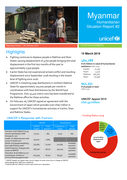
Fighting continues to displace people in Rakhine and Shan States causing displacement of 3,700 people bringing the total displacement in the first two months of the year to approximately 7,500 people.
UNICEF is restarting soap distributions in northern Rakhine State for approximately 100,000 peo
...
ple per month in coordination with food distributions by the World Food Programme. Over 37,400 metric tons has been transferred to the Rakhine office for these activities.
more
This paper aims to contribute to the reflection on effective practices to address protracted displacement, in support of the GP20 Plan of Action roll-out. It expands on the research conducted by Walter Kälin and Hannah Entwisle Chapuisat for the 2017 OCHA-commissioned study Breaking the Impasse: Re
...
ducing Protracted Internal Displacement as a Collective Outcome.1 That study provided a comprehensive picture of the impact of protracted internal displacement, as well as five country case studies in contexts of conflict and disasters.It also offered a road map for addressing such displacement through seven steps, including conducting joint analysis and defining collective outcomes.
more
Ethiopia saw a six-fold increase in confirmed COVID-19 cases between June and August, with 5,689 cases by end June compared to 34,058 cases as of 19 August. Ethiopia also registered more than 13,000 recoveries and more than 600 deaths. As of the last week of August, Ethiopia was leading eastern Afri
...
can countries with the highest number of cases.
more
The Handbook is a guide to the normative framework for humanitarian action and the operational approaches, coordination structures, and available tools and services that facilitate the mobilization of huma
...
nitarian assistance.
more
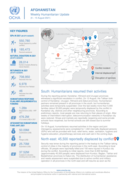
During the reporting period, 5,068 people were identified as being displaced by conflict and in need of humanitarian aid. In addition, 434 people who were affected by conflict received humanitarian
...
assistance across the north.
more
September – December 2021
The funds will be used by WHO to ensure:
continued coordination with other agencies and health actors in the response to the crisis situation
continuity of health services for the population of Afghanistan
provision of life-saving medical supplies
con
...
tinued response to COVID-19
timely response to potential outbreaks
response to urgent trauma needs
more
The humanitarian-development-peace nexus (HDPNX) is a new way of working that offers a framework for coherent joined-up planning and implementation of shared priorities between humanitarian de
...
velopment and peacebuilding actors in emergency settings. To advance the HDPNx in a given country a shared foundational understanding of the current situation is needed. However it can be challenging to find such a resource perpetuating poor understanding planning and operationalization. This is one of a series of country profiles that have been developed by WHO to address that need. Each profile provides an overview of health-related nexus efforts in the country and will be updated regularly.
more
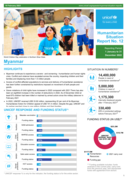
Myanmar continues to experience a severe - and worsening - humanitarian and human rights crisis. Conflict and violence have escalated across the country, impacting children and their families and displacing more than 1.5 million people. Access of co
...
nflict-affected populations to services and delivery of humanitarian assistance has been further constrained by restrictions imposed on movement of both people and goods.
more

2nd edition. The interagency field handbook on malaria control was developed to set out effective malaria control responses in humanitarian emergencies, particularly during the acute phase when reliance on international
...
humanitarian assistance is greatest. This second edition represents a thorough updating and revision of the first edition. The structure remains similar, but includes an additional chapter on humanitarian coordination. All chapters have been revised to reflect changes in best practices, improvements in technologies, availability of new tools, and changes in WHO recommendations.
more

Field-friendly Guide to Integrate Emergency Obstetric Care in Humanitarian Programs
Women’s Commission for Refugee Women and Children
Reproductive Health Response in Conflict Consortium
(2005)
C1
Mental Health and Psychosocial Support in Humanitarian Emergencies: What Should Humanitarian Health Actors Know?
recommended
IASC Reference Group for Mental Health and Psychosocial Support
Inter-Agency Standing Committee
(2010)
C1
This document is for humanitarian health actors working at national and sub-national level in countries facing humanitarian emergencies. It applies to Health Cluster partners, including governmental
...
and non-governmental health service providers.
Based on the IASC Guidelines on Mental Health and Psychosocial Support in Emergency Settings (IASC, 2007), it gives an overview of essential knowledge that humanitarian health actors should have about mental health and psychosocial support (MHPSS) in humanitarian emergencies.
This document by the IASC Reference Group for Mental Health and Psychosocial Support was developed in consultation with the IASC Global Health Cluster.
more
