
Filter
1360
Text search:
Zambia
Featured
107
317
Language
Document type
738
331
115
51
49
25
20
13
4
4
4
2
2
1
Countries
239
74
64
41
39
33
29
29
27
26
24
21
21
19
16
16
16
15
15
14
14
13
11
10
10
9
8
7
7
7
6
5
5
5
5
5
5
4
4
4
4
4
3
3
3
3
3
3
3
3
3
3
3
3
3
3
3
2
2
2
2
2
2
2
2
2
2
2
2
2
1
1
1
1
1
1
1
1
1
1
1
1
1
1
1
1
1
1
1
Authors & Publishers
Publication Years
Category
544
84
84
77
66
41
9
Toolboxes
115
111
100
75
70
55
42
39
36
31
29
23
23
19
16
16
15
15
14
13
8
6
5
5
3
DHS Analytical Studies No. 39
DHS Analytical Studies No. 57
DHS Analytical Studies No. 40
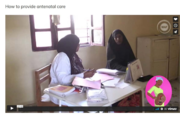
This film explains what antenatal care is and why it is important for the mother and baby. It explains the importance of attending 4 antenatal sessions before the baby is born and what should happen at each session.
This film is for use in community health education.
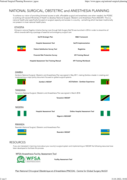
To achieve our vision of providing Universal access to safe, affordable surgical and anesthesia care when needed, the PGSSC is working with several Ministries of Health to develop National Surgical, Obstetric and Anesthesia Plans (NSOAP). This is a national health plan specifically focused on surgic
...
Results and Lessons Learned from CapacityPlus 2009-2015
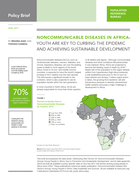
Policy Brief | April 2015 | This brief accompanies the data sheet, Addressing Risk Factors for Noncommunicable Diseases Among Young People in Africa: Key to Prevention and Sustainable Development, and its data appendix, which provide all available country-specific data on four key NCD risk factors a
...
DHS Comparative Reports No. 42
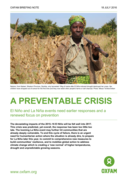
The devastating impacts of the 2015–16 El Niño will be felt well into 2017. This crisis was predicted, yet overall, the response has been too little too late. The looming La Niña event may further hit communities that are already deeply vulnerable. To end this cycle of failure, there is an urgen
...
Anxiety disorders
Chapter F.2

The Open Infectious Diseases Journal, 2010, 4, 33-37
This revision covers the main non-communicable diseases in Mozambique as well as the National Strategic Plan's aim to create a positive environment to minimize or eliminate the exposure to risk factors and guarantee access to care.
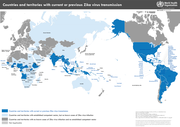
Infographics and data

The second edition of the Women and Trachoma: Achieving Gender Equity in the Implementation of SAFE manual provides an updated resource for realistically increasing, improving, and supporting gender representation within trachoma elimination efforts at all levels. From the trachoma workforce to the
...

Filoviral hemorrhagic fever (FHF) is caused by ebolaviruses and marburgviruses, which both belongto the family Filoviridae. Egyptian fruit bats (Rousettus aegyptiacus) are the most likely natural reservoir for marburg viruses and entry into caves and mines that they stay in has often been associated
...
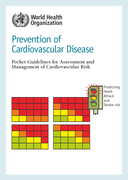
Prevention of Cardiovascular Disease. Pocket Guidelines for Assessment and Management of Cardiovascular Risk
recommended
These pocket guidelines provide evidence-based guidance on how to reduce the incidence of first and recurrent clinical events due to coronary heart disease (CHD), cerebrovascular disease (CeVD) and peripheral vascular disease in two categories of people
WHO MiNDbank is an online platform bringing together country and international resources, covering mental health, substance abuse, disability, general health, human rights and development. It is part of WHO’s QualityRights campaign to end violations against people with mental disabilities. MiNDban
...
