
Filter
3790
Text search:
HIV
patients
Featured
429
1093
Language
3450
235
79
76
34
33
30
12
7
7
6
6
6
6
6
5
5
4
4
4
4
4
4
4
4
4
3
3
3
2
2
2
2
2
2
2
2
2
2
1
1
1
1
1
1
1
1
1
1
1
1
Document type
2120
566
560
203
118
82
81
29
14
8
3
3
1
Countries
203
167
126
116
96
90
90
86
84
80
76
71
70
55
54
53
50
47
46
45
45
44
42
38
33
29
29
29
28
26
24
23
22
22
21
20
16
16
16
15
15
14
14
14
13
12
12
11
11
10
10
10
9
8
6
6
6
5
5
5
5
5
4
4
4
4
4
4
3
3
3
3
3
3
3
3
3
3
2
2
2
2
2
2
2
2
2
2
2
2
2
2
2
2
2
2
2
2
2
2
2
1
1
1
1
1
1
1
1
1
1
1
1
1
1
1
1
1
1
1
1
1
1
1
1
1
1
1
Authors & Publishers
487
210
109
88
82
70
68
49
35
34
26
26
25
23
22
22
19
19
19
18
18
18
18
18
17
17
17
17
17
16
16
16
15
15
15
15
13
13
12
12
12
11
11
11
11
10
10
10
10
10
10
9
9
9
9
9
9
8
8
8
8
8
8
8
8
8
7
7
7
7
7
7
7
7
7
7
6
6
6
6
6
6
6
6
6
6
6
6
6
6
6
6
6
6
6
6
5
5
5
5
5
5
5
5
5
5
5
5
5
5
5
5
5
5
5
5
5
5
5
5
5
5
5
5
5
5
5
4
4
4
4
4
4
4
4
4
4
4
4
4
4
4
4
4
4
4
4
4
4
4
4
4
4
4
4
4
4
4
4
4
4
4
4
4
4
4
4
4
4
3
3
3
3
3
3
3
3
3
3
3
3
3
3
3
3
3
3
3
3
3
3
3
3
3
3
3
3
3
3
3
3
3
3
3
3
3
3
3
3
3
3
3
3
3
3
3
3
3
3
3
3
3
3
3
3
3
3
3
3
3
3
3
3
3
3
3
3
3
3
3
3
2
2
2
2
2
2
2
2
2
2
2
2
2
2
2
2
2
2
2
2
2
2
2
2
2
2
2
2
2
2
2
2
2
2
2
2
2
2
2
2
2
2
2
2
2
2
2
2
2
2
2
2
2
2
2
2
2
2
2
2
2
2
2
2
2
2
2
2
2
2
2
2
2
2
2
2
2
2
2
2
2
2
2
2
2
2
2
2
2
2
2
2
2
2
2
2
2
2
2
2
2
2
2
2
2
2
2
2
2
2
2
2
2
2
2
2
2
2
2
2
2
2
2
2
2
2
2
2
2
2
2
2
2
2
2
2
2
2
2
2
2
2
2
2
2
2
2
2
2
2
2
2
2
2
2
2
2
2
2
2
2
2
2
2
2
2
2
2
2
2
2
2
2
2
2
2
2
2
2
2
2
2
2
2
2
2
2
2
2
2
2
2
2
2
2
2
2
2
2
2
2
2
2
2
2
2
2
2
2
2
2
2
2
2
2
2
2
2
2
2
2
2
2
1
1
1
1
1
1
1
1
1
1
1
1
1
1
1
1
1
1
1
1
1
1
1
1
1
1
1
1
1
1
1
1
1
1
1
1
1
1
1
1
1
1
1
1
1
1
1
1
1
1
1
1
1
1
1
1
1
1
1
1
1
1
1
1
1
1
1
1
1
1
1
1
1
1
1
1
1
1
1
1
1
1
1
1
1
1
1
1
1
1
1
1
1
1
1
1
1
1
1
1
1
1
1
1
1
1
1
1
1
1
1
1
1
1
1
1
1
1
1
1
1
1
1
1
1
1
1
1
1
1
1
1
1
1
1
1
1
1
1
1
1
1
1
1
1
1
1
1
1
1
1
1
1
1
1
1
1
1
1
1
1
1
1
1
1
1
1
1
1
1
1
1
1
1
1
1
1
1
1
1
1
1
1
1
1
1
1
1
1
1
1
1
1
1
1
1
1
1
1
1
1
1
1
1
1
1
1
1
1
1
1
1
1
1
1
1
1
1
1
1
1
1
1
1
1
1
1
1
1
1
1
1
1
1
1
1
1
1
1
1
1
1
1
1
1
1
1
1
1
1
1
1
1
1
1
1
1
1
1
1
1
1
1
1
1
1
1
1
1
1
1
1
1
1
1
1
1
1
1
1
1
1
1
1
1
1
1
1
1
1
1
1
1
1
1
1
1
1
1
1
1
1
1
1
1
1
1
1
1
1
1
1
1
1
1
1
1
1
1
1
1
1
1
1
1
1
1
1
1
1
1
1
1
1
1
1
1
1
1
1
1
1
1
1
1
1
1
1
1
1
1
1
1
1
1
1
1
1
1
1
1
1
1
1
1
1
1
1
1
1
1
1
1
1
1
1
1
1
1
1
1
1
1
1
1
1
1
1
1
1
1
1
1
1
1
1
1
1
1
1
1
1
1
1
1
1
1
1
1
1
1
1
1
1
1
1
1
1
1
1
1
1
1
1
1
1
1
1
1
1
1
1
1
1
1
1
1
1
1
1
1
1
1
1
1
1
1
1
1
1
1
1
1
1
1
1
1
1
1
1
1
1
1
1
1
1
1
1
1
1
1
1
1
1
1
1
1
1
1
1
1
1
1
1
1
1
1
1
1
1
1
1
1
1
1
1
1
1
1
1
1
1
1
1
1
1
1
1
1
1
1
1
1
1
1
1
1
1
1
1
1
1
1
1
1
1
1
1
1
1
1
1
1
1
1
1
1
1
1
1
1
1
1
1
1
1
1
1
1
1
1
1
1
1
1
1
1
1
1
1
1
1
1
1
1
1
1
1
1
1
1
1
1
1
1
1
1
1
1
1
1
1
1
1
1
1
1
1
1
1
1
1
1
1
1
1
1
1
1
1
1
1
1
1
1
1
1
1
1
1
1
1
1
1
1
1
1
1
1
1
1
1
1
1
1
1
1
1
1
1
1
1
1
1
1
1
1
1
1
1
1
1
1
1
1
1
1
1
1
1
1
1
1
1
1
1
1
1
1
1
1
1
1
1
1
1
1
1
1
1
1
1
1
1
1
1
1
1
1
1
1
1
1
1
1
1
1
1
1
1
1
1
1
1
1
1
1
1
1
1
1
1
1
1
1
1
1
1
1
1
1
1
1
1
1
1
1
1
1
1
1
1
1
1
1
1
1
1
1
1
1
1
1
1
1
1
1
1
1
1
1
1
1
1
1
1
1
1
1
1
1
1
1
1
1
1
1
1
1
1
1
1
1
1
1
1
1
1
1
1
1
1
1
1
1
1
1
1
1
1
1
1
1
1
1
1
1
1
1
1
1
1
1
1
1
1
1
1
1
1
1
1
1
1
1
1
1
1
1
1
1
1
1
1
1
1
1
1
1
1
1
1
1
1
1
1
1
1
1
1
1
1
1
1
1
1
1
1
1
1
1
1
1
1
1
1
1
1
1
1
1
1
1
1
1
1
1
1
1
1
1
1
1
1
1
1
1
1
1
1
1
1
1
1
1
1
1
1
1
1
1
1
1
1
1
1
1
1
1
1
1
1
1
1
1
1
1
1
1
1
1
1
1
1
1
1
1
1
1
1
1
1
1
1
1
1
1
1
1
1
1
1
1
1
1
1
1
1
1
1
1
1
1
1
1
1
1
1
1
1
1
1
1
1
1
1
1
1
1
1
1
1
1
1
1
1
1
1
1
1
1
1
1
1
1
1
1
1
1
1
1
1
1
1
1
1
1
1
1
1
1
1
1
1
1
1
1
1
1
1
1
1
1
1
1
1
1
1
1
1
1
1
1
1
1
1
1
1
1
1
1
1
1
1
1
1
1
1
1
1
1
1
1
1
1
1
1
1
1
1
1
1
1
1
1
1
1
1
1
1
1
1
1
1
1
1
1
1
1
1
1
1
1
1
1
1
1
1
1
1
1
1
1
1
1
1
1
1
1
1
1
1
1
1
1
1
1
1
1
1
1
1
1
1
1
1
1
1
1
1
1
1
1
1
1
1
1
1
1
1
1
1
1
1
1
1
1
1
1
1
1
1
1
1
1
1
1
1
1
1
1
1
1
1
1
1
1
1
1
1
1
1
1
1
1
1
1
1
1
1
1
1
1
1
1
1
1
1
1
1
1
1
1
1
1
1
1
1
1
1
1
1
1
1
1
1
1
1
1
1
1
1
1
1
1
1
1
1
1
1
1
1
1
1
1
1
1
1
1
1
1
1
1
1
1
1
1
1
1
1
1
1
1
1
1
1
1
1
1
1
1
1
1
1
1
1
1
1
1
1
1
1
1
1
1
1
1
1
1
1
1
1
1
1
1
1
1
1
1
1
1
1
1
1
1
1
1
1
1
1
1
1
1
1
1
1
1
1
1
1
1
1
1
1
1
1
1
1
1
1
1
1
1
1
1
1
1
1
1
1
1
1
1
1
1
1
1
1
1
1
1
1
1
1
1
1
1
1
1
1
1
1
1
1
1
1
1
1
1
1
1
1
1
1
1
1
1
1
1
1
1
1
1
1
1
1
1
1
1
1
1
1
1
1
1
1
1
1
1
1
1
1
1
1
1
1
1
1
1
1
1
1
1
1
1
1
1
1
1
1
1
1
1
1
1
1
1
1
1
1
1
1
1
1
1
1
1
1
1
1
1
1
1
1
1
1
1
1
1
1
1
1
1
1
1
1
1
1
1
1
1
1
1
1
1
1
1
1
1
1
1
1
1
1
1
1
1
1
1
1
1
1
1
1
1
1
1
1
1
1
1
1
1
1
1
1
1
1
1
1
1
1
1
1
1
1
1
1
1
1
1
1
1
1
1
1
1
1
1
1
1
1
1
1
1
1
1
1
1
1
1
1
1
1
1
1
1
1
1
1
1
1
1
1
1
1
1
1
1
1
1
1
1
1
1
1
1
1
1
1
1
1
1
1
1
1
1
1
1
1
1
1
1
1
1
1
1
1
1
1
1
1
1
1
1
1
1
1
1
1
1
1
1
1
1
1
1
1
1
1
1
1
1
1
1
1
1
1
1
1
1
1
1
1
1
1
1
1
1
1
1
1
1
1
1
1
1
1
1
1
1
1
1
1
1
1
1
1
1
1
1
1
1
1
1
1
1
1
1
1
1
1
1
1
1
1
1
1
1
1
1
1
1
1
1
1
1
1
1
1
1
1
1
1
1
1
1
1
1
1
1
1
1
1
1
1
1
1
1
1
1
1
1
1
1
1
1
1
1
1
1
1
1
1
1
1
1
1
1
1
1
1
1
1
1
1
1
1
1
1
1
1
1
1
1
1
1
1
1
1
1
1
1
1
1
1
1
1
1
1
1
1
1
1
1
1
1
1
1
1
1
1
1
1
1
1
1
1
1
1
1
1
1
1
1
1
1
1
1
1
1
1
1
1
1
1
1
1
1
1
1
1
1
1
1
1
1
1
1
1
1
1
1
1
1
1
1
1
1
1
1
1
1
1
1
1
1
1
1
1
1
1
1
1
1
1
1
1
1
1
1
1
1
1
1
1
1
1
1
1
1
1
1
1
1
1
1
1
1
1
1
1
1
1
1
1
1
1
1
1
1
1
1
1
1
1
1
1
1
1
1
1
1
1
1
1
1
1
1
1
1
1
1
1
1
1
1
1
1
1
1
1
1
1
1
1
1
1
1
1
1
1
1
1
1
1
1
1
1
1
1
1
1
1
1
1
1
1
1
1
1
1
1
1
1
1
1
1
1
1
1
1
1
1
1
1
1
1
1
1
1
1
1
1
1
1
1
1
1
1
1
1
1
1
1
1
1
1
1
1
1
1
1
1
1
1
1
1
1
1
1
1
1
1
1
1
1
1
1
1
1
1
1
1
1
1
1
1
1
1
1
1
1
1
1
1
1
1
1
1
1
1
1
1
1
1
1
1
1
1
1
1
1
1
1
1
1
1
1
1
1
1
1
1
1
1
1
1
1
1
1
1
1
1
1
1
1
1
1
1
1
1
1
1
1
1
1
1
1
1
1
1
1
1
1
1
1
1
1
1
1
1
1
1
1
1
1
1
1
1
1
1
1
1
1
1
1
1
1
1
1
1
1
1
1
1
1
1
1
1
1
1
1
1
1
1
1
1
1
1
1
1
1
1
1
1
1
1
1
1
1
1
1
1
1
1
1
1
1
1
1
1
1
1
1
1
1
1
1
1
1
1
1
1
1
1
1
1
1
1
1
1
1
1
1
1
1
1
1
1
1
1
1
1
1
1
1
1
1
1
1
1
1
1
1
1
1
1
1
1
1
1
1
1
1
1
1
1
1
1
1
1
1
1
1
1
1
1
1
1
1
1
1
1
1
1
1
1
1
1
1
1
1
1
1
1
1
1
1
1
1
1
1
1
1
1
1
1
1
1
1
1
1
1
1
1
1
1
1
1
1
1
1
1
1
1
1
1
1
1
1
1
1
1
1
1
1
1
1
1
1
1
1
1
1
1
1
1
1
1
1
1
1
1
1
1
1
1
1
1
1
1
1
1
1
1
1
1
1
1
1
1
1
1
1
1
1
1
1
1
1
1
1
1
1
1
1
1
1
1
1
1
1
1
1
1
1
1
1
1
1
1
1
1
1
1
1
1
1
1
1
1
1
1
1
1
1
1
1
1
1
1
1
1
1
1
1
1
1
1
1
1
1
1
1
1
1
1
1
1
1
1
1
1
1
1
1
1
1
1
1
1
1
1
1
1
1
1
1
1
1
1
1
1
1
1
1
1
1
1
1
1
1
1
1
1
1
1
1
1
1
1
1
1
1
1
1
1
1
1
1
1
1
1
1
1
1
1
1
1
1
1
1
1
1
1
1
1
1
1
1
1
1
1
1
1
1
1
1
1
1
1
1
1
1
1
1
1
1
1
1
1
1
1
1
1
1
1
1
1
1
1
1
1
1
1
1
1
1
1
1
1
1
1
1
1
1
1
1
1
1
1
1
1
1
1
1
1
1
1
1
1
1
1
1
1
1
1
1
1
1
1
1
1
1
1
1
1
1
1
1
1
1
1
1
1
1
1
1
1
1
1
1
1
1
1
1
1
1
1
1
1
1
1
1
1
1
1
1
1
1
1
1
1
1
1
1
1
1
1
1
1
1
1
1
1
1
1
1
1
1
1
1
1
1
1
1
1
1
1
1
1
1
1
1
1
1
1
1
1
1
1
1
1
1
1
1
1
1
1
1
1
1
1
1
1
1
1
1
1
1
1
1
1
1
1
1
1
1
1
1
1
1
1
1
1
1
1
1
1
1
1
1
1
1
1
1
1
1
1
1
1
1
1
1
1
1
1
1
1
1
1
1
1
1
1
1
Publication Years
998
2407
364
20
1
Category
1693
390
183
165
147
80
49
2
Toolboxes
563
232
231
181
143
131
104
101
79
57
53
52
50
43
43
35
32
29
28
27
24
21
19
8
5
1
1
This publication integrates human rights principles into measuring HIV service effectiveness, ensuring accountability for equity and health. It focuses on reducing stigma, removing punitive laws, and ensuring access to care for key populations, aimi
...
ng to achieve 2030 targets.
more

UNAIDS 2017 / Reference
Generating evidence for policy and action on HIV and social protection
Le Bénin à l’instar des autres pays d’Afrique subsaharienne, fait face à une épidémie généralisée du VIH qui est actuellement au centre des préoccupations de santé publique et de développement. De 2002 à 2006, la prévalence nationale est stabilisée autour de 2% grâce à une améli
...
oration de la prise en charge des PVVIH, une augmentation du nombre de patients sous ARV, et un renforcement du partenariat avec la société civile y compris le secteur privé. En 2007, on a observé une légère inflexion à 1,7% de la prévalence.
Les conséquences multiples de l’infection par le VIH ont très vite imposé la nécessité d’une prise en charge globale des personnes infectées et affectées. Les interventions sont désormais multiples et intégrées allant de la prévention à la prise en charge en passant par le conseil - dépistage (CD).
more
The sustainable development goals and the HIV response
UNAIDS (Joint United Nations Programme on HIVAIDS)
(2019)
C2
Stories of putting people at the centre
Accessed: 20.11.2019
Dans la plupart des pays, les services de lutte contre la tuberculose (TB) sont décentralisés jusqu’aux dispensaires
les plus périphériques et souvent au sein même des villages et des quartiers. Par contre, les services
de lutte contre le VIH/Sida sont généralement beaucoup plus centralis
...
és parce que la diffusion des
soins, notamment de la thérapie antirétrovirale (TARV), n’a commencé qu’assez récemment. De ce fait,
les patients qui ont besoin d’un traitement à la fois contre la tuberculose et le VIH/Sida peuvent être obligés
de se rendre dans deux établissements distincts et ainsi d’avoir à parcourir de longues distances pour
accéder aux soins. L’absence de services intégrés TB/VIH peut provoquer des retards dans le diagnostic
et le traitement, et même se traduire par un mauvais suivi des traitements, voire par des interruptions. Par
ailleurs, les patients ont à supporter la charge financière des frais de déplacement et des autres coûts indirects,
tels que de longs temps d’attente et une perte de revenu
more
Over 2 million children worldwide are living with HIV infection and 95% reside in sub-Saharan Africa with the majority infected through mother-to-child transmission. Infected children have a high mortality with 50% dying by 2 years of age. Their cli
...
nical presentation includes common childhood infections, opportunistic infections and conditions associated with HIV/AIDS immune suppression.
more
The Guide to operationalize HIV viral load testing HIV presents 60 lessons learnt from the project in a systemic approach including: viral load strategy, laboratories, procurement and supply managem
...
ent, patient care and economy.
more
Operational Guideline
Guidelines for Diagnosing and Managing Disseminated Histoplasmosis among People Living with HIV
recommended
Histoplasmosis is a disease caused by the fungus Histoplasma capsulatum. This disease is highly endemic in some regions of North America, Central America, and South America and is also reported in certain countries of Asia and Africa. It often affects people with impaired immunity, including people
...
living with HIV, among whom the most frequent clinical presentation is disseminated histoplasmosis. The symptoms of disseminated histoplasmosis are non-specific and may be indistinguishable from those of other infectious diseases, especially disseminated tuberculosis (TB), thus complicating diagnosis and treatment. Histoplasmosis is one of the most frequent opportunistic infections caused by fungal pathogens among people living with HIV in the Americas and may be responsible for 5–15% of AIDS-related deaths every year in this Region. These guidelines aim to provide recommendations for the diagnosis, treatment, and management of disseminated histoplasmosis in persons living with HIV
more
The COVID-19 pandemic has had an unprecedented impact on health care systems that, in many instances, worsened the already existing assistance gaps. When it comes to Latin America and Central America, this challenge adds to the consequences mass mobilizations have had in recent years, which have exc
...
eeded the national capacities to provide prompt assistance and social protection, particularly in the health care field. This pandemic has a direct impact on people on the move since the movement restriction policies and the lockdown and social distancing measures have reduced their ability to insert themselves into economic activities that were already precarious in many cases. Consequently, they have less access to food, housing, medicines and other essential consumer goods, and fewer possibilities of getting to their countries of destinati
more
This National Prevention Road Map addresses the above-mentioned challenges and aims to guide, focus and reinvigorate the HIV prevention response during the period 2018-2020. It also renews the commitment of political leadership,
HIV drug resistance strategies focus on prevention through adherence and treatment optimization, surveillance to monitor resistance trends, and innovation in new drugs and diagnostics. Key approaches include implementing national action plans, stren
...
gthening laboratory capacity for monitoring, and providing comprehensive care, especially for vulnerable populations
more
The World Health Organization and the Global Fund to Fight AIDS, Tuberculosis and Malaria are part of a group of agencies working together to accelerate progress towards the health-related SDGs through the Global Action Plan for Healthy Lives and Well-being for All. Understanding patterns of inequal
...
ities in these diseases is essential for taking strategic, evidence-informed action to realize our shared vision of ending the epidemics of HIV, TB and malaria.
This report presents the first comprehensive analysis of the magnitude and patterns of socioeconomic, demographic and geographic inequalities in disease burden and access to services for prevention and treatment.
The results confirm there have been improvements in service coverage and decreased disease burden at the national level over the past decade. But they also reveal an uncomfortable reality: unfair inequalities between population subgroups within countries are widespread and have remained largely unchanged over the past decade. For some disease indicators, inequalities are even worsening.
Moreover, the report points to the persistent lack of available data to fully understand inequality patterns in HIV, TB and malaria. Collecting data to improve the monitoring of inequalities in these diseases is vital to develop targeted responses for impact.
There are, encouragingly, isolated successes in reducing inequities. Change is possible when deliberate action is taken to reach disadvantaged populations.
more
This document synthesizes key elements of the World Health Organization (WHO) normative guidance on health policy and system support for community health worker (CHW) programmes and their application for HIV programmes. Building on relevant elements
...
of HIV guidelines, tools and evidence identified by experts, it provides recommendations on tasks and roles that can be performed by CHWs (including for HIV), identifies the policy and system supports to optimize CHW performance, and gives examples of best practice. Its purpose is to inform the optimal design and delivery of CHW programmes targeting – either specifically or as part of a broader approach – the scale-up and sustainability of HIV services.
more
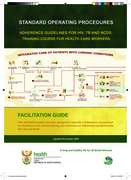
The target audience for this training course is non-clinicians such as Home Based Carers, Community Caregivers, Youth Care Workers, Peer educators, Community Health Workers etc. primarily those who will be providing adherence counselling to clients with HI
...
V, TB, Hypertension and Diabetes. This group of non-clinicians play a vital role in helping to reduce the workload of nursing staff. Amongst others, non- clinicians educate clients and provide emotional support in a manner that makes each client feel like they are receiving focused, individual attention. Non-clinicians are often in close contact with communities and, therefore, able to understand and play a role in alleviating health service barriers in the community.
Facility managers may also be part of the target audience in order to ensure that they understand the components of the minimum package of interventions to support linkage, adherence and retention in care.
Further, their attendance seeks to ensure that non-clinicians receive necessary assistance and support when they have to implement what they have learned back into their workplaces.
more
The WHO Global strategy on human resources for health: workforce 2030 encourages development partners and global health initiatives to leverage their support to health systems in countries to sustainably strengthen the health workforce. To assess the impact of these investments, a methodology was de
...
veloped and pilot tested by WHO.
The impact assessment tool (consisting of an MS Excel calculator with two subsets) supports users to:
• assess and quantify the health impact of HRH investments made in the context of HIV, tuberculosis (TB) and malaria programmes through their modelled effect on health service coverage of these three diseases; and
• provide aggregate indicative estimates of the range of health workers required to attain high coverage of selected health services.
more
Cette étude vise à comprendre les freins à l’observance au traitement antirétroviral et à porter un regard critique sur la qualité d’alliance thérapeutique Infirmier-patient. Il s’agit d’une étude qualitative phénoménologique réalisée dans deux hôpitaux ruraux de la province du
...
Kongo-central en République Démocratique du Congo (RDC). Des entretiens semi-directifs ont été réalisés auprès de patients.
more
HIV, viral hepatitis and STI epidemics, particularly among people who inject drugs and other key populations, continue to be fuelled by laws and policies criminalizing sex work; drug use or possession; diverse forms of gender expression and sexualit
...
y; stigma and discrimination; gender discrimination; violence; lack of community empowerment and other violations of human rights. These sociostructural factors limit access to health services, constrain how these services are
delivered and diminish their effectiveness.
more
