
Filter
3246
Text search:
financing
Featured
216
932
Language
3096
105
68
54
30
28
19
18
6
5
4
2
2
2
2
1
1
1
1
1
1
1
1
1
1
1
1
Document type
1637
828
246
224
132
64
57
27
13
8
3
2
2
Countries
289
118
77
77
75
68
67
67
65
64
64
60
59
57
53
53
44
44
42
40
38
37
33
31
26
26
25
25
24
23
22
22
22
20
20
19
19
18
16
16
14
13
13
12
12
12
12
11
10
10
10
9
9
9
8
8
8
8
7
7
7
6
6
6
6
6
6
5
4
4
4
4
4
4
4
3
3
3
3
3
3
2
2
2
2
2
2
2
2
2
2
2
2
2
2
1
1
1
1
1
1
1
1
1
1
1
1
1
1
1
1
1
1
1
1
1
1
1
1
1
1
1
Authors & Publishers
427
135
117
111
67
63
56
47
36
27
23
23
22
20
20
19
18
17
17
17
17
16
14
14
14
14
14
13
13
12
12
12
12
11
11
10
10
10
10
10
10
9
9
9
9
9
9
8
8
8
8
8
8
8
8
7
7
7
7
7
7
7
7
7
7
7
6
6
6
6
6
6
6
6
6
6
6
6
5
5
5
5
5
5
5
5
5
5
5
5
5
5
5
5
4
4
4
4
4
4
4
4
4
4
4
4
4
4
4
4
4
4
4
4
4
4
4
4
4
4
4
4
4
4
4
4
4
4
4
4
4
4
3
3
3
3
3
3
3
3
3
3
3
3
3
3
3
3
3
3
3
3
3
3
3
3
3
3
3
3
3
3
3
3
3
3
3
3
3
3
3
3
3
3
3
3
3
3
3
3
3
3
3
3
3
3
3
3
3
3
3
3
3
3
3
3
3
3
3
3
3
3
3
3
3
3
3
3
3
3
3
3
3
3
3
3
3
2
2
2
2
2
2
2
2
2
2
2
2
2
2
2
2
2
2
2
2
2
2
2
2
2
2
2
2
2
2
2
2
2
2
2
2
2
2
2
2
2
2
2
2
2
2
2
2
2
2
2
2
2
2
2
2
2
2
2
2
2
2
2
2
2
2
2
2
2
2
2
2
2
2
2
2
2
2
2
2
2
2
2
2
2
2
2
2
2
2
2
2
2
2
2
2
2
2
2
2
2
2
2
2
2
2
2
2
2
2
2
2
2
2
2
2
2
2
2
2
2
2
2
2
2
2
2
2
2
2
2
2
2
2
2
2
2
2
2
2
2
2
2
2
2
2
2
2
2
2
2
2
2
2
2
2
2
2
2
2
2
2
2
2
2
2
2
2
2
2
2
2
2
2
2
1
1
1
1
1
1
1
1
1
1
1
1
1
1
1
1
1
1
1
1
1
1
1
1
1
1
1
1
1
1
1
1
1
1
1
1
1
1
1
1
1
1
1
1
1
1
1
1
1
1
1
1
1
1
1
1
1
1
1
1
1
1
1
1
1
1
1
1
1
1
1
1
1
1
1
1
1
1
1
1
1
1
1
1
1
1
1
1
1
1
1
1
1
1
1
1
1
1
1
1
1
1
1
1
1
1
1
1
1
1
1
1
1
1
1
1
1
1
1
1
1
1
1
1
1
1
1
1
1
1
1
1
1
1
1
1
1
1
1
1
1
1
1
1
1
1
1
1
1
1
1
1
1
1
1
1
1
1
1
1
1
1
1
1
1
1
1
1
1
1
1
1
1
1
1
1
1
1
1
1
1
1
1
1
1
1
1
1
1
1
1
1
1
1
1
1
1
1
1
1
1
1
1
1
1
1
1
1
1
1
1
1
1
1
1
1
1
1
1
1
1
1
1
1
1
1
1
1
1
1
1
1
1
1
1
1
1
1
1
1
1
1
1
1
1
1
1
1
1
1
1
1
1
1
1
1
1
1
1
1
1
1
1
1
1
1
1
1
1
1
1
1
1
1
1
1
1
1
1
1
1
1
1
1
1
1
1
1
1
1
1
1
1
1
1
1
1
1
1
1
1
1
1
1
1
1
1
1
1
1
1
1
1
1
1
1
1
1
1
1
1
1
1
1
1
1
1
1
1
1
1
1
1
1
1
1
1
1
1
1
1
1
1
1
1
1
1
1
1
1
1
1
1
1
1
1
1
1
1
1
1
1
1
1
1
1
1
1
1
1
1
1
1
1
1
1
1
1
1
1
1
1
1
1
1
1
1
1
1
1
1
1
1
1
1
1
1
1
1
1
1
1
1
1
1
1
1
1
1
1
1
1
1
1
1
1
1
1
1
1
1
1
1
1
1
1
1
1
1
1
1
1
1
1
1
1
1
1
1
1
1
1
1
1
1
1
1
1
1
1
1
1
1
1
1
1
1
1
1
1
1
1
1
1
1
1
1
1
1
1
1
1
1
1
1
1
1
1
1
1
1
1
1
1
1
1
1
1
1
1
1
1
1
1
1
1
1
1
1
1
1
1
1
1
1
1
1
1
1
1
1
1
1
1
1
1
1
1
1
1
1
1
1
1
1
1
1
1
1
1
1
1
1
1
1
1
1
1
1
1
1
1
1
1
1
1
1
1
1
1
1
1
1
1
1
1
1
1
1
1
1
1
1
1
1
1
1
1
1
1
1
1
1
1
1
1
1
1
1
1
1
1
1
1
1
1
1
1
1
1
1
1
1
1
1
1
1
1
1
1
1
1
1
1
1
1
1
1
1
1
1
1
1
1
1
1
1
1
1
1
1
1
1
1
1
1
1
1
1
1
1
1
1
1
1
1
1
1
1
1
1
1
1
1
1
1
1
1
1
1
1
1
1
1
1
1
1
1
1
1
1
1
1
1
1
1
1
1
1
1
1
1
1
1
1
1
1
1
1
1
1
1
1
1
1
1
1
1
1
1
1
1
1
1
1
1
1
1
1
1
1
1
1
1
1
1
1
1
1
1
1
1
1
1
1
1
1
1
1
1
1
1
1
1
1
1
1
1
1
1
1
1
1
1
1
1
1
1
1
1
1
1
1
1
1
1
1
1
1
1
1
1
1
1
1
1
1
1
1
1
1
1
1
1
1
1
1
1
1
1
1
1
1
1
1
1
1
1
1
1
1
1
1
1
1
1
1
1
1
1
1
1
1
1
1
1
1
1
1
1
1
1
1
1
1
1
1
1
1
1
1
1
1
1
1
1
1
1
1
1
1
1
1
1
1
1
1
1
1
1
1
1
1
1
1
1
1
1
1
1
1
1
1
1
1
1
1
1
1
1
1
1
1
1
1
1
1
1
1
1
1
1
1
1
1
1
1
1
1
1
1
1
1
1
1
1
1
1
1
1
1
1
1
1
1
1
1
1
1
1
1
1
1
1
1
1
1
1
1
1
1
1
1
1
1
1
1
1
1
1
1
1
1
1
1
1
1
1
1
1
1
1
1
1
1
1
1
1
1
1
1
1
1
1
1
1
1
1
1
1
1
1
1
1
1
1
1
1
1
1
1
1
1
1
1
1
1
1
1
1
1
1
1
1
1
1
1
1
1
1
1
1
1
1
1
1
1
1
1
1
1
1
1
1
1
1
1
1
1
1
1
1
1
1
1
1
1
1
1
1
1
1
1
1
1
1
1
1
1
1
1
1
1
1
1
1
1
1
1
1
1
1
1
1
1
1
1
1
1
1
1
1
1
1
1
1
1
1
1
1
1
1
1
1
1
1
1
1
1
1
1
1
1
1
1
1
1
1
1
1
1
1
1
1
1
1
1
1
1
1
1
1
1
1
1
1
1
1
1
1
1
1
1
1
1
1
1
1
1
1
1
1
1
1
1
1
1
1
1
1
1
1
1
1
1
1
1
1
1
1
1
1
1
1
1
1
1
1
1
1
1
1
1
1
1
1
1
1
1
1
1
1
1
1
1
1
1
1
1
1
1
1
1
1
1
1
1
1
1
1
1
1
1
1
1
1
1
1
1
1
1
1
1
1
1
1
1
1
1
1
1
1
1
1
1
1
1
1
1
1
1
1
1
1
1
1
1
1
1
1
1
1
1
1
1
1
1
1
1
1
1
1
1
1
1
1
1
1
1
1
1
1
1
1
1
1
1
1
1
1
1
1
1
1
1
1
1
1
1
1
1
1
1
1
1
1
1
1
1
1
1
1
1
1
1
1
1
1
1
1
1
1
1
1
1
1
1
1
1
1
1
1
1
1
1
1
1
1
1
1
1
1
1
1
1
1
1
1
1
1
1
1
1
1
1
1
1
1
1
1
1
1
1
1
1
1
1
1
1
1
1
1
1
1
1
1
1
1
1
1
1
1
1
1
1
1
1
1
1
1
1
1
1
1
1
1
1
1
1
1
1
1
1
1
1
1
1
1
1
1
1
1
1
1
1
1
1
1
1
1
1
1
1
1
1
1
1
1
1
1
1
1
1
1
1
1
1
1
1
1
1
1
1
1
1
1
1
1
1
1
1
1
1
1
1
1
1
1
1
1
1
1
1
1
1
1
1
1
1
1
1
1
1
1
1
1
1
1
1
1
1
1
1
1
1
1
1
1
1
1
1
1
1
1
1
1
1
1
1
1
1
1
1
1
1
1
1
1
1
1
1
1
1
1
1
1
1
1
1
1
1
1
1
1
1
1
1
1
1
1
1
1
1
1
1
1
1
1
1
1
1
1
1
1
1
1
1
1
1
1
1
1
1
1
1
1
1
1
1
1
1
1
1
1
1
1
1
1
1
1
1
1
1
1
1
1
1
1
1
1
1
1
1
1
1
1
1
1
1
1
1
1
1
1
1
1
1
1
1
1
1
1
1
1
1
1
1
1
1
1
1
1
1
1
1
1
1
1
1
1
1
1
1
1
1
1
1
1
1
1
1
1
1
1
1
1
1
1
1
1
1
1
1
1
1
1
1
1
1
1
1
1
1
1
1
1
1
1
1
1
1
1
1
1
1
1
1
1
1
1
1
1
1
1
1
1
1
1
1
1
1
1
1
1
1
1
1
1
1
1
1
1
1
1
1
1
1
1
1
1
1
1
1
1
1
1
1
1
1
1
1
1
1
1
1
1
1
1
1
1
1
1
1
1
1
1
1
1
1
1
1
1
1
1
1
1
1
1
1
1
1
1
1
1
1
1
1
1
1
1
1
1
1
1
1
1
1
1
1
1
1
1
1
1
1
1
1
1
1
1
1
1
1
1
1
1
1
1
1
1
1
1
1
1
1
1
1
1
1
1
1
1
1
1
1
1
1
1
1
1
1
1
1
1
1
1
1
1
1
1
1
1
1
1
1
1
1
1
1
1
1
1
1
1
1
1
1
1
1
1
1
1
1
1
1
1
1
1
1
1
1
1
1
1
1
1
1
1
1
1
1
1
1
1
1
1
1
1
1
1
1
1
1
1
1
1
1
1
1
1
1
1
1
1
1
1
1
1
1
1
1
1
1
1
1
1
1
1
1
1
1
1
1
1
1
1
1
1
1
1
1
1
1
1
1
1
1
1
1
1
1
1
1
1
1
1
1
1
1
1
1
1
1
1
1
1
1
1
1
1
1
1
1
1
1
1
1
1
1
1
1
1
1
1
1
1
1
1
1
1
1
1
1
1
1
1
1
1
1
1
1
1
1
1
1
1
1
1
1
1
1
1
1
1
1
1
1
1
1
1
1
1
1
1
1
1
1
1
1
1
1
1
1
1
1
1
1
1
1
1
1
1
1
1
1
1
1
1
1
1
1
1
1
1
1
1
1
1
1
1
1
1
1
1
1
1
1
1
1
1
1
1
1
1
1
1
1
1
1
1
1
1
1
1
1
1
1
1
1
1
1
1
1
1
1
1
1
1
1
1
1
1
1
1
1
1
1
1
1
1
1
1
1
1
1
1
1
1
1
1
1
1
1
1
1
1
1
1
1
1
1
1
1
1
1
1
1
1
1
1
1
1
1
1
1
1
1
1
1
1
1
1
1
1
1
1
1
1
1
1
1
1
1
1
1
1
1
1
1
1
1
1
1
1
1
1
1
1
1
1
1
1
1
1
1
1
1
1
1
1
1
1
1
1
1
1
1
1
1
1
1
1
1
1
1
1
1
1
1
1
1
1
1
1
1
1
1
1
1
1
1
1
1
1
1
1
1
1
1
1
1
1
1
1
1
1
1
1
1
1
1
1
1
1
1
1
1
1
1
1
1
1
1
1
1
1
1
1
1
1
1
1
1
1
1
1
1
1
1
1
1
1
1
1
1
1
1
1
1
1
1
1
1
1
1
1
1
1
1
1
1
1
1
1
1
1
1
1
1
Publication Years
1176
1876
187
6
1
Category
1354
202
200
133
111
28
13
1
Toolboxes
279
214
206
164
141
128
107
100
81
73
70
58
55
51
51
47
45
44
41
31
20
12
6
6
4
3
1

The 2021 WHO health and climate change global survey report provides a valuable snapshot of the overall progress governments have made in addressing the health risks of climate change. The findings on key health and climate change indicators aim to empower policy makers to: make informed decisions o
...
n the implementation of policies and plans; identify evidence gaps; and better understand the barriers to achieving adaptation and resilience priorities in the health sector while maximizing the health benefits of sector-wide climate mitigation efforts.
more
Taking a multisectoral, One Health approach is necessary to address complex health threats at the human-animal-environment interface, such as rabies, zoonotic influenza, anthrax, and Rift Valley fever. Such zoonotic diseases continue to have major impacts on health, livelihoods, and economies, and c
...
annot be effectively addressed by one sector alone.
more
This paper explores access to water, sanitation, and health in pastoral communities in northern Tanzania. It argues that the concept of gender, used on its own, is not enough to understand the complexities of sanitation, hygiene, water, and health. It explores pastoralists’ views and perspectives
...
on what is ‘clean’, ‘safe’, and ‘healthy’, and their need to access water and create sanitary arrangements that work for them, given the absence of state provision of modern water, sanitation, and hygiene (WASH) infrastructure. Although Tanzania is committed to enhancing its citizens’ access to WASH services, pastoral sanitation and hygiene tend to be overlooked and little attention is paid to complex ways in which access to ‘clean’ water and ‘adequate sanitation’ is structured in these communities. This paper offers an intersectional analysis of water and sanitation needs, showing how structural discrimination in the form of a lack of appropriate infrastructure, a range of sociocultural norms and values, and individual stratifiers interact to influence the sanitation and health needs of pastoralist men, women, boys, and girls.
more
Climate change, increasing population densities, and intensified globalisation in trade, travel and migration are among the most important factors shaping the 21st century. Each impacts upon population health and the risk of infectious disease, particularly those originating at the human-animal-envi
...
ronmental interface. The recognition that many risk drivers of infectious disease fall outside of the typical domain of the health sector creates the challenge of identifying and pursuing priorities for cross-sectoral action aimed at strengthening global health security. In response, the One Health concept has emerged, as have related initiatives addressing Planetary Health and Biodiversity and Human Health. From a public health perspective and operationally speaking, the One Health approach offers great potential, emphasising as it does cooperation and coordination between multiple sectors. Yet despite having been a focal point for discussion for over a decade, numerous challenges facing the implementation of One Health preparedness strategies remain. While some are technical, related to the requirement for innovative early warning systems or new vaccines, for example, others are institutional and cultural in nature, given the transdisciplinary nature of the topic. There have thus been calls to address One Health from multiple perspectives, from ecology to the social sciences. In order to further explore this issue and to identify priority areas for action for strengthening One Health preparedness in Europe, ECDC convened an expert consultation on 11–12 December 2017.
more
Objective: To review the effectiveness of antibiotic stewardship interventions in hospitals in low- and middle-income countries.
The 20th century was a period of unprecedented ecological change, with dramatic reductions in natural ecosystems and biodiversity and equally dramatic increases in people and domestic animals. Never before have so many animals been kept by so many people—and never before have so many opportunities
...
existed for pathogens to pass from wild and domestic animals through the biophysical environment to affect people causing zoonotic diseases or zoonoses. The result has been a worldwide increase in emerging zoonotic
diseases, outbreaks of epidemic zoonoses as well as a rise in foodborne zoonoses globally, and a troubling persistence of neglected zoonotic diseases in poor countries.
more
2020 Symposium Report

The guide is suitable and can be used for the following audiences:
1. nurses and other trained healthcare workers who can use this manual as a self-study tool and then incorporate its guidance into their practice;
2. governmental and non-governmental employers of lay and professional TB treatment
...
adherence workers, who can provide training and guidance to their staff using the guidance in this manual;
3. TB clinicians, programme managers, policy makers and other leaders, to make them aware of the full range of interventions required by a person on TB treatment to complete his or her treatment and thus understand the gap that often exists in the support provided to patients;
4. people who, with enhanced capacity and support, can act as peer counsellors and supporters for people affected by TB. This can include family members who, in most contexts, play an important role in offering support to people with TB.
more
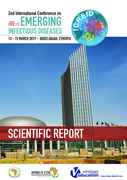
In 2007, WHO warned that infectious diseases are emerging and re-emerging at a rate that has not been seen before. The potential for infectious diseases to spread rapidly results in high morbidity and mortality, causing a potential global public health treat of major concern.
Several factors are
...
contributing to the (re)emergence of infectious diseases such as population growth, living in close contact with animals, frequent travelling, poverty, destructive ecological changes due to economic development and land use and climate change result in global warming.
Especially Africa is at a threat for (re)emerging infectious diseases due to the huge population growth (expected to reach 2.5 billion by 2050) with rapid urbanisation. Additionally, people across and beyond the continent are excessively mobile which is combined with a weak health system. Moreover, the risk of (re)emerging infectious disease is further heightened by three newly adopted continental initiatives: African Continental Free Trade Area, Free Movement of Persons and African Passport and Single African Air Transport Market.
more
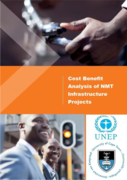
Non-Motorized Transport (NMT) has immense benefits for individual users, as well as society at large, through improvements to physical health, air quality, the environment, climate change, personal finance, accessibility, mobility and the empowerment of vulnerable groups.
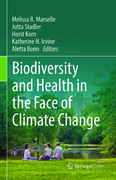
The biosphere underlies the whole sustainable development concept, as the layer on
which society and the economy rely. Nature and biodiversity fuel the natural cycles
and life-support systems of the planet, on which humanity ultimately depends.

This document offers public health guidance for the prevention and control of COVID-19 in reception centres, and other temporary accommodation facilities, in the context of the mass influx of Ukrainian people into the European Union (EU), the European Economic Area (EEA) and the Republic of Moldova.
...
more
A framework to implement the Agenda for the Americas on Health, Environment, and Climate Change 2021–2030
Children without access to safe water are more likely to die in infancy -- and throughout childhood -- from diseases caused by
water-borne bacteria, to which their small bodies are more vulnerable.
Safe water, sanitation and hygiene (collectively known as WASH) are crucial for human health and well-being. Yet, millions of people globally lack adequate WASH services and consequently suffer from or are exposed to a multitude of preventable illnesses.
