
Filter
3860
Text search:
water
and
sanitation
Featured
385
1247
Language
3640
129
92
70
47
42
22
14
11
8
7
6
6
5
5
5
5
5
4
4
4
3
2
2
2
2
2
2
2
2
2
2
2
1
1
1
1
1
1
1
1
1
1
1
Document type
1990
674
442
218
216
113
70
67
30
16
9
7
6
1
Countries
168
162
143
131
103
97
95
87
86
82
75
68
63
62
56
54
54
53
52
50
49
49
48
38
37
37
33
32
29
27
26
26
25
24
24
21
20
18
18
18
18
16
16
15
14
14
13
13
13
12
12
12
11
11
11
10
10
9
9
8
8
8
8
7
7
7
7
7
7
6
6
6
5
5
5
4
4
4
4
4
4
3
3
3
3
3
3
3
3
3
3
3
3
3
2
2
2
2
2
2
2
2
2
2
2
2
2
1
1
1
1
1
1
1
1
1
1
1
1
1
1
1
1
1
1
1
1
1
1
1
Authors & Publishers
437
145
117
98
90
88
82
55
44
40
38
32
26
24
24
24
23
23
22
21
21
21
19
19
18
17
17
17
16
15
14
14
12
12
12
12
11
11
11
11
11
11
11
11
11
10
10
10
10
10
10
10
10
10
10
9
9
9
8
8
8
8
8
8
8
8
8
8
8
7
7
7
7
7
7
7
7
7
7
7
7
7
7
7
7
7
6
6
6
6
6
6
6
6
6
6
6
6
6
6
6
6
6
6
6
5
5
5
5
5
5
5
5
5
5
5
5
5
5
5
5
5
5
5
5
5
5
5
5
5
5
5
5
5
4
4
4
4
4
4
4
4
4
4
4
4
4
4
4
4
4
4
4
4
4
4
4
4
4
4
4
4
4
4
4
4
4
4
4
4
4
4
4
4
4
4
4
3
3
3
3
3
3
3
3
3
3
3
3
3
3
3
3
3
3
3
3
3
3
3
3
3
3
3
3
3
3
3
3
3
3
3
3
3
3
3
3
3
3
3
3
3
3
3
3
3
3
3
3
3
3
3
3
3
3
3
3
3
3
3
3
3
3
3
3
3
3
3
3
3
3
3
3
3
3
3
3
3
3
3
3
3
3
3
2
2
2
2
2
2
2
2
2
2
2
2
2
2
2
2
2
2
2
2
2
2
2
2
2
2
2
2
2
2
2
2
2
2
2
2
2
2
2
2
2
2
2
2
2
2
2
2
2
2
2
2
2
2
2
2
2
2
2
2
2
2
2
2
2
2
2
2
2
2
2
2
2
2
2
2
2
2
2
2
2
2
2
2
2
2
2
2
2
2
2
2
2
2
2
2
2
2
2
2
2
2
2
2
2
2
2
2
2
2
2
2
2
2
2
2
2
2
2
2
2
2
2
2
2
2
2
2
2
2
2
2
2
2
2
2
2
2
2
2
2
2
2
2
2
2
2
2
2
2
2
2
2
2
2
2
2
2
2
2
2
2
2
2
2
2
2
2
2
2
2
2
2
2
2
2
2
2
2
2
2
2
2
2
2
2
2
2
2
2
2
2
2
2
2
2
2
2
2
2
2
2
2
2
2
1
1
1
1
1
1
1
1
1
1
1
1
1
1
1
1
1
1
1
1
1
1
1
1
1
1
1
1
1
1
1
1
1
1
1
1
1
1
1
1
1
1
1
1
1
1
1
1
1
1
1
1
1
1
1
1
1
1
1
1
1
1
1
1
1
1
1
1
1
1
1
1
1
1
1
1
1
1
1
1
1
1
1
1
1
1
1
1
1
1
1
1
1
1
1
1
1
1
1
1
1
1
1
1
1
1
1
1
1
1
1
1
1
1
1
1
1
1
1
1
1
1
1
1
1
1
1
1
1
1
1
1
1
1
1
1
1
1
1
1
1
1
1
1
1
1
1
1
1
1
1
1
1
1
1
1
1
1
1
1
1
1
1
1
1
1
1
1
1
1
1
1
1
1
1
1
1
1
1
1
1
1
1
1
1
1
1
1
1
1
1
1
1
1
1
1
1
1
1
1
1
1
1
1
1
1
1
1
1
1
1
1
1
1
1
1
1
1
1
1
1
1
1
1
1
1
1
1
1
1
1
1
1
1
1
1
1
1
1
1
1
1
1
1
1
1
1
1
1
1
1
1
1
1
1
1
1
1
1
1
1
1
1
1
1
1
1
1
1
1
1
1
1
1
1
1
1
1
1
1
1
1
1
1
1
1
1
1
1
1
1
1
1
1
1
1
1
1
1
1
1
1
1
1
1
1
1
1
1
1
1
1
1
1
1
1
1
1
1
1
1
1
1
1
1
1
1
1
1
1
1
1
1
1
1
1
1
1
1
1
1
1
1
1
1
1
1
1
1
1
1
1
1
1
1
1
1
1
1
1
1
1
1
1
1
1
1
1
1
1
1
1
1
1
1
1
1
1
1
1
1
1
1
1
1
1
1
1
1
1
1
1
1
1
1
1
1
1
1
1
1
1
1
1
1
1
1
1
1
1
1
1
1
1
1
1
1
1
1
1
1
1
1
1
1
1
1
1
1
1
1
1
1
1
1
1
1
1
1
1
1
1
1
1
1
1
1
1
1
1
1
1
1
1
1
1
1
1
1
1
1
1
1
1
1
1
1
1
1
1
1
1
1
1
1
1
1
1
1
1
1
1
1
1
1
1
1
1
1
1
1
1
1
1
1
1
1
1
1
1
1
1
1
1
1
1
1
1
1
1
1
1
1
1
1
1
1
1
1
1
1
1
1
1
1
1
1
1
1
1
1
1
1
1
1
1
1
1
1
1
1
1
1
1
1
1
1
1
1
1
1
1
1
1
1
1
1
1
1
1
1
1
1
1
1
1
1
1
1
1
1
1
1
1
1
1
1
1
1
1
1
1
1
1
1
1
1
1
1
1
1
1
1
1
1
1
1
1
1
1
1
1
1
1
1
1
1
1
1
1
1
1
1
1
1
1
1
1
1
1
1
1
1
1
1
1
1
1
1
1
1
1
1
1
1
1
1
1
1
1
1
1
1
1
1
1
1
1
1
1
1
1
1
1
1
1
1
1
1
1
1
1
1
1
1
1
1
1
1
1
1
1
1
1
1
1
1
1
1
1
1
1
1
1
1
1
1
1
1
1
1
1
1
1
1
1
1
1
1
1
1
1
1
1
1
1
1
1
1
1
1
1
1
1
1
1
1
1
1
1
1
1
1
1
1
1
1
1
1
1
1
1
1
1
1
1
1
1
1
1
1
1
1
1
1
1
1
1
1
1
1
1
1
1
1
1
1
1
1
1
1
1
1
1
1
1
1
1
1
1
1
1
1
1
1
1
1
1
1
1
1
1
1
1
1
1
1
1
1
1
1
1
1
1
1
1
1
1
1
1
1
1
1
1
1
1
1
1
1
1
1
1
1
1
1
1
1
1
1
1
1
1
1
1
1
1
1
1
1
1
1
1
1
1
1
1
1
1
1
1
1
1
1
1
1
1
1
1
1
1
1
1
1
1
1
1
1
1
1
1
1
1
1
1
1
1
1
1
1
1
1
1
1
1
1
1
1
1
1
1
1
1
1
1
1
1
1
1
1
1
1
1
1
1
1
1
1
1
1
1
1
1
1
1
1
1
1
1
1
1
1
1
1
1
1
1
1
1
1
1
1
1
1
1
1
1
1
1
1
1
1
1
1
1
1
1
1
1
1
1
1
1
1
1
1
1
1
1
1
1
1
1
1
1
1
1
1
1
1
1
1
1
1
1
1
1
1
1
1
1
1
1
1
1
1
1
1
1
1
1
1
1
1
1
1
1
1
1
1
1
1
1
1
1
1
1
1
1
1
1
1
1
1
1
1
1
1
1
1
1
1
1
1
1
1
1
1
1
1
1
1
1
1
1
1
1
1
1
1
1
1
1
1
1
1
1
1
1
1
1
1
1
1
1
1
1
1
1
1
1
1
1
1
1
1
1
1
1
1
1
1
1
1
1
1
1
1
1
1
1
1
1
1
1
1
1
1
1
1
1
1
1
1
1
1
1
1
1
1
1
1
1
1
1
1
1
1
1
1
1
1
1
1
1
1
1
1
1
1
1
1
1
1
1
1
1
1
1
1
1
1
1
1
1
1
1
1
1
1
1
1
1
1
1
1
1
1
1
1
1
1
1
1
1
1
1
1
1
1
1
1
1
1
1
1
1
1
1
1
1
1
1
1
1
1
1
1
1
1
1
1
1
1
1
1
1
1
1
1
1
1
1
1
1
1
1
1
1
1
1
1
1
1
1
1
1
1
1
1
1
1
1
1
1
1
1
1
1
1
1
1
1
1
1
1
1
1
1
1
1
1
1
1
1
1
1
1
1
1
1
1
1
1
1
1
1
1
1
1
1
1
1
1
1
1
1
1
1
1
1
1
1
1
1
1
1
1
1
1
1
1
1
1
1
1
1
1
1
1
1
1
1
1
1
1
1
1
1
1
1
1
1
1
1
1
1
1
1
1
1
1
1
1
1
1
1
1
1
1
1
1
1
1
1
1
1
1
1
1
1
1
1
1
1
1
1
1
1
1
1
1
1
1
1
1
1
1
1
1
1
1
1
1
1
1
1
1
1
1
1
1
1
1
1
1
1
1
1
1
1
1
1
1
1
1
1
1
1
1
1
1
1
1
1
1
1
1
1
1
1
1
1
1
1
1
1
1
1
1
1
1
1
1
1
1
1
1
1
1
1
1
1
1
1
1
1
1
1
1
1
1
1
1
1
1
1
1
1
1
1
1
1
1
1
1
1
1
1
1
1
1
1
1
1
1
1
1
1
1
1
1
1
1
1
1
1
1
1
1
1
1
1
1
1
1
1
1
1
1
1
1
1
1
1
1
1
1
1
1
1
1
1
1
1
1
1
1
1
1
1
1
1
1
1
1
1
1
1
1
1
1
1
1
1
1
1
1
1
1
1
1
1
1
1
1
1
1
1
1
1
1
1
1
1
1
1
1
1
1
1
1
1
1
1
1
1
1
1
1
1
1
1
1
1
1
1
1
1
1
1
1
1
1
1
1
1
1
1
1
1
1
1
1
1
1
1
1
1
1
1
1
1
1
1
1
1
1
1
1
1
1
1
1
1
1
1
1
1
1
1
1
1
1
1
1
1
1
1
1
1
1
1
1
1
1
1
1
1
1
1
1
1
1
1
1
1
1
1
1
1
1
1
1
1
1
1
1
1
1
1
1
1
1
1
1
1
1
1
1
1
1
1
1
1
1
1
1
1
1
1
1
1
1
1
1
1
1
1
1
1
1
1
1
1
1
1
1
1
1
1
1
1
1
1
1
1
1
1
1
1
1
1
1
1
1
1
1
1
1
1
1
1
1
1
1
1
1
1
1
1
1
1
1
1
1
1
1
1
1
1
1
1
1
1
1
1
1
1
1
1
1
1
1
1
1
1
1
1
1
1
1
1
1
1
1
1
1
1
1
1
1
1
1
1
1
1
1
1
1
1
1
1
1
1
1
1
1
1
1
1
1
1
1
1
1
1
1
1
1
1
1
1
1
1
1
1
1
1
1
1
1
1
1
1
1
1
1
1
1
1
1
1
1
1
1
1
1
1
1
1
1
1
1
1
1
1
1
1
1
1
1
1
1
1
1
1
1
1
1
1
1
1
1
1
1
1
1
1
1
1
1
1
1
1
1
1
1
1
1
1
1
1
1
1
1
1
1
1
1
1
1
1
1
1
1
1
1
1
1
1
1
1
1
1
1
1
1
1
1
1
1
1
1
1
1
1
1
1
1
1
1
1
1
1
1
1
1
1
1
1
1
1
1
1
1
1
1
1
1
1
1
1
1
1
1
1
1
1
1
1
1
1
1
1
1
1
1
1
1
1
1
1
1
1
1
1
1
1
1
1
1
1
1
1
1
1
1
1
1
1
1
1
1
1
1
1
1
1
1
1
1
1
1
1
1
1
1
1
1
1
1
1
1
1
1
1
1
1
1
1
1
1
1
1
1
1
1
1
1
1
1
1
1
1
1
1
1
1
1
1
1
1
1
1
1
1
1
1
1
1
1
1
1
1
1
1
1
1
1
1
1
1
1
1
1
1
1
1
1
1
1
1
1
1
1
1
1
1
1
1
1
1
1
1
1
1
1
1
1
1
1
1
1
1
1
1
1
1
1
1
1
1
1
1
1
1
1
1
1
1
1
1
1
1
1
1
1
1
1
1
1
1
1
1
1
1
1
1
1
1
1
1
1
1
1
1
1
1
1
1
1
1
1
1
1
1
1
1
1
1
1
1
1
1
1
1
1
1
1
1
1
1
1
1
1
1
1
1
1
1
1
1
1
1
1
1
1
1
1
1
1
1
1
1
1
1
1
1
1
1
1
1
1
1
1
1
1
1
1
1
1
1
1
1
1
1
1
1
1
1
1
1
1
1
1
1
1
1
1
1
1
1
1
1
1
1
1
1
1
1
1
1
1
1
1
1
1
1
1
Publication Years
1221
2308
312
17
2
Category
1687
513
176
159
136
87
12
1
Toolboxes
350
233
205
180
159
156
151
139
120
111
97
93
93
85
62
35
31
26
22
20
18
17
13
12
12
4
2
This article describes WHO's efforts to combat a cholera outbreak in South Sudan in July 2017. The organization received 500,000 doses of oral cholera vaccine (OCV) and was working with South Sudan's Ministry of Health to launch a vaccination campai
...
gn from July 28 to August 3, 2017. At the time, the country had reported 17,785 cholera cases and 320 deaths since the outbreak began in June 2016. The vaccination campaign targeted four counties with high transmission rates: Tonj East, Kapoeta South, Kapoeta North, and Kapoeta East. South Sudan was implementing an integrated approach to control cholera, combining patient care, surveillance, social mobilization, water and sanitation improvements, and vaccination. The article notes that approximately 6 million people in South Sudan were facing starvation, with food insecurity and drought exacerbating the risk of cholera spread as people resorted to using contaminated water sources.
more
This document highlights the key aspects of safe health-care waste management in order to guide policy-makers, practitioners and facility managers to improve such services in health-care facilities. It is based on the comprehensive WHO handbook Safe
...
management of wastes from health-care activities (WHO, 2014), and also takes into consideration relevant World Health Assembly resolutions, other UN documents and emerging global and national developments on water, sanitation and hygiene and infection prevention and control.
more
https://doi.org/10.1016/j.vaccine.2019.09.099
The article "Economic burden of cholera in Asia" examines the financial impact of cholera in 14 Asian countries. It analyzes costs related to treatment, out-of-pocket expenses, and lost productivity due
...
to illness and premature deaths. The study estimates that cholera caused approximately $41 million in direct costs and $946 million in lost productivity in 2015. It highlights the significant economic burden on public health systems and households, emphasizing the need for investments in cholera prevention, including improved sanitation, clean water access, and vaccination programs.
more
Issue Brief 33: Since 21 June 2023, 57 024 new cholera cases, including 399 new death have been reported worldwide (European Center for Disease Prevention and Control). In total, 25 countries have reported cases since the beginning of 2023. The majo
...
r underlying causes of potential outbreaks are poor environmental infastructure, lack of health care services, lack of save water and sanitation as well as increase population movement. Climate change becomes an additional trigger, as extreme climate events like cyclones,floods and droughts reduce access to clean water and create an ideal environment for cholera to thrive. The overall capacity to respond to the multiple outbreaks is obstructed by a global lack of resources.
This issue brief provides an overview of the current outbreaks, treatment guidelines, information material, countries strategies and more.
more

WHO supports Zambia in vaccinating 1 million people in Lusaka against cholera to combat an outbreak that began in October 2017, causing 2,672 cases and 63 deaths. Two million vaccine doses were provided by Gavi. WHO
...
and the Zambia National Public Health Institute are improving water access, sanitation, and hygiene education while training medical staff. Another 1 million people in high-risk areas will be vaccinated later.
more
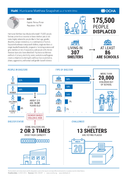
Hurricane Matthew has displaced around 175,500 people. Serious protection concerns in these shelters put at risk some highly vulnerable people due to their age, gender, disability, sexual orientation, or a combination of factors. Separated and unacc
...
ompanied children, single mothers or single-headed households, pregnant or lactating women and girls, families at risk of separation, and people with chronic illnesses have also been identified. Psychosocial distress and lack of privacy, electricity, water, sanitation and hygiene create a situation in which girls and boys face exploitation, abuse, aggression, and sexual and gender based violence.
more
The document provides comprehensive guidelines on cholera outbreak management, including prevention, diagnosis, and treatment. It emphasizes rapid response measures, the importance of rehydration therapy (oral
...
and intravenous), and public health interventions such as water sanitation, hygiene promotion, and disease surveillance to control the spread of cholera in affected communities. It is designed as a resource for healthcare providers and public health officials.
more
The document provides comprehensive guidelines on cholera outbreak management, including prevention, diagnosis, and treatment. It emphasizes rapid response measures, the importance of rehydration therapy (oral
...
and intravenous), and public health interventions such as water sanitation, hygiene promotion, and disease surveillance to control the spread of cholera in affected communities. It is designed as a resource for healthcare providers and public health officials.
more
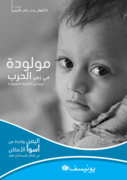
According to the report:
More than 5,000 children have been killed or injured in the violence – an average of five children every day since March 2015.
More than 11 million children now need humanitarian assistance – nearly every child in Yemen.
More than half of the country’s
...
children don’t have access to safe drinking water or adequate sanitation.
An estimated 1.8 million children are acutely malnourished, including nearly 400,000 severe acutely malnourished children who are fighting for their lives.
Nearly 2 million children are out of school, including almost half a million who dropped out since the conflict escalated in March 2015.
Suspected cholera and acute watery diarrhea have affected over 1 million people, with children under 5 years old accounting for a quarter of all cases.
more
The document presents Cameroon's National Response Plan for the 2018 cholera outbreak, covering August to October 2018. It highlights the epidemiological situation, with outbreaks reported in the North and Central regions
...
and a total of 109 suspected cases and 9 deaths by July 2018. The plan outlines strategies for controlling the epidemic, including epidemiological surveillance, improved access to clean water, sanitation, mass vaccination, community awareness campaigns, and hospital and community-based treatment.
The response is coordinated by the Ministry of Public Health, WHO, and various partners, focusing on early detection, rapid response, and multi-sectoral collaboration. Challenges include poor sanitation, limited healthcare infrastructure, and cross-border disease transmission risks. The plan emphasizes resource mobilization, monitoring, and evaluation to contain the outbreak and prevent future cases.
more
Malawi's Ministry of Health officially declared on August 16, 2023, that the cholera outbreak is no longer a national health emergency. Since the outbreak began in February 2022, the country recorded 58,982 cholera cases and 1,768 deaths. Through co
...
ordinated efforts by the government, development partners, and local communities, the outbreak has been contained in 26 out of 29 districts.
Only a few isolated cases remain in areas affected by Cyclone Freddy. The Minister of Health emphasized the importance of water, sanitation, and hygiene (WASH) initiatives to prevent future outbreaks. The World Health Organization (WHO) praised Malawi’s progress and pledged continued support to mitigate remaining risks.
more
On 19 August 2016, the former UN Secretary-General announced a new approach to cholera in Haiti, consisting of two tracks. Track 1 focuses on reducing cholera transmission, improving access to care, and addressing
...
water, sanitation, and health system issues. Track 2 aims to provide material assistance to those most affected by cholera. The Secretary-General urged Member States to show solidarity with Haiti by increasing contributions. The UN General Assembly, in resolution 71/161, recognized the UN's moral responsibility to cholera victims and called for support to eliminate cholera and address its victims' suffering. The Secretary-General was requested to provide an update on the progress of this approach.
more

Children with disabilities are particularly vulnerable in humanitarian settings, yet they are often not able to access the services and protection they need. While multiple factors create these barriers, a major cause is how data about children with
...
disabilities is collected and mapped. Data collection processes often exclude or underrepresent the views of children with disabilities and thier caretakers. When the experiences of children with disabilities and their caretakers are not defined and collected, they become excluded from mainstreamed protective services, which are meant to serve all children. Children with disabilities also do not get the specialised interventions they need.
This guidance note explores how to use qualitative methods to create more robust assessment processes to ensure more effective programming and services for children with disabilities. This note provides promising practices for engaging with children with disabilities and includes sample tools that can be tailored to fit the needs of a particular assessment process. The note also explores the importance of thoughtful cross-sectoral responses so that children with disabilities, and their families, are carefully considered in areas like water, sanitation, and hygiene (WASH), education, health, and nutrition, and therefore receive the holistic support they need and deserve.
This note is intended for a broad audience of relevant child protection actors, including practitioners, coordination groups, researchers, and donors. The information is not limited to one type of humanitarian setting, geographic region, or culture. As a result, the practices and guidance should be adapted to each specific context, ideally in partnership with well-informed local actors, such as representatives from local organisations for persons with disabilities.
more
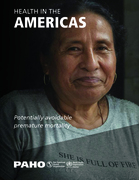
n recent decades, a significant improvement in people’s general health conditions has occurred, leading to an increase in life expectancy at birth in most countries in the Region of the Americas. This progress has been the result of both health technology advances – antibiotics, vaccines,
...
and other treatments – and improvements in the conditions in which people live, including increased access to improved drinking water and sanitation, and health services. Nevertheless, progress has slowed in recent years, and achievements have varied among countries and territories, as well as within them. In the journey toward universal health, it is essential to have the ability to monitor and assess progress in terms of the ultimate goal of health systems: improving the health and well-being of populations. To this end, this edition of Health in the Americas analyzes the standardized rate of potentially avoidable premature mortality as an indicator of health system performance, considering both its preventable component through public and intersectoral health interventions, as well as the treatable component, related to the effectiveness of health services, that is, the quality of health care. The analysis of potentially avoidable premature mortality provides a metric for comparing and tracking performance over time.
more
This dataset contains data from WHO's data portal covering the following categories:
Air pollution, Antimicrobial resistance (AMR), Assistive technology, Child mortality, Dementia diagnosis, treatment and care, Dementia policy
...
and legislation, Environment and health, Foodborne Diseases Estimates, Global Dementia Observatory (GDO), Global Health Estimates: Life expectancy and leading causes of death and disability, Global Information System on Alcohol and Health, Global Patient Safety Observatory, HIV, Health financing, Health systems, Health taxes, Health workforce, Hepatitis, Immunization coverage and vaccine-preventable diseases, Malaria, Maternal and reproductive health, Mental health, Neglected tropical diseases, Noncommunicable diseases, Nutrition, Oral Health, Priority health technologies, Resources for Substance Use Disorders, Road Safety, SDG Target 3.8 | Achieve universal health coverage (UHC), Sexually Transmitted Infections, Tobacco control, Tuberculosis, Vaccine-preventable communicable diseases, Violence against women, Violence prevention, Water, sanitation and hygiene (WASH), World Health Statistics.
more
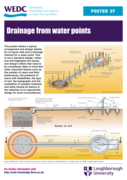
Drainage from water points
Skinner, B.; Chatterton, K. and R. Shaw
Water, Engineering and Development Centre (WEDC) Loughborough University, UK
(2013)
CC

Safe sanitation is essential for health, from preventing infections to improving and maintaining mental and social
well-being. Lack of adequate
...
sanitation contributes to diarrhoeal diseases, parasitic infections, and undernutrition, as
well as posing significant risks and causing anxiety, especially for women and girls. Achieving universal access to safe
sanitation, which protects health, privacy, and dignity, is a global development goal and a recognized basic human right.
more
This document is designed to assist UNICEF and WHO country offices in collaborating with national, sub-national, and
local counterparts to implement the UNICEF Game Plan to Reach Safely Managed
...
Sanitation 2022–2030 and the WHO
Guidelines on sanitation and health. It also aims to facilitate complementary activities by sector partners towards shared
goals. The implementation steps outlined here promote greater alignment of sanitation activities among UNICEF, WHO,
and other stakeholders, including UN agencies, civil society, the private sector, and academia
more
