
Filter
2871
Text search:
humanitarian
emergency
Featured
303
814
Language
2640
93
63
60
55
41
23
13
9
7
6
5
4
4
4
4
3
3
3
3
3
2
2
2
2
2
2
2
2
2
2
2
2
2
1
1
1
1
1
1
1
1
1
1
1
1
1
1
Document type
1401
510
321
202
185
107
72
35
20
6
4
3
2
1
1
Countries
166
146
103
79
78
75
73
72
71
59
59
59
54
46
43
42
41
40
38
35
34
34
32
29
24
23
21
19
19
18
18
18
17
16
15
15
15
14
14
14
14
14
13
13
12
12
12
11
11
10
10
9
9
9
8
8
8
8
8
8
8
7
7
7
7
6
6
6
5
5
4
4
4
4
4
4
4
4
4
3
3
3
3
3
3
3
3
2
2
2
2
2
2
2
2
2
2
2
2
2
2
1
1
1
1
1
1
1
1
1
1
1
1
1
1
1
1
1
1
1
1
1
1
1
1
1
1
Authors & Publishers
320
89
75
71
61
61
55
54
45
43
35
35
32
32
31
31
27
25
24
22
22
20
20
19
18
17
15
14
14
14
13
13
13
12
12
12
12
12
11
11
11
10
10
10
10
9
9
9
8
8
8
8
8
8
8
7
7
7
7
7
7
7
7
7
6
6
6
6
6
6
6
6
6
6
6
6
6
6
6
6
6
6
6
6
5
5
5
5
5
5
5
5
5
5
5
5
5
5
5
5
5
5
5
5
5
5
5
5
5
5
5
5
5
5
4
4
4
4
4
4
4
4
4
4
4
4
4
4
4
4
4
4
4
4
4
4
4
3
3
3
3
3
3
3
3
3
3
3
3
3
3
3
3
3
3
3
3
3
3
3
3
3
3
3
3
3
3
3
3
3
3
3
3
3
3
3
3
3
3
3
3
3
3
3
3
3
3
3
3
3
3
3
3
2
2
2
2
2
2
2
2
2
2
2
2
2
2
2
2
2
2
2
2
2
2
2
2
2
2
2
2
2
2
2
2
2
2
2
2
2
2
2
2
2
2
2
2
2
2
2
2
2
2
2
2
2
2
2
2
2
2
2
2
2
2
2
2
2
2
2
2
2
2
2
2
2
2
2
2
2
2
2
2
2
2
2
2
2
2
2
2
2
2
2
2
2
2
2
2
2
2
2
2
2
2
2
2
2
2
2
2
2
2
2
2
2
2
2
2
2
2
2
2
2
2
2
2
2
2
2
2
2
2
2
2
2
2
2
2
2
2
2
2
2
2
2
2
2
2
2
2
2
2
2
2
2
2
2
1
1
1
1
1
1
1
1
1
1
1
1
1
1
1
1
1
1
1
1
1
1
1
1
1
1
1
1
1
1
1
1
1
1
1
1
1
1
1
1
1
1
1
1
1
1
1
1
1
1
1
1
1
1
1
1
1
1
1
1
1
1
1
1
1
1
1
1
1
1
1
1
1
1
1
1
1
1
1
1
1
1
1
1
1
1
1
1
1
1
1
1
1
1
1
1
1
1
1
1
1
1
1
1
1
1
1
1
1
1
1
1
1
1
1
1
1
1
1
1
1
1
1
1
1
1
1
1
1
1
1
1
1
1
1
1
1
1
1
1
1
1
1
1
1
1
1
1
1
1
1
1
1
1
1
1
1
1
1
1
1
1
1
1
1
1
1
1
1
1
1
1
1
1
1
1
1
1
1
1
1
1
1
1
1
1
1
1
1
1
1
1
1
1
1
1
1
1
1
1
1
1
1
1
1
1
1
1
1
1
1
1
1
1
1
1
1
1
1
1
1
1
1
1
1
1
1
1
1
1
1
1
1
1
1
1
1
1
1
1
1
1
1
1
1
1
1
1
1
1
1
1
1
1
1
1
1
1
1
1
1
1
1
1
1
1
1
1
1
1
1
1
1
1
1
1
1
1
1
1
1
1
1
1
1
1
1
1
1
1
1
1
1
1
1
1
1
1
1
1
1
1
1
1
1
1
1
1
1
1
1
1
1
1
1
1
1
1
1
1
1
1
1
1
1
1
1
1
1
1
1
1
1
1
1
1
1
1
1
1
1
1
1
1
1
1
1
1
1
1
1
1
1
1
1
1
1
1
1
1
1
1
1
1
1
1
1
1
1
1
1
1
1
1
1
1
1
1
1
1
1
1
1
1
1
1
1
1
1
1
1
1
1
1
1
1
1
1
1
1
1
1
1
1
1
1
1
1
1
1
1
1
1
1
1
1
1
1
1
1
1
1
1
1
1
1
1
1
1
1
1
1
1
1
1
1
1
1
1
1
1
1
1
1
1
1
1
1
1
1
1
1
1
1
1
1
1
1
1
1
1
1
1
1
1
1
1
1
1
1
1
1
1
1
1
1
1
1
1
1
1
1
1
1
1
1
1
1
1
1
1
1
1
1
1
1
1
1
1
1
1
1
1
1
1
1
1
1
1
1
1
1
1
1
1
1
1
1
1
1
1
1
1
1
1
1
1
1
1
1
1
1
1
1
1
1
1
1
1
1
1
1
1
1
1
1
1
1
1
1
1
1
1
1
1
1
1
1
1
1
1
1
1
1
1
1
1
1
1
1
1
1
1
1
1
1
1
1
1
1
1
1
1
1
1
1
1
1
1
1
1
1
1
1
1
1
1
1
1
1
1
1
1
1
1
1
1
1
1
1
1
1
1
1
1
1
1
1
1
1
1
1
1
1
1
1
1
1
1
1
1
1
1
1
1
1
1
1
1
1
1
1
1
1
1
1
1
1
1
1
1
1
1
1
1
1
1
1
1
1
1
1
1
1
1
1
1
1
1
1
1
1
1
1
1
1
1
1
1
1
1
1
1
1
1
1
1
1
1
1
1
1
1
1
1
1
1
1
1
1
1
1
1
1
1
1
1
1
1
1
1
1
1
1
1
1
1
1
1
1
1
1
1
1
1
1
1
1
1
1
1
1
1
1
1
1
1
1
1
1
1
1
1
1
1
1
1
1
1
1
1
1
1
1
1
1
1
1
1
1
1
1
1
1
1
1
1
1
1
1
1
1
1
1
1
1
1
1
1
1
1
1
1
1
1
1
1
1
1
1
1
1
1
1
1
1
1
1
1
1
1
1
1
1
1
1
1
1
1
1
1
1
1
1
1
1
1
1
1
1
1
1
1
1
1
1
1
1
1
1
1
1
1
1
1
1
1
1
1
1
1
1
1
1
1
1
1
1
1
1
1
1
1
1
1
1
1
1
1
1
1
1
1
1
1
1
1
1
1
1
1
1
1
1
1
1
1
1
1
1
1
1
1
1
1
1
1
1
1
1
1
1
1
1
1
1
1
1
1
1
1
1
1
1
1
1
1
1
1
1
1
1
1
1
1
1
1
1
1
1
1
1
1
1
1
1
1
1
1
1
1
1
1
1
1
1
1
1
1
1
1
1
1
1
1
1
1
1
1
1
1
1
1
1
1
1
1
1
1
1
1
1
1
1
1
1
1
1
1
1
1
1
1
1
1
1
1
1
1
1
1
1
1
1
1
1
1
1
1
1
1
1
1
1
1
1
1
1
1
1
1
1
1
1
1
1
1
1
1
1
1
1
1
1
1
1
1
1
1
1
1
1
1
1
1
1
1
1
1
1
1
1
1
1
1
1
1
1
1
1
1
1
1
1
1
1
1
1
1
1
1
1
1
1
1
1
1
1
1
1
1
1
1
1
1
1
1
1
1
1
1
1
1
1
1
1
1
1
1
1
1
1
1
1
1
1
1
1
1
1
1
1
1
1
1
1
1
1
1
1
1
1
1
1
1
1
1
1
1
1
1
1
1
1
1
1
1
1
1
1
1
1
1
1
1
1
1
1
1
1
1
1
1
1
1
1
1
1
1
1
1
1
1
1
1
1
1
1
1
1
1
1
1
1
1
1
1
1
1
1
1
1
1
1
1
1
1
1
1
1
1
1
1
1
1
1
1
1
1
1
1
1
1
1
1
1
1
1
1
1
1
1
1
1
1
1
1
1
1
1
1
1
1
1
1
1
1
1
1
1
1
1
1
1
1
1
1
1
1
1
1
1
1
1
1
1
1
1
1
1
1
1
1
1
1
1
1
1
1
1
1
1
1
1
1
1
1
1
1
1
1
1
1
1
1
1
1
1
1
1
1
1
1
1
1
1
1
1
1
1
1
1
1
1
1
1
1
1
1
1
1
1
1
1
1
1
1
1
1
1
1
1
1
1
1
1
1
1
1
1
1
1
1
1
1
1
1
1
1
1
1
1
1
1
1
1
1
1
1
1
1
1
1
1
1
1
1
1
1
1
1
1
1
1
1
1
1
1
1
1
1
1
1
1
1
1
1
1
1
1
1
1
1
1
1
1
1
1
1
1
1
1
1
1
1
1
1
1
1
1
1
1
1
1
1
1
1
1
1
1
1
1
1
1
1
1
1
1
1
1
1
1
1
1
1
1
1
1
1
1
1
1
1
1
1
1
1
1
1
1
1
1
1
1
1
1
1
1
1
1
1
1
1
1
1
1
1
1
1
1
1
1
1
1
1
1
1
1
1
1
1
1
1
1
1
1
1
1
1
1
1
1
1
1
1
1
1
1
1
1
1
1
1
1
1
1
1
1
1
1
1
1
1
1
1
1
1
1
1
1
1
1
1
1
1
1
1
1
1
1
1
1
1
1
1
1
1
1
1
1
1
1
1
1
Publication Years
1128
1541
189
13
Category
959
453
191
111
102
49
8
1
Toolboxes
379
345
189
169
159
137
121
108
76
58
54
47
39
34
28
27
22
20
18
16
16
13
12
12
4
2
2
Globally each year, millions of people suffer illness or lose their lives because the vaccines, medicines and diagnostic tests that they need are either unavailable or unaffordable – and this lack of access to medicine is acute in low- and middle-in-
come countries (LMICs). While the COVID-19 pan
...
demic laid this inequity bare, it also saw the pharmaceutical industry develop and bring new vaccines and treat- ments to market at unprecedented speed. As the world emerges from the worst
of this crisis, pharmaceutical companies are now at an important juncture, where lessons learned from the pandemic can prove pivotal in finding solutions to bridge long-standing gaps in access to medicine in LMICs.
more
Руководство по осуществлению mhGAP
recommended
The WHO Mental Health Gap Action Programme (mhGAP) aims at scaling up mental health services in non-specialized health settings to achieve universal health coverage. The mhGAP operations manual is an integral component of the mhGAP package and supports district health managers and others responsible
...
for integrating mental and physical health services. The manual offers practical guidance and necessary tools for planning, preparing, implementing, monitoring and evaluating mhGAP
more
These country reports provide information on the legal situation for displaced populations, namely asylum seekers, refugees, and returnees, where relevant, regarding access to mobile services, in each country covered
Some 32% of internally displaced persons (IDPs) in Ukraine suffer from post-traumatic stress disorder (PTSD) as a result of the conflict in the east.
Among the 2,203 respondents surveyed across Ukraine, the study also found a high prevalence of mental disorders such as depression (22%) and anxiety
...
(17%), particularly among women. This has a significant effect on family and community relations, the ability to work or even do basic tasks such as walking.
Moreover, the study noted that 74% of respondents in need of psychiatric care do not receive it, mainly due to a high cost of mental healthcare and medicine.
more
The global doctor
Willott C et al.
UCL Institute for Global Health and Development Education Research Centre, Institute of Education
(2012)
C2
This report explores the reasons why global health is critical to medicine and what this means for medical education. It argues that an understanding of global health is important for all students and practicing doctors, rather than being an ‘add-on’ or ‘option’ for specialization.
Climate Change Toolkit for Health Professionals
recommended
This toolkit consists of eight modules which have been prepared as stand-alone documents that can be read by themselves, but they have also been prepared to complement one another. It has been designed as a tool for health professionals and students in the health care and public health sectors who
...
want to engage more directly on the issue of climate change as educators with their patients, peers and communities, and/or as advocates for the policies, programs and practices needed to mitigate climate change and/or prepare for climate change in their workplaces and communities
more
In the post-colonial history of the Central African Republic, violence has often been the shortest way to presidential power. President Bozizé presented little deviation from this narrative after coming to power after a coup d’état in 2003. Whilst he faced armed opposition and a conflict-affecte
...
d northwest from the outset, it is not until the rise of the Séléka, that the CAR entered into an era of unprecedented violence.
more

Self-care interventions are among the most promising and exciting new approaches to improve health and well-being, both from a health systems perspective and for people who use these interventions. The World Health Organization (WHO) uses the following working definition of self-care: Self-care is t
...
he ability of individuals, families and communities to promote health, prevent disease, maintain health, and cope with illness and disability with or without the support of a health- care provider
more
Procédures de gestion clinique standard.
La maladie à virus Ebola (MVE) est une maladie multisystémique potentiellement mortelle qui entraîne souvent une hypovolémie, une acidose métabolique, une hypoglycémie et une défaillance multi-viscérale. L'épidémie prolongée de MVE en Afrique de
...
l'Ouest en 2013-2016 a permis une évolution dans le domaine des soins telle qu'à la fin de l'épidémie, de nombreux patients ont pu recevoir des soins de support individualisés et optimisés, dont la réanimation hydro-électrolytique, le contrôle des symptômes, la surveillance biologique en laboratoire et au chevet de la glycémie et des électrolytes, la prise en charge des défaillances d’organe, ainsi que la détection et le traitement rapides des co-infections, contribuant ainsi à une réduction de la mortalité.
Toutefois, le niveau des soins varie considérablement d'un centre de traitement Ebola (CTE) à l'autre, au cours de la même épidémie, ainsi que d’une épidémie à l’autre
more
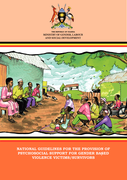
National guidelines for the provision of psychosocial support for gender based violence victims/survivors
recommended
Ministry of gender, labour and social development
Ministry of gender, labour and social development
(2011)
CC
Psychosocial support is a very important component in Gender Based Violence response that provide appropriate care, protection and social integration. Psychological aspects affect thoughts, emotions, behavior, memory, learning ability, perceptions and understanding. While the social aspects have ef
...
fects on relationships, often shaped by traditions, culture ,values, family and community, but also include one’s status in the community and economic wellbeing. These have different effects on the women, men, boys and girls as victims /survivors and perpetuators.
more
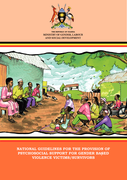
National guidelines for the provision of psychosocial support for gender based violence victims survivors
recommended
Ministry of gender, labour and social development
Ministry of gender, labour and social development
(2011)
Psychosocial support is a very important component in Gender Based Violence response that provide appropriate care, protection and social integration. Psychological aspects affect thoughts, emotions, behavior, memory, learning ability, perceptions and understanding. While the social aspects have ef
...
fects on relationships, often shaped by traditions, culture ,values, family and community, but also include one’s status in the community and economic wellbeing. These have different effects on the women, men, boys and girls as victims /survivors and perpetuators.
more
BMJ Global Health2019;4:e001504. doi:10.1136/bmjgh-2019-00150
No Public Health without Refugee and Migrant health.
This report, the first of its kind, creates an evidence base with the aim of catalysing progress towards developing and promoting migrant-sensitive health systems in the 53 Member States of the WHO European Region and beyond. This report seeks to
...
illuminate the causes, conse-quences and responses to the health needs and challenges faced by refugees and migrants in the Region, while also providing a snapshot of the progress being made across the Region. Additionally, the report seeks to identify gaps that require further action through collaboration, to improve the collection and availability of high-quality data and to stimulate policy initiatives
more

Regional situation analysis, practices, experiences, lessons learned and ways forward.
Public Health Aspects of Mental Health Among Migrants and Refugees: A Review of the Evidence on Mental Health Care for Refugees, Asylum Seekers and Irregular Migrants in the WHO European Region
Priebe, S.; D. Giacco, and Rawda El-Nagib.
World Health Organization WHO; Regional Office Europe
(2016)
C_WHO
Health Evidence Network Synthesis Report, No. 47
The increasing number of refugees, asylum seekers and irregular migrants poses a challenge for mental health services in Europe. This review found that these groups are exposed to risk factors for mental disorders before, during and after migration.
...
The prevalence rates of psychotic, mood and substance use disorders in these groups are variable but overall are similar to those in the host populations; however, the rates of post-traumatic stress disorder in refugees and asylum seekers are higher.
more
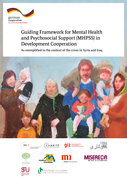
This paper was commissioned by the German Federal Ministry for Economic Cooperation and Development (BMZ) in 2015, and produced by the Deutsche Gesellschaft für Internationale Zusammenarbeit (GIZ) GmbH, in cooperation with German civil society actors and freelance psychologists working in the field
...
of Mental Health and Psychosocial Support (MHPSS) with refugees and internally displaced people (IDP) in both the Middle Eastern region and Germany. The commission arose from BMZ’s wish for guidance on the characteristics of good working practices in MHPSS and the desire expressed by GIZ’s civil society partners in the regional programme Psychosocial Support for Syrian and Iraqi Refugees and Internally Displaced People for more intensive dialogue to promote MHPSS in the context of the Syria and Iraq crises.
more
At least half of the world’s population does not have full coverage of essential health services. Health expenses push more than 100 million people into extreme poverty each and every year, forcing them into terrible choices that no one should ever have to make: Buy medicine or food? Education or
...
health care? These stark statistics make the case for universal health coverage compelling.
more
This report tells the stories of some of the world’s 7.1 million refugee children of school age under UNHCR’s mandate. In addition, it looks at the educational aspirations of refugee youth eager to continue learning after secondary education, and highlights the need for strong partnerships in o
...
rder to break down the barriers to education for millions of refugee children.
more
