
Filter
3594
Text search:
middle
income
country
Featured
303
868
Language
3513
84
80
64
42
25
22
9
4
3
3
3
3
2
2
2
2
1
1
1
1
1
1
1
1
1
1
1
1
1
1
1
1
1
1
1
Document type
1713
1011
378
189
159
51
42
24
17
4
3
1
Countries
308
114
99
87
71
63
57
56
54
54
53
52
51
48
48
48
48
41
40
39
37
37
29
28
26
25
25
24
24
22
21
21
21
20
20
19
18
17
17
16
14
14
14
13
11
11
11
10
10
10
10
10
9
9
9
9
7
7
7
7
7
7
7
7
6
6
6
6
5
5
5
5
5
5
5
4
4
4
4
4
3
3
3
3
3
3
3
3
3
3
3
3
2
2
2
2
2
2
2
2
2
2
2
1
1
1
1
1
1
1
1
1
1
1
1
1
1
1
1
1
1
1
1
1
1
1
1
1
1
1
1
1
1
1
1
1
1
Authors & Publishers
634
155
154
146
127
64
61
57
33
30
30
25
19
18
18
16
16
15
15
14
13
13
12
12
11
11
11
11
11
11
10
10
10
10
10
10
10
10
10
9
9
9
9
9
9
9
9
8
8
8
8
8
8
8
8
8
8
8
8
7
7
6
6
6
6
6
6
6
6
6
6
6
6
6
6
6
6
6
6
5
5
5
5
5
5
5
5
5
5
5
5
5
4
4
4
4
4
4
4
4
4
4
4
4
4
4
4
4
4
4
4
4
4
4
4
4
4
4
4
4
3
3
3
3
3
3
3
3
3
3
3
3
3
3
3
3
3
3
3
3
3
3
3
3
3
3
3
3
3
3
3
3
3
3
3
3
3
3
3
3
3
3
3
3
3
3
3
3
3
3
3
3
3
3
3
3
3
3
3
3
3
3
3
3
3
3
3
3
3
2
2
2
2
2
2
2
2
2
2
2
2
2
2
2
2
2
2
2
2
2
2
2
2
2
2
2
2
2
2
2
2
2
2
2
2
2
2
2
2
2
2
2
2
2
2
2
2
2
2
2
2
2
2
2
2
2
2
2
2
2
2
2
2
2
2
2
2
2
2
2
2
2
2
2
2
2
2
2
2
2
2
2
2
2
2
2
2
2
2
2
2
2
2
2
2
2
2
2
2
2
2
2
2
2
2
2
2
2
2
2
2
2
2
2
2
2
2
2
2
2
2
2
2
2
2
2
2
2
2
2
2
2
2
2
2
2
2
2
2
2
2
2
2
2
2
2
2
2
2
2
2
2
2
2
2
2
2
2
2
2
2
2
2
2
2
2
2
2
2
2
2
2
2
2
2
2
2
1
1
1
1
1
1
1
1
1
1
1
1
1
1
1
1
1
1
1
1
1
1
1
1
1
1
1
1
1
1
1
1
1
1
1
1
1
1
1
1
1
1
1
1
1
1
1
1
1
1
1
1
1
1
1
1
1
1
1
1
1
1
1
1
1
1
1
1
1
1
1
1
1
1
1
1
1
1
1
1
1
1
1
1
1
1
1
1
1
1
1
1
1
1
1
1
1
1
1
1
1
1
1
1
1
1
1
1
1
1
1
1
1
1
1
1
1
1
1
1
1
1
1
1
1
1
1
1
1
1
1
1
1
1
1
1
1
1
1
1
1
1
1
1
1
1
1
1
1
1
1
1
1
1
1
1
1
1
1
1
1
1
1
1
1
1
1
1
1
1
1
1
1
1
1
1
1
1
1
1
1
1
1
1
1
1
1
1
1
1
1
1
1
1
1
1
1
1
1
1
1
1
1
1
1
1
1
1
1
1
1
1
1
1
1
1
1
1
1
1
1
1
1
1
1
1
1
1
1
1
1
1
1
1
1
1
1
1
1
1
1
1
1
1
1
1
1
1
1
1
1
1
1
1
1
1
1
1
1
1
1
1
1
1
1
1
1
1
1
1
1
1
1
1
1
1
1
1
1
1
1
1
1
1
1
1
1
1
1
1
1
1
1
1
1
1
1
1
1
1
1
1
1
1
1
1
1
1
1
1
1
1
1
1
1
1
1
1
1
1
1
1
1
1
1
1
1
1
1
1
1
1
1
1
1
1
1
1
1
1
1
1
1
1
1
1
1
1
1
1
1
1
1
1
1
1
1
1
1
1
1
1
1
1
1
1
1
1
1
1
1
1
1
1
1
1
1
1
1
1
1
1
1
1
1
1
1
1
1
1
1
1
1
1
1
1
1
1
1
1
1
1
1
1
1
1
1
1
1
1
1
1
1
1
1
1
1
1
1
1
1
1
1
1
1
1
1
1
1
1
1
1
1
1
1
1
1
1
1
1
1
1
1
1
1
1
1
1
1
1
1
1
1
1
1
1
1
1
1
1
1
1
1
1
1
1
1
1
1
1
1
1
1
1
1
1
1
1
1
1
1
1
1
1
1
1
1
1
1
1
1
1
1
1
1
1
1
1
1
1
1
1
1
1
1
1
1
1
1
1
1
1
1
1
1
1
1
1
1
1
1
1
1
1
1
1
1
1
1
1
1
1
1
1
1
1
1
1
1
1
1
1
1
1
1
1
1
1
1
1
1
1
1
1
1
1
1
1
1
1
1
1
1
1
1
1
1
1
1
1
1
1
1
1
1
1
1
1
1
1
1
1
1
1
1
1
1
1
1
1
1
1
1
1
1
1
1
1
1
1
1
1
1
1
1
1
1
1
1
1
1
1
1
1
1
1
1
1
1
1
1
1
1
1
1
1
1
1
1
1
1
1
1
1
1
1
1
1
1
1
1
1
1
1
1
1
1
1
1
1
1
1
1
1
1
1
1
1
1
1
1
1
1
1
1
1
1
1
1
1
1
1
1
1
1
1
1
1
1
1
1
1
1
1
1
1
1
1
1
1
1
1
1
1
1
1
1
1
1
1
1
1
1
1
1
1
1
1
1
1
1
1
1
1
1
1
1
1
1
1
1
1
1
1
1
1
1
1
1
1
1
1
1
1
1
1
1
1
1
1
1
1
1
1
1
1
1
1
1
1
1
1
1
1
1
1
1
1
1
1
1
1
1
1
1
1
1
1
1
1
1
1
1
1
1
1
1
1
1
1
1
1
1
1
1
1
1
1
1
1
1
1
1
1
1
1
1
1
1
1
1
1
1
1
1
1
1
1
1
1
1
1
1
1
1
1
1
1
1
1
1
1
1
1
1
1
1
1
1
1
1
1
1
1
1
1
1
1
1
1
1
1
1
1
1
1
1
1
1
1
1
1
1
1
1
1
1
1
1
1
1
1
1
1
1
1
1
1
1
1
1
1
1
1
1
1
1
1
1
1
1
1
1
1
1
1
1
1
1
1
1
1
1
1
1
1
1
1
1
1
1
1
1
1
1
1
1
1
1
1
1
1
1
1
1
1
1
1
1
1
1
1
1
1
1
1
1
1
1
1
1
1
1
1
1
1
1
1
1
1
1
1
1
1
1
1
1
1
1
1
1
1
1
1
1
1
1
1
1
1
1
1
1
1
1
1
1
1
1
1
1
1
1
1
1
1
1
1
1
1
1
1
1
1
1
1
1
1
1
1
1
1
1
1
1
1
1
1
1
1
1
1
1
1
1
1
1
1
1
1
1
1
1
1
1
1
1
1
1
1
1
1
1
1
1
1
1
1
1
1
1
1
1
1
1
1
1
1
1
1
1
1
1
1
1
1
1
1
1
1
1
1
1
1
1
1
1
1
1
1
1
1
1
1
1
1
1
1
1
1
1
1
1
1
1
1
1
1
1
1
1
1
1
1
1
1
1
1
1
1
1
1
1
1
1
1
1
1
1
1
1
1
1
1
1
1
1
1
1
1
1
1
1
1
1
1
1
1
1
1
1
1
1
1
1
1
1
1
1
1
1
1
1
1
1
1
1
1
1
1
1
1
1
1
1
1
1
1
1
1
1
1
1
1
1
1
1
1
1
1
1
1
1
1
1
1
1
1
1
1
1
1
1
1
1
1
1
1
1
1
1
1
1
1
1
1
1
1
1
1
1
1
1
1
1
1
1
1
1
1
1
1
1
1
1
1
1
1
1
1
1
1
1
1
1
1
1
1
1
1
1
1
1
1
1
1
1
1
1
1
1
1
1
1
1
1
1
1
1
1
1
1
1
1
1
1
1
1
1
1
1
1
1
1
1
1
1
1
1
1
1
1
1
1
1
1
1
1
1
1
1
1
1
1
1
1
1
1
1
1
1
1
1
1
1
1
1
1
1
1
1
1
1
1
1
1
1
1
1
1
1
1
1
1
1
1
1
1
1
1
1
1
1
1
1
1
1
1
1
1
1
1
1
1
1
1
1
1
1
1
1
1
1
1
1
1
1
1
1
1
1
1
1
1
1
1
1
1
1
1
1
1
1
1
1
1
1
1
1
1
1
1
1
1
1
1
1
1
1
1
1
1
1
1
1
1
1
1
1
1
1
1
1
1
1
1
1
1
1
1
1
1
1
1
1
1
1
1
1
1
1
1
1
1
1
1
1
1
1
1
1
1
1
1
1
1
1
1
1
1
1
1
1
1
1
1
1
1
1
1
1
1
1
1
1
1
1
1
1
1
1
1
1
1
1
1
1
1
1
1
1
1
1
1
1
1
1
1
1
1
1
1
1
1
1
1
1
1
1
1
1
1
1
1
1
1
1
1
1
1
1
1
1
1
1
1
1
1
1
1
1
1
1
1
1
1
1
1
1
1
1
1
1
1
1
1
1
1
1
1
1
1
1
1
1
1
1
1
1
1
1
1
1
1
1
1
1
1
1
1
1
1
1
1
1
1
1
1
1
1
1
1
1
1
1
1
1
1
1
1
1
1
1
1
1
1
1
1
1
1
1
1
1
1
1
1
1
1
1
1
1
1
1
1
1
1
1
1
1
1
1
1
1
1
1
1
1
1
1
1
1
1
1
1
1
1
1
1
1
1
1
1
1
1
1
1
1
1
1
1
1
1
1
1
1
1
1
1
1
1
1
1
1
1
1
1
1
1
1
1
1
1
1
1
1
1
1
1
1
1
1
1
1
1
1
1
1
1
1
1
1
1
1
1
1
1
1
1
1
1
1
1
1
1
1
1
1
1
1
1
1
1
1
1
1
1
1
1
1
1
1
1
1
1
1
1
1
1
1
1
1
1
1
1
1
1
1
1
1
1
1
1
1
1
1
1
1
1
1
1
1
1
1
1
1
1
1
1
1
1
1
1
1
1
1
1
1
1
1
1
1
1
1
1
1
1
1
1
1
1
1
1
1
1
1
1
1
1
1
1
1
1
1
1
1
1
1
1
1
1
1
1
1
1
1
1
1
1
1
1
1
1
1
1
1
1
1
1
1
1
1
1
1
1
1
1
1
1
1
1
1
1
1
1
1
1
1
1
1
1
1
1
1
1
1
1
1
1
1
1
1
1
1
1
1
1
1
1
1
1
1
1
1
1
1
1
1
1
1
1
1
1
1
1
1
1
1
1
1
1
1
1
1
1
1
1
1
1
1
1
1
1
1
1
1
1
1
1
1
1
1
1
1
1
1
1
1
1
1
1
1
1
1
1
1
1
1
1
1
1
1
1
1
1
1
1
1
1
1
1
1
1
1
1
1
1
1
1
1
1
1
1
1
1
1
1
1
1
1
1
1
1
1
1
1
1
1
1
1
1
1
1
1
1
1
1
1
1
1
1
1
1
1
1
1
1
1
1
1
1
1
1
1
1
1
1
1
1
1
1
1
1
1
1
1
1
1
1
1
1
1
1
1
1
1
1
1
1
1
1
1
1
1
1
1
1
1
1
1
1
1
1
1
1
1
1
1
1
1
1
1
1
1
1
1
1
1
1
1
1
1
1
1
1
1
1
1
1
1
1
1
1
1
1
1
1
1
1
1
1
1
1
1
1
1
1
1
1
1
1
1
1
1
1
1
1
1
1
1
1
1
1
1
1
1
1
1
1
1
1
1
1
1
1
1
1
1
1
1
1
1
1
1
1
1
1
1
1
1
1
1
1
1
1
1
1
1
1
1
1
1
1
1
1
1
1
1
1
1
1
1
1
1
1
1
1
1
1
1
1
1
1
1
1
1
1
1
1
1
1
1
1
1
1
1
1
1
1
1
1
1
1
1
1
1
1
1
1
1
1
1
1
1
1
1
1
1
1
1
1
1
1
1
1
1
1
1
1
1
1
1
1
1
1
1
1
1
1
1
1
1
1
1
1
1
1
1
1
1
1
1
1
1
1
1
1
1
1
1
1
1
1
1
1
1
1
1
1
1
1
1
1
1
1
1
1
1
1
1
1
1
1
1
1
1
1
1
1
1
1
1
1
1
1
1
1
1
1
1
1
1
1
1
1
1
1
1
1
1
1
1
1
1
1
1
1
1
1
1
1
1
1
1
1
1
1
1
1
1
1
1
1
1
1
1
1
1
1
1
1
1
1
1
1
1
1
1
1
1
1
1
1
1
1
1
1
1
1
1
1
1
1
1
1
1
1
1
1
1
1
1
1
1
1
1
1
1
1
1
1
1
1
1
1
1
1
1
1
1
1
1
1
1
1
1
1
1
1
1
1
1
1
1
1
1
1
1
1
1
1
1
1
1
1
1
1
1
1
1
1
1
1
1
1
1
1
1
1
1
1
1
1
1
1
1
1
1
1
1
1
1
1
1
1
1
1
1
1
1
1
1
1
1
1
1
1
1
1
1
1
1
1
1
1
1
1
1
1
1
1
1
1
1
1
1
1
1
1
1
1
1
1
1
1
1
1
1
1
1
1
1
1
1
1
1
1
1
1
1
1
1
1
1
1
1
1
1
1
1
1
1
1
1
1
1
1
1
1
1
1
1
1
1
1
1
1
1
1
1
1
1
1
1
1
1
1
1
1
1
1
1
1
1
1
1
1
1
1
1
1
1
1
1
1
1
1
1
1
1
1
1
1
1
1
1
1
1
1
1
1
1
1
1
1
1
1
1
1
1
1
1
1
1
1
1
1
1
1
1
1
1
1
1
1
1
1
1
1
1
1
1
1
1
1
1
1
1
1
1
1
1
1
1
1
1
1
1
1
1
1
1
1
1
1
1
1
1
1
1
1
1
1
1
1
1
1
1
1
1
1
1
1
1
1
1
1
1
1
1
1
1
1
1
1
1
1
1
1
1
1
1
1
1
1
1
1
1
1
1
1
1
1
1
1
1
1
1
1
1
1
1
1
1
1
1
1
1
1
1
1
1
1
1
1
1
1
1
1
1
1
1
1
1
1
1
1
1
1
1
1
1
1
1
1
1
1
1
1
1
1
1
1
1
1
1
1
1
1
1
1
1
1
1
1
1
1
1
1
1
1
1
1
1
1
1
1
1
1
1
1
1
1
1
1
1
1
1
1
1
1
1
1
1
1
1
1
1
1
1
1
1
1
1
1
1
1
1
1
1
1
1
1
1
1
1
1
1
1
1
1
1
1
1
1
1
1
1
1
1
1
1
1
1
1
1
1
1
1
1
1
1
1
1
1
1
1
1
1
1
1
1
1
Publication Years
1319
2102
167
4
2
Category
1187
302
294
231
204
42
30
3
Toolboxes
378
278
197
188
171
145
144
137
127
124
109
89
69
54
50
36
34
25
22
21
12
10
7
6
4
1
Accessed: 08.11.2020
BUKO Pharma-Kampagne has investigated the causes and consequences of antibiotic resistance in India, South Africa, Tanzania and Germany. Together with our partners we collected data and did interviews with numerous stakeholders. The outcome is presented in a brochure that is now available in English
...
Resistant bacteria are spreading worldwide. In collaboration with partners in India, Tanzania, South Africa and Germany, we have investigated the causes and consequences of this spread.2 This Pharma-Brief Special presents the results. It examines the risks for humans, animals and the environment. It focuses on local problems and approaches, international interactions and the re-sponsibility of doctors, farmers and consumers.
more
WHO working group on HIV incidence assays meeting report
10–11 December 2015
Glion, Switzerland
UNAIDS/WHO working group on global HIV/AIDS and STI surveillance
WHO/HIV/2017.03

Condoms - The prevention of HIV, other sexually transmitted infections and unintended pregnancies
UNAIDS (Joint United Nations Programme on HIVAIDS)
(2016)
C2
UNAIDS 2016 / Meeting Report
The sustainable development goals and the HIV response
UNAIDS (Joint United Nations Programme on HIVAIDS)
(2019)
C2
Stories of putting people at the centre
Accessed: 20.11.2019
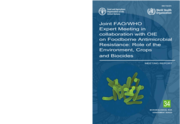
In recognition of the growing problem of antimicrobial resistance (AMR), its increasing threat to human, animal and plant health, and the need for a One Health approach to address this issue, the 39th Session of the Codex Alimentarius Commission (CAC) agreed it was important for the food safety comm
...
unity to play its part and re-established the ad hoc Codex Intergovernmental Task Force on Antimicrobial Resistance (TFAMR) ). The objectives of the Task Force were
to revise the current Codex Code of Practice to Minimise and Contain Antimicrobial Resistance and to develop new guidance on surveillance programmes relevant to foodborne AMR.
more
Antimicrobial resistance (AMR) is a complex issue of global concern. AMR is not simply a problem of medical science being beaten by nature; human action and perverse incentives play a major role in its development. The misuse of antibiotics in the medical, veterinary and agricultural sectors, which
...
include the inappropriate prescribing of antibiotics, their overuse in the livestock sector, and insufficient hygiene practices in hospital, all contribute to the rise of AMR.
more
Antimicrobial resistance (AMR) is a complex issue of global concern. AMR is not simply a problem of medical science being beaten by nature; human action and perverse incentives play a major role in its development. The misuse of antibiotics in the medical, veterinary and agricultural sectors, which
...
include the inappropriate prescribing of antibiotics, their overuse in the livestock sector, and insufficient hygiene practices in hospital, all contribute to the rise of AMR
more
The increasing global trend of Antimicrobial resistance (AMR) has gradually emerged as a major public health challenge for the entire world. AMR has spread to almost all countries and regions, including Pakistan owing to the “misuse and overuse” of Antimicrobials, contributing to the increasing
...
burden of infections due to resistant bacteria, viruses, parasites and fungi, while limiting the treatment options for managing such infections.
more
The global increase of healthcare-associated infections (HAI) presents a growing concern in healthcare worldwide. According to the European Centre for Disease Prevention and Control (ECDC), the annual number of HAI exceeds 2.6million and produces the highest estimated amou
...
nt of disability-adjust-ed-life-years, surpassing all other reported communicable diseases in the European Union and European Economic Area. Multi-drug-resistant Gram-negative (MDR-GN) bacteria have become increasingly common as a cause for HAI, such as central line-as-sociated bloodstream infections, wound or surgical site infections and catheter-associated urinary tract infections
more

Previous studies have highlighted a range of individual determinants associated with HIV testing but few have assessed the role of contextual factors. The objective of this paper is to examine the influence of both individual and community-level determinants of HIV testing uptake in Burkina Faso.

Antimicrobial resistance (AMR) is a serious public health concern with economic, social and political implications that are global in scope, and cross all environmental and ethnic boundaries. As a global threat, AMR risks the achievements of modern medicine, and has the po
...
tential to impact overall global development. It is important, therefore, to elevate AMR beyond health as part of a larger development agenda in the context of the Sustainable Development Goals (SDGs). This report provides in-depth technical discussions in areas that have direct implications to the containment of AMR as a development agenda. The report is organized in five chapters which served as the technical background documents for the Biregional Technical Consultation on AMR in Asia, 14-15 April 2016. More information from the meeting is available in the WHO Meeting Report: Biregional Technical Consultation on Antimicrobial Resistance in Asia. The meeting was the first time senior officials from the Ministry of Health and Ministry of Agriculture across Asia came together to tackle AMR
more
Produced by Training and Research Support Centre for the Regional Network for Equity in Health in east and southern Africa (EQUINET), March 20, 2020.
This brief summarises and provides links to official, scientific and other resources to support an understanding of and individual to regional level
...
responses to the epidemic of ‘novel coronavirus’, also known as COVID-19.
more
Antimicrobial resistant (AMR) organisms are increasing globally, threatening to render existing treatments ineffective against many infectious diseases. In Africa, AMR has already been documented to be a problem for HIV and the pathogens that cause malaria, tuberculosis, typhoid, cholera, meningitis
...
, gonorrhea, and dysentery. Recognizing the urgent need for action, the World Health Assembly adopted the Global Action Plan on Antimicrobial Resistance in May 2015. In accordance with the Global Action Plan and to meet needs specific to Africa, Africa CDC will establish the Anti-Microbial Resistance Surveillance Network (AMRSNET). AMRSNET is a network of public health institutions and leaders from human and animal health sectors who will collaborate to measure, prevent, and mitigate harms from AMR organisms.
more
A practical approach for developing policy and strategy to improve quality of care
The handbook outlines an approach for the development of national policies and strategies to improve the quality of care. Such policy and strategy can help clarify the structures, roles and responsibilities within n
...
ational quality efforts, support the institutionalization of a culture of quality, and secure buy-in from health system leaders and stakeholders
more
Infection Prevention and Control Programmes
January 2020
The ECA, says over 300,000 Africans could lose their lives due to COVID-19. This, as the pandemic continues to impact on the Continent’s struggling economies whose growth is expected to slow down from 3.2 percent to 1.8 percent in a best-case scenario, pushing close to 27 million people into extr
...
eme poverty.
more

WHO Guidance for Climate Resilient and Environmentally Sustainable Health Care Facilities
recommended
The aim of this guidance is to enhance the capacity of health care facilities to protect and improve the health of their target communities in an unstable and changing climate; and to empower health care facilities to be environmentally sustainable, by optimizing the use of resources and minimizing
...
the release of waste into the environment. Climate resilient and environmentally sustainable health care facilities contribute to high quality of care and accessibility of services, and by helping reduce facility costs also ensure better affordability. They are, therefore, an important component of universal health coverage (UHC).
more
School health programmes have been demonstrated to be the most cost-effective way to influence health behaviours in young people. The purpose of this two-part handbook is to support schools as they seek to implement interventions aimed at reducing the main modifiable risk behaviours f
...
or noncommunicable diseases (NCDs) . The background provided in this Introduction handbook and the approaches and advice outlined in the Practical application handbook focuses on providing young people with the knowledge, attitudes, beliefs and life skills necessary for making informed decisions, and creating a healthy school environment that can reduce the risk of NCDs
more
