
Filter
2435
Text search:
Functional
impact
Featured
233
731
Language
2364
50
31
31
19
16
12
5
3
2
2
1
1
1
1
1
1
1
1
1
1
Document type
1391
369
298
157
142
33
24
17
2
1
1
Countries
125
107
90
81
65
64
60
57
54
49
48
44
40
39
38
36
35
34
32
27
23
21
21
21
20
18
18
16
15
15
14
14
13
13
12
12
12
11
10
9
9
9
8
8
8
7
7
7
7
7
7
7
6
6
6
5
5
4
4
4
4
3
3
3
3
3
3
3
2
2
2
2
2
2
2
2
2
2
2
1
1
1
1
1
1
1
1
1
1
1
1
1
1
1
1
1
1
1
1
1
1
1
1
1
1
1
1
1
1
Authors & Publishers
330
78
78
77
66
53
46
39
32
21
20
17
16
15
13
12
11
11
11
10
10
10
10
10
9
9
9
9
9
9
9
8
8
8
8
8
8
8
8
7
7
7
7
7
7
7
7
6
6
6
6
6
6
6
6
6
6
6
5
5
5
5
5
5
5
5
5
5
5
5
5
5
5
4
4
4
4
4
4
4
4
4
4
4
4
4
4
4
4
4
4
4
4
4
4
4
4
4
4
4
4
4
3
3
3
3
3
3
3
3
3
3
3
3
3
3
3
3
3
3
3
3
3
3
3
3
3
3
3
3
3
3
3
3
3
3
3
3
3
3
3
3
3
3
3
3
3
3
3
3
3
3
3
2
2
2
2
2
2
2
2
2
2
2
2
2
2
2
2
2
2
2
2
2
2
2
2
2
2
2
2
2
2
2
2
2
2
2
2
2
2
2
2
2
2
2
2
2
2
2
2
2
2
2
2
2
2
2
2
2
2
2
2
2
2
2
2
2
2
2
2
2
2
2
2
2
2
2
2
2
2
2
2
2
2
2
2
2
2
2
2
2
2
2
2
2
2
2
2
2
2
2
2
2
2
2
2
2
2
2
2
2
2
2
2
2
2
2
2
2
2
2
2
2
2
2
2
2
2
2
2
2
2
2
2
1
1
1
1
1
1
1
1
1
1
1
1
1
1
1
1
1
1
1
1
1
1
1
1
1
1
1
1
1
1
1
1
1
1
1
1
1
1
1
1
1
1
1
1
1
1
1
1
1
1
1
1
1
1
1
1
1
1
1
1
1
1
1
1
1
1
1
1
1
1
1
1
1
1
1
1
1
1
1
1
1
1
1
1
1
1
1
1
1
1
1
1
1
1
1
1
1
1
1
1
1
1
1
1
1
1
1
1
1
1
1
1
1
1
1
1
1
1
1
1
1
1
1
1
1
1
1
1
1
1
1
1
1
1
1
1
1
1
1
1
1
1
1
1
1
1
1
1
1
1
1
1
1
1
1
1
1
1
1
1
1
1
1
1
1
1
1
1
1
1
1
1
1
1
1
1
1
1
1
1
1
1
1
1
1
1
1
1
1
1
1
1
1
1
1
1
1
1
1
1
1
1
1
1
1
1
1
1
1
1
1
1
1
1
1
1
1
1
1
1
1
1
1
1
1
1
1
1
1
1
1
1
1
1
1
1
1
1
1
1
1
1
1
1
1
1
1
1
1
1
1
1
1
1
1
1
1
1
1
1
1
1
1
1
1
1
1
1
1
1
1
1
1
1
1
1
1
1
1
1
1
1
1
1
1
1
1
1
1
1
1
1
1
1
1
1
1
1
1
1
1
1
1
1
1
1
1
1
1
1
1
1
1
1
1
1
1
1
1
1
1
1
1
1
1
1
1
1
1
1
1
1
1
1
1
1
1
1
1
1
1
1
1
1
1
1
1
1
1
1
1
1
1
1
1
1
1
1
1
1
1
1
1
1
1
1
1
1
1
1
1
1
1
1
1
1
1
1
1
1
1
1
1
1
1
1
1
1
1
1
1
1
1
1
1
1
1
1
1
1
1
1
1
1
1
1
1
1
1
1
1
1
1
1
1
1
1
1
1
1
1
1
1
1
1
1
1
1
1
1
1
1
1
1
1
1
1
1
1
1
1
1
1
1
1
1
1
1
1
1
1
1
1
1
1
1
1
1
1
1
1
1
1
1
1
1
1
1
1
1
1
1
1
1
1
1
1
1
1
1
1
1
1
1
1
1
1
1
1
1
1
1
1
1
1
1
1
1
1
1
1
1
1
1
1
1
1
1
1
1
1
1
1
1
1
1
1
1
1
1
1
1
1
1
1
1
1
1
1
1
1
1
1
1
1
1
1
1
1
1
1
1
1
1
1
1
1
1
1
1
1
1
1
1
1
1
1
1
1
1
1
1
1
1
1
1
1
1
1
1
1
1
1
1
1
1
1
1
1
1
1
1
1
1
1
1
1
1
1
1
1
1
1
1
1
1
1
1
1
1
1
1
1
1
1
1
1
1
1
1
1
1
1
1
1
1
1
1
1
1
1
1
1
1
1
1
1
1
1
1
1
1
1
1
1
1
1
1
1
1
1
1
1
1
1
1
1
1
1
1
1
1
1
1
1
1
1
1
1
1
1
1
1
1
1
1
1
1
1
1
1
1
1
1
1
1
1
1
1
1
1
1
1
1
1
1
1
1
1
1
1
1
1
1
1
1
1
1
1
1
1
1
1
1
1
1
1
1
1
1
1
1
1
1
1
1
1
1
1
1
1
1
1
1
1
1
1
1
1
1
1
1
1
1
1
1
1
1
1
1
1
1
1
1
1
1
1
1
1
1
1
1
1
1
1
1
1
1
1
1
1
1
1
1
1
1
1
1
1
1
1
1
1
1
1
1
1
1
1
1
1
1
1
1
1
1
1
1
1
1
1
1
1
1
1
1
1
1
1
1
1
1
1
1
1
1
1
1
1
1
1
1
1
1
1
1
1
1
1
1
1
1
1
1
1
1
1
1
1
1
1
1
1
1
1
1
1
1
1
1
1
1
1
1
1
1
1
1
1
1
1
1
1
1
1
1
1
1
1
1
1
1
1
1
1
1
1
1
1
1
1
1
1
1
1
1
1
1
1
1
1
1
1
1
1
1
1
1
1
1
1
1
1
1
1
1
1
1
1
1
1
1
1
1
1
1
1
1
1
1
1
1
1
1
1
1
1
1
1
1
1
1
1
1
1
1
1
1
1
1
1
1
1
1
1
1
1
1
1
1
1
1
1
1
1
1
1
1
1
1
1
1
1
1
1
1
1
1
1
1
1
1
1
1
1
1
1
1
1
1
1
1
1
1
1
1
1
1
1
1
1
1
1
1
1
1
1
1
1
1
1
1
1
1
1
1
1
1
1
1
1
1
1
1
1
1
1
1
1
1
1
1
1
1
1
1
1
1
1
1
1
1
1
1
1
1
1
1
1
1
1
1
1
1
1
1
1
1
1
1
1
1
1
1
1
1
1
1
1
1
1
1
1
1
1
1
1
1
1
1
1
1
1
1
1
1
1
1
1
1
1
1
1
1
1
1
1
1
1
1
1
1
1
1
1
1
1
1
1
1
1
1
1
1
1
1
1
1
1
1
1
1
1
1
1
1
1
1
1
1
1
1
1
1
1
1
1
1
1
1
1
1
1
1
1
1
1
1
1
1
1
1
1
1
1
1
1
1
1
1
1
1
1
1
1
1
1
1
1
1
1
1
1
1
1
1
1
1
1
1
1
1
1
1
1
1
1
1
1
1
1
1
1
1
1
1
1
1
1
1
1
1
1
1
1
1
1
1
1
1
1
1
1
1
1
1
1
1
1
1
1
1
1
1
1
1
1
1
1
1
1
1
1
1
1
1
1
1
1
1
1
1
1
1
1
1
1
1
1
1
1
1
1
1
1
1
1
1
1
1
1
1
1
1
1
1
1
1
1
1
1
1
1
1
1
1
1
1
1
1
1
1
1
1
1
1
1
1
1
1
1
1
1
1
1
1
1
1
1
1
1
1
1
1
1
1
1
1
1
1
1
1
1
1
1
1
1
1
1
1
1
1
1
1
1
1
1
1
1
1
1
1
1
1
1
1
1
1
1
1
1
1
1
1
1
1
1
1
1
1
1
1
1
1
1
1
1
1
1
1
1
1
1
1
1
1
1
1
1
1
1
1
1
1
1
1
1
1
1
1
1
1
1
1
1
1
1
1
1
1
1
1
1
1
1
1
1
1
1
1
1
1
1
1
1
1
1
1
1
1
1
1
1
1
1
1
1
1
1
1
1
1
1
1
1
1
1
1
1
1
1
1
1
1
1
1
1
1
1
1
1
1
1
1
1
1
1
1
1
1
1
1
1
1
1
1
1
1
1
1
1
1
1
1
1
1
1
1
1
1
1
1
1
1
1
1
1
1
1
1
1
1
1
1
1
1
1
1
1
1
1
1
1
1
1
1
1
1
1
1
1
1
1
1
1
1
1
1
1
1
1
1
1
1
1
1
1
1
1
1
1
1
1
1
1
1
1
1
1
1
1
1
1
1
1
1
1
1
1
1
1
1
1
1
1
1
1
1
1
1
1
1
1
1
1
1
1
1
1
1
1
1
1
1
1
1
1
1
1
1
1
1
1
1
1
1
1
1
1
1
1
1
1
1
1
1
1
1
1
1
1
1
1
1
1
1
1
1
1
1
1
1
1
1
1
1
1
1
1
1
1
1
1
1
1
1
1
1
1
1
1
1
1
1
1
1
1
1
1
1
1
1
1
1
1
1
1
1
1
1
1
1
1
1
1
1
1
1
1
1
1
1
1
1
1
1
1
1
1
1
1
1
1
1
1
1
1
1
1
1
1
1
1
1
1
1
1
1
1
1
1
1
1
1
1
1
1
1
1
1
1
1
1
1
1
1
1
1
1
1
1
1
1
1
1
1
1
1
1
1
1
1
1
1
1
1
1
1
1
1
1
1
1
1
1
1
1
1
1
1
1
1
1
1
1
1
1
1
1
1
1
1
1
1
1
1
1
1
1
1
1
1
1
1
1
1
1
1
1
1
1
1
1
1
1
1
1
1
Publication Years
678
1544
206
6
1
Category
1078
181
155
138
88
30
15
Toolboxes
222
178
153
85
84
82
81
74
63
54
51
51
41
39
38
36
33
28
26
22
19
16
10
10
8
2
2
Tax capacity—the policy, institutional, and technical capabilities to collect tax revenue—is part of a deeper process of state building that is essential for achieving the sustainable development goals. This Staff Discussion Note shows that developing countries have made some progress in revenue
...
mobilization during the past decades, but that much more is needed. It finds that a staggering 9 percentage-point increase in the tax-to-GDP ratio is feasible through a combination of tax system reform and institutional capacity building. Achieving this calls for a holistic and institution-based approach that focuses on improving policy, administration, and legal implementation of core taxes. The note offers practical lessons and guidance, based on IMF capacity-building experience in this area.
more

The COVID-19 pandemic demonstrated that
the world was not well prepared to respond
to an infectious disease threat of this magnitude. Countries across all socioeconomic and development categories have struggled
to implement effective national responses. Substantial amounts of additional investmen
...
t are required to support the development of country capacities to prevent, detect and respond to both existing and emerging
infectious disease threats. Prior research efforts have estimated that between US$96 and $204billion is required, globally, to
advance country-level health security capacities, with US$63–131billion needed over a 3-year period. Given the substantial costs
of ongoing COVID-19 response, estimated to
be over US$12.5trillion through 2024, and an estimated 12.1–22.7million excess deaths, globally, due to COVID-19 as of January 2022,
the importance and potential return on investment of such upfront investments in capacity building are more evident than ever before.
more
One approach to development assistance for health, or health aid, emphasizes the ex ante selection of cost-effective health interventions, an approach that began with the World Development Report (1993) on Investing in Health and has since been adopted by the Effective Altruism community. But just h
...
ow much of health aid is cost-effective? In this paper, we examine projects in the Organisation for Economic Co-operation and Development (OECD) Creditor Reporting System, the standard dataset that measures and characterizes development assistance for health, for the
years 2019 to 2021, and count the number of projects that refer to interventions from a list of highly cost-effective interventions as defined by the Disease Control Priorities Project, third edition. This exploratory quantitative analysis indicates that 61% of projects used a key word/phrase of a costeffective intervention. There were 11.9 interventions mapped per project on average. There is little evidence that donors tailor the set of interventions to country income levels by cost-effectiveness.
Policymakers may benefit from reviewing the full portfolio of interventions covered by domestic and external resources.
more

In the last three decades, health financialization has surged in
several creative ways, yet this growing phenomenon remains surprisingly
unknown, and neglected, in the global health arena. Financialization in the
health domain could be described as the uncontrolled expansion of finance along vari
...
ous lines of healthcare provision. Health has been intentionally transformed into a commodity as private for-profit actors have been allowed freedom to operate - and ultimately play with people’s fundamental right to health - for their vested financial interests, nationally and internationally. Health financialization is thrivingly pursued today for example through the institutionalization of medical knowledge monopolies, the expansion of markets and of financial techniques applied to healthcare insurance schemes, the soaring digitalization of global health interventions and the booming data industry.
more

This Guide is part of WHO’s overall programme of work on Political Economy of Health Financing Reform: Analysis and Strategy to Support UHC. The impetus for this work came from demands for more concrete evidence, recognition and integration of political economy issues within
health financing, and
...
overall system, reform design and implementation processes. This Guide is complementary to WHO’s Health Financing Progress Matrix assessment, as well as Health Financing Strategy development guidance. In this way, it promotes an embedded political
economy analysis approach that can be used in conjunction with other health financing assessments and guidance. The political economy framework can also be extended and easily adapted to broader health policy reforms.
more

All malaria-endemic countries in the Region of the Americas have taken on the challenge to eliminate the disease and to put in place measures to orient their health programs and strategies in that direction. This manual explains how to implement measures to achieve malaria elimination and prevent it
...
s reestablishment by increasing the intensity and quality of interventions, reorienting initiatives, reducing delays that favor transmission, and ensuring adequate monitoring to adjust interventions.
more

Malaria in pregnancy is a significant health problem in malaria-endemic areas. It not only causes substantial childhood morbidity and mortality but also increases the risks of adverse events for pregnant women and their developing fetuses. Most of the burden in these areas is due to infection with P
...
lasmodium falciparum. Artemisinin-based combination therapy (ACT) has been recommended as first-line treatment for uncomplicated P. falciparum malaria in all populations, including pregnant women in their second and third trimesters, since 2006. However, for women in their first trimester of pregnancy, WHO recommended as first-line treatment a combination of quinine and clindamycin.
Based on a review of the evidence conducted in 2022, WHO now recommends artemether–lumefantrine, the ACT with the most human safety data available, as the preferred treatment for uncomplicated P. falciparum malaria in the first trimester of pregnancy. This document presents all relevant evidence on the effects and safety in early pregnancy of artemisinins and partner medicines used in ACTs from both studies in experimental animals and observational studies in humans.
more

The document outlines essential steps and provides guidance to countries on the adoption and deployment of c-IPTp so that it is integrated into the existing health system. It draws upon best practices and lessons learned from pilot implementation experiences in eight African countries and targets st
...
akeholders at the national level that are involved in the provision of maternal and child services, including national and local policymakers and implementers of malaria, maternal health, child health, reproductive health and community health programmes, and nongovernmental and other organizations.
more
Trop. Med. Infect. Dis. 2022, 7, 152. https://doi.org/10.3390/tropicalmed7080152

This malaria case management training manual was developed by the Federal Ministry of Health (FMOH) of Ethiopia, in collaboration with several national and international partners. Primarily based on WHO guidelines and training materials, as well as the 2022 national malaria guidelines and various te
...
chnical documents, it aims to provide a standardised, simplified resource for clinical health workers in both the public and private sectors in Ethiopia. The manual aims to provide clinical health workers in both the public and private sectors in Ethiopia with a standardised, simplified resource.
more

The Social and Behaviour Change Communication (SBCC) Strategy for the Prevention of the Re-establishment of Malaria Transmission in Timor-Leste forms part of the National Strategic Plan (NSP) for 2021–2025. The strategy aims to support Timor-Leste's efforts to sustain malaria elimination by promot
...
ing responsive and preventive behaviours through targeted communication and community engagement. Created in collaboration with the Ministry of Health, the WHO, the Global Fund and other stakeholders, the SBCC strategy implements recommendations from the 2020 external review of the National Malaria Programme. Building on previous BCC initiatives (2015–2020), it emphasises surveillance, diagnosis, treatment and vector control, particularly focusing on vulnerable populations. The SBCC strategy provides partners and implementers with a dynamic guide to designing context-specific communication interventions that support malaria elimination and prevent the re-establishment of transmission.
Accessed on 18/06/2025.
more

Clinical Pharmacology: Advances and Applications, 2025:17 29–47


Preferred product characteristics and clinical development considerations

Malaria vaccines: the 60‑year journey of hope and final success—lessons learned and future prospects
Tropical Medicine and Health (2023) 51:29

This global guidance was developed to support malaria-free countries and those that are close to malaria elimination to prevent re-establishment. The document outlines key concepts and principles for preventing re-establishment and provides guidance on strategies, interventions, planning and managem
...
ent. Country examples are included to highlight good practices and illustrate practical applications.
more

The National Strategic Plan on Malaria Prevention and Elimination Period 2021 – 2025 seeks to build on the previous national successes of the National Institute of Malariology, Parasitology, and Entomology (NIMPE) while addressing current challenges to reduce the overall burden of malaria in the S
...
outhern and Central provinces and to initiate elimination activities in remaining focal areas of transmission throughout the country. The overall targets proposed to be reached by 2025 are:
Reduce malaria morbidity rate to below 0.015/1,000 population
Reduce malaria mortality rate to below 0.002/100,000 population
Eliminate malaria in 55 provinces
Ensure no malaria outbreaks
To address the urgent threat of drug resistance, Viet Nam has committed to accelerate efforts to eliminate locally-acquired P. falciparum by 2023.
more

This guide provides strategic direction for host countries, event organizers, health authorities, and key stakeholders to effectively plan and conduct Simulation Exercises (SimEx) and After Action Reviews (AARs) for mass gathering events. Packed with practical tools, it empowers users to seamlessly
...
integrate these activities into ongoing learning and emergency risk management processes. Aligned with the International Health Regulations (IHR, 2005), the guide serves as a critical resource for strengthening global and national health resilience, ensuring safer and more prepared mass gatherings.
more

This guide aims to provide an overview of successful practice from the field for the disaster risk reduction/management practitioner interested in EWS. It presents guiding principles that will build a strong foundation for the design or strengthening of EWS at any level. It is not an operational, bu
...
t a strategic, guide that insists on asking the right questions and exploring all perspectives prior even to deciding whether or not early warning is the appropriate tool for a given context.
more
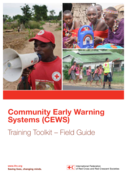
The Training Toolkit for Community Early Warning Systems is an operational manual that aims to strengthen early warning systems in a developing country context. It accompanies and should put into practice the guiding strategic principles found in the Community Early Warning Systems: Guiding Principl
...
es.
more
