
Filter
5081
Text search:
Health
and
Hygiene
Featured
604
1251
Language
4620
266
144
110
102
69
64
37
18
15
15
13
11
11
9
8
8
7
7
6
5
5
5
5
5
5
4
4
4
4
4
3
3
3
3
3
3
3
3
3
3
3
3
3
2
2
2
2
2
2
2
2
2
1
1
1
1
1
1
1
1
1
1
1
1
1
1
1
1
1
Document type
2239
866
849
324
236
195
133
100
67
20
19
17
15
Countries
226
199
140
134
122
104
103
100
91
91
91
85
83
79
68
67
65
60
56
55
55
54
52
52
51
51
49
45
45
44
40
38
37
33
32
30
29
29
28
27
27
22
21
21
19
19
18
18
18
18
18
17
16
16
15
15
13
13
13
13
12
12
12
11
11
10
9
9
9
8
8
8
7
7
6
6
6
5
5
5
5
5
4
4
4
4
4
4
4
4
4
4
4
3
3
3
3
3
3
3
3
3
3
3
3
3
2
2
2
2
2
2
2
2
2
2
2
2
1
1
1
1
1
1
1
1
1
1
1
1
1
1
1
1
1
1
1
1
1
1
1
1
1
1
Authors & Publishers
756
194
161
119
116
115
87
83
71
57
44
41
34
33
33
27
27
26
25
24
24
24
24
23
22
22
22
20
19
19
18
18
17
17
17
17
17
16
16
16
15
15
13
13
12
12
12
12
12
11
11
11
11
11
11
11
10
10
10
10
10
10
10
10
10
9
9
9
9
9
9
9
9
9
9
9
8
8
8
8
8
8
8
8
8
8
8
8
8
8
7
7
7
7
7
7
7
7
7
7
7
7
7
7
7
7
7
7
7
7
7
6
6
6
6
6
6
6
6
6
6
6
6
6
6
6
6
6
6
6
6
6
6
6
6
5
5
5
5
5
5
5
5
5
5
5
5
5
5
5
5
5
5
5
5
5
5
5
5
5
5
5
5
5
5
5
5
5
5
5
5
5
5
5
4
4
4
4
4
4
4
4
4
4
4
4
4
4
4
4
4
4
4
4
4
4
4
4
4
4
4
4
4
4
4
4
4
4
4
4
4
4
4
4
4
4
4
4
4
4
4
4
4
3
3
3
3
3
3
3
3
3
3
3
3
3
3
3
3
3
3
3
3
3
3
3
3
3
3
3
3
3
3
3
3
3
3
3
3
3
3
3
3
3
3
3
3
3
3
3
3
3
3
3
3
3
3
3
3
3
3
3
3
3
3
3
3
3
3
3
3
3
3
3
3
3
3
3
3
3
3
3
3
3
3
3
3
3
3
3
3
3
3
3
3
3
3
3
3
3
3
3
3
3
3
3
2
2
2
2
2
2
2
2
2
2
2
2
2
2
2
2
2
2
2
2
2
2
2
2
2
2
2
2
2
2
2
2
2
2
2
2
2
2
2
2
2
2
2
2
2
2
2
2
2
2
2
2
2
2
2
2
2
2
2
2
2
2
2
2
2
2
2
2
2
2
2
2
2
2
2
2
2
2
2
2
2
2
2
2
2
2
2
2
2
2
2
2
2
2
2
2
2
2
2
2
2
2
2
2
2
2
2
2
2
2
2
2
2
2
2
2
2
2
2
2
2
2
2
2
2
2
2
2
2
2
2
2
2
2
2
2
2
2
2
2
2
2
2
2
2
2
2
2
2
2
2
2
2
2
2
2
2
2
2
2
2
2
2
2
2
2
2
2
2
2
2
2
2
2
2
2
2
2
2
2
2
2
2
2
2
2
2
2
2
2
2
2
2
2
2
2
2
2
2
2
2
2
2
2
2
2
2
2
2
2
2
2
2
2
2
2
2
2
2
2
2
2
2
2
2
2
2
2
2
2
2
2
2
2
2
2
2
2
2
2
2
2
2
2
2
1
1
1
1
1
1
1
1
1
1
1
1
1
1
1
1
1
1
1
1
1
1
1
1
1
1
1
1
1
1
1
1
1
1
1
1
1
1
1
1
1
1
1
1
1
1
1
1
1
1
1
1
1
1
1
1
1
1
1
1
1
1
1
1
1
1
1
1
1
1
1
1
1
1
1
1
1
1
1
1
1
1
1
1
1
1
1
1
1
1
1
1
1
1
1
1
1
1
1
1
1
1
1
1
1
1
1
1
1
1
1
1
1
1
1
1
1
1
1
1
1
1
1
1
1
1
1
1
1
1
1
1
1
1
1
1
1
1
1
1
1
1
1
1
1
1
1
1
1
1
1
1
1
1
1
1
1
1
1
1
1
1
1
1
1
1
1
1
1
1
1
1
1
1
1
1
1
1
1
1
1
1
1
1
1
1
1
1
1
1
1
1
1
1
1
1
1
1
1
1
1
1
1
1
1
1
1
1
1
1
1
1
1
1
1
1
1
1
1
1
1
1
1
1
1
1
1
1
1
1
1
1
1
1
1
1
1
1
1
1
1
1
1
1
1
1
1
1
1
1
1
1
1
1
1
1
1
1
1
1
1
1
1
1
1
1
1
1
1
1
1
1
1
1
1
1
1
1
1
1
1
1
1
1
1
1
1
1
1
1
1
1
1
1
1
1
1
1
1
1
1
1
1
1
1
1
1
1
1
1
1
1
1
1
1
1
1
1
1
1
1
1
1
1
1
1
1
1
1
1
1
1
1
1
1
1
1
1
1
1
1
1
1
1
1
1
1
1
1
1
1
1
1
1
1
1
1
1
1
1
1
1
1
1
1
1
1
1
1
1
1
1
1
1
1
1
1
1
1
1
1
1
1
1
1
1
1
1
1
1
1
1
1
1
1
1
1
1
1
1
1
1
1
1
1
1
1
1
1
1
1
1
1
1
1
1
1
1
1
1
1
1
1
1
1
1
1
1
1
1
1
1
1
1
1
1
1
1
1
1
1
1
1
1
1
1
1
1
1
1
1
1
1
1
1
1
1
1
1
1
1
1
1
1
1
1
1
1
1
1
1
1
1
1
1
1
1
1
1
1
1
1
1
1
1
1
1
1
1
1
1
1
1
1
1
1
1
1
1
1
1
1
1
1
1
1
1
1
1
1
1
1
1
1
1
1
1
1
1
1
1
1
1
1
1
1
1
1
1
1
1
1
1
1
1
1
1
1
1
1
1
1
1
1
1
1
1
1
1
1
1
1
1
1
1
1
1
1
1
1
1
1
1
1
1
1
1
1
1
1
1
1
1
1
1
1
1
1
1
1
1
1
1
1
1
1
1
1
1
1
1
1
1
1
1
1
1
1
1
1
1
1
1
1
1
1
1
1
1
1
1
1
1
1
1
1
1
1
1
1
1
1
1
1
1
1
1
1
1
1
1
1
1
1
1
1
1
1
1
1
1
1
1
1
1
1
1
1
1
1
1
1
1
1
1
1
1
1
1
1
1
1
1
1
1
1
1
1
1
1
1
1
1
1
1
1
1
1
1
1
1
1
1
1
1
1
1
1
1
1
1
1
1
1
1
1
1
1
1
1
1
1
1
1
1
1
1
1
1
1
1
1
1
1
1
1
1
1
1
1
1
1
1
1
1
1
1
1
1
1
1
1
1
1
1
1
1
1
1
1
1
1
1
1
1
1
1
1
1
1
1
1
1
1
1
1
1
1
1
1
1
1
1
1
1
1
1
1
1
1
1
1
1
1
1
1
1
1
1
1
1
1
1
1
1
1
1
1
1
1
1
1
1
1
1
1
1
1
1
1
1
1
1
1
1
1
1
1
1
1
1
1
1
1
1
1
1
1
1
1
1
1
1
1
1
1
1
1
1
1
1
1
1
1
1
1
1
1
1
1
1
1
1
1
1
1
1
1
1
1
1
1
1
1
1
1
1
1
1
1
1
1
1
1
1
1
1
1
1
1
1
1
1
1
1
1
1
1
1
1
1
1
1
1
1
1
1
1
1
1
1
1
1
1
1
1
1
1
1
1
1
1
1
1
1
1
1
1
1
1
1
1
1
1
1
1
1
1
1
1
1
1
1
1
1
1
1
1
1
1
1
1
1
1
1
1
1
1
1
1
1
1
1
1
1
1
1
1
1
1
1
1
1
1
1
1
1
1
1
1
1
1
1
1
1
1
1
1
1
1
1
1
1
1
1
1
1
1
1
1
1
1
1
1
1
1
1
1
1
1
1
1
1
1
1
1
1
1
1
1
1
1
1
1
1
1
1
1
1
1
1
1
1
1
1
1
1
1
1
1
1
1
1
1
1
1
1
1
1
1
1
1
1
1
1
1
1
1
1
1
1
1
1
1
1
1
1
1
1
1
1
1
1
1
1
1
1
1
1
1
1
1
1
1
1
1
1
1
1
1
1
1
1
1
1
1
1
1
1
1
1
1
1
1
1
1
1
1
1
1
1
1
1
1
1
1
1
1
1
1
1
1
1
1
1
1
1
1
1
1
1
1
1
1
1
1
1
1
1
1
1
1
1
1
1
1
1
1
1
1
1
1
1
1
1
1
1
1
1
1
1
1
1
1
1
1
1
1
1
1
1
1
1
1
1
1
1
1
1
1
1
1
1
1
1
1
1
1
1
1
1
1
1
1
1
1
1
1
1
1
1
1
1
1
1
1
1
1
1
1
1
1
1
1
1
1
1
1
1
1
1
1
1
1
1
1
1
1
1
1
1
1
1
1
1
1
1
1
1
1
1
1
1
1
1
1
1
1
1
1
1
1
1
1
1
1
1
1
1
1
1
1
1
1
1
1
1
1
1
1
1
1
1
1
1
1
1
1
1
1
1
1
1
1
1
1
1
1
1
1
1
1
1
1
1
1
1
1
1
1
1
1
1
1
1
1
1
1
1
1
1
1
1
1
1
1
1
1
1
1
1
1
1
1
1
1
1
1
1
1
1
1
1
1
1
1
1
1
1
1
1
1
1
1
1
1
1
1
1
1
1
1
1
1
1
1
1
1
1
1
1
1
1
1
1
1
1
1
1
1
1
1
1
1
1
1
1
1
1
1
1
1
1
1
1
1
1
1
1
1
1
1
1
1
1
1
1
1
1
1
1
1
1
1
1
1
1
1
1
1
1
1
1
1
1
1
1
1
1
1
1
1
1
1
1
1
1
1
1
1
1
1
1
1
1
1
1
1
1
1
1
1
1
1
1
1
1
1
1
1
1
1
1
1
1
1
1
1
1
1
1
1
1
1
1
1
1
1
1
1
1
1
1
1
1
1
1
1
1
1
1
1
1
1
1
1
1
1
1
1
1
1
1
1
1
1
1
1
1
1
1
1
1
1
1
1
1
1
1
1
1
1
1
1
1
1
1
1
1
1
1
1
1
1
1
1
1
1
1
1
1
1
1
1
1
1
1
1
1
1
1
1
1
1
1
1
1
1
1
1
1
1
1
1
1
1
1
1
1
1
1
1
1
1
1
1
1
1
1
1
1
1
1
1
1
1
1
1
1
1
1
1
1
1
1
1
1
1
1
1
1
1
1
1
1
1
1
1
1
1
1
1
1
1
1
1
1
1
1
1
1
1
1
1
1
1
1
1
1
1
1
1
1
1
1
1
1
1
1
1
1
1
1
1
1
1
1
1
1
1
1
1
1
1
1
1
1
1
1
1
1
1
1
1
1
1
1
1
1
1
1
1
1
1
1
1
1
1
1
1
1
1
1
1
1
1
1
1
1
1
1
1
1
1
1
1
1
1
1
1
1
1
1
1
1
1
1
1
1
1
1
1
1
1
1
1
1
1
1
1
1
1
1
1
1
1
1
1
1
1
1
1
1
1
1
1
1
1
1
1
1
1
1
1
1
1
1
1
1
1
1
1
1
1
1
1
1
1
1
1
1
1
1
1
1
1
1
1
1
1
1
1
1
1
1
1
1
1
1
1
1
1
1
1
1
1
1
1
1
1
1
1
1
1
1
1
1
1
1
1
1
1
1
1
1
1
1
1
1
1
1
1
1
1
1
1
1
1
1
1
1
1
1
1
1
1
1
1
1
1
1
1
1
1
1
1
1
1
1
1
1
1
1
1
1
1
1
1
1
1
1
1
1
1
1
1
1
1
1
1
1
1
1
1
1
1
1
1
1
1
1
1
1
1
1
1
1
1
1
1
1
1
1
1
1
1
1
1
1
1
1
1
1
1
1
1
1
1
1
1
1
1
1
1
1
1
1
1
1
1
1
1
1
1
1
1
1
1
1
1
1
1
1
1
1
1
1
1
1
1
1
1
1
1
1
1
1
1
1
1
1
1
1
1
1
1
1
1
1
1
1
1
1
1
1
1
1
1
1
1
1
1
1
1
1
1
1
1
1
1
1
1
1
1
1
1
1
1
1
1
1
1
1
1
1
1
1
1
1
1
1
1
1
1
1
1
1
1
1
1
1
1
1
1
1
1
1
1
1
1
1
1
1
1
1
1
1
1
1
1
1
1
1
1
1
1
1
1
1
1
1
1
1
1
1
1
1
1
1
1
1
1
1
1
1
1
1
1
1
1
1
1
1
1
1
1
1
1
1
1
1
1
1
1
1
1
1
1
1
1
1
1
1
1
1
1
1
1
1
1
1
1
1
1
1
1
1
1
1
1
1
1
1
1
1
1
1
1
1
1
1
1
1
1
1
1
1
1
1
1
1
1
1
1
1
1
1
1
1
1
1
1
1
1
1
1
1
1
1
1
1
1
1
1
1
1
1
1
1
1
1
1
1
1
1
1
1
1
1
1
1
1
1
1
1
1
1
1
1
1
1
1
1
1
1
1
1
1
1
1
1
1
1
1
1
1
1
1
1
1
1
1
1
1
1
1
1
1
1
1
1
1
1
1
1
1
1
1
1
1
1
1
1
1
1
1
1
1
1
1
1
1
1
1
1
1
1
1
1
1
1
1
1
1
1
1
1
1
1
1
1
1
1
1
1
1
1
1
1
1
1
1
1
1
1
1
1
1
1
1
1
1
1
1
1
1
1
1
1
1
1
1
1
1
1
1
1
1
1
1
1
1
1
1
1
1
1
1
1
1
1
1
1
1
1
1
1
1
1
1
1
1
1
1
1
1
1
1
1
1
1
1
1
1
1
1
1
1
1
1
1
1
1
1
1
1
1
1
1
1
1
1
1
1
1
1
1
1
1
1
1
1
1
1
1
1
1
1
1
1
1
1
1
1
1
1
1
1
1
1
1
1
1
1
1
1
1
1
1
1
1
1
1
1
1
1
1
1
1
1
1
1
1
1
1
1
1
1
1
1
1
1
1
1
1
1
1
1
1
1
1
1
1
1
1
1
1
1
1
1
1
1
1
1
1
1
1
1
1
1
1
1
1
1
1
1
1
1
1
1
1
1
1
1
1
1
1
1
1
1
1
1
1
1
1
1
1
1
1
1
1
1
1
1
1
1
1
1
1
1
1
1
1
1
1
1
1
1
1
1
1
1
1
1
1
1
1
1
1
1
1
1
1
1
1
1
1
1
1
1
1
1
1
1
1
1
1
1
1
1
1
1
1
1
1
1
1
1
1
1
1
1
1
1
1
1
1
1
1
1
1
1
1
1
1
1
1
1
1
1
1
1
1
1
1
1
1
1
1
1
1
1
1
1
1
1
1
1
1
1
1
1
1
1
1
1
1
1
1
1
1
1
1
1
1
1
1
1
1
1
1
1
1
1
1
1
1
1
1
1
1
1
1
1
1
1
1
1
1
1
1
1
1
1
1
1
1
1
1
1
1
1
1
1
1
1
1
1
1
1
1
1
1
1
1
1
1
1
1
1
1
1
1
1
1
1
1
1
1
1
1
1
1
1
1
1
1
1
1
1
1
1
1
1
1
1
1
1
1
1
1
1
1
1
1
1
1
1
1
1
1
1
1
1
1
1
1
1
1
1
1
1
1
1
1
1
1
1
1
1
1
1
1
1
1
1
1
1
1
1
1
1
1
1
1
1
1
1
1
1
1
1
1
1
1
1
1
1
1
1
1
1
1
1
1
1
1
1
1
1
1
1
1
1
1
1
1
1
1
1
1
1
1
1
1
1
1
1
1
1
1
1
1
1
1
1
1
1
1
1
1
1
1
1
1
1
1
1
1
1
1
1
1
1
1
1
1
1
1
1
1
1
1
1
1
1
1
1
1
1
1
1
1
1
1
1
1
1
1
1
1
1
1
1
1
1
1
1
1
1
1
1
1
1
1
1
1
1
1
1
1
1
1
1
1
1
1
1
1
1
1
1
1
1
1
1
1
1
1
1
1
1
1
1
1
1
1
1
1
1
1
1
1
1
1
1
1
1
1
1
1
1
1
1
1
1
1
1
1
1
1
1
1
1
1
1
1
1
1
1
1
1
1
1
1
1
1
1
1
1
1
1
1
1
1
1
1
1
1
1
1
1
1
1
1
1
1
1
1
1
1
1
1
1
1
1
1
1
Publication Years
1944
2700
404
31
2
Category
1811
537
314
281
220
130
41
1
Toolboxes
788
307
242
220
196
193
186
180
178
146
144
129
123
118
96
91
76
52
50
40
36
27
23
18
8
3
1
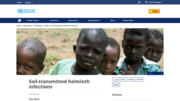
Soil-transmitted helminth (STH) infections are among the most common infections worldwide with an estimated 1.5 billion infected people or 24% of the world’s population. These infections affect the poorest and most deprived communities with poor a
...
ccess to clean water, sanitation and hygiene in tropical and subtropical areas, with the highest prevalence reported from sub-Saharan Africa, China, South America and Asia. They are transmitted by eggs present in human faeces, which in turn contaminate soil in areas where sanitation is poor. Over 260 million preschool-age children, 654 million school-age children,108 million adolescent girls and 138.8 million pregnant and lactating women live in areas where these parasites are intensively transmitted, and are in need of treatment and preventive interventions.
more
The document provides guidance on managing acute diarrhoea outbreaks, specifically cholera and shigellosis. It outlines steps for identifying outbreaks, differentiating between cholera and shigellos
...
is, and treating patients based on the severity of dehydration. Recommendations include the use of oral rehydration solutions (ORS), antibiotics in severe cases, and strict hygiene practices to prevent transmission. The document also emphasizes community protection measures such as disinfection of water sources, isolation of cases, and proper food hygiene. It is a practical resource for health workers to quickly respond to diarrhoeal disease outbreaks.
more
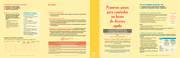
The document provides guidance on managing acute diarrhoea outbreaks, specifically cholera and shigellosis. It outlines steps for identifying outbreaks, differentiating between cholera and shigellos
...
is, and treating patients based on the severity of dehydration. Recommendations include the use of oral rehydration solutions (ORS), antibiotics in severe cases, and strict hygiene practices to prevent transmission. The document also emphasizes community protection measures such as disinfection of water sources, isolation of cases, and proper food hygiene. It is a practical resource for health workers to quickly respond to diarrhoeal disease outbreaks.
more
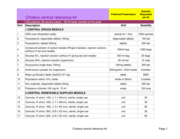
The document lists the components of various cholera kits designed for managing cholera outbreaks. It includes items for rehydration therapy (e.g., oral rehydration salts and IV fluids), medications, sanitation supplies, diagnostic tools,
...
and logistical materials such as cholera beds and water purification systems. These kits aim to support healthcare providers in treating patients, preventing the spread of the disease, and maintaining hygiene in affected areas.
more
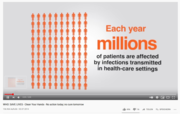
Every year, millions of patients are affected by infections transmitted during their stay in a health-care facility, where resistant germs are often transferred via the hands of health workers. Resi
...
stance to antimicrobials reduces or impedes the effectiveness of any treatment for the prevention and cure of infections. Hand hygiene is the most effective intervention to reduce transmission of infections and resistant germs. The World Health Organization recommends the 5 Moments for Hand Hygiene. Watch this video produced by WHO's Regional Office for the Eastern Mediterranean to learn more about Hand Hygiene and the WHO 5 moments !
more
Response to the Periodic EpidemicThe document "Zanzibar's Victory Against Cholera Epidemic" details the successful efforts taken by Zanzibar to control and eliminate cholera outbreaks. It highlights the strategies implemented, including improved wat
...
er and sanitation infrastructure, public health campaigns, vaccination programs, and rapid response measures. The report emphasizes community engagement, government commitment, and international partnerships as key factors in combating the disease. Zanzibar's experience serves as a model for other regions facing similar public health challenges, demonstrating that sustained efforts in hygiene, disease surveillance, and emergency preparedness can effectively control cholera epidemics.
more

The response to a cholera outbreak must focus on limiting mortality and reducing the spread of the disease. It should be comprehensive and multisectoral, including epidemiology, case management, wat
...
er, sanitation and hygiene, logistics, community engagement and risk communication. All efforts must be well coordinated to ensure a rapid and effective response across sectors.
This document provides a framework for detecting and monitoring cholera outbreaks and organizing the response. It also includes a short section linking outbreak response to both preparedness and long-term prevention activities.
more
The World Health Organization's cholera fact sheet provides essential information about cholera, an acute diarrheal infection caused by ingesting food or water contaminated with Vibrio cholerae bacteria. The disease remains a global public
...
health threat, particularly in areas lacking safe water and adequate sanitation. While many infected individuals exhibit mild or no symptoms, severe cases can lead to rapid dehydration and death if untreated. Prevention focuses on ensuring access to clean water, proper sanitation, and hygiene practices. Effective treatment primarily involves prompt administration of oral rehydration solutions. The fact sheet also highlights the importance of surveillance, preparedness, and response strategies to control outbreaks.
more
The document provides essential guidelines for managing cholera outbreaks. It includes instructions for preparing oral rehydration solutions (ORS) using simple ingredients like sugar and salt to treat dehydration caused by cholera. The text also emp
...
hasizes the importance of access to clean water, sanitation, and hygiene to prevent the spread of the disease. It is part of the World Health Organization's effort to provide clear, actionable steps for controlling cholera in affected areas.
more

WHO supports Zambia in vaccinating 1 million people in Lusaka against cholera to combat an outbreak that began in October 2017, causing 2,672 cases and 63 deaths. Two million vaccine doses were provided by Gavi. WHO
...
and the Zambia National Public Health Institute are improving water access, sanitation, and hygiene education while training medical staff. Another 1 million people in high-risk areas will be vaccinated later.
more
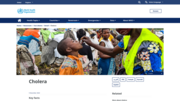
The World Health Organization's cholera fact sheet provides essential information about cholera, an acute diarrheal infection caused by ingesting food or water contaminated with Vibrio cholerae bacteria. The disease remains a global public
...
health threat, particularly in areas lacking safe water and adequate sanitation. While many infected individuals exhibit mild or no symptoms, severe cases can lead to rapid dehydration and death if untreated. Prevention focuses on ensuring access to clean water, proper sanitation, and hygiene practices. Effective treatment primarily involves prompt administration of oral rehydration solutions. The fact sheet also highlights the importance of surveillance, preparedness, and response strategies to control outbreaks.
more
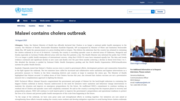
Malawi's Ministry of Health officially declared on August 16, 2023, that the cholera outbreak is no longer a national health emergency. Since the outbreak began in February 2022, the country recorde
...
d 58,982 cholera cases and 1,768 deaths. Through coordinated efforts by the government, development partners, and local communities, the outbreak has been contained in 26 out of 29 districts.
Only a few isolated cases remain in areas affected by Cyclone Freddy. The Minister of Health emphasized the importance of water, sanitation, and hygiene (WASH) initiatives to prevent future outbreaks. The World Health Organization (WHO) praised Malawi’s progress and pledged continued support to mitigate remaining risks.
more
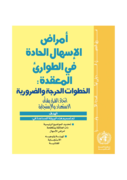
The document provides comprehensive guidelines on cholera outbreak management, including prevention, diagnosis, and treatment. It emphasizes rapid response measures, the importance of rehydration therapy (oral
...
and intravenous), and public health interventions such as water sanitation, hygiene promotion, and disease surveillance to control the spread of cholera in affected communities. It is designed as a resource for healthcare providers and public health officials.
more
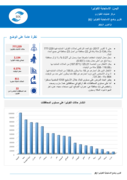
This document is a situation report (#6) from October 2, 2017, describing the cholera outbreak in Yemen. By October 1, 2017, there were 777,229 suspected cholera cases and 2,134 deaths across 22 of Yemen's 23 governorates. The response involves WASH
...
partners providing hygiene supplies and water treatment, health cluster partners operating treatment centers, and communication campaigns reaching over 16 million people. Major challenges include limited supplies, security risks hindering access to affected communities, a weakened health system with over 55% of facilities closed or partially functional, and difficulties importing medicines and medical supplies. Children under 18 represent 60% of cases, while people over 60 report the highest death rates.
more
The Haiti & Dominican Republic Cholera Operation Plan of Action outlines the Red Cross's strategy to combat cholera on the island of Hispaniola following the 2010 outbreak in Haiti. As part of a 10-year national strategy, the plan includes an initial two-year emergency response (2014-2016) with a bu
...
dget of 9.9 million Swiss francs. The approach focuses on three key areas: improving water and sanitation by repairing and expanding water systems and constructing sanitation facilities, prevention and hygiene promotion through community education and hygiene training, and preparedness and response by strengthening disease monitoring, training Red Cross volunteers, and prepositioning medical supplies. This initiative, led by the Haitian and Dominican Red Cross in collaboration with international partners and local governments, aims to reduce cholera infections and improve public health on the island.
more
By December of 2019, an estimated 5.3 million Venezuelans would have left the country, migrating in search of opportunities, health services and an overall search to improve the socio-economic condi
...
tions of themselves and their families. This is the largest migration in the history of the Americas. Migrants are one of the most vulnerable populations, exposed to human trafficking, abuse, exploitation and violence.
This Emergency Appeal seeks funds to reach this vulnerable population through a range of services that are aimed at preserving the dignity of migrant populations and increasing their wellbeing. These services are: shelter; livelihoods and basic needs; health services; water, sanitation and hygiene services; protection gender and inclusion. T
more
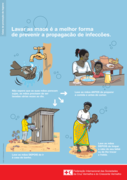
The poster highlights the critical role of handwashing in preventing the spread of infections. It emphasizes the importance of washing hands multiple times a day, even if they do not appear dirty, as handwashing is the most effective way to reduce the risk of illness. Specific recommendations includ
...
e washing hands after using the toilet, before preparing food or eating, and after cleaning or changing a baby's diaper. The message underlines the need for consistent hygiene practices to protect health and prevent infections.
more
Clinical Presentation and Management for Haiti Cholera Outbreak, 2010
The document provides detailed guidelines for diagnosing and managing cholera cases, with a focus on rehydration therapy
...
and preventing dehydration-related fatalities. It outlines the use of oral rehydration salts (ORS), intravenous fluids for severe dehydration, and appropriate antibiotics for severe cases. The guide also emphasizes the importance of hygiene, safe water usage, and monitoring patient recovery to effectively control cholera outbreaks. It is designed as a practical resource for healthcare workers and public health officials.
more
The document outlines the 2017 cholera outbreak in Zambia, mainly in Lusaka, due to poor sanitation and unsafe water. By December, 493 cases were reported, with risks increasing due to the rainy season. The Zambia Red Cross Society (ZRCS), in collab
...
oration with the Ministry of Health, WHO, and UNICEF, responded by setting up treatment centers, supplying clean water and chlorine, and conducting hygiene education. 1,500 volunteers were mobilized to support 70,000 people directly. The IFRC allocated CHF 222,351 to control the outbreak, but challenges like limited funding and poor infrastructure remained.
more
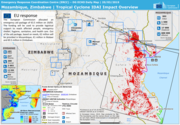
The European Commission allocated an emergency aid package of €3.5 million on 19/03. The funding will be used to provide logistical support to reach affected people, emergency shelter, hygiene, sanitation,
...
and health care. Out of the aid package, based on needs, €2 million will be provided in Mozambique, €1 million in Malawi and €0.5 million in Zimbabwe.
more
