
Filter
5853
Text search:
symptoms
Featured
648
1287
Language
5491
189
186
154
116
62
47
46
21
16
16
15
14
13
13
13
11
11
10
8
8
7
7
7
6
6
6
6
6
6
6
6
6
5
5
5
5
5
5
4
4
4
4
4
4
4
3
3
3
3
3
3
3
3
2
2
2
2
2
2
2
2
2
2
1
1
1
1
1
1
1
1
1
1
1
1
Document type
2929
981
757
337
297
174
142
66
45
43
41
28
7
3
1
Countries
359
259
174
162
155
137
137
131
113
109
99
81
76
75
71
70
68
66
62
57
56
53
50
48
43
42
42
42
39
38
36
36
36
35
35
35
32
32
30
27
27
26
26
25
22
22
22
19
19
16
16
16
16
15
13
13
13
12
11
10
9
9
9
9
9
8
8
8
8
8
7
7
7
7
6
6
6
6
5
5
5
5
5
5
5
5
4
4
4
4
4
3
3
3
3
3
3
3
3
3
3
3
3
3
2
2
2
2
2
2
2
2
2
2
2
2
2
2
2
2
2
2
2
2
1
1
1
1
1
1
1
1
1
1
1
1
1
1
1
1
1
1
1
1
1
1
1
1
1
1
1
Authors & Publishers
855
285
182
129
126
107
101
100
72
72
52
46
40
37
36
36
33
31
30
30
28
27
25
25
24
24
24
22
21
21
21
19
19
18
18
18
17
17
16
15
15
15
15
14
14
14
14
14
14
14
14
13
13
13
13
12
12
12
12
11
11
11
11
11
11
11
11
11
11
10
10
10
10
9
9
9
9
9
9
9
9
8
8
8
8
8
8
8
8
8
8
8
8
8
7
7
7
7
7
7
7
7
7
7
7
7
7
7
7
6
6
6
6
6
6
6
6
6
6
6
6
6
6
6
6
6
6
6
6
6
6
6
6
6
6
6
6
6
6
6
6
5
5
5
5
5
5
5
5
5
5
5
5
5
5
5
5
5
5
5
5
5
5
5
5
5
5
5
5
5
5
5
5
5
4
4
4
4
4
4
4
4
4
4
4
4
4
4
4
4
4
4
4
4
4
4
4
4
4
4
4
4
4
4
4
4
4
4
4
4
4
4
4
4
4
4
4
4
4
4
4
4
4
4
4
4
4
4
4
4
4
4
4
4
4
4
4
4
4
4
4
4
3
3
3
3
3
3
3
3
3
3
3
3
3
3
3
3
3
3
3
3
3
3
3
3
3
3
3
3
3
3
3
3
3
3
3
3
3
3
3
3
3
3
3
3
3
3
3
3
3
3
3
3
3
3
3
3
3
3
3
3
3
3
3
3
3
3
3
3
3
3
3
3
3
3
3
3
3
3
3
3
3
3
3
3
3
3
3
3
3
3
3
3
3
3
3
3
3
3
3
3
3
3
3
3
3
3
3
3
3
3
3
3
3
3
3
3
3
3
3
3
3
3
3
3
3
3
3
3
3
3
3
3
3
3
3
3
3
3
2
2
2
2
2
2
2
2
2
2
2
2
2
2
2
2
2
2
2
2
2
2
2
2
2
2
2
2
2
2
2
2
2
2
2
2
2
2
2
2
2
2
2
2
2
2
2
2
2
2
2
2
2
2
2
2
2
2
2
2
2
2
2
2
2
2
2
2
2
2
2
2
2
2
2
2
2
2
2
2
2
2
2
2
2
2
2
2
2
2
2
2
2
2
2
2
2
2
2
2
2
2
2
2
2
2
2
2
2
2
2
2
2
2
2
2
2
2
2
2
2
2
2
2
2
2
2
2
2
2
2
2
2
2
2
2
2
2
2
2
2
2
2
2
2
2
2
2
2
2
2
2
2
2
2
2
2
2
2
2
2
2
2
2
2
2
2
2
2
2
2
2
2
2
2
2
2
2
2
2
2
2
2
2
2
2
2
2
2
2
2
2
2
2
2
2
2
2
2
2
2
2
2
2
2
2
2
2
2
2
2
2
2
2
2
2
2
2
2
2
2
2
2
2
2
2
2
2
2
2
2
2
2
2
2
2
2
2
2
2
2
2
2
2
2
2
2
2
2
2
2
2
2
2
2
2
2
2
2
2
2
2
2
2
2
2
2
2
2
2
2
2
2
2
2
2
2
2
2
2
2
2
2
2
2
2
2
2
2
2
2
2
2
2
2
2
2
2
2
2
2
2
2
2
2
2
2
2
2
2
2
2
2
2
2
2
2
2
2
2
2
2
2
2
2
2
2
2
2
2
2
2
2
2
2
2
2
2
2
2
2
2
2
2
2
2
2
2
2
2
2
2
2
2
2
2
2
1
1
1
1
1
1
1
1
1
1
1
1
1
1
1
1
1
1
1
1
1
1
1
1
1
1
1
1
1
1
1
1
1
1
1
1
1
1
1
1
1
1
1
1
1
1
1
1
1
1
1
1
1
1
1
1
1
1
1
1
1
1
1
1
1
1
1
1
1
1
1
1
1
1
1
1
1
1
1
1
1
1
1
1
1
1
1
1
1
1
1
1
1
1
1
1
1
1
1
1
1
1
1
1
1
1
1
1
1
1
1
1
1
1
1
1
1
1
1
1
1
1
1
1
1
1
1
1
1
1
1
1
1
1
1
1
1
1
1
1
1
1
1
1
1
1
1
1
1
1
1
1
1
1
1
1
1
1
1
1
1
1
1
1
1
1
1
1
1
1
1
1
1
1
1
1
1
1
1
1
1
1
1
1
1
1
1
1
1
1
1
1
1
1
1
1
1
1
1
1
1
1
1
1
1
1
1
1
1
1
1
1
1
1
1
1
1
1
1
1
1
1
1
1
1
1
1
1
1
1
1
1
1
1
1
1
1
1
1
1
1
1
1
1
1
1
1
1
1
1
1
1
1
1
1
1
1
1
1
1
1
1
1
1
1
1
1
1
1
1
1
1
1
1
1
1
1
1
1
1
1
1
1
1
1
1
1
1
1
1
1
1
1
1
1
1
1
1
1
1
1
1
1
1
1
1
1
1
1
1
1
1
1
1
1
1
1
1
1
1
1
1
1
1
1
1
1
1
1
1
1
1
1
1
1
1
1
1
1
1
1
1
1
1
1
1
1
1
1
1
1
1
1
1
1
1
1
1
1
1
1
1
1
1
1
1
1
1
1
1
1
1
1
1
1
1
1
1
1
1
1
1
1
1
1
1
1
1
1
1
1
1
1
1
1
1
1
1
1
1
1
1
1
1
1
1
1
1
1
1
1
1
1
1
1
1
1
1
1
1
1
1
1
1
1
1
1
1
1
1
1
1
1
1
1
1
1
1
1
1
1
1
1
1
1
1
1
1
1
1
1
1
1
1
1
1
1
1
1
1
1
1
1
1
1
1
1
1
1
1
1
1
1
1
1
1
1
1
1
1
1
1
1
1
1
1
1
1
1
1
1
1
1
1
1
1
1
1
1
1
1
1
1
1
1
1
1
1
1
1
1
1
1
1
1
1
1
1
1
1
1
1
1
1
1
1
1
1
1
1
1
1
1
1
1
1
1
1
1
1
1
1
1
1
1
1
1
1
1
1
1
1
1
1
1
1
1
1
1
1
1
1
1
1
1
1
1
1
1
1
1
1
1
1
1
1
1
1
1
1
1
1
1
1
1
1
1
1
1
1
1
1
1
1
1
1
1
1
1
1
1
1
1
1
1
1
1
1
1
1
1
1
1
1
1
1
1
1
1
1
1
1
1
1
1
1
1
1
1
1
1
1
1
1
1
1
1
1
1
1
1
1
1
1
1
1
1
1
1
1
1
1
1
1
1
1
1
1
1
1
1
1
1
1
1
1
1
1
1
1
1
1
1
1
1
1
1
1
1
1
1
1
1
1
1
1
1
1
1
1
1
1
1
1
1
1
1
1
1
1
1
1
1
1
1
1
1
1
1
1
1
1
1
1
1
1
1
1
1
1
1
1
1
1
1
1
1
1
1
1
1
1
1
1
1
1
1
1
1
1
1
1
1
1
1
1
1
1
1
1
1
1
1
1
1
1
1
1
1
1
1
1
1
1
1
1
1
1
1
1
1
1
1
1
1
1
1
1
1
1
1
1
1
1
1
1
1
1
1
1
1
1
1
1
1
1
1
1
1
1
1
1
1
1
1
1
1
1
1
1
1
1
1
1
1
1
1
1
1
1
1
1
1
1
1
1
1
1
1
1
1
1
1
1
1
1
1
1
1
1
1
1
1
1
1
1
1
1
1
1
1
1
1
1
1
1
1
1
1
1
1
1
1
1
1
1
1
1
1
1
1
1
1
1
1
1
1
1
1
1
1
1
1
1
1
1
1
1
1
1
1
1
1
1
1
1
1
1
1
1
1
1
1
1
1
1
1
1
1
1
1
1
1
1
1
1
1
1
1
1
1
1
1
1
1
1
1
1
1
1
1
1
1
1
1
1
1
1
1
1
1
1
1
1
1
1
1
1
1
1
1
1
1
1
1
1
1
1
1
1
1
1
1
1
1
1
1
1
1
1
1
1
1
1
1
1
1
1
1
1
1
1
1
1
1
1
1
1
1
1
1
1
1
1
1
1
1
1
1
1
1
1
1
1
1
1
1
1
1
1
1
1
1
1
1
1
1
1
1
1
1
1
1
1
1
1
1
1
1
1
1
1
1
1
1
1
1
1
1
1
1
1
1
1
1
1
1
1
1
1
1
1
1
1
1
1
1
1
1
1
1
1
1
1
1
1
1
1
1
1
1
1
1
1
1
1
1
1
1
1
1
1
1
1
1
1
1
1
1
1
1
1
1
1
1
1
1
1
1
1
1
1
1
1
1
1
1
1
1
1
1
1
1
1
1
1
1
1
1
1
1
1
1
1
1
1
1
1
1
1
1
1
1
1
1
1
1
1
1
1
1
1
1
1
1
1
1
1
1
1
1
1
1
1
1
1
1
1
1
1
1
1
1
1
1
1
1
1
1
1
1
1
1
1
1
1
1
1
1
1
1
1
1
1
1
1
1
1
1
1
1
1
1
1
1
1
1
1
1
1
1
1
1
1
1
1
1
1
1
1
1
1
1
1
1
1
1
1
1
1
1
1
1
1
1
1
1
1
1
1
1
1
1
1
1
1
1
1
1
1
1
1
1
1
1
1
1
1
1
1
1
1
1
1
1
1
1
1
1
1
1
1
1
1
1
1
1
1
1
1
1
1
1
1
1
1
1
1
1
1
1
1
1
1
1
1
1
1
1
1
1
1
1
1
1
1
1
1
1
1
1
1
1
1
1
1
1
1
1
1
1
1
1
1
1
1
1
1
1
1
1
1
1
1
1
1
1
1
1
1
1
1
1
1
1
1
1
1
1
1
1
1
1
1
1
1
1
1
1
1
1
1
1
1
1
1
1
1
1
1
1
1
1
1
1
1
1
1
1
1
1
1
1
1
1
1
1
1
1
1
1
1
1
1
1
1
1
1
1
1
1
1
1
1
1
1
1
1
1
1
1
1
1
1
1
1
1
1
1
1
1
1
1
1
1
1
1
1
1
1
1
1
1
1
1
1
1
1
1
1
1
1
1
1
1
1
1
1
1
1
1
1
1
1
1
1
1
1
1
1
1
1
1
1
1
1
1
1
1
1
1
1
1
1
1
1
1
1
1
1
1
1
1
1
1
1
1
1
1
1
1
1
1
1
1
1
1
1
1
1
1
1
1
1
1
1
1
1
1
1
1
1
1
1
1
1
1
1
1
1
1
1
1
1
1
1
1
1
1
1
1
1
1
1
1
1
1
1
1
1
1
1
1
1
1
1
1
1
1
1
1
1
1
1
1
1
1
1
1
1
1
1
1
1
1
1
1
1
1
1
1
1
1
1
1
1
1
1
1
1
1
1
1
1
1
1
1
1
1
1
1
1
1
1
1
1
1
1
1
1
1
1
1
1
1
1
1
1
1
1
1
1
1
1
1
1
1
1
1
1
1
1
1
1
1
1
1
1
1
1
1
1
1
1
1
1
1
1
1
1
1
1
1
1
1
1
1
1
1
1
1
1
1
1
1
1
1
1
1
1
1
1
1
1
1
1
1
1
1
1
1
1
1
1
1
1
1
1
1
1
1
1
1
1
1
1
1
1
1
1
1
1
1
1
1
1
1
1
1
1
1
1
1
1
1
1
1
1
1
1
1
1
1
1
1
1
1
1
1
1
1
1
1
1
1
1
1
1
1
1
1
1
1
1
1
1
1
1
1
1
1
1
1
1
1
1
1
1
1
1
1
1
1
1
1
1
1
1
1
1
1
1
1
1
1
1
1
1
1
1
1
1
1
1
1
1
1
1
1
1
1
1
1
1
1
1
1
1
1
1
1
1
1
1
1
1
1
1
1
1
1
1
1
1
1
1
1
1
1
1
1
1
1
1
1
1
1
1
1
1
1
1
1
1
1
1
1
1
1
1
1
1
1
1
1
1
1
1
1
1
1
1
1
1
1
1
1
1
1
1
1
1
1
1
1
1
1
1
1
1
1
1
1
1
1
1
1
1
1
1
1
1
1
1
1
1
1
1
1
1
1
1
1
1
1
1
1
1
1
1
1
1
1
1
1
1
1
1
1
1
1
1
1
1
1
1
1
1
1
1
1
1
1
1
1
1
1
1
1
1
1
1
1
1
1
1
1
1
1
1
1
1
1
1
1
1
1
1
1
1
1
1
1
1
1
1
1
1
1
1
1
1
1
1
1
1
1
1
1
1
1
1
1
1
1
1
1
1
1
1
1
1
1
1
1
1
1
1
1
1
1
1
1
1
1
1
1
1
1
1
1
1
1
1
1
1
1
1
1
1
1
1
1
1
1
1
1
1
1
1
1
1
1
1
1
1
1
1
1
1
1
1
1
1
1
1
1
1
1
1
1
1
1
1
1
1
1
1
1
1
1
1
1
1
1
1
1
1
1
1
1
1
1
1
1
1
1
1
1
1
1
1
1
1
1
1
1
1
1
1
1
1
1
1
1
1
1
1
1
1
1
1
1
1
1
1
1
1
1
1
1
1
1
1
1
1
1
1
1
1
1
1
1
1
1
1
1
1
1
1
1
1
1
1
1
1
1
1
1
1
1
1
1
1
1
1
1
1
1
1
1
1
1
1
1
1
1
1
1
1
1
1
1
1
1
1
1
1
1
1
1
1
1
1
1
1
1
1
1
1
1
1
1
1
1
1
1
1
1
1
1
1
1
1
1
1
1
1
1
1
1
1
1
1
1
1
1
1
1
1
1
1
1
1
1
1
1
1
1
1
1
1
1
1
1
1
1
1
1
1
1
1
1
1
1
1
1
1
1
1
1
1
1
1
1
1
1
1
1
1
1
1
1
1
1
1
1
1
1
1
1
1
1
1
1
1
1
1
1
1
1
1
1
1
1
1
1
1
1
1
1
1
1
1
1
1
1
1
1
1
1
1
1
1
1
1
1
1
1
1
1
1
1
1
1
1
1
1
1
1
1
1
1
1
1
1
1
1
1
1
1
1
1
1
1
1
1
1
1
1
1
1
1
1
1
1
1
1
1
1
1
1
1
1
1
1
1
1
1
1
1
1
1
1
1
1
1
1
1
1
1
1
1
1
1
1
1
1
1
1
1
1
1
1
1
1
1
1
1
1
1
1
1
1
1
1
1
1
1
1
1
1
1
1
1
1
1
1
1
1
1
1
1
1
1
1
1
1
1
1
1
1
1
1
1
1
1
1
1
1
1
1
1
1
1
1
1
1
1
1
1
1
1
1
1
1
1
1
1
1
1
1
1
1
1
1
1
1
1
1
1
1
1
1
1
1
1
1
1
1
1
1
1
1
1
1
1
1
1
1
1
1
1
1
1
1
1
1
1
1
1
1
1
1
1
1
1
1
1
1
1
1
1
1
1
1
1
1
1
1
1
1
1
1
1
1
1
1
1
1
1
1
1
1
1
1
1
1
1
1
1
1
1
1
1
1
1
1
1
1
1
1
1
1
1
1
1
1
1
1
1
1
1
1
1
1
1
1
1
1
1
1
1
1
1
1
1
1
1
1
1
1
1
1
1
1
1
1
1
1
1
1
1
1
1
1
1
1
1
1
1
1
1
1
1
1
1
1
1
1
1
1
1
1
1
1
1
1
1
1
1
1
1
1
1
1
1
1
1
1
1
1
1
1
1
1
1
1
1
1
1
1
1
1
1
1
1
1
1
1
1
1
1
1
1
1
1
1
1
1
1
1
1
1
1
1
1
1
1
1
1
1
1
1
1
1
1
1
1
1
1
1
1
1
1
1
1
1
1
1
1
1
1
1
1
1
1
1
1
1
1
1
1
1
1
1
1
1
1
1
1
1
1
1
1
1
1
1
1
1
1
1
1
1
1
1
1
1
1
1
1
1
1
1
1
1
1
1
1
1
1
1
1
1
1
1
1
1
1
1
1
1
1
1
1
1
1
1
1
1
1
1
1
1
1
1
1
1
1
1
1
1
1
1
1
1
1
1
1
1
1
1
1
1
1
1
1
1
1
1
1
1
1
1
1
1
1
1
1
1
1
1
1
1
1
1
1
1
1
1
1
1
1
1
1
1
1
1
1
1
1
1
1
1
1
1
1
1
1
1
1
1
1
1
1
1
1
1
1
1
1
1
1
1
1
1
1
1
1
1
1
1
1
1
1
1
1
1
1
1
1
1
1
1
1
1
1
1
1
1
1
1
1
1
1
1
1
1
1
1
1
1
1
1
1
1
1
1
1
1
1
1
1
1
1
1
1
1
1
1
1
1
1
1
1
1
1
1
1
1
1
1
1
1
1
1
1
1
1
1
1
1
1
1
1
1
1
1
1
1
1
1
1
1
1
1
1
1
1
1
1
1
1
1
1
1
1
1
1
1
1
1
1
1
1
1
1
1
1
1
1
1
1
1
1
1
1
1
1
1
1
1
1
1
1
1
1
1
1
1
1
1
1
1
1
1
1
1
1
1
1
1
1
1
1
1
1
1
1
1
1
1
1
1
1
1
1
1
1
1
1
1
1
1
1
1
1
1
1
1
1
1
1
1
1
1
1
1
1
1
1
1
1
1
1
1
1
1
1
1
1
1
1
1
1
1
1
1
1
1
1
1
1
1
1
1
1
1
1
1
1
1
1
1
1
1
1
1
1
1
1
1
1
1
1
1
1
1
1
1
1
1
1
1
1
1
1
1
1
1
1
1
1
1
1
1
1
1
1
1
1
1
1
1
1
1
1
1
1
1
1
1
1
1
1
1
1
1
1
1
1
1
1
1
1
1
1
1
1
1
1
1
1
1
1
1
1
1
1
1
1
1
1
1
1
1
1
1
1
1
1
1
1
1
1
1
1
1
1
1
1
1
1
1
1
1
1
1
1
1
1
1
1
1
1
1
1
1
1
1
1
1
1
1
1
1
1
1
1
1
1
1
1
1
1
1
1
1
1
1
1
1
1
1
1
1
1
1
1
1
1
1
1
1
1
1
1
1
1
1
1
1
1
1
1
1
1
1
1
1
1
1
1
1
1
1
1
1
1
1
1
1
1
1
1
1
1
1
1
1
1
1
1
1
1
1
1
1
1
1
1
1
1
1
1
1
1
1
1
1
1
1
1
1
1
1
1
1
1
1
1
1
1
1
1
1
1
1
1
1
1
1
1
1
1
1
1
1
1
1
1
1
1
1
1
1
1
1
1
1
1
1
1
1
1
1
1
1
1
1
1
1
1
1
1
1
1
1
1
1
1
1
1
1
1
1
1
1
1
1
1
1
1
1
1
1
1
1
1
1
1
1
1
1
1
1
1
1
1
1
1
1
1
1
1
1
1
1
1
1
1
1
1
1
1
1
1
1
1
1
1
1
1
1
1
1
1
1
1
1
1
1
1
1
1
1
1
1
1
1
1
1
1
1
1
1
1
1
1
1
1
1
1
1
1
1
1
1
1
1
1
1
1
1
1
1
1
1
1
1
1
1
1
1
1
1
1
1
1
1
1
1
1
1
1
1
1
1
1
1
1
1
1
1
1
1
1
1
1
1
1
1
1
1
1
1
1
1
1
1
1
1
1
1
1
1
1
1
1
1
1
1
1
1
1
1
1
1
1
1
1
1
1
1
1
1
1
1
1
1
1
1
1
1
1
1
1
1
1
1
1
1
1
1
1
1
1
1
1
1
1
1
1
1
1
1
1
1
1
1
1
1
1
1
1
1
1
1
1
1
1
1
1
1
1
1
1
1
1
1
1
1
1
1
1
1
1
1
1
1
1
1
1
1
1
1
1
1
1
1
1
1
1
1
1
1
1
1
1
1
1
1
1
1
1
1
1
1
1
1
1
1
1
1
1
1
1
1
1
1
1
1
1
1
1
1
1
1
1
1
1
1
1
1
1
1
1
1
1
1
1
1
1
1
1
1
1
1
1
1
1
1
1
1
1
1
1
1
1
1
1
1
1
1
1
1
1
1
1
1
1
1
1
1
1
1
1
1
1
1
1
1
1
1
1
1
1
1
1
1
1
1
1
1
1
1
1
1
1
1
1
1
1
1
1
1
1
1
1
1
1
1
1
1
1
1
1
1
1
1
1
1
1
1
1
1
1
1
1
1
1
1
1
1
1
1
1
1
1
1
1
1
1
1
1
1
1
1
1
1
1
1
1
1
1
1
1
1
1
1
1
1
1
1
1
1
1
1
1
1
1
1
1
1
1
1
1
1
Publication Years
2023
3285
510
33
1
1
Category
2009
523
359
246
167
152
56
1
Toolboxes
845
772
381
360
251
238
166
141
125
98
96
93
90
85
84
78
72
69
64
56
47
33
26
22
14
1
Diabetes mellitus, also called diabetes, is a chronic metabolic condition in which the hormone insulin is not produced by the
pancreas in sufficient quantities or is not utilized effectively by the body to control blood glucose levels. As a result, blood
glucose levels are abnormally high (hypergl
...
ycaemia). Chronic uncontrolled hyperglycemia leads to long-term target organ damage, such as: retinopathy, nephropathy and neuropathy (microvascular complications); stroke, coronary heart disease
and peripheral arterial disease (macrovascular complications).
more

Diabetes in children and young people
National Institute for Health and Care Excellence (NICE)
National Institute for Health and Care Excellence (NICE)
(2022)
CC2
The document "Diabetes in Children and Young People" by NICE (National Institute for Health and Care Excellence) provides quality standards for the diagnosis, management, and support of diabetes in children and adolescents.

Hypertension in adults: diagnosis and management
the National Institute for Health and Care Excellence (NICE)
the National Institute for Health and Care Excellence (NICE)
(2023)
CC
The NICE guideline "Hypertension in Adults: Diagnosis and Management" outlines recommendations for diagnosing and managing hypertension in adults over 18, including those with type 2 diabetes. It emphasizes accurate blood pressure measurement, recommending ambulatory or home monitoring to confirm di
...
agnosis. Cardiovascular risk and target organ damage should be assessed, considering age, lifestyle, and other conditions. Initial treatment focuses on lifestyle changes such as diet, exercise, and smoking cessation, with medication advised for stage 1 hypertension at high cardiovascular risk or stage 2 hypertension. Regular monitoring and treatment adjustments are recommended to maintain target blood pressure levels, with specific guidance for people over 80 and those with additional conditions like diabetes or kidney disease. The guideline aims to reduce risks of heart attack, stroke, and other complications, supporting evidence-based treatment decisions in clinical practice.
more

Diabetes is a significant public health issue that affects approximately one in 10 adults globally, with type 2 diabetes accounting for 90–95% of cases. This chronic condition causes considerable morbidity and mortality and is growing in impact, with cases projected to rise from 537 million in 202
...
1 to 784 million by 2045. As cases rise, it is imperative to ensure the healthcare workforce is prepared to care for affected individuals. However, there is a growing global shortage of healthcare workers, which was estimated, pre pandemic, to reach 15 million by 2030. Therefore, all of the healthcare workforce will need to be utilised to their fullest potential in order to address the growing global burden of diabetes. Pharmacists will continue to be essential in this endeavour.
more
Asthma is the most common chronic respiratory disease among school-going adolescents worldwide. However, the burden of severe asthma is highest in Sub-Saharan Africa. This study aimed to explore teachers’ perceptions of asthma care across six African countries. We conducted focus group discussions
...
(FGDs) using a semi-structured interview guide. Interviews were audio-recorded, transcribed verbatim and analysed thematically. FGDs were conducted in Kumasi(Ghana), Blantyre (Malawi), Lagos (Nigeria), Durban (South Africa), Kampala (Uganda), and Harare (Zimbabwe) between 01 November 2020 and 30 June 2021. We identified two key themes related to asthma care; barriers to asthma care and suggestions to improve the care of adolescents with asthma. Barriers reported by teachers included a lack of knowledge and skills among themselves, adolescents, and caregivers. In addition, some traditional beliefs of teachers on asthma exacerbated challenges with asthma care in schools. Regarding suggestions, most teachers identified a need for all-inclusive asthma training programmes for teachers, adolescents and caregivers, focusing on acute episodes and mitigating triggers. Utilising teachers with personal experiences with asthma to advocate and support these initiatives was suggested. Further suggestions included the need for annual screening to enable early identification of adolescents with asthma and clarify restrictions on teachers administering asthma medications. Teachers across African schools identify multiple barriers to asthma care. Structured school education programs and annual asthma screening are key to addressing some barriers to care.
more

The article "Asthma in South African adolescents: a time trend and risk factor analysis over two decades" investigates the prevalence and risk factors for asthma in Cape Town adolescents from 2002 to 2017. The study finds that while the overall prevalence of asthma remained similar, the severity of
...
the condition increased significantly. Risk factors for asthma and severe cases include smoking, pet exposure, outdoor pollution, and living in informal housing. Despite these trends, underdiagnosis remains a concern, as only one-third of adolescents with current or severe asthma had been formally diagnosed. The article emphasizes the need for better public health strategies to address environmental exposures and improve asthma diagnosis and treatment.
more
The article discusses the significant impact of chronic obstructive pulmonary disease (COPD) as a global health issue, with cigarette smoking as the main risk factor. However, in developing countries, the causes of COPD are often multifactorial, involving environmental tobacco smoke, biomass fuel sm
...
oke, dust, fumes, childhood illnesses, and tuberculosis (TB). Up to half of COPD patients in these regions are non-smokers. The article emphasizes that while smoking is crucial, other risk factors contribute significantly to COPD, particularly in low- and middle-income countries. It highlights the need for targeted research and public health strategies to address these diverse contributors to COPD, especially in Africa.
more
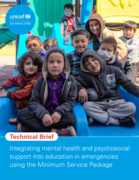
The aim of the Technical Brief is to offer guidance to education professionals on how to integrate Mental Health and Psychosocial Support into Education in Emergencies programming. An overview of Mental Health and Psychosocial Support activities that can be implemented in Education in Emergencies co
...
ntexts is detailed, in line with the MHPSS Minimum Service Package. Country examples and case studies are featured.
more

The document "Chronic Respiratory Diseases: A Handbook for Pharmacists" outlines the significant role pharmacists play in managing asthma and COPD, emphasizing patient education, disease prevention, medication management, and promoting healthy lifestyles. It highlights the importance of pharmacists
...
in supporting early detection, adherence to treatment, smoking cessation, and interprofessional collaboration to enhance respiratory care and outcomes.
more
Under-diagnosis of asthma in ‘under-fives’ may be alleviated by improved inquiry into disease history. We assessed a questionnaire-based screening tool for asthma among 614 ‘under-fives’ with severe respiratory illness in Uganda. The questionnaire responses were compared to post hoc consensu
...
s diagnoses by three pediatricians who were guided by study definitions that were based on medical history, physical examination findings, laboratory and radiological tests, and response to bronchodilators. Children with asthma or bronchiolitis were categorized as “asthma syndrome”. Using this approach, 253 (41.2%) had asthma syndrome. History of and present breathing difficulties and present cough and wheezing was the best performing combination of four questionnaire items [sensitivity 80.8% (95% CI 77.6–84.0); specificity 84.7% (95% CI 81.8–87.6)]. The screening tool for asthma syndrome in ‘under-fives’ may provide a simple, cheap and quick method of identifying children with possible asthma. The validity and reliability of this tool in primary care settings should be tested.
more

Risk factors for asthma among schoolchildren who participated in a casecontrol study in urban Uganda
Data on asthma aetiology in Africa are scarce. We investigated the risk factors for asthma among schoolchildren (5–17 years) in urban Uganda. We conducted a case-control study, among 555 cases and 1115 controls. Asthma was diagnosed by study clinicians. The main risk factors for asthma were tertia
...
ry education for fathers (adjusted OR (95% CI); 2.32 (1.71–3.16)) and mothers (1.85 (1.38–2.48)); area of residence at birth, with children born in a small town or in the city having an increased asthma risk compared to schoolchildren born in rural areas (2.16 (1.60–2.92)) and (2.79 (1.79–4.35)), respectively; father’s and mother’s history of asthma; children’s own allergic conditions; atopy; and cooking on gas/electricity. In conclusion, asthma was associated with a strong rural-town-city risk gradient, higher parental socio-economic status and urbanicity. This work provides the basis for future studies to identify specific environmental/lifestyle factors responsible for increasing asthma risk among children in urban areas in LMICs.
more

The epidemiology of wheeze in children, when assessed by questionnaires, is dependent on parents' understanding of the term “wheeze”.
In a questionnaire survey of a random population sample of 4,236 children aged 6–10 yrs, parents' definition of wheeze was assessed. Predictors of a correct
...
definition were determined and the potential impact of incorrect answers on prevalence estimates from the survey was assessed.
Current wheeze was reported by 13.2% of children. Overall, 83.5% of parents correctly identified “whistling or squeaking” as the definition of wheeze; the proportion was higher for parents reporting wheezy children (90.4%). Frequent attacks of reported wheeze (adjusted odds ratio (OR) 3.0), maternal history of asthma (OR 1.5) and maternal education (OR 1.5) were significantly associated with a correct answer, while the converse was found for South Asian ethnicity (OR 0.6), first language not English (OR 0.6) and living in a deprived neighbourhood (OR 0.6).
In summary, the present study showed that misunderstanding could lead to an important bias in assessing the prevalence of wheeze, resulting in an underestimation in children from South Asian and deprived family backgrounds. Prevalence estimates for the most severe categories of wheeze might be less affected by this bias and questionnaire surveys on wheeze should incorporate measures of parents' understanding of the term wheeze.
more
As Russia's invasion of Ukraine progresses, the civilian population and the Armed Forces face enormous challenges. It is unsurprising that people's mental health deteriorate in such conditions. This Issue Brief provides publications and informative resources highlighting the impact on Mental Health.
...
more
Mpox Molecular Diagnostic Tests(RT-PCR)
recommended
March 2025. Access to appropriate, quality-assured diagnostics remains a challenge. There is limited information on key characteristics of available test kits, including their performance, reliability, and ability to detect relevant Mpox clades. Additionally, the lack of multiplex diagnostic tools c
...
apable of distinguishing Mpox from other pathogens with similar clinical presentations further complicates case detection and response efforts.
more

The National Asthma Education Programme (NAEP) is a registered non-profit organisation whose mission is to provide asthma education to healthcare professionals, patients and the lay public. It was founded in 1994 by Dr Mike Greenblatt and Profs Dave Luyt and Robin Green. This year NAEP celebrates it
...
s 25th anniversary and remains driven by the need to improve the daily lives of numerous asthmatics in South Africa (SA) and Africa.
more

Over the past 20 years, the Global Initiative for Asthma (GINA) has regularly published and annually updated a global strategy for asthma management and prevention that has formed the basis for many national guidelines. However, uptake of existing guidelines is poor. A major revision of the GINA r
...
eport was published in 2014, and updated in 2015, reflecting an evolving understanding of heterogeneous airways disease, a broader evidence base, increasing interest in targeted treatment, and evidence about effective implementation approaches. During development of the report, the clinical utility of recommendations and strategies for their practical implementation were considered in parallel with the scientific evidence.
more
As we approach World Asthma Day on the May 2, 2023, we reflect on the theme “ Asthma Care for All”. Prevalence of Asthma is increasing amongst children, adolescents and adults. Under-diagnosis, underutilization of inhaled corticosteroids, inaccessibility of treatment, and unaffordability of medi
...
cines are amongst the challenges that low-middle income countries are faced with. This commentary seeks to highlight the challenges, the resources available and to suggest recommendations that can be implemented to improve asthma care for all and reduce burden of asthma in Africa.
more

Asthma is the most common chronic respiratory disease (CRD) worldwide and is estimated to affect 262 million causing significant mortality and morbidity, and has emerged as an important public health problem in many Latin American (LA) countries over the last 30 or so years. LA is a highly diverse r
...
egion in terms of geography, climate, wealth, and ethnicity including 20 different countries with 639 million inhabitants, where 40 million are estimated to have asthma. A common feature of LA countries is the high level of social inequalities3 (Figure 1). In LA, asthma prevalence in both children and adults is highly variable and, where high, is among the highest worldwide, particularly in coastal tropical cities.
more
Several challenges face asthma management in Egypt, including the high percentage of uncontrolled patients, inadequate compliance, and overuse of short-acting beta-agonists (SABAs) leading to increased asthma-related morbidity and mortality. In this regard, the recent Global Initiative for Asthma (G
...
INA) recommendations included inhaled corticosteroids containing therapy for mild asthma. Local healthcare systems and healthcare professionals (HCPs) often experience practical challenges when implementing global guidelines.
more

Asthma is the most common non-communicable disease in children and remains one of the most common throughout the life course. The great majority of the burden of this disease is seen in low-income and middle-income countries (LMICs), which have disproportionately high asthma-related mortality relati
...
ve to asthma prevalence. This is particularly true for many countries in sub-Saharan Africa. Although inhaled asthma treatments (particularly those containing inhaled corticosteroids) markedly reduce asthma morbidity and mortality, a substantial proportion of the children, adolescents, and adults with asthma in LMICs do not get to benefit from these, due to poor availability and affordability. In this review, we consider the reality faced by clinicians managing asthma in the primary and secondary care in sub-Saharan Africa and suggest how we might go about making diagnosis and treatment decisions in a range of resource-constrained scenarios. We also provide recommendations for research and policy, to help bridge the gap between current practice in sub-Saharan Africa and Global Initiative for Asthma (GINA) recommended diagnostic processes and treatment for children, adolescents, and adults with asthma.
more
