
Filter
7291
Text search:
infection
control
Featured
883
1784
Language
6291
504
375
193
136
127
63
48
17
14
13
13
13
11
10
9
7
7
7
6
6
6
6
5
5
5
5
5
5
5
5
4
4
4
3
3
2
2
2
2
2
2
2
2
2
2
2
2
2
2
2
2
2
1
1
1
1
1
1
1
1
1
1
1
1
1
1
1
1
1
1
1
Document type
3150
1482
1139
440
313
294
158
81
78
53
37
31
26
5
1
Countries
357
309
210
196
177
165
158
140
138
130
124
121
114
109
102
91
89
83
81
74
74
72
65
64
63
63
61
60
58
56
56
55
52
50
48
48
47
46
42
41
41
36
35
34
33
32
32
31
27
27
25
21
20
19
18
18
18
18
17
17
16
16
16
15
15
14
13
13
12
12
12
11
10
10
10
10
9
9
9
8
8
8
8
8
7
7
7
6
6
6
6
6
5
5
5
4
4
4
4
4
4
3
3
3
3
3
3
3
3
3
3
3
3
3
2
2
2
2
2
2
2
2
2
2
2
2
2
2
2
2
2
1
1
1
1
1
1
1
1
1
1
1
1
1
1
1
1
1
1
1
1
1
1
1
1
Authors & Publishers
1161
314
209
166
152
105
103
100
99
86
84
71
70
61
53
48
46
42
36
34
33
32
32
31
31
29
29
28
27
25
24
24
24
24
23
22
22
22
21
21
21
20
20
20
20
20
19
19
18
18
18
18
18
17
16
16
16
16
16
16
15
15
15
15
15
15
15
14
14
13
13
13
13
12
12
12
12
12
12
12
11
11
11
11
11
11
11
11
11
11
11
10
10
10
10
10
10
10
10
10
10
10
10
10
10
10
9
9
9
9
9
9
9
9
9
9
9
9
9
9
9
9
8
8
8
8
8
8
8
8
8
8
8
8
8
8
8
8
7
7
7
7
7
7
7
7
7
7
7
7
7
7
7
7
7
7
7
7
7
7
6
6
6
6
6
6
6
6
6
6
6
6
6
6
6
6
6
6
6
6
6
6
5
5
5
5
5
5
5
5
5
5
5
5
5
5
5
5
5
5
5
5
5
5
5
5
5
5
5
5
5
5
5
5
5
5
5
5
5
5
5
5
5
5
5
5
5
5
5
5
5
5
4
4
4
4
4
4
4
4
4
4
4
4
4
4
4
4
4
4
4
4
4
4
4
4
4
4
4
4
4
4
4
4
4
4
4
4
4
4
4
4
4
4
4
4
4
4
4
4
4
4
4
4
4
4
4
4
4
4
4
4
4
4
4
4
4
4
3
3
3
3
3
3
3
3
3
3
3
3
3
3
3
3
3
3
3
3
3
3
3
3
3
3
3
3
3
3
3
3
3
3
3
3
3
3
3
3
3
3
3
3
3
3
3
3
3
3
3
3
3
3
3
3
3
3
3
3
3
3
3
3
3
3
3
3
3
3
3
3
3
3
3
3
3
3
3
3
3
3
3
3
3
3
3
3
3
3
3
3
3
3
3
3
3
3
3
3
3
3
3
3
3
3
3
3
3
3
3
3
3
3
3
3
3
3
3
3
3
3
3
3
3
3
3
2
2
2
2
2
2
2
2
2
2
2
2
2
2
2
2
2
2
2
2
2
2
2
2
2
2
2
2
2
2
2
2
2
2
2
2
2
2
2
2
2
2
2
2
2
2
2
2
2
2
2
2
2
2
2
2
2
2
2
2
2
2
2
2
2
2
2
2
2
2
2
2
2
2
2
2
2
2
2
2
2
2
2
2
2
2
2
2
2
2
2
2
2
2
2
2
2
2
2
2
2
2
2
2
2
2
2
2
2
2
2
2
2
2
2
2
2
2
2
2
2
2
2
2
2
2
2
2
2
2
2
2
2
2
2
2
2
2
2
2
2
2
2
2
2
2
2
2
2
2
2
2
2
2
2
2
2
2
2
2
2
2
2
2
2
2
2
2
2
2
2
2
2
2
2
2
2
2
2
2
2
2
2
2
2
2
2
2
2
2
2
2
2
2
2
2
2
2
2
2
2
2
2
2
2
2
2
2
2
2
2
2
2
2
2
2
2
2
2
2
2
2
2
2
2
2
2
2
2
2
2
2
2
2
2
2
2
2
2
2
2
2
2
2
2
2
2
2
2
2
2
2
2
2
2
2
2
2
2
2
2
2
2
2
2
2
2
2
2
2
2
2
2
2
2
2
2
2
2
2
2
2
2
2
2
2
2
2
2
2
2
2
2
2
2
2
2
2
2
2
2
2
2
2
2
2
2
2
2
2
2
2
2
2
2
2
2
2
2
2
2
2
2
2
2
2
2
2
2
2
2
2
2
2
2
2
2
2
2
2
2
2
2
2
2
2
2
2
2
2
2
2
2
2
2
2
2
2
2
2
2
2
2
2
2
2
2
2
2
2
1
1
1
1
1
1
1
1
1
1
1
1
1
1
1
1
1
1
1
1
1
1
1
1
1
1
1
1
1
1
1
1
1
1
1
1
1
1
1
1
1
1
1
1
1
1
1
1
1
1
1
1
1
1
1
1
1
1
1
1
1
1
1
1
1
1
1
1
1
1
1
1
1
1
1
1
1
1
1
1
1
1
1
1
1
1
1
1
1
1
1
1
1
1
1
1
1
1
1
1
1
1
1
1
1
1
1
1
1
1
1
1
1
1
1
1
1
1
1
1
1
1
1
1
1
1
1
1
1
1
1
1
1
1
1
1
1
1
1
1
1
1
1
1
1
1
1
1
1
1
1
1
1
1
1
1
1
1
1
1
1
1
1
1
1
1
1
1
1
1
1
1
1
1
1
1
1
1
1
1
1
1
1
1
1
1
1
1
1
1
1
1
1
1
1
1
1
1
1
1
1
1
1
1
1
1
1
1
1
1
1
1
1
1
1
1
1
1
1
1
1
1
1
1
1
1
1
1
1
1
1
1
1
1
1
1
1
1
1
1
1
1
1
1
1
1
1
1
1
1
1
1
1
1
1
1
1
1
1
1
1
1
1
1
1
1
1
1
1
1
1
1
1
1
1
1
1
1
1
1
1
1
1
1
1
1
1
1
1
1
1
1
1
1
1
1
1
1
1
1
1
1
1
1
1
1
1
1
1
1
1
1
1
1
1
1
1
1
1
1
1
1
1
1
1
1
1
1
1
1
1
1
1
1
1
1
1
1
1
1
1
1
1
1
1
1
1
1
1
1
1
1
1
1
1
1
1
1
1
1
1
1
1
1
1
1
1
1
1
1
1
1
1
1
1
1
1
1
1
1
1
1
1
1
1
1
1
1
1
1
1
1
1
1
1
1
1
1
1
1
1
1
1
1
1
1
1
1
1
1
1
1
1
1
1
1
1
1
1
1
1
1
1
1
1
1
1
1
1
1
1
1
1
1
1
1
1
1
1
1
1
1
1
1
1
1
1
1
1
1
1
1
1
1
1
1
1
1
1
1
1
1
1
1
1
1
1
1
1
1
1
1
1
1
1
1
1
1
1
1
1
1
1
1
1
1
1
1
1
1
1
1
1
1
1
1
1
1
1
1
1
1
1
1
1
1
1
1
1
1
1
1
1
1
1
1
1
1
1
1
1
1
1
1
1
1
1
1
1
1
1
1
1
1
1
1
1
1
1
1
1
1
1
1
1
1
1
1
1
1
1
1
1
1
1
1
1
1
1
1
1
1
1
1
1
1
1
1
1
1
1
1
1
1
1
1
1
1
1
1
1
1
1
1
1
1
1
1
1
1
1
1
1
1
1
1
1
1
1
1
1
1
1
1
1
1
1
1
1
1
1
1
1
1
1
1
1
1
1
1
1
1
1
1
1
1
1
1
1
1
1
1
1
1
1
1
1
1
1
1
1
1
1
1
1
1
1
1
1
1
1
1
1
1
1
1
1
1
1
1
1
1
1
1
1
1
1
1
1
1
1
1
1
1
1
1
1
1
1
1
1
1
1
1
1
1
1
1
1
1
1
1
1
1
1
1
1
1
1
1
1
1
1
1
1
1
1
1
1
1
1
1
1
1
1
1
1
1
1
1
1
1
1
1
1
1
1
1
1
1
1
1
1
1
1
1
1
1
1
1
1
1
1
1
1
1
1
1
1
1
1
1
1
1
1
1
1
1
1
1
1
1
1
1
1
1
1
1
1
1
1
1
1
1
1
1
1
1
1
1
1
1
1
1
1
1
1
1
1
1
1
1
1
1
1
1
1
1
1
1
1
1
1
1
1
1
1
1
1
1
1
1
1
1
1
1
1
1
1
1
1
1
1
1
1
1
1
1
1
1
1
1
1
1
1
1
1
1
1
1
1
1
1
1
1
1
1
1
1
1
1
1
1
1
1
1
1
1
1
1
1
1
1
1
1
1
1
1
1
1
1
1
1
1
1
1
1
1
1
1
1
1
1
1
1
1
1
1
1
1
1
1
1
1
1
1
1
1
1
1
1
1
1
1
1
1
1
1
1
1
1
1
1
1
1
1
1
1
1
1
1
1
1
1
1
1
1
1
1
1
1
1
1
1
1
1
1
1
1
1
1
1
1
1
1
1
1
1
1
1
1
1
1
1
1
1
1
1
1
1
1
1
1
1
1
1
1
1
1
1
1
1
1
1
1
1
1
1
1
1
1
1
1
1
1
1
1
1
1
1
1
1
1
1
1
1
1
1
1
1
1
1
1
1
1
1
1
1
1
1
1
1
1
1
1
1
1
1
1
1
1
1
1
1
1
1
1
1
1
1
1
1
1
1
1
1
1
1
1
1
1
1
1
1
1
1
1
1
1
1
1
1
1
1
1
1
1
1
1
1
1
1
1
1
1
1
1
1
1
1
1
1
1
1
1
1
1
1
1
1
1
1
1
1
1
1
1
1
1
1
1
1
1
1
1
1
1
1
1
1
1
1
1
1
1
1
1
1
1
1
1
1
1
1
1
1
1
1
1
1
1
1
1
1
1
1
1
1
1
1
1
1
1
1
1
1
1
1
1
1
1
1
1
1
1
1
1
1
1
1
1
1
1
1
1
1
1
1
1
1
1
1
1
1
1
1
1
1
1
1
1
1
1
1
1
1
1
1
1
1
1
1
1
1
1
1
1
1
1
1
1
1
1
1
1
1
1
1
1
1
1
1
1
1
1
1
1
1
1
1
1
1
1
1
1
1
1
1
1
1
1
1
1
1
1
1
1
1
1
1
1
1
1
1
1
1
1
1
1
1
1
1
1
1
1
1
1
1
1
1
1
1
1
1
1
1
1
1
1
1
1
1
1
1
1
1
1
1
1
1
1
1
1
1
1
1
1
1
1
1
1
1
1
1
1
1
1
1
1
1
1
1
1
1
1
1
1
1
1
1
1
1
1
1
1
1
1
1
1
1
1
1
1
1
1
1
1
1
1
1
1
1
1
1
1
1
1
1
1
1
1
1
1
1
1
1
1
1
1
1
1
1
1
1
1
1
1
1
1
1
1
1
1
1
1
1
1
1
1
1
1
1
1
1
1
1
1
1
1
1
1
1
1
1
1
1
1
1
1
1
1
1
1
1
1
1
1
1
1
1
1
1
1
1
1
1
1
1
1
1
1
1
1
1
1
1
1
1
1
1
1
1
1
1
1
1
1
1
1
1
1
1
1
1
1
1
1
1
1
1
1
1
1
1
1
1
1
1
1
1
1
1
1
1
1
1
1
1
1
1
1
1
1
1
1
1
1
1
1
1
1
1
1
1
1
1
1
1
1
1
1
1
1
1
1
1
1
1
1
1
1
1
1
1
1
1
1
1
1
1
1
1
1
1
1
1
1
1
1
1
1
1
1
1
1
1
1
1
1
1
1
1
1
1
1
1
1
1
1
1
1
1
1
1
1
1
1
1
1
1
1
1
1
1
1
1
1
1
1
1
1
1
1
1
1
1
1
1
1
1
1
1
1
1
1
1
1
1
1
1
1
1
1
1
1
1
1
1
1
1
1
1
1
1
1
1
1
1
1
1
1
1
1
1
1
1
1
1
1
1
1
1
1
1
1
1
1
1
1
1
1
1
1
1
1
1
1
1
1
1
1
1
1
1
1
1
1
1
1
1
1
1
1
1
1
1
1
1
1
1
1
1
1
1
1
1
1
1
1
1
1
1
1
1
1
1
1
1
1
1
1
1
1
1
1
1
1
1
1
1
1
1
1
1
1
1
1
1
1
1
1
1
1
1
1
1
1
1
1
1
1
1
1
1
1
1
1
1
1
1
1
1
1
1
1
1
1
1
1
1
1
1
1
1
1
1
1
1
1
1
1
1
1
1
1
1
1
1
1
1
1
1
1
1
1
1
1
1
1
1
1
1
1
1
1
1
1
1
1
1
1
1
1
1
1
1
1
1
1
1
1
1
1
1
1
1
1
1
1
1
1
1
1
1
1
1
1
1
1
1
1
1
1
1
1
1
1
1
1
1
1
1
1
1
1
1
1
1
1
1
1
1
1
1
1
1
1
1
1
1
1
1
1
1
1
1
1
1
1
1
1
1
1
1
1
1
1
1
1
1
1
1
1
1
1
1
1
1
1
1
1
1
1
1
1
1
1
1
1
1
1
1
1
1
1
1
1
1
1
1
1
1
1
1
1
1
1
1
1
1
1
1
1
1
1
1
1
1
1
1
1
1
1
1
1
1
1
1
1
1
1
1
1
1
1
1
1
1
1
1
1
1
1
1
1
1
1
1
1
1
1
1
1
1
1
1
1
1
1
1
1
1
1
1
1
1
1
1
1
1
1
1
1
1
1
1
1
1
1
1
1
1
1
1
1
1
1
1
1
1
1
1
1
1
1
1
1
1
1
1
1
1
1
1
1
1
1
1
1
1
1
1
1
1
1
1
1
1
1
1
1
1
1
1
1
1
1
1
1
1
1
1
1
1
1
1
1
1
1
1
1
1
1
1
1
1
1
1
1
1
1
1
1
1
1
1
1
1
1
1
1
1
1
1
1
1
1
1
1
1
1
1
1
1
1
1
1
1
1
1
1
1
1
1
1
1
1
1
1
1
1
1
1
1
1
1
1
1
1
1
1
1
1
1
1
1
1
1
1
1
1
1
1
1
1
1
1
1
1
1
1
1
1
1
1
1
1
1
1
1
1
1
1
1
1
1
1
1
1
1
1
1
1
1
1
1
1
1
1
1
1
1
1
1
1
1
1
1
1
1
1
1
1
1
1
1
1
1
1
1
1
1
1
1
1
1
1
1
1
1
1
1
1
1
1
1
1
1
1
1
1
1
1
1
1
1
1
1
1
1
1
1
1
1
1
1
1
1
1
1
1
1
1
1
1
1
1
1
1
1
1
1
1
1
1
1
1
1
1
1
1
1
1
1
1
1
1
1
1
1
1
1
1
1
1
1
1
1
1
1
1
1
1
1
1
1
1
1
1
1
1
1
1
1
1
1
1
1
1
1
1
1
1
1
1
1
1
1
1
1
1
1
1
1
1
1
1
1
1
1
1
1
1
1
1
1
1
1
1
1
1
1
1
1
1
1
1
1
1
1
1
1
1
1
1
1
1
1
1
1
1
1
1
1
1
1
1
1
1
1
1
1
1
1
1
1
1
1
1
1
1
1
1
1
1
1
1
1
1
1
1
1
1
1
1
1
1
1
1
1
1
1
1
1
1
1
1
1
1
1
1
1
1
1
1
1
1
1
1
1
1
1
1
1
1
1
1
1
1
1
1
1
1
1
1
1
1
1
1
1
1
1
1
1
1
1
1
1
1
1
1
1
1
1
1
1
1
1
1
1
1
1
1
1
1
1
1
1
1
1
1
1
1
1
1
1
1
1
1
1
1
1
1
1
1
1
1
1
1
1
1
1
1
1
1
1
1
1
1
1
1
1
1
1
1
1
1
1
1
1
1
1
1
1
1
1
1
1
1
1
1
1
1
1
1
1
1
1
1
1
1
1
1
1
1
1
1
1
1
1
1
1
1
1
1
1
1
1
1
1
1
1
1
1
1
1
1
1
1
1
1
1
1
1
1
1
1
1
1
1
1
1
1
1
1
1
1
1
1
1
1
1
1
1
1
1
1
1
1
1
1
1
1
1
1
1
1
1
1
1
1
1
1
1
1
1
1
1
1
1
1
1
1
1
1
1
1
1
1
1
1
1
1
1
1
1
1
1
1
1
1
1
1
1
1
1
1
1
1
1
1
1
1
1
1
1
1
1
1
1
1
1
1
1
1
1
1
1
1
1
1
1
1
1
1
1
1
1
1
1
1
1
1
1
1
1
1
1
1
1
1
1
1
1
1
1
1
1
1
1
1
1
1
1
1
1
1
1
1
1
1
1
1
1
1
1
1
1
1
1
1
1
1
1
1
1
1
1
1
1
1
1
1
1
1
1
1
1
1
1
1
1
1
1
1
1
1
1
1
1
1
1
1
1
1
1
1
1
1
1
1
1
1
1
1
1
1
1
1
1
1
1
1
1
1
1
1
1
1
1
1
1
1
1
1
1
1
1
1
1
1
1
1
1
1
1
1
1
1
1
1
1
1
1
1
1
1
1
1
1
1
1
1
1
1
1
1
1
1
1
1
1
1
1
1
1
1
1
1
1
1
1
1
1
1
1
1
1
1
1
1
1
1
1
1
1
1
1
1
1
1
1
1
1
1
1
1
1
1
1
1
1
1
1
1
1
1
1
1
1
1
1
1
1
1
1
1
1
1
1
1
1
1
1
1
1
1
1
1
1
1
1
1
1
1
1
1
1
1
1
1
1
1
1
1
1
1
1
1
1
1
1
1
1
1
1
1
1
1
1
1
1
1
1
1
1
1
1
1
1
1
1
1
1
1
1
1
1
1
1
1
1
1
1
1
1
1
1
1
1
1
1
1
1
1
1
1
1
1
1
1
1
1
1
1
1
1
1
1
1
1
1
1
1
1
1
1
1
1
1
1
1
1
1
1
1
1
1
1
1
1
1
1
1
1
1
1
1
1
1
1
1
1
1
1
1
1
1
1
1
1
1
1
1
1
1
1
1
1
1
1
1
1
1
1
1
1
1
1
1
1
1
1
1
1
1
1
1
1
1
1
1
1
1
1
1
1
1
1
1
1
1
1
1
1
1
1
1
1
1
1
1
1
1
1
1
1
1
1
1
1
1
1
1
1
1
1
1
1
1
1
1
1
1
1
1
1
1
1
1
1
1
1
1
1
1
1
1
1
1
1
1
1
1
1
1
1
1
1
1
1
1
1
1
1
1
1
1
1
1
1
1
1
1
1
1
1
1
1
1
1
1
1
1
1
1
1
1
1
1
1
1
1
1
1
1
1
1
1
1
1
1
1
1
1
1
1
1
1
1
1
1
1
1
1
1
1
1
1
1
1
1
1
1
1
1
1
1
1
1
1
1
1
1
1
1
1
1
1
1
1
1
1
1
1
1
1
1
1
1
1
1
1
1
1
1
1
1
1
1
1
1
1
1
1
1
1
1
1
1
1
1
1
1
1
1
1
1
1
1
1
1
1
1
1
1
1
1
1
1
1
1
1
1
1
1
1
1
1
1
1
1
1
1
1
1
1
1
1
1
1
1
1
1
1
1
1
1
1
1
1
1
1
1
1
1
1
1
1
1
1
1
1
1
1
1
1
1
1
1
1
1
1
1
1
1
1
1
1
1
1
1
1
1
1
1
1
1
1
1
1
1
1
1
1
1
1
1
1
1
1
1
1
1
1
1
1
1
1
1
1
1
1
1
1
1
1
1
1
1
1
1
1
1
1
1
1
1
1
1
1
1
1
1
1
1
1
1
1
1
1
1
1
1
1
1
1
1
1
1
1
1
1
1
1
1
1
1
1
1
1
1
1
1
1
1
1
1
1
1
1
1
1
1
1
1
1
1
1
1
1
1
1
1
1
1
1
1
1
1
1
1
1
1
1
1
1
1
1
1
1
1
1
1
1
1
1
1
1
1
1
1
1
1
1
1
1
1
1
1
1
1
1
1
1
1
1
1
1
1
1
1
1
1
1
1
1
1
1
1
1
1
1
1
1
1
1
1
1
1
1
1
1
1
1
1
1
1
1
1
1
1
1
1
1
1
1
1
1
1
1
1
1
1
1
1
1
1
1
1
1
1
1
1
1
1
1
1
1
1
1
1
1
1
1
1
1
1
1
1
1
1
1
1
1
1
1
1
1
1
1
1
1
1
1
1
1
1
1
1
1
1
1
1
1
1
1
1
1
1
1
1
1
1
1
1
1
1
1
1
1
1
1
1
1
1
1
1
1
1
1
1
1
1
1
1
1
1
1
1
1
1
1
1
1
1
1
1
1
1
1
1
1
1
1
1
1
1
1
1
1
1
1
1
1
1
1
1
1
1
1
1
1
1
1
1
1
1
1
1
1
1
1
1
1
1
1
1
1
1
1
1
1
1
1
1
1
1
1
1
1
1
1
1
1
1
1
1
1
1
1
1
1
1
1
1
1
1
1
1
1
1
1
1
1
1
1
1
1
1
1
1
1
1
1
1
1
1
1
1
1
1
1
1
1
1
1
1
1
1
1
1
1
1
1
1
1
1
1
1
1
1
1
1
1
1
1
1
1
1
1
1
1
1
1
1
1
1
1
1
1
1
1
1
1
1
1
1
1
1
1
1
1
1
1
1
1
1
1
1
1
1
1
1
1
1
1
1
1
1
1
1
1
1
1
1
1
1
1
1
1
1
1
1
1
1
1
1
1
1
1
1
1
1
1
1
1
1
1
1
1
1
1
1
1
1
1
1
1
1
1
1
1
1
1
1
1
1
1
1
1
1
1
1
1
1
1
1
1
1
1
1
1
1
1
1
1
1
1
1
1
1
1
1
1
1
1
1
1
1
1
1
1
1
1
1
1
1
1
1
1
1
1
1
1
1
1
1
1
1
1
1
1
1
1
1
1
1
1
1
1
1
1
1
1
1
1
1
1
1
1
1
1
1
1
1
1
1
1
1
1
1
1
1
1
1
1
1
1
1
1
1
1
1
1
1
1
1
1
1
1
1
1
1
1
1
1
1
1
1
1
1
1
1
1
1
1
1
1
1
1
1
1
1
1
1
1
1
1
1
1
1
1
1
1
1
1
1
1
1
1
1
1
1
1
1
1
1
1
1
1
1
1
1
1
1
1
1
1
1
1
1
1
1
1
1
1
1
1
1
1
1
1
1
1
1
1
1
1
1
1
1
1
1
1
1
1
1
1
1
1
1
1
1
1
1
1
1
1
1
1
1
1
1
1
1
1
1
1
1
1
1
1
1
1
1
1
1
1
1
1
1
1
1
1
1
1
1
1
1
1
1
1
1
1
1
1
1
1
1
1
1
1
1
1
1
1
1
1
1
1
1
1
1
1
1
1
1
1
1
1
1
1
1
1
1
1
1
1
1
1
1
1
1
1
1
1
1
1
1
1
1
1
1
1
1
1
1
1
1
1
1
1
1
1
1
1
1
1
1
1
1
1
1
1
1
1
1
1
1
1
1
1
1
1
1
1
Publication Years
2847
3860
546
35
2
1
Category
2781
648
410
322
309
146
104
2
Toolboxes
1242
568
450
388
362
251
223
208
191
159
153
145
144
128
107
99
98
89
67
63
53
42
40
28
6
2
2
WHO guideline on preventive chemotherapy for public health control of strongyloidiasis
recommended
Human strongyloidiasis is a chronic parasitic disease caused by infection with Strongyloides stercoralis, a soil-transmitted helminth that is estimated to infect 300–600 million people worldwide. This neglected tropical disease (NTD) is endemic gl
...
obally, predominately in the South-East Asia, African and Western Pacific regions, and in South and Central America. Strongyloidiasis has a wide range of clinical presentations, including subclinical disease, symptomatic disease (often with diarrhoea, abdominal pain and urticaria) and a rare but deadly complication of hyperinfection with disseminated disease. The feared complication of disseminated strongyloidiasis can occur in the setting of immunocompromising conditions (e.g. human T-cell lymphotropic virus type 1 infection and malignancies) or immunosuppressive medications (e.g. steroids) and has an estimated case-fatality rate exceeding 60%. The standard treatment for chronic S. stercoralis infection is oral medication with ivermectin.
more

Nested case-control study of health workers exposed to confirmed COVID-19 patients.
Similar objectives to the cohort study but case-control studies may be cheaper and provide robust evidence to cha
...
racterize and assess the risk factors for SARS-CoV-2 infection in health workers exposed to COVID-19 patients.
Health workers with confirmed COVID-19 will be recruited as cases and other health workers in the same health care setting without infection will be recruited as controls (incidence density sampling).
Secondary objectives are similar to the cohort study.
more
Cholera is a diarrheal disease caused by the bacterium Vibrio cholera. The infection primarily spreads through contaminated water and food. Symptoms include the onset of acute diarrhea and/or vomiting, muscle cramps, and body weakness. If untreated,
...
the infection can result in rapid dehydration and death within hours.
more
The Guidelines for the Prevention, Surveillance and Management of COVID-19 Infection amongst Health Care Workers (HCW) in Zimbabwe were developed to prevent, detect and manage HCW COVID-19 infection
...
, an emerging pandemic affecting the whole world. The HCW is at the fore front of this pandemic, thus the need for standardised operating procedures is of utmost importance. These guidelines therefore seek to reduce the significant morbidity and mortality among the HCW, ultimately ensuring the reduction of the cost to the health care worker and the Ministry of Health and Child Care (MoHCC) as a whole. The Ministry of Health and Child Care requires that all health care workers in various health care settings follow infection prevention and control procedures.
more
Antimicrobials are used in veterinary medicine to treat infectious diseases in animals caused or complicated by microorganisms, mainly bacteria, or to prevent the development or spread of infection in healthy animals.
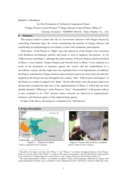
This project aimed to reduce the risk of vector-borne infection with Chagas disease by
controlling triatomine bugs, the vectors transmitting the parasite of Chagas disease, and
establishing an epidemiological surveillance system with community p
...
articipation.
more

Parasite Epidemiology and Control Volume 27, November 2024, e00380
The planning and implementation of intervention measures against schistosomiasis, particularly mass administration, require knowledge of the current status of the
...
infection. This is important for monitoring the impact of the intervention on disease indicators such as a decline in infection prevalence, intensity of infection, and urogenital morbidities. Following repeated rounds of mass treatment in northwestern Tanzania, the epidemiology of urogenital schistosomiasis has changed; thus, for the effective planning and allocation of resources, it is important to understand the current status of the disease in the targeted groups
more
Schistosomiasis is a public health problem in tropical and subtropical regions of Africa, Asia, the Caribbean and South America. It is one of the neglected tropical diseases (NTDs) - a group of diseases and conditions that affect particularly low-income populations, worldwide.
Last year, WHO laun
...
ched a new road map for 2021-2030 that aims to end the suffering from NTDs by 2030, in line with the Sustainable Development Goals. The road map specifically targets the elimination of schistosomiasis as a public health problem, globally.
This guideline provides evidence-based recommendations in the following areas: prevalence thresholds, target age groups and frequency of PC, establishment of WASH and snail control activities to support control and elimination of schistosomiasis, diagnostic tests for the assessment of schistosomiasis infection in animal reservoirs, in snail hosts, and in humans.
more
BMJ Global Health, Vol.5 No. 12Spatial subdivision of the camp (‘sectoring’) was able to ‘flatten the curve’, reducing peak infection by up to 70% and delaying peak infection by up to severa
...
l months. The use of face masks coupled with the efficient isolation of infected individuals reduced the overall incidence of infection, and sometimes averted epidemics altogether. These interventions must be implemented quickly in order to be maximally effective. Lockdowns had only small effects on COVID-19 dynamics.
Conclusions
Agent-based models are powerful tools for forecasting the spread of disease in spatially structured and heterogeneous populations. Our findings suggest that feasible interventions can slow the spread of COVID-19 in a refugee camp setting, and provide an evidence base for camp managers planning intervention strategies. Our model can be modified to study other closed populations at risk from COVID-19 or future epidemics.
more

Soil-transmitted helminths are a group of intestinal worms that include Ascaris lumbricoides (giant roundworm), Trichuris trichiura (whipworm), and Ancylostoma spp. (A. duodenale, A. ceylanicum) and Necator americanus (hookworms). Despite the clear biological differences among the different species,
...
their transmission is characterized by the same sequence of events: (i) infected individuals excrete worm eggs through their stool in soil; (ii) under optimal conditions of moisture and temperature the excreted eggs develop into infectious stages; and (iii) finally, infection occurs through oral uptake (Ascaris, Ancylostoma and Trichuris) or skin penetration (Ancylostoma and Necator) of these infectious stages (embryonated eggs and third stage larvae) that reside in the soil and/or in the environment (referring to their common name).
more
The new WHO guideline for control and elimination of human schistosomiasis: implications for the Schistosomiasis Elimination Programme in Nigeria
Akinola Stephen Oluwole, Uwem Friday Ekpo, Obiageli Josephine Nebe
Infectious Diseases of Poverty
(2022)
CC
Infectious Diseases of Poverty (2022) 11:111; With some 134,073,166 people living in endemic communities at risk of infection, Nigeria is the most endemic country in Africa and requires preventive chemotherapy (PC) for a total of 26.3 million person
...
s. The National Schistosomiasis Elimination Programme (NSCHEP), with the support of international partners, has been implementing PC in Nigeria since 2009 and most recently will need to revise its current strategy (Additional file 1). For example, the new World Health Organization (WHO) guideline has six key recommendations that will dramatically change the implementation of schistosomiasis elimination in endemic countries [3]. However, its impact and programmatic implications will vary from country to country, hence the need for a country-specific analysis. This article discusses these recommendations with specific reference to the challenges and opportunities in Nigeria. We summarise the key pointers in Additional file 1: Box 1 against the six recommendations of the WHO 2022 guideline.
more
Preventive chemotherapy with praziquantel (PZQ) is the cornerstone of schistosomiasis control. However, a single dose of PZQ (40 mg/kg) does not cure all infections. Repeated doses of PZQ at short intervals might increase efficacy in terms of cure r
...
ate (CR) and intensity reduction rate (IRR). Here, we determined the efficacy of a single versus four repeated treatments with PZQ on Schistosoma mansoni infection in school-aged children from Côte d'Ivoire, using two different diagnostic tests.
more
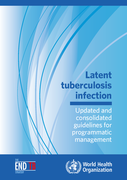
Latent Tuberculosis Infection : Updated and consolidated guidelines for programmatic management
recommended
The consolidated guidelines are expected to provide the basis and rationale for the development of national guidelines for LTBI management, adapted to the national and local epidemiology of TB, the availability of resources, the health infrastructure and other national and local determinants. The gu
...
idelines are to be used primarily in national TB and HIV control programmes, or their equivalents in ministries of health, and for other policy-makers working on TB and HIV and infectious diseases. They are also appropriate for officials in other line ministries with work in the areas of health.
more

First published in 2020, this toolkit is intended for clinicians working in acute care, managing adult and paediatric patients with acute respiratory infection, including severe pneumonia, acute respiratory distress syndrome, sepsis and septic shock
...
. The main objective is to provide key tools for use in the care of critically ill patients – from hospital entry to hospital discharge.
The 2022 updated version includes new tools and adapted algorithms, checklists, memory aids for COVID-19 and influenza, and the latest clinical evidence regarding clinical management of SARI. It is intended to help clinicians care for SARI patients: from epidemiology of severe acute respiratory infections, screening and triage, infection prevention and control, monitoring of patients, laboratory diagnosis, principles of oxygen therapy and different types of ventilation (invasive and non-invasive), as well as antimicrobial and immunomodulator therapies, to ethical and quality of care assessments.
The first edition is availbel in Ukrainian and Russian
more
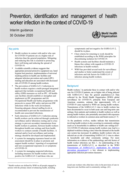
Prevention, identification and management of health worker infection in the context of COVID-19
recommended
This document provides interim guidance on the prevention, identification and management of health worker infection in the context of COVID-19. It is intended for occupational health departments, infection
...
prevention and control departments or focal points, health facility administrators and public health authorities at both the national and facility level.
more
The BMJ has made all of its articles referring to the Ebola outbreak free to access.
The content includes latest guidance for healthcare workers, which 'will continue to update healthcare workers, outside of west Africa, with the latest guidance from the UK's Health Protection Agency and the US Cen
...
ter for Disease Control'
more
Le présent document est une mise à jour du document d’information scientifique publié le 29 mars 2020 intitulé Modes of transmission of virus causing COVID-19: implications for infection prevention and
...
control (IPC) precaution recommendations et comprend les nouvelles données scientifiques disponibles sur la transmission du SARS-COV-2, le virus responsable de la COVID-19.
more
This document provides interim guidance on the prevention, identification and management of health worker infection in the context of COVID-19. It is intended for occupational health departments, infection
...
prevention and control departments or focal points, health facility administrators and public health authorities at both the national and facility level.
more

Brucellosis is widespread in both humans and livestock in many developing countries. The authors have performed a series of epidemiological studies on brucellosis in agro-pastoral areas in Tanzania since 2015, with the aim of the disease control. Pr
...
eviously, the potential of a community-based brucellosis control initiative, which mainly consisted of the sale of cattle with experience of abortion and vaccinating calves, was assessed as being effective and acceptable based on a quantitative approach. This study was conducted to investigate the feasibility of community-based brucellosis control program using participatory rural appraisals (PRAs) and key-informant interviews. Four PRAs were performed together with livestock farmers and livestock and medical officers in 2017. In the PRAs, qualitative information related to risky behaviors for human infection, human brucellosis symptoms, willingness to sell cattle with experience of abortion, and willingness to pay for calf vaccination were collected, and a holistic approach for a community-based disease control project was planned. All of the communities were willing to implement disease control measures. To avoid human infection, education, especially for children, was proposed to change risky behaviors. The findings of this study showed that community-based disease control measures are promising.
more
BMC Infectious Diseases (2019) 19:832
Intestinal schistosomiasis is highly endemic in Tanzania and mass drug administration (MDA) using
praziquantel is the mainstay of the control program. However, the MDA program covers only school aged children
...
and does not include neither adult individuals nor other public health measures. The Ijinga schistosomiasis project
examines the impact of an intensified treatment protocol with praziquantel MDA in combination with additional
public health interventions. It aims to investigate the feasibility of eliminating intestinal schistosomiasis in a highly
endemic African setting using an integrated community-based approach.
more
