Filter
1264
Text search:
indigenous
people
Featured
101
303
Language
Document type
614
314
130
71
68
22
22
11
5
3
2
1
Countries
90
71
40
39
24
23
22
22
21
20
20
18
18
18
16
15
14
14
14
13
12
10
10
9
9
8
8
7
7
7
7
6
6
6
5
5
5
4
4
4
4
4
4
4
4
4
4
4
4
4
4
4
3
3
3
3
3
3
3
3
3
3
2
2
2
2
2
2
2
2
2
2
1
1
1
1
1
1
1
1
1
1
1
1
1
1
1
1
1
1
1
1
1
1
1
1
1
1
1
1
1
1
Authors & Publishers
Publication Years
Category
437
84
69
62
57
20
4
Toolboxes
149
147
112
100
43
38
36
36
34
30
30
24
22
20
19
16
15
15
10
10
10
9
6
3
1

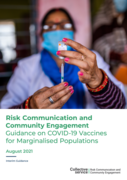
This inter-agency guidance document aims to supplement the COVAX demand creation package for COVID-19 vaccines with key considerations for humanitarian contexts and marginalized populations with specific access and communication needs.
21 Sept.2021

WHY THIS GUIDE?
Because, in the face of crises and emergencies, it is vital to include a human rights perspective in responses. Vulnerable groups face major obstacles to accessing and benefiting from prevention, mitigation, and health care policies due to structural barriers of inequality. To offer
...
Accessed Sept. 2, 2015

Los pueblos indígenas presentan tasas más altas de morbilidad y mortalidad por tuberculosis (tb) que los demás grupos étnicos. El acceso limitado a servicios de salud debido a la ubicación geográfica y a problemas del conflicto armado los mantiene aislados. En este estudio se pr
...

mnesty International’s annual report on the state of the world’s human rights in 2021, published in March 2022, shows that promises to “build back better” after the Covid-19 pandemic were little more than lip service. Hopes of global cooperation withered in the face of vaccine hoarding and c
...

Latin America and the Caribbean is characterized by a matrix of social inequality whose axes —such as
socioeconomic stratum, gender, stage in the life cycle, ethnicity and race, territory, disability, and immigration
status— create multiple, often concurrent, situations of exclusion and discri
...
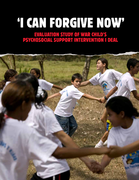
Despite growing evidence on the impact of psychosocial support interventions, there is an urgent need for a stronger evidence base on approaches that effectively support children affected by armed conflict. To contribute to this evidence base, and building on a pilot study conducted in Uganda in 200
...