
Filter
215
Text search:
Red
Cross
Red
Crescent
Climate
Centre
Featured
Recommendations
25
New Publications
83
Language
Document type
No document type
102
Studies & Reports
37
Manuals
22
Guidelines
22
Strategic & Response Plan
16
Training Material
9
Situation Updates
4
Fact sheets
3
Countries / Regions
Syria
12
Myanmar / Burma
10
Global
9
Bangladesh
7
Kenya
6
Philippines
5
Sierra Leone
4
Congo, Democratic Republic of
4
Zimbabwe
4
Nepal
4
Indonesia
4
South–East Asia Region
4
Asia
4
Laos
4
Yemen
3
Western and Central Europe
3
Guinea
2
Liberia
2
Ethiopia
2
Haiti
2
India
2
Somalia
2
Iraq
2
Jordan
2
Afghanistan
2
Turkey
2
Cambodia
2
Mozambique
2
Vanuatu
2
Namibia
2
Ukraine
2
Madagascar
2
Western Pacific Region
2
Latin America and the Carribbean
2
Africa
2
Nigeria
1
Cameroon
1
Uganda
1
Pakistan
1
South Sudan
1
Germany
1
Lebanon
1
Egypt
1
Thailand
1
Malaysia
1
Singapore
1
Malawi
1
Papua New Guinea
1
Sudan
1
Central African Republic
1
Dominican Republic
1
Eswatini/ Swaziland
1
Hungary
1
Honduras
1
Botswana
1
Lesotho
1
Sri Lanka
1
Middle East and North Africa
1
Eastern Europe and Central Asia
1
Solomon Islands
1
Poland
1
North Korea
1
Timor Leste/ East Timor
1
Romania
1
Moldova
1
Iran
1
Mauritius
1
Belarus
1
Authors & Publishers
Publication Years
Category
Key Resources
71
Countries
55
Clinical Guidelines
9
Public Health
5
Capacity Building
2
Women & Child Health
2
Toolboxes
Natural Hazards
27
Planetary Health
26
Conflict
24
Rapid Response
15
COVID-19
15
2.0 Rapid Response
11
Refugee
9
Global Health Education
9
Mental Health
7
Ebola & Marburg
5
Zika
5
Disability
4
Cholera
3
Typhoon
3
HIV
3
Specific Hazards
3
TB
2
Health Financing Toolbox
2
Caregiver
1
Refugee Health
recommended
An approach to emergency situations. Relief workers face rapidly changing and complex environments, new disease patterns, enormous humanitarian needs and relatively limited resources. The authors of this book use their experience in the area to produce an operational manual of the issues involved in
...


March - December 2018
The Government of Bangladesh has kept its borders open to Rohingya refugees and leads the humanitarian response. The people of Bangladesh continue to show tremendous generosity and hospitality in the face of a massive influx. In keeping with its policies, the Government of Ban
...
National emergency medical teams are the best option for providing immediate and appropriate surge response for emergencies directly affecting populations, while international teams may help relieve overwhelmed health systems. The efficiency and effectiveness of countries and local authorities in mo
...

This toolkit is a comprehensive set of practical tools and resources designed to support country-level risk communication and community engagement (RCCE) practitioners, decision-makers, and partners to plan and implement readiness and response activities for yellow fever outbreaks. The toolkit conta
...
Working towards better COVID-19 outcomes in the WHO European Region.From the first COVID-19 cases in Europe reported on
24 January 2020, the pandemic reached 1 million cases
within 3 months, 10 million cases within 8 months, and
100 million cases in Europe alone within 2 years. Over
the course o
...

In an ambitious new era for health development under the 2030 Agenda for Sustainable Development, WHO and
its partners have a solid foundation of success on which to build. Health plays a fundamental role in development
and is the central focus of Sustainable Development Goal 3, “Ensure healthy
...
The EYE strategy is a comprehensive and long-term strategy built on lessons learned that aims at ending yellow fever epidemics by 2026, and consists of three strategic objectives:
protect at-risk populations;
prevent international spread; and
contain outbreaks rapidly.

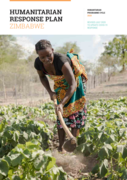
Across Zimbabwe, 7 million people in urban and rural areas are in urgent need of humanitarian assistance, compared to 5.5 million in August 2019. Since the launch of the Revised Humanitarian Appeal in August 2019, circumstances for millions of Zimbabweans have worsened. Drought and crop failure, exa
...
