
Filter
2510
Text search:
NGO
Featured
211
981
Language
2366
69
42
34
25
22
9
9
7
6
5
4
4
3
2
2
2
2
2
2
2
2
1
1
1
1
1
1
1
1
1
1
1
1
1
1
1
1
1
1
1
1
1
Document type
1726
300
179
126
76
35
31
22
8
3
2
1
Countries
142
94
93
90
90
84
76
71
65
58
58
55
47
46
43
40
38
35
34
33
32
27
27
26
25
23
21
20
19
17
17
16
15
15
14
13
13
13
12
12
11
11
10
9
9
9
8
8
8
8
7
7
7
6
6
6
6
5
5
5
5
4
4
4
4
4
3
3
3
3
3
3
3
3
3
2
2
2
2
2
2
2
2
2
2
2
2
2
2
2
1
1
1
1
1
1
1
1
1
1
1
1
1
1
1
1
1
1
1
1
1
1
1
1
1
1
1
1
1
1
1
1
Authors & Publishers
148
72
57
56
47
38
31
27
25
20
20
20
19
18
18
16
16
15
15
14
14
14
14
13
13
12
12
10
10
10
9
9
9
9
9
9
9
8
8
8
8
8
8
8
8
7
7
7
7
7
7
7
6
6
6
6
6
6
6
6
6
6
6
5
5
5
5
5
5
5
5
5
5
5
5
5
5
5
5
5
5
5
5
4
4
4
4
4
4
4
4
4
4
4
4
4
4
4
4
4
4
4
4
4
4
4
4
4
4
4
4
4
4
4
4
4
4
4
3
3
3
3
3
3
3
3
3
3
3
3
3
3
3
3
3
3
3
3
3
3
3
3
3
3
3
3
3
3
3
3
3
3
3
3
3
3
3
3
3
3
3
3
3
3
3
3
3
3
3
3
3
3
3
3
2
2
2
2
2
2
2
2
2
2
2
2
2
2
2
2
2
2
2
2
2
2
2
2
2
2
2
2
2
2
2
2
2
2
2
2
2
2
2
2
2
2
2
2
2
2
2
2
2
2
2
2
2
2
2
2
2
2
2
2
2
2
2
2
2
2
2
2
2
2
2
2
2
2
2
2
2
2
2
2
2
2
2
2
2
2
2
2
2
2
2
2
2
2
2
2
2
2
2
2
2
2
2
2
2
2
2
2
2
2
2
2
2
2
2
2
2
2
2
2
2
2
2
2
2
2
2
2
2
2
2
2
2
2
2
2
2
2
2
2
2
2
2
2
2
2
2
2
2
2
2
2
2
2
2
2
2
2
2
2
2
2
2
2
2
2
2
2
2
2
2
2
2
2
2
2
2
2
2
2
1
1
1
1
1
1
1
1
1
1
1
1
1
1
1
1
1
1
1
1
1
1
1
1
1
1
1
1
1
1
1
1
1
1
1
1
1
1
1
1
1
1
1
1
1
1
1
1
1
1
1
1
1
1
1
1
1
1
1
1
1
1
1
1
1
1
1
1
1
1
1
1
1
1
1
1
1
1
1
1
1
1
1
1
1
1
1
1
1
1
1
1
1
1
1
1
1
1
1
1
1
1
1
1
1
1
1
1
1
1
1
1
1
1
1
1
1
1
1
1
1
1
1
1
1
1
1
1
1
1
1
1
1
1
1
1
1
1
1
1
1
1
1
1
1
1
1
1
1
1
1
1
1
1
1
1
1
1
1
1
1
1
1
1
1
1
1
1
1
1
1
1
1
1
1
1
1
1
1
1
1
1
1
1
1
1
1
1
1
1
1
1
1
1
1
1
1
1
1
1
1
1
1
1
1
1
1
1
1
1
1
1
1
1
1
1
1
1
1
1
1
1
1
1
1
1
1
1
1
1
1
1
1
1
1
1
1
1
1
1
1
1
1
1
1
1
1
1
1
1
1
1
1
1
1
1
1
1
1
1
1
1
1
1
1
1
1
1
1
1
1
1
1
1
1
1
1
1
1
1
1
1
1
1
1
1
1
1
1
1
1
1
1
1
1
1
1
1
1
1
1
1
1
1
1
1
1
1
1
1
1
1
1
1
1
1
1
1
1
1
1
1
1
1
1
1
1
1
1
1
1
1
1
1
1
1
1
1
1
1
1
1
1
1
1
1
1
1
1
1
1
1
1
1
1
1
1
1
1
1
1
1
1
1
1
1
1
1
1
1
1
1
1
1
1
1
1
1
1
1
1
1
1
1
1
1
1
1
1
1
1
1
1
1
1
1
1
1
1
1
1
1
1
1
1
1
1
1
1
1
1
1
1
1
1
1
1
1
1
1
1
1
1
1
1
1
1
1
1
1
1
1
1
1
1
1
1
1
1
1
1
1
1
1
1
1
1
1
1
1
1
1
1
1
1
1
1
1
1
1
1
1
1
1
1
1
1
1
1
1
1
1
1
1
1
1
1
1
1
1
1
1
1
1
1
1
1
1
1
1
1
1
1
1
1
1
1
1
1
1
1
1
1
1
1
1
1
1
1
1
1
1
1
1
1
1
1
1
1
1
1
1
1
1
1
1
1
1
1
1
1
1
1
1
1
1
1
1
1
1
1
1
1
1
1
1
1
1
1
1
1
1
1
1
1
1
1
1
1
1
1
1
1
1
1
1
1
1
1
1
1
1
1
1
1
1
1
1
1
1
1
1
1
1
1
1
1
1
1
1
1
1
1
1
1
1
1
1
1
1
1
1
1
1
1
1
1
1
1
1
1
1
1
1
1
1
1
1
1
1
1
1
1
1
1
1
1
1
1
1
1
1
1
1
1
1
1
1
1
1
1
1
1
1
1
1
1
1
1
1
1
1
1
1
1
1
1
1
1
1
1
1
1
1
1
1
1
1
1
1
1
1
1
1
1
1
1
1
1
1
1
1
1
1
1
1
1
1
1
1
1
1
1
1
1
1
1
1
1
1
1
1
1
1
1
1
1
1
1
1
1
1
1
1
1
1
1
1
1
1
1
1
1
1
1
1
1
1
1
1
1
1
1
1
1
1
1
1
1
1
1
1
1
1
1
1
1
1
1
1
1
1
1
1
1
1
1
1
1
1
1
1
1
1
1
1
1
1
1
1
1
1
1
1
1
1
1
1
1
1
1
1
1
1
1
1
1
1
1
1
1
1
1
1
1
1
1
1
1
1
1
1
1
1
1
1
1
1
1
1
1
1
1
1
1
1
1
1
1
1
1
1
1
1
1
1
1
1
1
1
1
1
1
1
1
1
1
1
1
1
1
1
1
1
1
1
1
1
1
1
1
1
1
1
1
1
1
1
1
1
1
1
1
1
1
1
1
1
1
1
1
1
1
1
1
1
1
1
1
1
1
1
1
1
1
1
1
1
1
1
1
1
1
1
1
1
1
1
1
1
1
1
1
1
1
1
1
1
1
1
1
1
1
1
1
1
1
1
1
1
1
1
1
1
1
1
1
1
1
1
1
1
1
1
1
1
1
1
1
1
1
1
1
1
1
1
1
1
1
1
1
1
1
1
1
1
1
1
1
1
1
1
1
1
1
1
1
1
1
1
1
1
1
1
1
1
1
1
1
1
1
1
1
1
1
1
1
1
1
1
1
1
1
1
1
1
1
1
1
1
1
1
1
1
1
1
1
1
1
1
1
1
1
1
1
1
1
1
1
1
1
1
1
1
1
1
1
1
1
1
1
1
1
1
1
1
1
1
1
1
1
1
1
1
1
1
1
1
1
1
1
1
1
1
1
1
1
1
1
1
1
1
1
1
1
1
1
1
1
1
1
1
1
1
1
1
1
1
1
1
1
1
1
1
1
1
1
1
1
1
1
1
1
1
1
1
1
1
1
1
1
1
1
1
1
1
1
1
1
1
1
1
1
1
1
1
1
1
1
1
1
1
1
1
1
1
1
1
1
1
1
1
1
1
1
1
1
1
1
1
1
1
1
1
1
1
1
1
1
1
1
1
1
1
1
1
1
1
1
1
1
1
1
1
1
1
1
1
1
1
1
1
1
1
1
1
1
1
1
1
1
1
1
1
1
1
1
1
1
1
1
1
1
1
1
1
1
1
1
1
1
1
1
1
1
1
1
1
1
1
1
1
1
1
1
1
1
1
1
1
1
1
1
1
1
1
1
1
1
1
1
1
1
1
1
1
1
1
1
1
1
1
1
1
1
1
1
1
1
1
1
1
1
1
1
1
1
1
1
1
1
1
1
1
1
1
1
1
1
1
1
1
1
1
1
1
1
1
1
1
1
1
1
1
1
1
1
1
1
1
1
1
1
1
1
1
1
1
1
1
1
1
1
1
1
1
1
1
1
1
1
1
1
1
1
1
1
1
1
1
1
1
1
1
1
1
1
1
1
1
1
1
1
1
1
1
1
1
1
1
1
1
1
1
1
1
1
1
1
1
1
1
1
1
1
1
1
1
1
1
1
1
1
1
1
1
1
1
1
1
1
1
1
1
1
1
1
1
1
1
1
1
1
1
1
1
1
1
1
1
1
1
1
1
1
1
1
1
1
1
1
1
1
1
1
1
1
1
1
1
1
1
1
1
1
1
1
1
1
1
1
1
1
1
1
1
1
1
1
1
1
1
1
1
1
1
1
1
1
1
1
1
1
1
1
1
1
1
1
1
1
1
1
1
1
1
1
1
1
1
1
1
1
1
1
1
1
1
1
1
1
1
1
1
1
1
1
1
1
1
1
1
1
1
1
1
1
1
1
1
1
1
1
1
1
1
1
1
1
1
1
1
1
1
1
1
1
1
1
1
1
1
1
1
1
1
1
1
1
1
1
1
1
1
1
1
1
1
1
1
1
1
1
1
1
1
1
1
1
1
1
1
1
1
1
1
1
1
1
1
1
1
1
1
1
1
1
1
1
1
1
1
1
1
1
1
1
1
1
1
1
1
1
1
1
1
1
1
1
1
1
1
1
1
1
1
1
1
1
1
1
1
1
1
1
1
1
1
1
1
1
1
1
1
1
1
1
1
1
1
1
1
1
1
1
1
1
1
1
1
1
1
1
1
1
1
1
1
1
1
1
1
1
1
1
1
1
1
1
1
1
1
1
1
1
1
1
1
1
1
1
1
1
1
1
1
1
1
1
1
1
1
1
1
1
1
1
1
1
1
1
1
1
1
1
1
1
1
1
1
1
1
1
1
1
1
1
1
1
1
1
1
1
1
1
1
1
1
1
1
1
1
1
1
1
1
1
1
1
1
1
1
1
1
1
1
1
1
1
1
1
1
1
1
1
1
1
1
1
1
1
1
1
1
1
1
1
1
1
1
1
1
1
1
1
1
1
1
1
1
1
1
1
1
1
1
1
1
1
1
1
1
1
1
1
1
1
1
1
1
1
1
1
1
1
1
1
1
1
1
1
1
1
1
1
1
1
1
1
1
1
1
1
1
1
1
1
1
1
1
1
1
1
1
1
1
1
1
1
1
1
1
1
1
1
1
1
1
1
1
1
1
1
1
1
1
1
1
1
1
1
1
1
1
1
1
1
1
1
1
1
1
1
1
1
1
1
1
1
1
1
1
1
1
1
1
1
1
1
1
1
1
1
1
1
1
1
1
1
1
1
1
1
1
1
1
1
1
1
1
1
1
1
1
1
1
1
1
1
1
1
1
1
1
1
1
1
1
1
1
1
1
1
1
1
1
1
1
1
1
1
1
1
1
1
1
1
1
1
1
1
1
1
1
1
1
1
1
1
1
1
1
1
1
1
1
1
1
1
1
1
1
1
1
1
1
1
1
1
1
1
1
1
1
1
1
1
1
1
1
1
1
1
1
1
1
1
1
1
1
1
1
1
1
1
1
1
1
1
1
1
1
1
1
1
1
1
1
Publication Years
434
1780
288
8
Category
1207
282
126
90
75
45
4
3
Toolboxes
186
150
146
106
104
85
71
68
62
46
45
38
37
37
34
24
23
17
12
12
11
11
9
9
4
4
2
Repository of resources on disability inclusion and Covid-19
Coregroup; International Disability and Development Consortium (IDDC)
Coregroup; International Disability and Development Consortium (IDDC)
(2020)
C2
Last update: 2 April 2020
A Students' Toolkit.
How does the digital transformation of health care change the daily routine of a healthcare professional? Which knowledge and skills will healthcare professionals need? Are universities in Europe preparing their students well enough to work within a digitised health system?
Th
...
is toolkit prepared by the European Medical Students’ Association (EMSA) provides an insightful context, an introduction to the topic of digital health and a framework to encourage future healthcare professionals to start activities and discussions at their university.
more
COVID-19 Response Plan
OCHA; Reliefweb; Philippines Humanitarian Country Team
OCHA; Reliefweb; Philippines Humanitarian Country Team
(2020)
C2
March – June 2020
This update: 3 April 2020
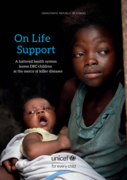
ON LIFE SUPPORT3The Democratic Republic of Congo’s Ebola outbreak has been contained, but confl ict and under-development leave over three million children at risk from measles and other killer diseases. The country’s medical services – ill-equipped and under-resourced – are on life support
...
and in no condition to protect children unless urgent measures are taken.
more
Human rights must be at the centre of all prevention, preparedness, containment and treatment efforts from the start, in order to best protect public health and support the groups and people who are most at risk. States have an obligation to protect and guarantee everyone the right to the highest at
...
tainable standard of health.
All European states have committed to fulfilling the right to health and have signed international and regional human rights treaties to that purpose. In the context of the current pandemic, authorities should engage all available resources to counter the pandemic while fulfilling the right to health.
more
Novel coronavirus will disproportionately impact world’s 70 million displaced people
Report recommends stopping asylum seeker deportations, prioritising hygiene and refugee camp decongestion, better communication
Displaced people must be included in prevention, mitigation efforts - for s
...
ake of everyone’s health
more

The State of the world’s nursing 2020 report provides the latest, most up-to-date evidence on and policy options for the global nursing workforce. It also presents a compelling case for considerable – yet feasible – investment in nursing education, jobs, and leadership.
The primary chapters
...
of the report outline the role and contributions of nurses with respect to the WHO “triple billion” targets; the health labour market and workforce policy levers to address the challenges to nurses working to their full potential; the findings from analysis of National Health Workforce Account (NHWA) data from 191 Member States and progress in relation to the projected shortfall of nurses by 2030; and forward-looking policy options for an agenda to strengthen the nursing workforce to deliver the Sustainable Development Goals, improve health for all, and strengthen the primary health care workforce on our journey towards universal health coverage.
more
COVID‑19 Strategy update 14 April 2020
recommended
Guidance for Asia Pacific National Societies.
This document provides guidance for Asia Pacific National Societies on how to include migrants and displaced people in COVID-19 preparedness and response activities.
A brief guide for those using social media in humanitarian organizations
National Guideline on Maternal and Perinatal Death Surveillance an Response
Dr. Md. A. Hasan; Dr. S. A. J. Md. Musa; Dr. R. Mahmud et al.
Ministry of Health & Family Welfare Government of the Peoples Republic of Bangladesh; World Health Organization (WHO); Unicef; et al.
(2016)
C2
Training of Trainer’s (ToT) Manual on Maternal and Perinatal Death Surveillance and Response (MPDSR)
Dr. Md. A. Hasan; Dr. A. Biswas; Dr. A. S. M. Sayem; et al.
Ministry of Health & Family Welfare Government of the Peoples Republic of Bangladesh; World Health Organization (WHO); Unicef; Health Economics Unit; et al.
(2016)
C2
Defining Disability - A Guideline for Medical Doctors and Primary Health Care Workforce
Prof. AHM E. Hussain; Dr. N. Mohammad; Dr. Md. R. Karim; et al.
Government of the People's Republic of Bangladesh DGHS Directorate General of Health Services Ministry of Health and Family Welfare ; NCDC; drra; et al.
(2019)
C2
January 2019
Non Communicable Disease Control Programme Directorate General of Health Services Health Services Division, Ministry of Health & Family Welfare
Thematic Report– 3 April 2020
ACAPS Risk Analysis: COVID19
info@acaps.org
The Government of Malawi, in fulfilling its primary role of protecting the lives of its vulnerable citizens during disasters and reducing their exposure to risk through preparedness, led the development of a National Coronavirus Disease (COVID-19) Preparedness and Response Plan.
Kenya reported its first case of COVID-19 on 12 March 2020 and, as at 7 April 2020, 172 cases had been confirmed and 6 deaths reported. The Government of Kenya has taken a number of measures to curb the spread of the virus, including implementing a curfew, restricting movement out and into four coun
...
ties, including Nairobi Metropolitan, and closing most of the urban and rural markets to enforce social distancing. However, these measures, along with the global economic shock caused by the pandemic, are expected to generate new needs, requiring an immediate and urgent response.
more
Covid19 - Standard Operating Procedures – UNHAS ROSS
This SOP defines WFP Aviation/UNHAS procedures to be followed when operating in areas affected by the current outbreak of the coronavirus disease (COVID-19). This SOP will be communicated to UNHAS staff, Operators, and user organisations.
Acco
...
rding to World Health Organization (https://www.who.int/health-topics/coronavirus),
Coronaviruses (COVID-19) are a large family of viruses that cause illness ranging from the common cold to more severe diseases such as Middle East Respiratory Syndrome and Severe Acute Respiratory Syndrome.
COVID19 – SOP v.1, 2 Apr 2020
more
A comprehensive briefing by Half of Syria
April 2020
A comprehensive briefing on the critical challenges of the COVID-19 pandemic to Syrians, as reported by Syrian civil society organisations. These challenges have been collated following extensive interviews with the teams of member and partner
...
organisations working in the field in various sectors: health, child care, education, women’s empowerment, media and culture, research, human rights and accountability, relief and social services, and local governance.
This comprehensive briefing also include concrete recommendations formulated by the Syrian civil society.
more
Tips for Engaging Communities during COVID-19 in Low-Resource Settings, Remotely and In-Person
recommended
This brief provides key considerations for engaging communities on COVID-19 and tips for how to engage where there are movement restrictions and physical distancing measures in place, particularly in low-resource settings.
Basic psychosocial support skills are at the core of any Mental Health and PsychosocialSupport (MHPSS) intervention. Such skills are also indispensable for many others involvedin the COVID-19 response, whether they identify as an MHPSS provider or not. Thus, this guide is meant for all COVID-19 resp
...
onders.
It is available in different languages: English, French, Spanish, Arabic, Amharic, Greek, Chinese, Bahasa Indonesia, Russian
more
