
Filter
2639
Text search:
Germany
Featured
291
597
Language
1811
824
227
196
183
103
99
96
55
52
50
50
46
45
45
45
40
37
35
35
34
34
29
25
22
22
18
12
11
9
8
7
6
6
5
5
4
4
4
4
4
3
3
2
2
2
2
2
2
2
2
2
1
1
1
1
1
1
Document type
1179
559
309
137
118
68
61
59
46
41
26
24
6
4
2
Countries
918
153
137
47
43
36
31
27
26
24
21
19
18
17
15
15
15
14
14
13
13
13
12
12
11
11
10
10
9
9
9
9
9
8
8
8
7
7
6
6
6
6
5
5
5
5
5
4
4
4
4
4
4
4
3
3
3
3
3
3
3
3
3
3
2
2
2
2
2
2
2
2
2
2
2
2
2
2
2
2
2
2
2
1
1
1
1
1
1
1
1
1
1
1
1
1
1
1
1
1
1
1
1
1
1
1
1
1
1
Authors & Publishers
270
109
94
81
51
32
31
29
23
23
22
21
19
19
16
15
14
13
13
13
12
12
12
11
10
10
10
10
9
9
9
9
9
9
8
8
8
8
8
7
7
7
7
7
7
7
7
7
7
7
7
7
7
6
6
6
6
6
6
6
6
6
6
6
6
6
5
5
5
5
5
5
5
5
5
5
5
5
5
5
5
5
5
5
5
5
5
4
4
4
4
4
4
4
4
4
4
4
4
4
4
4
4
4
4
4
4
4
4
4
4
4
4
4
4
4
4
4
4
4
4
4
4
4
4
4
3
3
3
3
3
3
3
3
3
3
3
3
3
3
3
3
3
3
3
3
3
3
3
3
3
3
3
3
3
3
3
3
3
3
3
3
3
3
3
3
3
3
3
3
3
3
3
3
3
3
3
3
3
3
3
3
3
3
3
3
3
3
3
3
3
3
2
2
2
2
2
2
2
2
2
2
2
2
2
2
2
2
2
2
2
2
2
2
2
2
2
2
2
2
2
2
2
2
2
2
2
2
2
2
2
2
2
2
2
2
2
2
2
2
2
2
2
2
2
2
2
2
2
2
2
2
2
2
2
2
2
2
2
2
2
2
2
2
2
2
2
2
2
2
2
2
2
2
2
2
2
2
2
2
2
2
2
2
2
2
2
2
2
2
2
2
2
2
2
2
2
2
2
2
2
2
2
2
2
2
2
2
2
2
2
2
2
2
2
2
2
2
2
2
2
2
2
2
2
2
2
2
2
2
2
2
2
2
2
2
2
2
2
2
2
1
1
1
1
1
1
1
1
1
1
1
1
1
1
1
1
1
1
1
1
1
1
1
1
1
1
1
1
1
1
1
1
1
1
1
1
1
1
1
1
1
1
1
1
1
1
1
1
1
1
1
1
1
1
1
1
1
1
1
1
1
1
1
1
1
1
1
1
1
1
1
1
1
1
1
1
1
1
1
1
1
1
1
1
1
1
1
1
1
1
1
1
1
1
1
1
1
1
1
1
1
1
1
1
1
1
1
1
1
1
1
1
1
1
1
1
1
1
1
1
1
1
1
1
1
1
1
1
1
1
1
1
1
1
1
1
1
1
1
1
1
1
1
1
1
1
1
1
1
1
1
1
1
1
1
1
1
1
1
1
1
1
1
1
1
1
1
1
1
1
1
1
1
1
1
1
1
1
1
1
1
1
1
1
1
1
1
1
1
1
1
1
1
1
1
1
1
1
1
1
1
1
1
1
1
1
1
1
1
1
1
1
1
1
1
1
1
1
1
1
1
1
1
1
1
1
1
1
1
1
1
1
1
1
1
1
1
1
1
1
1
1
1
1
1
1
1
1
1
1
1
1
1
1
1
1
1
1
1
1
1
1
1
1
1
1
1
1
1
1
1
1
1
1
1
1
1
1
1
1
1
1
1
1
1
1
1
1
1
1
1
1
1
1
1
1
1
1
1
1
1
1
1
1
1
1
1
1
1
1
1
1
1
1
1
1
1
1
1
1
1
1
1
1
1
1
1
1
1
1
1
1
1
1
1
1
1
1
1
1
1
1
1
1
1
1
1
1
1
1
1
1
1
1
1
1
1
1
1
1
1
1
1
1
1
1
1
1
1
1
1
1
1
1
1
1
1
1
1
1
1
1
1
1
1
1
1
1
1
1
1
1
1
1
1
1
1
1
1
1
1
1
1
1
1
1
1
1
1
1
1
1
1
1
1
1
1
1
1
1
1
1
1
1
1
1
1
1
1
1
1
1
1
1
1
1
1
1
1
1
1
1
1
1
1
1
1
1
1
1
1
1
1
1
1
1
1
1
1
1
1
1
1
1
1
1
1
1
1
1
1
1
1
1
1
1
1
1
1
1
1
1
1
1
1
1
1
1
1
1
1
1
1
1
1
1
1
1
1
1
1
1
1
1
1
1
1
1
1
1
1
1
1
1
1
1
1
1
1
1
1
1
1
1
1
1
1
1
1
1
1
1
1
1
1
1
1
1
1
1
1
1
1
1
1
1
1
1
1
1
1
1
1
1
1
1
1
1
1
1
1
1
1
1
1
1
1
1
1
1
1
1
1
1
1
1
1
1
1
1
1
1
1
1
1
1
1
1
1
1
1
1
1
1
1
1
1
1
1
1
1
1
1
1
1
1
1
1
1
1
1
1
1
1
1
1
1
1
1
1
1
1
1
1
1
1
1
1
1
1
1
1
1
1
1
1
1
1
1
1
1
1
1
1
1
1
1
1
1
1
1
1
1
1
1
1
1
1
1
1
1
1
1
1
1
1
1
1
1
1
1
1
1
1
1
1
1
1
1
1
1
1
1
1
1
1
1
1
1
1
1
1
1
1
1
1
1
1
1
1
1
1
1
1
1
1
1
1
1
1
1
1
1
1
1
1
1
1
1
1
1
1
1
1
1
1
1
1
1
1
1
1
1
1
1
1
1
1
1
1
1
1
1
1
1
1
1
1
1
1
1
1
1
1
1
1
1
1
1
1
1
1
1
1
1
1
1
1
1
1
1
1
1
1
1
1
1
1
1
1
1
1
1
1
1
1
1
1
1
1
1
1
1
1
1
1
1
1
1
1
1
1
1
1
1
1
1
1
1
1
1
1
1
1
1
1
1
1
1
1
1
1
1
1
1
1
1
1
1
1
1
1
1
1
1
1
1
1
1
1
1
1
1
1
1
1
1
1
1
1
1
1
1
1
1
1
1
1
1
1
1
1
1
1
1
1
1
1
1
1
1
1
1
1
1
1
1
1
1
1
1
1
1
1
1
1
1
1
1
1
1
1
1
1
1
1
1
1
1
1
1
1
1
1
1
1
1
1
1
1
1
1
1
1
1
1
1
1
1
1
1
1
1
1
1
1
1
1
1
1
1
1
1
1
1
1
1
1
1
1
1
1
1
1
1
1
1
1
1
1
1
1
1
1
1
1
1
1
1
1
1
1
1
1
1
1
1
1
1
1
1
1
1
1
1
1
1
1
1
1
1
1
1
1
1
1
1
1
1
1
1
1
1
1
1
1
1
1
1
1
1
1
1
1
1
1
1
1
1
1
1
1
1
1
1
1
1
1
1
1
1
1
1
1
1
1
1
1
1
1
1
1
1
1
1
1
1
1
1
1
1
1
1
1
1
1
1
1
1
1
1
1
1
1
1
1
1
1
1
1
1
1
1
1
1
1
1
1
1
1
1
1
1
1
1
1
1
1
1
1
1
1
1
1
1
1
1
1
1
1
1
1
1
1
1
1
1
1
1
1
1
1
1
1
1
1
1
1
1
1
1
1
1
1
1
1
1
1
1
1
1
1
1
1
1
1
1
1
1
1
1
1
1
1
1
1
1
1
1
1
1
1
1
1
1
1
1
1
1
1
1
1
1
1
1
1
1
1
1
1
1
1
1
1
1
1
1
1
1
1
1
1
1
1
1
1
1
1
1
1
1
1
1
1
1
1
1
1
1
1
1
1
1
1
1
1
1
1
1
1
1
1
1
1
1
1
1
1
1
1
1
1
1
1
1
1
1
1
1
1
1
1
1
1
1
1
1
1
1
1
1
1
1
1
1
1
1
1
1
1
1
1
1
1
1
1
1
1
1
1
1
1
1
1
1
1
1
1
1
1
1
1
1
1
1
1
1
1
1
1
1
1
1
1
1
1
1
1
1
1
1
1
1
1
1
1
1
1
1
1
1
1
1
1
1
1
1
1
1
1
1
1
1
1
1
1
1
1
1
1
1
1
1
1
1
1
1
1
1
1
1
1
1
1
1
1
1
1
1
1
1
1
1
1
1
1
1
1
1
1
1
1
1
1
1
1
1
1
1
1
1
1
1
1
1
1
1
1
1
1
1
1
1
1
1
1
1
1
1
1
1
1
1
1
1
1
1
1
1
1
1
1
1
1
1
1
1
1
1
1
1
1
1
1
1
1
1
1
1
1
1
1
1
1
1
1
1
1
1
1
1
1
1
1
1
1
1
1
1
1
1
1
1
1
1
1
1
1
1
1
1
1
1
1
1
1
1
1
1
1
1
1
1
1
1
1
1
1
1
1
1
1
1
1
1
1
1
1
1
1
1
1
1
1
1
1
1
1
1
1
1
1
1
1
1
1
1
1
1
1
1
1
1
1
1
1
1
1
1
1
1
1
1
1
1
1
1
1
1
1
1
1
1
1
1
1
1
1
1
1
1
1
1
1
1
1
1
1
1
1
1
1
1
1
1
1
1
1
1
1
1
1
1
1
1
1
1
1
1
1
1
1
1
1
1
1
1
1
1
1
1
1
1
1
1
1
1
1
1
1
1
1
1
1
1
1
1
1
1
1
1
1
1
1
1
1
1
1
1
1
1
1
1
1
1
1
1
1
1
1
1
1
1
1
1
1
1
1
1
1
1
1
1
1
1
1
1
1
1
1
1
1
1
1
1
1
1
1
1
1
1
1
1
1
1
1
1
1
1
1
1
1
1
1
1
1
1
1
1
1
1
1
1
1
1
1
1
1
1
1
1
1
1
1
1
1
1
1
1
1
1
1
1
1
1
1
1
1
1
1
1
1
1
1
1
1
1
1
1
1
1
1
1
1
1
1
1
1
1
1
1
1
1
1
1
1
1
1
1
1
1
1
1
1
1
1
1
1
1
1
1
1
1
1
1
1
1
1
1
1
1
1
1
1
1
1
1
1
1
1
1
1
1
1
1
1
1
1
1
1
1
1
1
1
1
1
1
1
1
1
1
1
1
1
1
1
1
1
1
1
1
1
1
1
1
1
1
1
1
1
1
1
1
1
1
1
1
1
1
1
1
1
1
1
1
1
1
1
1
1
1
1
1
1
1
1
1
1
1
1
1
1
1
1
1
1
1
1
1
1
1
1
1
1
1
1
1
1
1
1
1
1
1
1
1
1
1
1
1
1
1
1
1
1
1
1
1
1
1
1
1
1
1
1
1
1
1
1
1
1
1
1
1
1
1
1
1
1
1
1
1
1
1
1
1
1
1
1
1
1
1
1
1
1
1
1
1
1
1
1
1
1
1
1
1
1
1
1
1
1
1
1
1
1
1
1
1
1
1
1
1
1
1
1
1
1
1
1
1
1
1
Publication Years
1067
1435
122
15
Category
575
113
113
93
76
23
18
2
Toolboxes
726
359
265
121
114
94
80
78
75
64
60
59
38
38
31
29
28
28
21
20
16
14
11
4
3
Lancet Respir Med 2020Published OnlineMarch 20, 2020 https://doi.org/10.1016/S2213-2600(20)30134-
Produced by Training and Research Support Centre for the Regional Network for Equity in Health in east and southern Africa (EQUINET), March 20, 2020.
This brief summarises and provides links to official, scientific and other resources to support an understanding of and individual to regional level
...
responses to the epidemic of ‘novel coronavirus’, also known as COVID-19.
more

Intensive Care Med (2009) 35:9–29DOI 10.1007/s00134-008-1336-9
Although thousands of papers have been devoted tohospital-acquired pneumonia (HAP), many controversiesremain, and management of HAP is probably often sub-optimal. Several reviews or guidelines have been pub-lished rec
...
ently, mostly by North American initiatives(CDC, ATS). Three European Societies (ERS, ESCMID andESICM) were interested in producing a document thatcould complement in some way the last IDSA/ATS guidelines published 3 years ago. In addition, the Helics
working group supported this initiative.
more
This interim guidance is for LTCF managers and corresponding infection prevention and control (IPC) focal persons in LTCF and updates the guidance published in March 2020. The objective of this document is to provide guidance on IPC in LTCFs in the context of COVID-19 to 1) prevent COVID-19-virus fr
...
om entering the facility and spreading within the facility, and 2) to support safe conditions for visiting through the rigorous application of IPC procedures for the residents’ well-being. WHO will update these recommendations as new information becomes available.
Availabel in English, French, Russian and Spanish
more

The ECDC, the EFSA and the EMA have for the first time jointly explored associations between consumption of antimicrobials in humans and food-producing animals, and antimicrobial resistance in bacteria from humans and food-producing animals, using 2011 and 2012 data currently available from their re
...
levant five EU monitoring networks. Combined data on antimicrobial consumption and corresponding resistance in animals and humans for EU MSs and reporting countries were analysed using logistic regression models for selected combinations of bacteria and antimicrobials. A summary indicator of the proportion of resistant bacteria in the main food-producing animal species was calculated for the analysis, as consumption data in food-producing animals were not available at the species level
more

Stenotrophomonas maltophiliais a nonfermenting Gram-negative rod that is ubiquitous in nature (predominantly occurring in aquatic environments and on plants). Biochemically, it iscatalase positive and oxidase negative, and it produces acid frommaltose (hence the name“maltophilia”). Due to it
...
s chargedcell wall surface and biofilm production, it may attach to and survive on abiotic surfaces in clinical settings (eg, central venouscatheters, disinfectant and hand-washing solutions, solutions for hemodialysis, endoscopes, inspiration/expiration circuits of ventilators, nebulizers, tap water, and showerheads).
Health Services Research and Managerial Epidemiology Volume 6: 1-9ªThe Author(s) 2019
more
Improving the quality of hospital antibiotic use is a major goal of WHO’s global action plan to combat antimicrobial resistance. The WHO Essential Medicines List Access, Watch, and Reserve (AWaRe) classification could facilitate simple stewardship interventions that are widely applicable globally.
...
We aimed to present data on patterns of paediatric AWaRe antibiotic use that could be used for local and national stewardship interventions.
www.thelancet.com/lancetgh Vol 7 July 2019
more

Pakistan Global Antibiotic Resistance Partnership (GARP) was formed in the wake of international and national efforts for AMR curtailment. A group of experts from microbiology, infectious diseases and veterinary medicine formed a core group at the organizational meet
...
ing of GARP in Kathmandu, Nepal in July 2016. In the meeting, this core group was expanded to include other members from different sectors with the selection of the Chair and co-chairs. These were asked to serve on a voluntary basis, in their own individual capacities, with no personal gains, or gains to the institutions to which they are affiliated. The first phase of GARP took place from 2009 to 2011 and involved four countries: India, Kenya, South Africa and Vietnam. Phase one culminated in the 1st Global Forum on Bacterial Infections, held in October 2011 in New Delhi, India. In 2012, phase two of GARP was initiated with the addition of working groups in Mozambique, Tanzania, Nepal and Uganda. Phase three has added Bangladesh, Lao PDR, Nigeria, Pakistan and Zimbabwe to the network to date.
more
The global emergence of antimicrobial resistance (AMR) is posing a threat to human health. Putting resources into the containment of AMR – including surveillance – is one of the highest-yield investments a country can make to mitigate its impact. In 2015, WHO launched the Global Antimicrobial Re
...
sistance Surveillance System (GLASS), the first global collaborative effort to foster AMR surveillance in bacteria causing acute infections. As of December 2018, 71 countries are enrolled in GLASS. The aim of this report is to document participation efforts and outcomes across these countries, and highlight differences and constraints identified to date. This report follows on from the first GLASS Report – Early implementation 2016-17, published in January 2018, and drawing on data from GLASS first data call in 2017.
more
23 December 2020 This document summarizes WHO recommendations for the rational use of personal protective equipment (PPE) in health care settings and temporary strategies during acute supply shortages. This document also contains 2 Annex sections describing updated PPE use recommendations for health
...
workers based on the transmission scenario, setting, and activity in the context of COVID-19 (Annex 1), and updated considerations for the decontamination or reprocessing of PPE (Annex 2). This guidance is intended for public health authorities, organizations, and focal persons involved in decisions regarding PPE distribution, management, and use by health workers.
Available in Arabic, French, English, Spanish and Russian
more
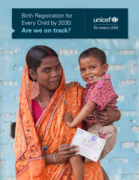
Society first acknowledges a child’s existence and identity
through birth registration. The right to be recognized as
a person before the law is a critical step in ensuring
lifelong protection and is a prerequisite for exercising all
other rights. A birth certificate is proof of that legal ide
...
ntity, and is
the basis upon which children can establish a nationality,
avoid the risk of statelessness and seek protection from
violence and exploitation. For example, proof of age is
needed to help prevent child labour, child marriage and
underage recruitment into the armed forces. A birth
certificate may also be required to access social service
systems, including health, education and justice.
more
Based on Human Rights Watch (HRW)'s reporting on the human rights dimensions of the COVID-19 pandemic (see Related Summary, and the video, below), this document presents 40 questions to provoke thinking about a rights-respecting response to the crisis. The questions address the needs - including aro
...
und issues of information and communication - of groups most at risk, such as people living in poverty, ethnic and religious minorities, women, people with disabilities, older people, migrants, refugees, children, and lesbian, gay, bisexual, and transgender (LGBT) people. The resource also identifies a variety of responses to the crisis, some of which are positive and others problematic - with many links to related stories and resources online.
more
4ª edição
Nos próximos meses, a COVID Reference apresentará atualizações regulares e narrará os dados científicos o mais coerente possível.
La 3ieme édition du nouveau mini-manuel.
Au cours des mois à venir COVID Reference publiera des mises à jour régulières.

Updated guidance. The guidance provides useful information to staff working in prisons, as well as to health and prison authorities, explaining how to prevent and address a potential outbreak of COVID-19. In addition, it aims to protect the health and well-being of all those who live and work in, an
...
d visit, these settings and the general population at large. People deprived of their liberty, and living or working in enclosed environments in close proximity, are likely to be more vulnerable to the COVID-19 disease than the general population. Moreover, correctional facilities may amplify and enhance COVID-19 transmission beyond their walls.
more

9 April 2020
The COVID-19 pandemic is presenting States in Europe with an extraordinary and unprecedented public health emergency. In response, States are taking necessary and legitimate measures to prevent the spread of the virus and to protect their populations. Some of these measures have been
...
taken within the framework of a declared state of emergency, based on specific national provisions governing emergency situations.
more
6 avril 2020
PLOS Neglected Tropical Diseases 18(4): e0012111. https://doi.org/10.1371/journal.pntd.0012111
Eau, assainissement, hygiène et gestion des déchets en rapport avec le virus responsable de la COVID-19
recommended
orientations provisoires, 23 avril 2020
Orientações provisórias23 de Abrilde2020
