
Filter
2966
Text search:
cultural
awareness
Featured
244
793
Language
2889
79
60
39
37
26
14
10
6
6
6
5
5
5
5
5
4
4
3
3
3
3
3
3
3
3
3
3
3
3
3
2
2
2
2
2
2
2
2
2
2
2
2
2
2
2
2
2
1
1
1
1
1
1
1
1
1
1
1
Document type
1737
481
305
185
128
69
31
13
5
5
2
1
1
1
Countries
135
102
86
75
72
72
64
58
58
58
53
53
50
46
44
41
39
37
33
30
30
28
27
27
22
22
21
21
20
19
16
16
15
15
14
13
13
13
13
13
11
11
10
10
10
10
9
9
8
8
8
7
7
7
7
6
6
5
5
5
5
4
4
4
3
3
3
3
3
3
3
3
3
3
2
2
2
2
2
2
2
2
2
2
2
2
2
2
2
2
1
1
1
1
1
1
1
1
1
1
1
1
1
1
1
1
1
1
1
1
1
1
1
1
1
1
1
1
1
1
1
1
1
1
1
Authors & Publishers
309
96
96
68
66
65
42
38
32
30
25
21
19
19
17
17
15
15
15
15
14
14
14
13
12
12
11
11
11
11
10
10
10
10
10
10
9
9
9
9
9
8
8
8
8
8
8
8
8
8
8
8
7
7
7
7
7
7
7
7
7
6
6
6
6
6
6
6
6
6
6
6
5
5
5
5
5
5
5
5
5
5
5
5
5
5
5
5
5
5
5
5
4
4
4
4
4
4
4
4
4
4
4
4
4
4
4
4
4
4
4
4
4
4
4
4
4
4
4
4
4
4
4
4
4
3
3
3
3
3
3
3
3
3
3
3
3
3
3
3
3
3
3
3
3
3
3
3
3
3
3
3
3
3
3
3
3
3
3
3
3
3
3
3
3
3
3
3
3
3
3
3
3
3
3
3
3
3
3
3
3
3
3
3
3
3
3
3
3
3
3
3
3
3
2
2
2
2
2
2
2
2
2
2
2
2
2
2
2
2
2
2
2
2
2
2
2
2
2
2
2
2
2
2
2
2
2
2
2
2
2
2
2
2
2
2
2
2
2
2
2
2
2
2
2
2
2
2
2
2
2
2
2
2
2
2
2
2
2
2
2
2
2
2
2
2
2
2
2
2
2
2
2
2
2
2
2
2
2
2
2
2
2
2
2
2
2
2
2
2
2
2
2
2
2
2
2
2
2
2
2
2
2
2
2
2
2
2
2
2
2
2
2
2
2
2
2
2
2
2
2
2
2
2
2
2
2
2
2
2
2
2
2
2
2
2
2
2
2
2
2
2
2
2
2
2
2
2
2
2
2
2
2
2
2
2
2
2
2
2
2
2
2
2
2
2
2
1
1
1
1
1
1
1
1
1
1
1
1
1
1
1
1
1
1
1
1
1
1
1
1
1
1
1
1
1
1
1
1
1
1
1
1
1
1
1
1
1
1
1
1
1
1
1
1
1
1
1
1
1
1
1
1
1
1
1
1
1
1
1
1
1
1
1
1
1
1
1
1
1
1
1
1
1
1
1
1
1
1
1
1
1
1
1
1
1
1
1
1
1
1
1
1
1
1
1
1
1
1
1
1
1
1
1
1
1
1
1
1
1
1
1
1
1
1
1
1
1
1
1
1
1
1
1
1
1
1
1
1
1
1
1
1
1
1
1
1
1
1
1
1
1
1
1
1
1
1
1
1
1
1
1
1
1
1
1
1
1
1
1
1
1
1
1
1
1
1
1
1
1
1
1
1
1
1
1
1
1
1
1
1
1
1
1
1
1
1
1
1
1
1
1
1
1
1
1
1
1
1
1
1
1
1
1
1
1
1
1
1
1
1
1
1
1
1
1
1
1
1
1
1
1
1
1
1
1
1
1
1
1
1
1
1
1
1
1
1
1
1
1
1
1
1
1
1
1
1
1
1
1
1
1
1
1
1
1
1
1
1
1
1
1
1
1
1
1
1
1
1
1
1
1
1
1
1
1
1
1
1
1
1
1
1
1
1
1
1
1
1
1
1
1
1
1
1
1
1
1
1
1
1
1
1
1
1
1
1
1
1
1
1
1
1
1
1
1
1
1
1
1
1
1
1
1
1
1
1
1
1
1
1
1
1
1
1
1
1
1
1
1
1
1
1
1
1
1
1
1
1
1
1
1
1
1
1
1
1
1
1
1
1
1
1
1
1
1
1
1
1
1
1
1
1
1
1
1
1
1
1
1
1
1
1
1
1
1
1
1
1
1
1
1
1
1
1
1
1
1
1
1
1
1
1
1
1
1
1
1
1
1
1
1
1
1
1
1
1
1
1
1
1
1
1
1
1
1
1
1
1
1
1
1
1
1
1
1
1
1
1
1
1
1
1
1
1
1
1
1
1
1
1
1
1
1
1
1
1
1
1
1
1
1
1
1
1
1
1
1
1
1
1
1
1
1
1
1
1
1
1
1
1
1
1
1
1
1
1
1
1
1
1
1
1
1
1
1
1
1
1
1
1
1
1
1
1
1
1
1
1
1
1
1
1
1
1
1
1
1
1
1
1
1
1
1
1
1
1
1
1
1
1
1
1
1
1
1
1
1
1
1
1
1
1
1
1
1
1
1
1
1
1
1
1
1
1
1
1
1
1
1
1
1
1
1
1
1
1
1
1
1
1
1
1
1
1
1
1
1
1
1
1
1
1
1
1
1
1
1
1
1
1
1
1
1
1
1
1
1
1
1
1
1
1
1
1
1
1
1
1
1
1
1
1
1
1
1
1
1
1
1
1
1
1
1
1
1
1
1
1
1
1
1
1
1
1
1
1
1
1
1
1
1
1
1
1
1
1
1
1
1
1
1
1
1
1
1
1
1
1
1
1
1
1
1
1
1
1
1
1
1
1
1
1
1
1
1
1
1
1
1
1
1
1
1
1
1
1
1
1
1
1
1
1
1
1
1
1
1
1
1
1
1
1
1
1
1
1
1
1
1
1
1
1
1
1
1
1
1
1
1
1
1
1
1
1
1
1
1
1
1
1
1
1
1
1
1
1
1
1
1
1
1
1
1
1
1
1
1
1
1
1
1
1
1
1
1
1
1
1
1
1
1
1
1
1
1
1
1
1
1
1
1
1
1
1
1
1
1
1
1
1
1
1
1
1
1
1
1
1
1
1
1
1
1
1
1
1
1
1
1
1
1
1
1
1
1
1
1
1
1
1
1
1
1
1
1
1
1
1
1
1
1
1
1
1
1
1
1
1
1
1
1
1
1
1
1
1
1
1
1
1
1
1
1
1
1
1
1
1
1
1
1
1
1
1
1
1
1
1
1
1
1
1
1
1
1
1
1
1
1
1
1
1
1
1
1
1
1
1
1
1
1
1
1
1
1
1
1
1
1
1
1
1
1
1
1
1
1
1
1
1
1
1
1
1
1
1
1
1
1
1
1
1
1
1
1
1
1
1
1
1
1
1
1
1
1
1
1
1
1
1
1
1
1
1
1
1
1
1
1
1
1
1
1
1
1
1
1
1
1
1
1
1
1
1
1
1
1
1
1
1
1
1
1
1
1
1
1
1
1
1
1
1
1
1
1
1
1
1
1
1
1
1
1
1
1
1
1
1
1
1
1
1
1
1
1
1
1
1
1
1
1
1
1
1
1
1
1
1
1
1
1
1
1
1
1
1
1
1
1
1
1
1
1
1
1
1
1
1
1
1
1
1
1
1
1
1
1
1
1
1
1
1
1
1
1
1
1
1
1
1
1
1
1
1
1
1
1
1
1
1
1
1
1
1
1
1
1
1
1
1
1
1
1
1
1
1
1
1
1
1
1
1
1
1
1
1
1
1
1
1
1
1
1
1
1
1
1
1
1
1
1
1
1
1
1
1
1
1
1
1
1
1
1
1
1
1
1
1
1
1
1
1
1
1
1
1
1
1
1
1
1
1
1
1
1
1
1
1
1
1
1
1
1
1
1
1
1
1
1
1
1
1
1
1
1
1
1
1
1
1
1
1
1
1
1
1
1
1
1
1
1
1
1
1
1
1
1
1
1
1
1
1
1
1
1
1
1
1
1
1
1
1
1
1
1
1
1
1
1
1
1
1
1
1
1
1
1
1
1
1
1
1
1
1
1
1
1
1
1
1
1
1
1
1
1
1
1
1
1
1
1
1
1
1
1
1
1
1
1
1
1
1
1
1
1
1
1
1
1
1
1
1
1
1
1
1
1
1
1
1
1
1
1
1
1
1
1
1
1
1
1
1
1
1
1
1
1
1
1
1
1
1
1
1
1
1
1
1
1
1
1
1
1
1
1
1
1
1
1
1
1
1
1
1
1
1
1
1
1
1
1
1
1
1
1
1
1
1
1
1
1
1
1
1
1
1
1
1
1
1
1
1
1
1
1
1
1
1
1
1
1
1
1
1
1
1
1
1
1
1
1
1
1
1
1
1
1
1
1
1
1
1
1
1
1
1
1
1
1
1
1
1
1
1
1
1
1
1
1
1
1
1
1
1
1
1
1
1
1
1
1
1
1
1
1
1
1
1
1
1
1
1
1
1
1
1
1
1
1
1
1
1
1
1
1
1
1
1
1
1
1
1
1
1
1
1
1
1
1
1
1
1
1
1
1
1
1
1
1
1
1
1
1
1
1
1
1
1
1
1
1
1
1
1
1
1
1
1
1
1
1
1
1
1
1
1
1
1
1
1
1
1
1
1
1
1
1
1
1
1
1
1
1
1
1
1
1
1
1
1
1
1
1
1
1
1
1
1
1
1
1
1
1
1
1
1
1
1
1
1
1
1
1
1
1
1
1
1
1
1
1
1
1
1
1
1
1
1
1
1
1
1
1
1
1
1
1
1
1
1
1
1
1
1
1
1
1
1
1
1
1
1
1
1
1
1
1
1
1
1
1
1
1
1
1
1
1
1
1
1
1
1
1
1
1
1
1
1
1
1
1
1
1
1
1
1
1
1
1
1
1
1
1
1
1
1
1
1
1
1
1
1
1
1
1
1
1
1
1
1
1
1
1
1
1
1
1
1
1
1
1
1
1
1
1
1
1
1
1
1
1
1
1
1
1
1
1
1
1
1
1
1
1
1
1
1
1
1
1
1
1
1
1
1
1
1
1
1
1
1
1
1
1
1
1
1
1
1
1
1
1
1
1
1
1
1
1
1
1
1
1
1
1
1
1
1
1
1
1
1
1
1
1
1
1
1
1
1
1
1
1
1
1
1
1
1
1
1
1
1
1
1
1
1
1
1
1
1
1
1
1
1
1
1
1
1
1
1
1
1
1
1
1
1
1
1
1
1
1
1
1
1
1
1
1
1
1
1
1
1
1
1
1
1
1
1
1
1
1
1
1
1
1
1
1
1
1
1
1
1
1
1
1
1
1
1
1
1
1
1
1
1
1
1
1
1
1
1
1
1
1
1
1
1
1
1
1
1
1
1
1
1
1
1
1
1
1
1
1
1
1
1
1
1
1
1
1
1
1
1
1
1
1
1
1
1
1
1
1
1
1
1
1
1
1
1
1
1
1
1
1
1
1
1
1
1
1
1
1
1
1
1
1
1
1
1
1
1
1
1
1
1
1
1
1
1
1
1
1
1
1
1
1
1
1
1
1
1
1
1
1
1
1
1
1
1
1
1
1
1
1
1
1
1
1
1
1
1
1
1
1
1
1
1
1
1
1
1
1
1
1
1
1
1
1
1
1
1
1
1
1
1
1
1
1
1
1
1
1
1
1
1
1
1
1
1
1
1
1
1
1
1
1
1
1
1
1
1
1
1
1
1
1
1
1
1
1
1
1
1
1
1
1
1
1
1
1
1
1
1
1
1
1
1
1
1
1
1
1
1
1
1
1
1
1
1
1
1
1
1
1
1
1
1
1
1
1
1
1
1
1
1
1
1
1
1
1
1
1
1
1
1
1
1
1
1
1
1
1
1
1
1
1
1
1
1
1
1
1
1
1
1
1
1
1
1
1
1
1
1
1
1
1
1
1
1
1
1
1
1
1
1
1
1
1
1
1
1
1
1
1
1
1
1
1
1
1
1
1
1
1
1
1
1
1
1
1
1
1
1
1
1
1
1
1
1
1
1
1
1
1
1
1
1
1
1
1
1
1
1
1
1
1
1
1
1
1
1
1
1
1
1
1
1
1
1
1
1
1
1
1
1
1
1
1
1
1
1
1
1
1
1
1
1
1
1
1
1
1
1
1
1
1
1
1
1
1
1
1
1
1
1
1
1
1
1
1
1
1
1
1
1
1
1
1
1
1
1
1
1
1
1
1
1
1
1
1
1
1
1
1
1
1
1
1
1
1
1
1
1
1
1
1
1
1
1
1
1
1
1
1
1
1
1
1
1
1
1
1
1
1
1
1
1
1
1
1
1
1
1
1
1
1
1
1
1
1
1
1
1
1
1
1
1
1
1
1
1
1
1
1
1
1
1
1
1
1
1
1
1
1
1
1
1
1
1
1
1
1
1
1
1
1
1
1
1
1
1
1
1
1
1
1
1
1
1
1
1
1
1
1
1
1
1
1
1
1
1
1
1
1
1
1
1
1
1
Publication Years
1
741
1889
320
13
1
1
Category
1047
251
206
183
137
77
6
1
Toolboxes
403
273
138
135
94
90
86
80
78
76
63
63
51
49
44
44
40
28
23
19
18
12
10
8
7
1
1
WHO QualityRights is an initiative which aims to improve the quality of care in mental health and related services and to promote the human rights of people with psychosocial, intellectual and cognitive disabilities, throughout the world.
This document has been developed to support countries to develop and strengthen peer support groups in mental health and related areas. It addresses the provision of peer support groups in the context of health services and the wider community.
This document has been developed to support countries develop and strengthen individualized peer support services in mental health and related areas. It addresses the provision of individualized peer support in the context of health services and the wider community.
This handbook and teaching guide on recovery has been designed to complement the QualityRights training module on Promoting Recovery in Mental Health and Related Services. The handbook and teaching guide covers much of the same material, but also contains additional text and exercises. It can be giv
...
en to participants at the end of the training sessions so that they are able to review the concepts and material learned during the training.
Alternatively, it can be used independently as a standalone document to deliver training on recovery over 4-5 training days. The handbook/ teaching guide does not rely on PowerPoint presentations to deliver the training. Instead all participants should have a copy of the handbook/ teaching guide and work through the text and exercises either in plenary or in groups based on the discretion of the facilitator for the training.
more
This training and guidance has been developed to provide an in-depth understanding on what it means to respect legal capacity in mental health and related areas as well as concrete strategies to ensure that people are able to exercise their right to legal capacity in all areas of their life. In this
...
context a wide range of scenarios are used to describe how different models of supported decision making can be applied in practice.
more
This document provides training and guidance on the key standards related to the physical and social environment within mental health and related services that need to be met to promote good outcomes, independent living and community inclusion.
This document has been developed to provide training and guidance on how to integrate a human rights approach in mental health and related areas, based on international human rights instruments, in particular the UN Convention on the Rights of Persons with Disabilities (CRPD).
The aim of the WHO QualityRights tool kit is to support countries in assessing and
improving the quality and human rights of their mental health and social care facilities.
The tool kit is based on an extensive international review by people with mental disabilities
and their organizations. It ha
...
s been pilot-tested in low-, middle- and high-income
countries and is designed to be applied in all of these resource settings.
In this tool kit, the term ‘people with mental disabilities’ can include those with mental,
neurological or intellectual impairments and those with substance use disorders.
more
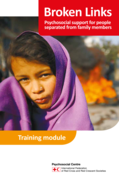
Broken Links: Psychosocial support for people separated from family members (Training
module) and the corresponding Broken Links field guide are designed to support staff and
volunteers in a wide range of settings where they may be in contact with families who have
been separated from their loved
...
ones. The field guide and the training module outline the
causes and consequences of being separated from family members, as well as the types of
contact staff and volunteers might have with families affected by separation.
more

This article identifies the three core defining characteristics of healing environments for children and young people who have been exposed to chronic adversity and trauma. A large body of evidence highlights the pervasive and devastating developmental impacts of such exposure but there is also emer
...
ging evidence about the elements of living and learning environments that foster recovery and resilience. The Three Pillars framework has been developed to inform and empower those who live with or work with these young people but who are not necessarily engaged in formal therapy.
more
Annals of Global Health,Vol.81,No.2, 239-247
At the 2008 inaugural meeting of the Consortium of Universities for Global Health (CUGH),participants discussed the rapid expansion of global health programs and the lack of standardized competencies and curricula to guide these programs. In 2013, CUGH a
...
ppointed a Global Health Competency Subcommittee and charged this subcommittee with identifying broad global health core competencies applicable across disciplines
more
PLOS Medicine | www.plosmedicine.org
January 2013 | Volume 10 | Issue 1 | e1001371
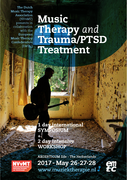
Music therapy can help traumatized children and adults to stabilize and to create a safe space for the expression of feelings and thoughts. In a 1 day international symposium on Friday May 26, presenting lectures and workshops, we’ll highlight the way music therapy research, methods and technique
...
s are applied to treating childhood trauma and sexual abuse, traumatized refugees, prisoners and victims of violence.
more
Psychological first aid for schools: Field operations guide, 2nd Edition
Brymer M., Taylor M., Escudero P., Jacobs A., Kronenberg M., Macy R., Mock L., Payne L., Pynoos R., & Vogel J.
National Child Traumatic Stress Network (NCTSN) & National Center for PTSD
(2012)
C2
National Child Traumatic Stress Network National Center for PTSD | The field of school safety and emergency management has evolved significantly over the past decade. Tragically, acts of violence, natural disasters, and terrorist attacks have taught us many lessons. We also know that other types of
...
emergencies can impact schools, including medical emergencies, transportation accidents, sports injuries, peer victimization, public health emergencies, and the sudden death of a member of the school community. We now recognize the need for school emergency management plans that are up-to-date and take an “all-hazards” approach with clear communication channels and procedures that effectively reunite parents and caregivers with students. We have also learned that preparing school administrators, teachers, and school partnering agencies before a critical event is crucial for effective response, the value of ongoing training and emergency exercises, and that having intervention models that address the public health, mental health, and psychosocial needs of students and staff is essential to a safe school environment and the resumption of learning.
more
War Child put forward a specific request for comparative study, addressing the following questions: •What are the key types of intervention for psychosocial assistance that are being applied to children in war-affected areas? •What are the results of (scientific) research into the effects of th
...
e most relevant programmes? •Which NGOs operate in this sector and what is their practical experience with specific methods? •How does the War Child methodology relate to developments in the sector; what is known about the effects of War Child’s programme and how can these be measured? How will War Child work towards the development of additional evidence?
more

The humanitarian crisis in Yemen remains the worst in the world. Nearly four years of conflict and severe economic decline are driving the country to the brink of famine and exacerbating needs in all sectors. An estimated 80 per cent of the population – 24 million people – require some form of h
...
umanitarian or protection assistance, including 14.3 million who are in acute need. Severity of needs is deepening, with the number of people in acute need a staggering 27 per cent higher than last year. Two-thirds of all districts in the country are already pre-famine, and one-third face a convergence of multiple acute vulnerabilities
more

Mental Health and Psychosocial Support (MHPSS) in the context of the crises in Syria and Iraq
Sigmund Freud Privatuniversität; BAff; Charité; et al.
Deutsche Gesellschaft für Internationale Zusammenarbeit (GIZ) GmbH
(2017)
C2
Guiding framework for development cooperation, Working paper 2017.
This document was drawn up on the basis of expert publications and inputs from partners in the
GIZ regional programme Psychosocial Support for Syrian and Iraqi Refugees and Internally
Displaced People1 in order to serve as guidanc
...
e in the design, implementation and assessment of
psychosocial support measures for refugees in the context of the crises in Syria and Iraq. It is
aimed at actors from the MHPSS sector working with refugees in the Middle East and at ministries
and academic/scientific institutions in the context of the Syria and Iraq crises.
more
Nearly half the population of Sierra Leone is under the age of 18 years and the impact of the Ebola crisis on their lives now and on their future opportunities has been far-reaching: no school; loss of family members and friends to the virus; and changing roles and responsibilities in the home and t
...
he community.
While the priority now remains meeting the goal of zero cases, the Government of Sierra Leone (GoSL) is also developing a comprehensive strategy aimed at supporting communities to recover from this crisis, to put the country back on track to meet development targets. The Ebola Recovery Strategy – currently being finalised by the GoSL – represents a potentially transformative framework to support the immediate recovery of children from the crisis and to ensure their place in the future development of Sierra Leone.
To date, there has not been a formal process for children to outline their own priorities for recovery to decision-makers. In mid-March 2015, child-centred agencies conducted a Children’s Ebola Recovery Assessment (CERA) in nine districts across Sierra Leone to create a mechanism for more than 1,100 boys and girls, to discuss issues of concern; assess the impact of the crisis on their roles, responsibilities and future opportunities; and to formulate their recommendations for recovery.
more
Practice Parameter on Disaster Preparedness
Pfefferbaum, B., Shaw, J.A. & American Academy of Child and Adolescent Psychiatry (AACAP) Committee on Quality Issues (CQI)
American Academy of Child and Adolescent Psychiatry (AACAP)
(2013)
CC
AACAP OFFICIAL ACTION | This Practice Parameter identifies best approaches to the assessment and management of children and adolescents across all phases of a disaster. Delivered within a disaster system of care, many interventions are appropriate for implementation in the weeks and months after a d
...
isaster. These include psychological first aid, family outreach, psychoeducation, social support, screening, and anxiety reduction techniques. The clinician should assess and monitor risk and protective factors across all phases of a disaster. Schools are a natural site for conducting assessments and delivering services to children. Multimodal approaches using social support, psychoeducation, and cognitive behavioral techniques have the strongest evidence base. Psychopharmacologic interventions are not generally used but may be necessary as an adjunct to other interventions for children with severe reactions or coexisting psychiatric conditions
more
