Filter
2858
Text search:
sustainability
Featured
213
793
Language
2766
72
61
33
29
26
17
14
8
4
4
3
3
2
2
2
2
2
2
2
2
2
2
2
2
1
1
1
1
1
1
1
1
1
1
1
1
1
1
1
1
Document type
1407
684
288
177
177
45
38
19
15
4
3
1
Countries
188
99
76
76
72
67
60
60
57
56
51
48
47
46
45
44
44
41
40
36
36
28
27
25
25
24
24
22
21
21
18
18
17
16
16
15
14
13
13
12
11
10
10
10
9
9
9
8
8
8
8
7
7
7
7
7
6
6
6
5
5
5
5
5
4
4
4
4
4
4
4
4
3
3
3
3
3
3
3
3
3
3
2
2
2
2
2
2
2
2
2
2
2
2
2
2
2
2
2
1
1
1
1
1
1
1
1
1
1
1
1
1
1
1
1
1
1
1
1
1
1
1
1
1
1
Authors & Publishers
354
96
77
72
59
52
51
47
33
30
30
17
16
15
15
15
15
14
13
13
12
12
12
12
11
11
11
10
10
9
9
9
9
8
8
8
8
8
7
7
7
7
7
7
6
6
6
6
6
6
6
6
6
6
6
6
6
6
5
5
5
5
5
5
5
5
5
5
5
5
5
5
5
5
5
5
5
5
5
5
4
4
4
4
4
4
4
4
4
4
4
4
4
4
4
4
4
4
4
4
4
4
4
4
4
4
4
4
4
4
4
4
4
4
3
3
3
3
3
3
3
3
3
3
3
3
3
3
3
3
3
3
3
3
3
3
3
3
3
3
3
3
3
3
3
3
3
3
3
3
3
3
3
3
3
3
3
3
3
3
3
3
3
3
3
3
3
3
3
3
3
3
3
3
3
3
3
3
3
3
3
3
2
2
2
2
2
2
2
2
2
2
2
2
2
2
2
2
2
2
2
2
2
2
2
2
2
2
2
2
2
2
2
2
2
2
2
2
2
2
2
2
2
2
2
2
2
2
2
2
2
2
2
2
2
2
2
2
2
2
2
2
2
2
2
2
2
2
2
2
2
2
2
2
2
2
2
2
2
2
2
2
2
2
2
2
2
2
2
2
2
2
2
2
2
2
2
2
2
2
2
2
2
2
2
2
2
2
2
2
2
2
2
2
2
2
2
2
2
2
2
2
2
2
2
2
2
2
2
2
2
2
2
2
2
2
2
2
2
2
2
2
2
2
2
2
2
2
2
2
2
2
2
2
2
2
2
2
2
2
2
2
2
2
2
2
2
2
2
2
2
2
2
2
2
2
2
2
2
2
2
2
2
1
1
1
1
1
1
1
1
1
1
1
1
1
1
1
1
1
1
1
1
1
1
1
1
1
1
1
1
1
1
1
1
1
1
1
1
1
1
1
1
1
1
1
1
1
1
1
1
1
1
1
1
1
1
1
1
1
1
1
1
1
1
1
1
1
1
1
1
1
1
1
1
1
1
1
1
1
1
1
1
1
1
1
1
1
1
1
1
1
1
1
1
1
1
1
1
1
1
1
1
1
1
1
1
1
1
1
1
1
1
1
1
1
1
1
1
1
1
1
1
1
1
1
1
1
1
1
1
1
1
1
1
1
1
1
1
1
1
1
1
1
1
1
1
1
1
1
1
1
1
1
1
1
1
1
1
1
1
1
1
1
1
1
1
1
1
1
1
1
1
1
1
1
1
1
1
1
1
1
1
1
1
1
1
1
1
1
1
1
1
1
1
1
1
1
1
1
1
1
1
1
1
1
1
1
1
1
1
1
1
1
1
1
1
1
1
1
1
1
1
1
1
1
1
1
1
1
1
1
1
1
1
1
1
1
1
1
1
1
1
1
1
1
1
1
1
1
1
1
1
1
1
1
1
1
1
1
1
1
1
1
1
1
1
1
1
1
1
1
1
1
1
1
1
1
1
1
1
1
1
1
1
1
1
1
1
1
1
1
1
1
1
1
1
1
1
1
1
1
1
1
1
1
1
1
1
1
1
1
1
1
1
1
1
1
1
1
1
1
1
1
1
1
1
1
1
1
1
1
1
1
1
1
1
1
1
1
1
1
1
1
1
1
1
1
1
1
1
1
1
1
1
1
1
1
1
1
1
1
1
1
1
1
1
1
1
1
1
1
1
1
1
1
1
1
1
1
1
1
1
1
1
1
1
1
1
1
1
1
1
1
1
1
1
1
1
1
1
1
1
1
1
1
1
1
1
1
1
1
1
1
1
1
1
1
1
1
1
1
1
1
1
1
1
1
1
1
1
1
1
1
1
1
1
1
1
1
1
1
1
1
1
1
1
1
1
1
1
1
1
1
1
1
1
1
1
1
1
1
1
1
1
1
1
1
1
1
1
1
1
1
1
1
1
1
1
1
1
1
1
1
1
1
1
1
1
1
1
1
1
1
1
1
1
1
1
1
1
1
1
1
1
1
1
1
1
1
1
1
1
1
1
1
1
1
1
1
1
1
1
1
1
1
1
1
1
1
1
1
1
1
1
1
1
1
1
1
1
1
1
1
1
1
1
1
1
1
1
1
1
1
1
1
1
1
1
1
1
1
1
1
1
1
1
1
1
1
1
1
1
1
1
1
1
1
1
1
1
1
1
1
1
1
1
1
1
1
1
1
1
1
1
1
1
1
1
1
1
1
1
1
1
1
1
1
1
1
1
1
1
1
1
1
1
1
1
1
1
1
1
1
1
1
1
1
1
1
1
1
1
1
1
1
1
1
1
1
1
1
1
1
1
1
1
1
1
1
1
1
1
1
1
1
1
1
1
1
1
1
1
1
1
1
1
1
1
1
1
1
1
1
1
1
1
1
1
1
1
1
1
1
1
1
1
1
1
1
1
1
1
1
1
1
1
1
1
1
1
1
1
1
1
1
1
1
1
1
1
1
1
1
1
1
1
1
1
1
1
1
1
1
1
1
1
1
1
1
1
1
1
1
1
1
1
1
1
1
1
1
1
1
1
1
1
1
1
1
1
1
1
1
1
1
1
1
1
1
1
1
1
1
1
1
1
1
1
1
1
1
1
1
1
1
1
1
1
1
1
1
1
1
1
1
1
1
1
1
1
1
1
1
1
1
1
1
1
1
1
1
1
1
1
1
1
1
1
1
1
1
1
1
1
1
1
1
1
1
1
1
1
1
1
1
1
1
1
1
1
1
1
1
1
1
1
1
1
1
1
1
1
1
1
1
1
1
1
1
1
1
1
1
1
1
1
1
1
1
1
1
1
1
1
1
1
1
1
1
1
1
1
1
1
1
1
1
1
1
1
1
1
1
1
1
1
1
1
1
1
1
1
1
1
1
1
1
1
1
1
1
1
1
1
1
1
1
1
1
1
1
1
1
1
1
1
1
1
1
1
1
1
1
1
1
1
1
1
1
1
1
1
1
1
1
1
1
1
1
1
1
1
1
1
1
1
1
1
1
1
1
1
1
1
1
1
1
1
1
1
1
1
1
1
1
1
1
1
1
1
1
1
1
1
1
1
1
1
1
1
1
1
1
1
1
1
1
1
1
1
1
1
1
1
1
1
1
1
1
1
1
1
1
1
1
1
1
1
1
1
1
1
1
1
1
1
1
1
1
1
1
1
1
1
1
1
1
1
1
1
1
1
1
1
1
1
1
1
1
1
1
1
1
1
1
1
1
1
1
1
1
1
1
1
1
1
1
1
1
1
1
1
1
1
1
1
1
1
1
1
1
1
1
1
1
1
1
1
1
1
1
1
1
1
1
1
1
1
1
1
1
1
1
1
1
1
1
1
1
1
1
1
1
1
1
1
1
1
1
1
1
1
1
1
1
1
1
1
1
1
1
1
1
1
1
1
1
1
1
1
1
1
1
1
1
1
1
1
1
1
1
1
1
1
1
1
1
1
1
1
1
1
1
1
1
1
1
1
1
1
1
1
1
1
1
1
1
1
1
1
1
1
1
1
1
1
1
1
1
1
1
1
1
1
1
1
1
1
1
1
1
1
1
1
1
1
1
1
1
1
1
1
1
1
1
1
1
1
1
1
1
1
1
1
1
1
1
1
1
1
1
1
1
1
1
1
1
1
1
1
1
1
1
1
1
1
1
1
1
1
1
1
1
1
1
1
1
1
1
1
1
1
1
1
1
1
1
1
1
1
1
1
1
1
1
1
1
1
1
1
1
1
1
1
1
1
1
1
1
1
1
1
1
1
1
1
1
1
1
1
1
1
1
1
1
1
1
1
1
1
1
1
1
1
1
1
1
1
1
1
1
1
1
1
1
1
1
1
1
1
1
1
1
1
1
1
1
1
1
1
1
1
1
1
1
1
1
1
1
1
1
1
1
1
1
1
1
1
1
1
1
1
1
1
1
1
1
1
1
1
1
1
1
1
1
1
1
1
1
1
1
1
1
1
1
1
1
1
1
1
1
1
1
1
1
1
1
1
1
1
1
1
1
1
1
1
1
1
1
1
1
1
1
1
1
1
1
1
1
1
1
1
1
1
1
1
1
1
1
1
1
1
1
1
1
1
1
1
1
1
1
1
1
1
1
1
1
1
1
1
1
1
1
1
1
1
1
1
1
1
1
1
1
1
1
1
1
1
1
1
1
1
1
1
1
1
1
1
1
1
1
1
1
1
1
1
1
1
1
1
1
1
1
1
1
1
1
1
1
1
1
1
1
1
1
1
1
1
1
1
1
1
1
1
1
1
1
1
1
1
1
1
1
1
1
1
1
1
1
1
1
1
1
1
1
1
1
1
1
1
1
1
1
1
1
1
1
1
1
1
1
1
1
1
1
1
1
1
1
1
1
1
1
1
1
1
1
1
1
1
1
1
1
1
1
1
1
1
1
1
1
1
1
1
1
1
1
1
1
1
1
1
1
1
1
1
1
1
1
1
1
1
1
1
1
1
1
1
1
1
1
1
1
1
1
1
1
1
1
1
1
1
1
1
1
1
1
1
1
1
1
1
1
1
1
1
1
1
1
1
1
1
1
1
1
1
1
1
1
1
1
1
1
1
1
1
1
1
1
1
1
1
1
1
1
1
1
1
1
1
1
1
1
1
1
1
1
1
1
1
1
1
1
1
1
1
1
1
1
1
1
1
1
1
1
1
1
1
1
1
1
1
1
1
1
1
1
1
1
1
1
1
1
1
1
1
1
1
1
1
1
1
1
1
1
1
1
1
1
1
1
1
1
1
1
1
1
1
1
1
1
1
1
1
1
1
1
1
1
1
1
1
1
1
1
1
1
1
1
1
1
1
1
1
1
1
1
1
1
1
1
1
1
1
1
1
1
1
1
1
1
1
1
1
1
1
1
1
1
1
1
1
1
1
1
1
1
1
1
1
1
1
1
1
1
1
1
1
1
1
1
1
1
1
1
1
1
1
1
1
1
1
1
1
1
1
1
1
1
1
1
1
1
1
1
1
1
1
1
1
1
1
1
1
1
1
1
1
1
1
1
1
1
1
1
1
1
1
1
1
1
1
1
1
1
1
1
1
1
1
1
1
1
1
1
1
1
1
1
1
1
1
1
1
1
1
1
1
1
1
1
1
1
1
1
1
1
1
1
1
1
1
1
1
1
1
1
1
1
1
1
1
1
1
1
1
1
1
1
1
1
1
1
1
1
1
1
1
1
1
1
1
1
1
1
1
1
1
1
1
1
1
1
1
1
1
1
1
1
1
1
1
1
1
1
1
1
1
1
1
1
1
1
1
1
1
1
1
1
1
1
1
1
1
1
1
1
1
1
1
1
1
1
1
1
1
1
1
1
1
1
1
1
1
1
1
1
1
1
1
1
1
1
1
1
1
1
1
1
1
1
1
1
1
1
1
1
1
1
1
1
1
1
1
1
1
1
1
1
1
1
1
1
1
1
1
1
1
1
1
1
1
1
1
1
1
1
1
1
1
1
1
1
1
1
1
1
1
1
1
1
1
1
1
1
1
1
1
1
1
1
1
1
1
1
1
1
1
1
1
1
1
1
1
1
1
1
1
1
1
1
1
1
1
1
1
1
1
1
1
1
1
1
1
1
1
1
1
1
1
1
1
1
1
1
Publication Years
1
940
1691
218
8
Category
1101
280
193
131
101
41
15
Toolboxes
296
140
124
109
100
98
95
92
91
84
80
79
73
57
51
49
46
43
41
35
23
19
14
8
5
1
1
COVID-19 Recommended Interventions in Mental Health and Psychosocial Support (MHPSS) during the Pandemic
recommended
This document describes the essential interventions in mental health and psychosocial support (MHPSS) that should be developed on an intersectoral basis in countries and communities. Its frame of reference is the Inter-Agency Standing Committee (IASC) intervention pyramid for MHPSS services. The pyr
...
amid shows different levels of support, ranging from social considerations, safety, and basic needs, to the provision of specialized services for the management of more severe conditions, as well as the probable volume of demand at each established level.
Available in Spanisch, Portuguese and English
more

Updated version – September 2020
The COVID-19 pandemic is affecting everyone. Globally, millions of people have been infected with the virus, while hundreds of thousands have lost their lives. In Moldova, the pandemic is placing an ever-increasing pressure on the health care and social protectio
...
n systems, causing major disruptions to economic processes and limitations to social life, deepening inequalities and proving how vulnerable we are.
more

The Pharmacovigilance team in WHO aims to assure the safety of medicines and vaccines by ensuring reliable and timely exchange of information on safety issues, promoting pharmacovigilance activities throughout the Organization and encouraging participation in the WHO Programme for International Drug
...
Monitoring. This text was developed in consultation with the WHO Collaborating Centre for International Drug Monitoring and the national pharmacovigilance centres participating in the WHO Programme for International Drug Monitoring.
more
The Global Strategy for Tuberculosis Research and Innovation will support the efforts of governments and other stakeholders to accelerate TB research and innovation, and improve equitable access to the benefits of research.
Availabl in Arabic, Chinese, English, French, Spanish and Russian
A framework for planning, developing and implementing solutions with and for young people.
The guidance presented in this document is intended for digital health intervention designers, developers, implementers, researchers and funders. Newcomers to digital health can use it as a start-to-finish pr
...
imer on how to collaboratively and responsibly develop youth-centred digital health interventions. Those already engaged in this work can jump directly to the chapters and sections with the ideas and resources they need. Funders will find helpful advice in Annex 1, which outlines special considerations for making smarter, more meaningful investments in digital health interventions for young people.
more

his practical Guide serves as a companion to the “WHO guideline: recommendations on digital interventions for health system strengthening” and provides a systematic process for countries to develop a costed implementation plan for digital health within one or more health programme areas, drawing
...
guidance from the WHO guideline–recommended digital health interventions, providing direction to ensure investments are needs-based and contribute effective and interoperable systems aligned with national digital architecture, country readiness, health system and policy goals.
more
Thefirst report on Latin America and the Carribean presents key indicators on health and health systems in 33 Latin America and the Caribbean countries. . Analysis is based on the latest comparable data across almost 100 indicators including equity, health status, determinants of health, health car
...
e resources and utilisation, health expenditure and financing, and quality of care. The editorial discusses the main challenges for the region brought by the COVID-19 pandemic, such as managing the outbreak as well as mobilising adequate resources and using them efficiently to ensure an effective response to the epidemic.
more
The World Cities Report 2020 shows that the intrinsic value of sustainable urbanization can and should be harnessed for the wellbeing of all. The Report provides evidence and policy analysis of the value of urbanization from an economic, social and environmental perspective, including the unquantifi
...
able value that gives cities their unique character; and also explores the role of innovation and technology, local governments, targeted investments and the effective implementation of the New Urban Agenda in fostering the value of sustainable urbanization.
Please download the whole report in different languages here: https://reliefweb.int/report/world/world-cities-report-2020-value-sustainable-urbanization
more
The present Community Empowerment Manual draws upon the lessons learned of the Community Protection Approach implementation in Lebanon, the occupied Palestinian territory and Central America during the period 2015-2020 by WeWorld – GVC and its partners.
The Manual means to accompany Field Staff i
...
n devising the most appropriate strategy to engage with communities, given the conditions of access, security and time of the specific context in which a project is implemented. Even though the steps described proceed alongside the implementation of the Community Protection Approach, the manual has different sections providing guidance for the definition of engagement strategies in any context or project in question.
more
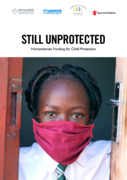
Children living in humanitarian crises face an increased risk of abuse. While the threats of harm are increasing, the established systems in place to protect them are breaking down. Faced with the COVID-19 pandemic and its impacts, vulnerable families suffer multiple hardships. Schools are closed an
...
d families have been pushed to the brink of poverty, sometimes having been denied the opportunity to protect and provide for their children.
The report provides an in-depth analysis of 19 Humanitarian Response Plans and Refugee Response Plans from 2019
more

The WHO country office for Ghana, began the year 2019 with a 4-day staff retreat at the Busua Beach Resort in the Western Region from 04 to 08 March 2019. The theme for the retreat was ‘Impacting the Health and Lives of the people of Ghana through the Triple Billion Goal”. The staff outlined pri
...
orities and strategies to strengthen WHO’s contribution to the national health agenda during the year. Working in collaboration with the Ministry of Health/Ghana Health Service and other allied health institutions and stakeholders, the WHO country office, provided support aimed at achieving its
mission which is attaining the highest level of health by the people in the country though its six operational areas which are (i) Communicable Diseases (ii) Non-Communicable Diseases, (iii) Promoting Health through the Life Course (iv), Health Systems, (v) Preparedness, Surveillance and Response (vi) Corporate services and enabling functions.
more
This report presents an assessment of the institutional readiness to detect, prevent and address health issues associated with ASGM and aims to provide an input to the Ministry of Health (MISAU) to define key priorities in the Public Health Strategy on ASGM. Based on the consultation of representati
...
ves of MISAU as well as various other ministries and stakeholder groups concerned with ASGM, the report assesses institutional capacity strengths and challenges in the public health sector and identifies key stakeholders relevant for the development and implementation of a public health strategy for the ASGM sector.
more
WHO‘s Global Strategy to Accelerate the Elimination of Cervical Cancer, launched today, outlines three key steps: vaccination, screening and treatment. Successful implementation of all three could reduce more than 40% of new cases of the disease and 5 million related deaths by 2050.
This guidance is intended to be used by programme managers following the decision to introduce human papillomavirus (HPV) virological testing as a screening assay in their national cervical cancer prevention and control programme. The guidance includes a step-by-step process to be followed after the
...
decision has been made to specifically introduce and/or scale-up HPV virological testing for screening, which would be followed up with adequate management within the context of cervical cancer prevention
more
An evidence-informed approach for non-formal, out-of-school CSE programmes that aims to reach young people from left-behind populations
This guidance is intended to assist anyone designing and/or implementing CSE in out-of-school settings, especially in low- and middle-income countries. This includ
...
es international and national civil-society organizations, community-based organizations, government departments, UN agencies, health authorities, non-formal education authorities and youth development authorities. It is also intended for anyone else involved in the design, delivery and evaluation of sexuality education programmes out of school, especially those working with the specific groups of young people addressed in the guidance.
more

The WHO Quality Health Services: a planning guide focuses on actions required at the national, district and facility levels to enhance quality of health services, providing guidance on implementing key activities at each of these three levels. It highlights the need for a health systems approach to
...
enhance quality of care, with a common understanding on the activities needed by all stakeholders. The guide articulates the key actions required to improve the quality of health services for the entire population. It recognizes that the path varies for each country, district and facility – stimulating the reader to consider multiple factors and entry points for action. This planning guide is for staff working at all levels of the health system (i.e. national, district and facility) who have a role in enhancing the quality of health services. It is also relevant to all stakeholders initiating and supporting action at facility, district and/or national levels both in the public and private sectors.
more
The World Health Organization organized a Consultation of National Leprosy Programme managers, partners and affected persons to discuss the draft Global Leprosy Strategy, 2021--2030. This virtual event took place from 26 to 30 October 2020. It was attended by more than 450 stakeholders. Contribution
...
s were shared through 70 presentations made by stake holders from all Regions. The presentations covered the key strategic approaches: global context, challenges in countries, contact tracing and post exposure prophylaxis, disability care, interruption of transmission and elimination of disease, stigma and d iscrimination, research. In addition to numerous comments received through the chat box and by email, the conclusions and recommendations of this Consultation will guide finalizing the post 2020 Global Leprosy Strategy.
more