
Filter
3553
Text search:
Community
health
worker
Featured
415
1063
Language
3444
84
59
41
40
21
16
10
7
6
5
5
5
5
4
4
4
4
4
3
3
3
2
2
2
2
2
2
2
1
1
1
1
1
1
1
1
1
1
1
1
1
1
1
1
1
1
Document type
2034
469
463
249
118
113
47
21
13
10
9
6
1
Countries
239
128
126
117
108
106
101
97
83
76
74
64
63
61
56
51
46
46
40
35
34
33
32
27
24
23
23
21
21
20
19
18
18
18
18
18
18
15
15
14
14
12
11
11
11
10
10
9
8
8
8
7
7
7
6
6
6
6
5
5
5
5
4
4
4
4
4
4
3
3
3
3
3
3
3
2
2
2
2
2
2
2
2
1
1
1
1
1
1
1
1
1
1
1
1
1
1
1
1
1
1
1
1
1
1
1
1
1
1
Authors & Publishers
458
148
104
78
77
77
72
69
46
42
35
35
28
24
21
20
19
19
18
18
17
17
17
16
15
14
14
14
14
13
13
13
13
12
12
12
12
12
11
11
11
11
10
10
10
10
10
10
10
10
10
10
10
10
9
9
9
9
9
9
8
8
8
8
8
8
8
7
7
7
7
7
7
7
7
7
6
6
6
6
6
6
6
6
6
6
6
6
6
6
6
6
6
6
5
5
5
5
5
5
5
5
5
5
5
5
5
5
5
5
5
5
5
5
5
5
5
5
5
4
4
4
4
4
4
4
4
4
4
4
4
4
4
4
4
4
4
4
4
4
4
4
4
4
4
4
4
4
4
4
4
4
4
4
4
4
4
4
4
4
4
4
4
4
4
4
3
3
3
3
3
3
3
3
3
3
3
3
3
3
3
3
3
3
3
3
3
3
3
3
3
3
3
3
3
3
3
3
3
3
3
3
3
3
3
3
3
3
3
3
3
3
3
3
3
3
3
3
3
3
3
3
3
3
3
3
3
3
3
3
3
3
3
3
3
3
3
3
3
3
3
3
3
3
3
2
2
2
2
2
2
2
2
2
2
2
2
2
2
2
2
2
2
2
2
2
2
2
2
2
2
2
2
2
2
2
2
2
2
2
2
2
2
2
2
2
2
2
2
2
2
2
2
2
2
2
2
2
2
2
2
2
2
2
2
2
2
2
2
2
2
2
2
2
2
2
2
2
2
2
2
2
2
2
2
2
2
2
2
2
2
2
2
2
2
2
2
2
2
2
2
2
2
2
2
2
2
2
2
2
2
2
2
2
2
2
2
2
2
2
2
2
2
2
2
2
2
2
2
2
2
2
2
2
2
2
2
2
2
2
2
2
2
2
2
2
2
2
2
2
2
2
2
2
2
2
2
2
2
2
2
2
2
2
2
2
2
2
2
2
2
2
2
2
2
2
2
2
2
2
2
2
2
2
2
2
2
2
2
2
2
2
2
2
2
2
2
2
2
2
2
2
2
2
2
2
2
2
2
2
2
1
1
1
1
1
1
1
1
1
1
1
1
1
1
1
1
1
1
1
1
1
1
1
1
1
1
1
1
1
1
1
1
1
1
1
1
1
1
1
1
1
1
1
1
1
1
1
1
1
1
1
1
1
1
1
1
1
1
1
1
1
1
1
1
1
1
1
1
1
1
1
1
1
1
1
1
1
1
1
1
1
1
1
1
1
1
1
1
1
1
1
1
1
1
1
1
1
1
1
1
1
1
1
1
1
1
1
1
1
1
1
1
1
1
1
1
1
1
1
1
1
1
1
1
1
1
1
1
1
1
1
1
1
1
1
1
1
1
1
1
1
1
1
1
1
1
1
1
1
1
1
1
1
1
1
1
1
1
1
1
1
1
1
1
1
1
1
1
1
1
1
1
1
1
1
1
1
1
1
1
1
1
1
1
1
1
1
1
1
1
1
1
1
1
1
1
1
1
1
1
1
1
1
1
1
1
1
1
1
1
1
1
1
1
1
1
1
1
1
1
1
1
1
1
1
1
1
1
1
1
1
1
1
1
1
1
1
1
1
1
1
1
1
1
1
1
1
1
1
1
1
1
1
1
1
1
1
1
1
1
1
1
1
1
1
1
1
1
1
1
1
1
1
1
1
1
1
1
1
1
1
1
1
1
1
1
1
1
1
1
1
1
1
1
1
1
1
1
1
1
1
1
1
1
1
1
1
1
1
1
1
1
1
1
1
1
1
1
1
1
1
1
1
1
1
1
1
1
1
1
1
1
1
1
1
1
1
1
1
1
1
1
1
1
1
1
1
1
1
1
1
1
1
1
1
1
1
1
1
1
1
1
1
1
1
1
1
1
1
1
1
1
1
1
1
1
1
1
1
1
1
1
1
1
1
1
1
1
1
1
1
1
1
1
1
1
1
1
1
1
1
1
1
1
1
1
1
1
1
1
1
1
1
1
1
1
1
1
1
1
1
1
1
1
1
1
1
1
1
1
1
1
1
1
1
1
1
1
1
1
1
1
1
1
1
1
1
1
1
1
1
1
1
1
1
1
1
1
1
1
1
1
1
1
1
1
1
1
1
1
1
1
1
1
1
1
1
1
1
1
1
1
1
1
1
1
1
1
1
1
1
1
1
1
1
1
1
1
1
1
1
1
1
1
1
1
1
1
1
1
1
1
1
1
1
1
1
1
1
1
1
1
1
1
1
1
1
1
1
1
1
1
1
1
1
1
1
1
1
1
1
1
1
1
1
1
1
1
1
1
1
1
1
1
1
1
1
1
1
1
1
1
1
1
1
1
1
1
1
1
1
1
1
1
1
1
1
1
1
1
1
1
1
1
1
1
1
1
1
1
1
1
1
1
1
1
1
1
1
1
1
1
1
1
1
1
1
1
1
1
1
1
1
1
1
1
1
1
1
1
1
1
1
1
1
1
1
1
1
1
1
1
1
1
1
1
1
1
1
1
1
1
1
1
1
1
1
1
1
1
1
1
1
1
1
1
1
1
1
1
1
1
1
1
1
1
1
1
1
1
1
1
1
1
1
1
1
1
1
1
1
1
1
1
1
1
1
1
1
1
1
1
1
1
1
1
1
1
1
1
1
1
1
1
1
1
1
1
1
1
1
1
1
1
1
1
1
1
1
1
1
1
1
1
1
1
1
1
1
1
1
1
1
1
1
1
1
1
1
1
1
1
1
1
1
1
1
1
1
1
1
1
1
1
1
1
1
1
1
1
1
1
1
1
1
1
1
1
1
1
1
1
1
1
1
1
1
1
1
1
1
1
1
1
1
1
1
1
1
1
1
1
1
1
1
1
1
1
1
1
1
1
1
1
1
1
1
1
1
1
1
1
1
1
1
1
1
1
1
1
1
1
1
1
1
1
1
1
1
1
1
1
1
1
1
1
1
1
1
1
1
1
1
1
1
1
1
1
1
1
1
1
1
1
1
1
1
1
1
1
1
1
1
1
1
1
1
1
1
1
1
1
1
1
1
1
1
1
1
1
1
1
1
1
1
1
1
1
1
1
1
1
1
1
1
1
1
1
1
1
1
1
1
1
1
1
1
1
1
1
1
1
1
1
1
1
1
1
1
1
1
1
1
1
1
1
1
1
1
1
1
1
1
1
1
1
1
1
1
1
1
1
1
1
1
1
1
1
1
1
1
1
1
1
1
1
1
1
1
1
1
1
1
1
1
1
1
1
1
1
1
1
1
1
1
1
1
1
1
1
1
1
1
1
1
1
1
1
1
1
1
1
1
1
1
1
1
1
1
1
1
1
1
1
1
1
1
1
1
1
1
1
1
1
1
1
1
1
1
1
1
1
1
1
1
1
1
1
1
1
1
1
1
1
1
1
1
1
1
1
1
1
1
1
1
1
1
1
1
1
1
1
1
1
1
1
1
1
1
1
1
1
1
1
1
1
1
1
1
1
1
1
1
1
1
1
1
1
1
1
1
1
1
1
1
1
1
1
1
1
1
1
1
1
1
1
1
1
1
1
1
1
1
1
1
1
1
1
1
1
1
1
1
1
1
1
1
1
1
1
1
1
1
1
1
1
1
1
1
1
1
1
1
1
1
1
1
1
1
1
1
1
1
1
1
1
1
1
1
1
1
1
1
1
1
1
1
1
1
1
1
1
1
1
1
1
1
1
1
1
1
1
1
1
1
1
1
1
1
1
1
1
1
1
1
1
1
1
1
1
1
1
1
1
1
1
1
1
1
1
1
1
1
1
1
1
1
1
1
1
1
1
1
1
1
1
1
1
1
1
1
1
1
1
1
1
1
1
1
1
1
1
1
1
1
1
1
1
1
1
1
1
1
1
1
1
1
1
1
1
1
1
1
1
1
1
1
1
1
1
1
1
1
1
1
1
1
1
1
1
1
1
1
1
1
1
1
1
1
1
1
1
1
1
1
1
1
1
1
1
1
1
1
1
1
1
1
1
1
1
1
1
1
1
1
1
1
1
1
1
1
1
1
1
1
1
1
1
1
1
1
1
1
1
1
1
1
1
1
1
1
1
1
1
1
1
1
1
1
1
1
1
1
1
1
1
1
1
1
1
1
1
1
1
1
1
1
1
1
1
1
1
1
1
1
1
1
1
1
1
1
1
1
1
1
1
1
1
1
1
1
1
1
1
1
1
1
1
1
1
1
1
1
1
1
1
1
1
1
1
1
1
1
1
1
1
1
1
1
1
1
1
1
1
1
1
1
1
1
1
1
1
1
1
1
1
1
1
1
1
1
1
1
1
1
1
1
1
1
1
1
1
1
1
1
1
1
1
1
1
1
1
1
1
1
1
1
1
1
1
1
1
1
1
1
1
1
1
1
1
1
1
1
1
1
1
1
1
1
1
1
1
1
1
1
1
1
1
1
1
1
1
1
1
1
1
1
1
1
1
1
1
1
1
1
1
1
1
1
1
1
1
1
1
1
1
1
1
1
1
1
1
1
1
1
1
1
1
1
1
1
1
1
1
1
1
1
1
1
1
1
1
1
1
1
1
1
1
1
1
1
1
1
1
1
1
1
1
1
1
1
1
1
1
1
1
1
1
1
1
1
1
1
1
1
1
1
1
1
1
1
1
1
1
1
1
1
1
1
1
1
1
1
1
1
1
1
1
1
1
1
1
1
1
1
1
1
1
1
1
1
1
1
1
1
1
1
1
1
1
1
1
1
1
1
1
1
1
1
1
1
1
1
1
1
1
1
1
1
1
1
1
1
1
1
1
1
1
1
1
1
1
1
1
1
1
1
1
1
1
1
1
1
1
1
1
1
1
1
1
1
1
1
1
1
1
1
1
1
1
1
1
1
1
1
1
1
1
1
1
1
1
1
1
1
1
1
1
1
1
1
1
1
1
1
1
1
1
1
1
1
1
1
1
1
1
1
1
1
1
1
1
1
1
1
1
1
1
1
1
1
1
1
1
1
1
1
1
1
1
1
1
1
1
1
1
1
1
1
1
1
1
1
1
1
1
1
1
1
1
1
1
1
1
1
1
1
1
1
1
1
1
1
1
1
1
1
1
1
1
1
1
1
1
1
1
1
1
1
1
1
1
1
1
1
1
1
1
1
1
1
1
1
1
1
1
1
1
1
1
1
1
1
1
1
1
1
1
1
1
1
1
1
1
1
1
1
1
1
1
1
1
1
1
1
1
1
1
1
1
1
1
1
1
1
1
1
1
1
1
1
1
1
1
1
1
1
1
1
1
1
1
1
1
1
1
1
1
1
1
1
1
1
1
1
1
1
1
1
1
1
1
1
1
1
1
1
1
1
1
1
1
1
1
1
1
1
1
1
1
1
1
1
1
1
1
1
1
1
1
1
1
1
1
1
1
1
1
1
1
1
1
1
1
1
1
1
1
1
1
1
1
1
1
1
1
1
1
1
1
1
1
1
1
1
1
1
1
1
1
1
1
1
1
1
1
1
1
1
1
1
1
1
1
1
1
1
1
1
1
1
1
1
1
1
1
1
1
1
1
1
1
1
1
1
1
1
1
1
1
1
1
1
1
1
1
1
1
1
1
1
1
1
1
1
1
1
1
1
1
1
1
1
1
1
1
1
1
1
1
1
1
1
1
1
1
1
1
1
1
1
1
1
1
1
1
1
1
1
1
1
1
1
1
1
1
1
1
1
1
1
1
1
1
1
1
1
1
1
1
1
1
1
1
1
1
1
1
1
1
1
1
1
1
1
1
1
1
1
1
1
1
1
1
1
1
1
1
1
1
1
1
1
1
1
1
1
1
1
1
1
1
1
1
1
1
1
1
1
1
1
1
1
1
1
1
1
1
1
1
1
1
1
1
1
1
1
1
1
1
1
1
1
1
1
1
1
1
1
1
1
1
1
1
1
1
1
1
1
1
1
1
1
1
1
1
1
1
1
1
1
1
1
1
1
1
1
1
1
1
1
1
1
1
1
1
1
1
1
1
1
1
1
1
1
1
1
1
1
1
1
1
1
1
1
1
1
1
1
1
1
1
1
1
1
1
1
1
1
1
1
1
1
1
1
1
1
1
1
1
1
1
1
1
1
1
1
1
1
1
1
1
1
1
1
1
1
1
1
1
1
1
1
1
1
1
1
1
1
1
1
1
1
1
1
1
1
1
1
1
1
1
1
1
1
1
1
1
1
1
1
1
1
1
1
1
1
1
1
1
1
1
1
1
1
1
1
1
1
1
1
1
1
1
Publication Years
1
990
2196
348
17
1
Category
1588
259
241
196
196
134
16
Toolboxes
307
252
178
172
148
133
131
79
76
59
51
51
47
44
43
40
37
35
33
26
23
21
18
12
8
1
1
Manual for use in primary care.
This manual explains the theoretical basis and evidence for the effectiveness of brief interventions and assists primary health care workers in conducting a simple brief intervention for clients whose substance use i
...
s putting them at risk.
more

The GAP articulates five objectives for tackling AMR, and sets out the tasks required to achieve them, highlighting
roles and responsibilities for country governments, the One Health Tripartite organizations (FAO, OIE and WHO) and other national an
...
d international partners. To ensure that all stakeholders assume their roles and responsibilities, and to assess whether they are collectively effecting the necessary change in AMR, the implementation of the GAP needs to be routinely monitored and evaluated. To that end, the Tripartite organizations co-developed a monitoring and evaluation (M&E) framework for the GAP, as outlined in this document
more
Guidelines for the management of pregnant and breastfeeding women in the context of Ebola virus disease
recommended
To save the lives of mothers and their babies, mitigate complications, and limit the spread of disease, it is critical that recommendations are made on the prevention, treatment, and surveillance of women who are exposed to EVD, acquire EVD during pregnancy or breastfeeding, or survive EVD with ongo
...
ing pregnancies. These guidelines are the first to provide such recommendations.
more
The following protocol has been designed to investigate the First Few X cases (FFX) and their close contacts. It is envisioned that the FFX 2019-nCoV investigation will be conducted across several countries or sites with geographical and demographical diversity. Using a standardized protocol such a
...
s the protocol provided here, epidemiological exposure data and biological samples can be systematically collected and shared rapidly in a format that can be easily aggregated, tabulated and analyzed across many different settings globally for timely estimates of 2019-nCoV infection severity and transmissibility, as well as to inform public health responses and policy decisions. This is particularly important in the context of a novel respiratory pathogen, such as 2019-nCoV
more
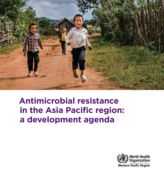
Antimicrobial resistance (AMR) is a serious public health concern with economic, social and political implications that are global in scope, and cross all environmental and ethnic boundaries. As a global threat, AMR risks the ach
...
ievements of modern medicine, and has the potential to impact overall global development. It is important, therefore, to elevate AMR beyond health as part of a larger development agenda in the context of the Sustainable Development Goals (SDGs). This report provides in-depth technical discussions in areas that have direct implications to the containment of AMR as a development agenda. The report is organized in five chapters which served as the technical background documents for the Biregional Technical Consultation on AMR in Asia, 14-15 April 2016. More information from the meeting is available in the WHO Meeting Report: Biregional Technical Consultation on Antimicrobial Resistance in Asia. The meeting was the first time senior officials from the Ministry of Health and Ministry of Agriculture across Asia came together to tackle AMR
more
On 31st December 2019, the World Health Organization (WHO) China Country Office was informed of cases of pneumonia of unknown etiology (unknown cause) detected in Wuhan City, Hubei Province of China. On 7th January 2020, Chinese authorities identifi
...
ed a new strain of Coronavirus as the causative agent for the disease. The virus has been renamed by WHO as SARS-CoV-2 and the disease caused by it as COVID-19. The disease since its first detection in China has now spread to over 200 countries/territories, with reports of local transmission happening in more than 160 of these countries/territories. As per WHO (as of 1st April, 2020), there has been a total of 823626 confirmed cases and 40598 deaths due to COVID-19 worldwide.
In India, as on 2nd April, 2020, 1965 confirmed cases (including 51 foreign nationals) and 50 deaths reported from 29 States/UTs. Large number of cases has been reported from Delhi, Karnataka, Kerala, Maharashtra, Rajasthan, Tamil Nadu, Telangana and Uttar Pradesh.
more
Updated guidance. The guidance provides useful information to staff working in prisons, as well as to health and prison authorities, explaining how to prevent and address a potential outbreak of COVID-19. In addition, it aims to protect the
...
health and well-being of all those who live and work in, and visit, these settings and the general population at large. People deprived of their liberty, and living or working in enclosed environments in close proximity, are likely to be more vulnerable to the COVID-19 disease than the general population. Moreover, correctional facilities may amplify and enhance COVID-19 transmission beyond their walls.
more
Interim guidance, 6 October 2021
Direct detection of SARS-CoV-2 viral proteins (antigens) in nasal swabs and other respiratory secretions using lateral flow immunoassays (also known as rapid diagnostic tests, RDTs) offers a faster and less expensive method to test for SARS-CoV-2 than the reference
...
method, nucleic acid amplification tests (NAATs). This interim guidance offers recommendations on the priority uses of antigen-detecting rapid diagnostic tests (Ag-RDTs) in specific populations and settings, including (i) for primary case detection in symptomatic individuals suspected to be infected and asymptomatic individuals at high risk of COVID-19, (ii) for contact tracing, (iii) during outbreak investigations and (iv) to monitor trends of disease incidence in communities. Ag-RDTs meeting minimum performance requirements can be used outside of clinical and laboratory settings, including in communities, by trained operators in accordance with instructions. The guidance additionally provides recommendations on implementation, product selection and storage.
more
The Pharmacovigilance team in WHO aims to assure the safety of medicines and vaccines by ensuring reliable and timely exchange of information on safety issues, promoting pharmacovigilance activities throughout the Organization and encouraging participation in the WHO Programme for International Drug
...
Monitoring. This text was developed in consultation with the WHO Collaborating Centre for International Drug Monitoring and the national pharmacovigilance centres participating in the WHO Programme for International Drug Monitoring.
more
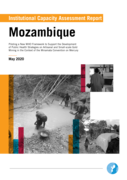
This report presents an assessment of the institutional readiness to detect, prevent and address health issues associated with ASGM and aims to provide an input to the Ministry of Health (MISAU) to
...
define key priorities in the Public Health Strategy on ASGM. Based on the consultation of representatives of MISAU as well as various other ministries and stakeholder groups concerned with ASGM, the report assesses institutional capacity strengths and challenges in the public health sector and identifies key stakeholders relevant for the development and implementation of a public health strategy for the ASGM sector.
more

In 2016, the risk of premature mortality1 from noncommunicable diseases (NCDs) in Ethiopia was 18.3%. The economic costs of NCDs are significant and are due principally to their impact on the non-health sector (reduced workforce and productivity). I
...
n this study, it is estimated that NCDs cost Ethiopia at least 31.3 billion birr (US$ 1.1 billion) per year, equivalent to 1.8% of the gross domestic product (GDP). Less than 15% of the costs are for health care.
more
23 décembre 2020 Ce document résume les recommandations de l'OMS concernant l'utilisation rationnelle des équipements de protection individuelle (EPI) dans les établissements de soins de santé et les stratégies temporaires en cas de pénurie aiguë d'approvisionnement. Ce document contient ég
...
alement 2 sections en annexe qui décrivent les recommandations actualisées d'utilisation des EPI pour les travailleurs de la santé en fonction du scénario de transmission, du milieu et de l'activité dans le contexte de COVID-19 (annexe 1), et des considérations actualisées pour la décontamination ou le retraitement des EPI (annexe 2). Ce guide est destiné aux autorités de santé publique, aux organisations et aux personnes de référence impliquées dans les décisions concernant la distribution, la gestion et l'utilisation des EPI par les travailleurs de la santé.
more
Временное руководство23 декабря 2020 г.
This global guidance provided the framework for over 100 countries to develop their NDVPs. This updated (second) version supersedes the previous version published in 16 November 2020. New information has been added on the following areas:
the COVID-19 Partners Platform;
the use of COVID
...
-19 simulation exercises to test deployment strategies;
the indemnity agreement and no-fault compensation programme for vaccines secured through the COVAX Facility in the Advance Market Commitment (AMC) eligible economies;
the availability and use of the WHO-UNICEF COVID-19 Vaccine Introduction and deployment Costing (CVIC) tool;
the COVAX Facility’s humanitarian buffer that enables allocation of vaccine to cover high-risk populations in humanitarian settings;
recommendations for vaccination of pregnant and lactating women;
supplementary information on infection prevention and control (IPC) measures to be used to deliver COVID-19 vaccines safely;
the WHO licensed COVID-19 vaccines product-specific information;
use of geospatial data and digital micro plans for equitable access and delivery of COVID-19 vaccines;
lessons learned from the development of NDVPs and early experiences in COVID-19 vaccine deployment in countries; and
updated additional resources at the end of each chapter.
more
Interim Guidance October 2022. This addendum addresses some of the methodological aspects of VE evaluations that have been learned during the past year, as well as those that have become relevant in the current epidemiological setting of the COVID-19 pandemic. For some of the COVID-19 vaccine method
...
ology issues there are still insufficient data to make a recommendation, in which case different options for approaching VE evaluations are presented.
more
13 April 2021 Policy Brief
This protocol provides an approach for public health authorities and investigators at all levels to plan for and conduct investigations of nonseasonal influenza and other emerging respiratory diseases and provides tips and reminders for linking the
...
information from the investigation with risk assessment. The disease etiology is not always known at the onset of the event; therefore, this protocol focuses on important but broadly applicable steps that should be undertaken in the investigation of an acute respiratory disease event, especially those occurring at the animal–human interface.
more
