
Filter
4028
Text search:
living
standards
Featured
394
1179
Language
3910
98
63
54
48
27
23
17
9
7
7
7
6
6
6
6
5
5
5
5
5
4
4
4
4
4
4
4
4
3
3
3
3
3
3
3
3
3
2
2
2
2
2
1
1
1
1
1
1
1
1
1
1
1
1
1
1
1
1
1
Document type
2230
682
516
225
189
70
69
25
6
6
5
2
1
Countries
186
136
129
100
97
94
93
82
77
73
70
70
69
63
59
57
54
53
53
50
44
44
37
35
33
31
28
28
27
26
25
24
21
21
21
20
18
17
17
17
16
16
16
14
14
14
13
13
12
12
11
11
10
10
10
8
8
8
8
8
8
7
7
6
5
5
5
4
4
4
4
4
4
4
4
3
3
3
3
3
3
3
3
3
3
3
3
2
2
2
2
2
2
2
2
2
2
2
2
2
2
2
2
2
2
2
1
1
1
1
1
1
1
1
1
1
1
1
1
1
1
1
1
1
1
1
1
1
1
1
1
1
1
Authors & Publishers
499
149
114
106
106
92
63
60
54
48
36
24
22
21
20
20
19
18
18
18
18
17
16
16
16
16
16
15
15
15
14
14
14
14
13
13
13
12
11
11
11
11
11
10
10
10
10
10
10
10
10
10
10
9
9
9
9
9
9
9
9
9
8
8
8
8
8
8
8
8
8
8
8
8
7
7
7
7
7
7
7
7
7
7
7
7
7
7
7
7
6
6
6
6
6
6
6
6
6
6
6
6
6
6
6
6
5
5
5
5
5
5
5
5
5
5
5
5
5
5
5
5
5
5
5
5
4
4
4
4
4
4
4
4
4
4
4
4
4
4
4
4
4
4
4
4
4
4
4
4
4
4
4
4
4
4
4
4
4
4
4
4
4
4
4
4
4
4
4
4
4
4
4
4
3
3
3
3
3
3
3
3
3
3
3
3
3
3
3
3
3
3
3
3
3
3
3
3
3
3
3
3
3
3
3
3
3
3
3
3
3
3
3
3
3
3
3
3
3
3
3
3
3
3
3
3
3
3
3
3
3
3
3
3
3
3
3
3
3
3
3
3
3
3
3
3
3
3
3
3
3
3
3
3
2
2
2
2
2
2
2
2
2
2
2
2
2
2
2
2
2
2
2
2
2
2
2
2
2
2
2
2
2
2
2
2
2
2
2
2
2
2
2
2
2
2
2
2
2
2
2
2
2
2
2
2
2
2
2
2
2
2
2
2
2
2
2
2
2
2
2
2
2
2
2
2
2
2
2
2
2
2
2
2
2
2
2
2
2
2
2
2
2
2
2
2
2
2
2
2
2
2
2
2
2
2
2
2
2
2
2
2
2
2
2
2
2
2
2
2
2
2
2
2
2
2
2
2
2
2
2
2
2
2
2
2
2
2
2
2
2
2
2
2
2
2
2
2
2
2
2
2
2
2
2
2
2
2
2
2
2
2
2
2
2
2
2
2
2
2
2
2
2
2
2
2
2
2
2
2
2
2
2
2
2
2
2
2
2
2
2
2
2
2
2
2
2
2
2
2
2
2
2
2
2
2
2
2
2
2
2
2
2
2
2
2
2
2
2
2
2
2
2
2
2
2
2
2
2
2
1
1
1
1
1
1
1
1
1
1
1
1
1
1
1
1
1
1
1
1
1
1
1
1
1
1
1
1
1
1
1
1
1
1
1
1
1
1
1
1
1
1
1
1
1
1
1
1
1
1
1
1
1
1
1
1
1
1
1
1
1
1
1
1
1
1
1
1
1
1
1
1
1
1
1
1
1
1
1
1
1
1
1
1
1
1
1
1
1
1
1
1
1
1
1
1
1
1
1
1
1
1
1
1
1
1
1
1
1
1
1
1
1
1
1
1
1
1
1
1
1
1
1
1
1
1
1
1
1
1
1
1
1
1
1
1
1
1
1
1
1
1
1
1
1
1
1
1
1
1
1
1
1
1
1
1
1
1
1
1
1
1
1
1
1
1
1
1
1
1
1
1
1
1
1
1
1
1
1
1
1
1
1
1
1
1
1
1
1
1
1
1
1
1
1
1
1
1
1
1
1
1
1
1
1
1
1
1
1
1
1
1
1
1
1
1
1
1
1
1
1
1
1
1
1
1
1
1
1
1
1
1
1
1
1
1
1
1
1
1
1
1
1
1
1
1
1
1
1
1
1
1
1
1
1
1
1
1
1
1
1
1
1
1
1
1
1
1
1
1
1
1
1
1
1
1
1
1
1
1
1
1
1
1
1
1
1
1
1
1
1
1
1
1
1
1
1
1
1
1
1
1
1
1
1
1
1
1
1
1
1
1
1
1
1
1
1
1
1
1
1
1
1
1
1
1
1
1
1
1
1
1
1
1
1
1
1
1
1
1
1
1
1
1
1
1
1
1
1
1
1
1
1
1
1
1
1
1
1
1
1
1
1
1
1
1
1
1
1
1
1
1
1
1
1
1
1
1
1
1
1
1
1
1
1
1
1
1
1
1
1
1
1
1
1
1
1
1
1
1
1
1
1
1
1
1
1
1
1
1
1
1
1
1
1
1
1
1
1
1
1
1
1
1
1
1
1
1
1
1
1
1
1
1
1
1
1
1
1
1
1
1
1
1
1
1
1
1
1
1
1
1
1
1
1
1
1
1
1
1
1
1
1
1
1
1
1
1
1
1
1
1
1
1
1
1
1
1
1
1
1
1
1
1
1
1
1
1
1
1
1
1
1
1
1
1
1
1
1
1
1
1
1
1
1
1
1
1
1
1
1
1
1
1
1
1
1
1
1
1
1
1
1
1
1
1
1
1
1
1
1
1
1
1
1
1
1
1
1
1
1
1
1
1
1
1
1
1
1
1
1
1
1
1
1
1
1
1
1
1
1
1
1
1
1
1
1
1
1
1
1
1
1
1
1
1
1
1
1
1
1
1
1
1
1
1
1
1
1
1
1
1
1
1
1
1
1
1
1
1
1
1
1
1
1
1
1
1
1
1
1
1
1
1
1
1
1
1
1
1
1
1
1
1
1
1
1
1
1
1
1
1
1
1
1
1
1
1
1
1
1
1
1
1
1
1
1
1
1
1
1
1
1
1
1
1
1
1
1
1
1
1
1
1
1
1
1
1
1
1
1
1
1
1
1
1
1
1
1
1
1
1
1
1
1
1
1
1
1
1
1
1
1
1
1
1
1
1
1
1
1
1
1
1
1
1
1
1
1
1
1
1
1
1
1
1
1
1
1
1
1
1
1
1
1
1
1
1
1
1
1
1
1
1
1
1
1
1
1
1
1
1
1
1
1
1
1
1
1
1
1
1
1
1
1
1
1
1
1
1
1
1
1
1
1
1
1
1
1
1
1
1
1
1
1
1
1
1
1
1
1
1
1
1
1
1
1
1
1
1
1
1
1
1
1
1
1
1
1
1
1
1
1
1
1
1
1
1
1
1
1
1
1
1
1
1
1
1
1
1
1
1
1
1
1
1
1
1
1
1
1
1
1
1
1
1
1
1
1
1
1
1
1
1
1
1
1
1
1
1
1
1
1
1
1
1
1
1
1
1
1
1
1
1
1
1
1
1
1
1
1
1
1
1
1
1
1
1
1
1
1
1
1
1
1
1
1
1
1
1
1
1
1
1
1
1
1
1
1
1
1
1
1
1
1
1
1
1
1
1
1
1
1
1
1
1
1
1
1
1
1
1
1
1
1
1
1
1
1
1
1
1
1
1
1
1
1
1
1
1
1
1
1
1
1
1
1
1
1
1
1
1
1
1
1
1
1
1
1
1
1
1
1
1
1
1
1
1
1
1
1
1
1
1
1
1
1
1
1
1
1
1
1
1
1
1
1
1
1
1
1
1
1
1
1
1
1
1
1
1
1
1
1
1
1
1
1
1
1
1
1
1
1
1
1
1
1
1
1
1
1
1
1
1
1
1
1
1
1
1
1
1
1
1
1
1
1
1
1
1
1
1
1
1
1
1
1
1
1
1
1
1
1
1
1
1
1
1
1
1
1
1
1
1
1
1
1
1
1
1
1
1
1
1
1
1
1
1
1
1
1
1
1
1
1
1
1
1
1
1
1
1
1
1
1
1
1
1
1
1
1
1
1
1
1
1
1
1
1
1
1
1
1
1
1
1
1
1
1
1
1
1
1
1
1
1
1
1
1
1
1
1
1
1
1
1
1
1
1
1
1
1
1
1
1
1
1
1
1
1
1
1
1
1
1
1
1
1
1
1
1
1
1
1
1
1
1
1
1
1
1
1
1
1
1
1
1
1
1
1
1
1
1
1
1
1
1
1
1
1
1
1
1
1
1
1
1
1
1
1
1
1
1
1
1
1
1
1
1
1
1
1
1
1
1
1
1
1
1
1
1
1
1
1
1
1
1
1
1
1
1
1
1
1
1
1
1
1
1
1
1
1
1
1
1
1
1
1
1
1
1
1
1
1
1
1
1
1
1
1
1
1
1
1
1
1
1
1
1
1
1
1
1
1
1
1
1
1
1
1
1
1
1
1
1
1
1
1
1
1
1
1
1
1
1
1
1
1
1
1
1
1
1
1
1
1
1
1
1
1
1
1
1
1
1
1
1
1
1
1
1
1
1
1
1
1
1
1
1
1
1
1
1
1
1
1
1
1
1
1
1
1
1
1
1
1
1
1
1
1
1
1
1
1
1
1
1
1
1
1
1
1
1
1
1
1
1
1
1
1
1
1
1
1
1
1
1
1
1
1
1
1
1
1
1
1
1
1
1
1
1
1
1
1
1
1
1
1
1
1
1
1
1
1
1
1
1
1
1
1
1
1
1
1
1
1
1
1
1
1
1
1
1
1
1
1
1
1
1
1
1
1
1
1
1
1
1
1
1
1
1
1
1
1
1
1
1
1
1
1
1
1
1
1
1
1
1
1
1
1
1
1
1
1
1
1
1
1
1
1
1
1
1
1
1
1
1
1
1
1
1
1
1
1
1
1
1
1
1
1
1
1
1
1
1
1
1
1
1
1
1
1
1
1
1
1
1
1
1
1
1
1
1
1
1
1
1
1
1
1
1
1
1
1
1
1
1
1
1
1
1
1
1
1
1
1
1
1
1
1
1
1
1
1
1
1
1
1
1
1
1
1
1
1
1
1
1
1
1
1
1
1
1
1
1
1
1
1
1
1
1
1
1
1
1
1
1
1
1
1
1
1
1
1
1
1
1
1
1
1
1
1
1
1
1
1
1
1
1
1
1
1
1
1
1
1
1
1
1
1
1
1
1
1
1
1
1
1
1
1
1
1
1
1
1
1
1
1
1
1
1
1
1
1
1
1
1
1
1
1
1
1
1
1
1
1
1
1
1
1
1
1
1
1
1
1
1
1
1
1
1
1
1
1
1
1
1
1
1
1
1
1
1
1
1
1
1
1
1
1
1
1
1
1
1
1
1
1
1
1
1
1
1
1
1
1
1
1
1
1
1
1
1
1
1
1
1
1
1
1
1
1
1
1
1
1
1
1
1
1
1
1
1
1
1
1
1
1
1
1
1
1
1
1
1
1
1
1
1
1
1
1
1
1
1
1
1
1
1
1
1
1
1
1
1
1
1
1
1
1
1
1
1
1
1
1
1
1
1
1
1
1
1
1
1
1
1
1
1
1
1
1
1
1
1
1
1
1
1
1
1
1
1
1
1
1
1
1
1
1
1
1
1
1
1
1
1
1
1
1
1
1
1
1
1
1
1
1
1
1
1
1
1
1
1
1
1
1
1
1
1
1
1
1
1
1
1
1
1
1
1
1
1
1
1
1
1
1
1
1
1
1
1
1
1
1
1
1
1
1
1
1
1
1
1
1
1
1
1
1
1
1
1
1
1
1
1
1
1
1
1
1
1
1
1
1
1
1
1
1
1
1
1
1
1
1
1
1
1
1
1
1
1
1
1
1
1
1
1
1
1
1
1
1
1
1
1
1
1
1
1
1
1
1
1
1
1
1
1
1
1
1
1
1
1
1
1
1
1
1
1
1
1
1
1
1
1
1
1
1
1
1
1
1
1
1
1
1
1
1
1
1
1
1
1
1
1
1
1
1
1
1
1
1
1
1
1
1
1
1
1
1
1
1
1
1
1
1
1
1
1
1
1
1
1
1
1
1
1
1
1
1
1
1
1
1
1
1
1
1
1
1
1
1
1
1
1
1
1
1
1
1
1
1
1
1
1
1
1
1
1
1
1
1
1
1
1
1
1
1
1
1
1
1
1
1
1
1
1
1
1
1
1
1
1
1
1
1
1
1
1
1
1
1
1
1
1
1
1
1
1
1
1
1
1
1
1
1
1
1
1
1
1
1
1
1
1
1
1
1
1
1
1
1
1
1
1
1
1
1
1
1
1
1
1
1
1
1
1
1
1
1
1
1
1
1
1
1
1
1
1
1
1
1
1
1
1
1
1
1
1
1
1
1
1
1
1
1
1
1
1
1
1
1
1
1
1
1
1
1
1
1
1
1
1
1
1
1
1
1
1
1
1
1
1
1
1
1
1
1
1
1
1
1
1
1
1
1
1
1
1
1
1
1
1
1
1
1
1
1
1
1
1
1
1
1
1
1
1
1
1
1
1
1
1
1
1
1
1
1
1
1
1
1
1
1
1
1
1
1
1
1
1
1
1
1
1
1
1
1
1
1
1
1
1
1
1
1
1
1
1
1
1
1
1
1
1
1
1
1
1
1
1
1
1
1
1
1
1
1
1
1
1
1
1
1
1
1
1
1
1
1
1
1
1
1
1
1
1
1
1
1
1
1
1
1
1
1
1
1
1
1
1
1
1
1
1
1
1
1
1
1
1
1
1
1
1
1
1
1
1
1
1
1
1
1
1
1
1
1
1
1
1
1
1
1
1
1
1
1
1
1
1
1
1
1
1
1
1
1
1
1
1
1
1
1
1
1
1
1
1
1
1
1
1
1
1
1
1
1
1
1
1
1
1
1
1
1
1
1
1
1
1
1
1
1
1
1
1
1
1
1
1
1
1
1
1
1
1
1
1
1
1
1
1
1
1
1
1
1
1
1
1
1
1
1
1
1
1
1
1
1
1
1
1
1
1
1
1
1
1
1
1
1
1
1
1
1
1
1
1
1
1
1
1
1
1
1
1
1
1
1
1
1
1
1
1
1
1
1
1
1
1
1
1
1
1
1
1
1
1
1
1
1
1
1
1
1
1
1
1
1
1
1
1
1
1
1
1
1
1
1
1
1
1
1
1
1
1
1
1
1
1
1
1
1
1
1
1
1
1
1
1
1
1
1
1
1
1
1
1
1
1
1
1
1
1
1
1
1
1
1
1
1
1
1
1
1
1
1
1
1
1
1
1
1
1
1
1
1
1
1
1
1
1
1
1
1
1
1
1
1
1
1
1
1
1
1
1
1
1
1
1
1
1
1
1
1
1
1
1
1
1
1
1
1
1
1
1
1
1
1
1
1
1
1
1
1
1
1
1
1
1
1
1
1
1
1
1
1
1
1
1
1
1
Publication Years
1169
2482
359
17
1
Category
1585
327
261
255
212
77
36
2
Toolboxes
315
263
241
218
176
169
155
130
108
90
82
70
61
61
60
59
47
42
37
34
30
29
23
17
13
2
Specific action sheets offer useful guidance on mental health and psychosocial support and cover the following areas coordination assessment monitoring and evaluation protection and human rights standards human resources community mobilisation and s
...
upport health services education dissemination of information food security and nutrition shelter and site planning and water and sanitationthe guidelines include a matrix with guidance for emergency planning actions to be taken in the early stages of an emergency and comprehensive responses needed in the recovery and rehabilitation phases
more
STGs are designed to assist health care professionals in making decisions about appropriate, effective patient care. However, health managers often have trouble setting and meeting the high standards required of modern, developed health care systems
...
. With stakeholders expressing concern over issues such as strength of evidence, transparency, conflicts of interest, and effective implementation, it is clear that many health care professionals need further guidance in developing and making use of STGs.
This manual guides health professionals through the process of establishing and implementing STGs, placing special emphasis on the low- and middle-income country (LMIC) context. By including tools, templates, and success stories as well as hyperlinks to useful resources, the manual helps health practitioners understand not only important concepts of treatment guidelines, but also how they can best be used in practice.
more
This Rapid Advice Guideline updates the Interim Guidance on the “Assessment of infants with microcephaly in the context of Zika virus” published in February 2016 (WHO/ZIKV/MOC/16.3). The recommendations provides guidance on the screening, clinical assessment, neuroimaging, laboratory investigati
...
on and follow-up of children born to women living in areas of Zika virus transmission. The Guideline summarises the evidence base and rationale in support of the recommendations and expands the scope to address complications beyond microcephaly and what is now referred to as the congenital Zika virus syndrome
more
Care and Support Centre (CSC) is a national initiative to provide expanded and holistic care and support services for PLHIV. The guideline focuses on the objectives, criteria for selection, required infrastructure, human resources, MIS tools, and financial guidelines for CSCs. This guideline will b
...
e useful to the care providers, programme managers, and all stakeholders in providing excellent care to the people living with HIV/AIDS
more
From policy to practice: how the TB-HIV response is working
“The HIV community must place much more focus on TB co-infection than
it has done to date. TB takes the lives of over 1000 people living with HIV
every day, a number which is absolut
...
ely unacceptable. This report highlights that
TB doesn’t have to be a death sentence for people living with HIV, but we need
more action. By joining forces, the HIV and TB community can finally give this
deadly issue the attention it deserves.”
– Mike Podmore, Director STOPAIDS
more

High levels of storage iron may increase malaria susceptibility. This risk has not been investigated in semi-immune adolescents. We investigated whether baseline iron status of nonpregnant adolescent girls living in a high malaria transmission area
...
in Burkina Faso affected malaria risk during the following rainy season. For this prospective study, we analysed data from an interim safety survey, conducted six months into a randomised iron supplementation trial. We used logistic regression to model the risk of P. falciparum infection prevalence by microscopy, the pre-specified interim safety outcome, in relation to iron status, nutritional indicators and menarche assessed at recruitment.
more
Updates for the integrated management of childhood illness (IMCI) - Guideline.
As part of its response to the global epidemic of obesity, WHO has issued guidelines to support primary healthcare workers identify and manage children who are overweight or obese. Specifically, all infants and children
...
aged less than 5 years presenting to primary health-care facilities should have both weight and height measured in order to determine their weight-for-height and their nutritional status according to WHO child growth standards. Comparing a child's weight with norms for its length/height is an effective way to assess for both wasting and overweight
more
This document is one of eight PDF documents that comprise the Guidance on Child-focused Victim
Assistance. All are available in PDF at
An estimated 59 000 people die from rabies each year. That’s one person every nine minutes of every day, 40% of whom are children living in Asia and Africa. As dog bites cause almost all human cases, we can prevent rabies deaths by increasing awar
...
eness, vaccinating dogs to prevent the disease at its source and administering life-saving treatment after people have been bitten. We have the vaccines, medicines, tools and technologies to prevent people from dying from dog-mediated rabies. For a relatively low cost it is possible to break the disease cycle and save lives
more

The purpose of the PAS III is to guide Pakistan’s overall national response for HIV and AIDS through 2020, through focused interventions with set targets, costs, roles and responsibilities. The successful implementation of PAS III involves multiple stakeholders to achieve priority outcomes outline
...
d in the Strategy. The Strategy focuses on allocating limited resources to scale up high-impact, high-value interventions such as HTC and treatment to reduce AIDS related deaths and new HIV infections. Priorities in the PAS III have been identified to ensure maximum impact in reducing new infections, especially among key populations, improving treatment uptake and retention, and improving the quality of life of people living with HIV and AIDS in the context of limited financial and human resources.
more
Reporting period: January 2014 – December 2014
The human immunodeficiency virus (HIV) epidemic in Myanmar is concentrated among men who have sex with men (MSM), people who inject drugs (PWID) and female sex workers (FSW). HIV prevalence in the adult population aged 15 years and older was esti ... mated at 0.54% in 2014. But data from HIV Sentinel Sero-Surveillance (HSS) indicates higher prevalence in 2014 among key populations: FSW 6.3%, MSM 6.6% and PWID 23.1%. Compared to 2012 data, the prevalence has declined from 7.1% in FSW and 8.9% in MSM, but has increased from 18% in PWID.
Epidemiological modelling suggests that in 2014 there were around 212,000 people living with HIV (PLHIV) in Myanmar, 34% of whom were females. Nearly 11,000 people died of HIV-related illnesses, compared to approximately 15,000 in 2011. An estimated 9,000 new infections occurred in 2014. more
The human immunodeficiency virus (HIV) epidemic in Myanmar is concentrated among men who have sex with men (MSM), people who inject drugs (PWID) and female sex workers (FSW). HIV prevalence in the adult population aged 15 years and older was esti ... mated at 0.54% in 2014. But data from HIV Sentinel Sero-Surveillance (HSS) indicates higher prevalence in 2014 among key populations: FSW 6.3%, MSM 6.6% and PWID 23.1%. Compared to 2012 data, the prevalence has declined from 7.1% in FSW and 8.9% in MSM, but has increased from 18% in PWID.
Epidemiological modelling suggests that in 2014 there were around 212,000 people living with HIV (PLHIV) in Myanmar, 34% of whom were females. Nearly 11,000 people died of HIV-related illnesses, compared to approximately 15,000 in 2011. An estimated 9,000 new infections occurred in 2014. more
The magnitude and complexity of these mental health conditions caused by prolonged and extensive trauma requires a diagnosis fitting the unique context of the Syrian conflict. Over half a million people have been killed since the beginning of the conflict in 2011, and more than 6.4 million are inter
...
nally displaced with over 5 million living as refugees. SAMS documents the multi-dimensional nature of mental health disorders afflicting Syrians, including accounts of refugee experiences from Eastern Ghouta, Idlib, and beyond. This qualitative report seeks to raise awareness about increasing mental health needs, while sharing personal stories of those who have been affected by the trauma of the conflict.
more
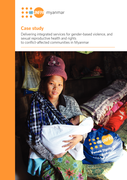
Women and girls have specific needs that are often ignored during crisis. While on the run or while living in shelters, women and girls continue to become pregnant, but they often lack access to basic sexual and reproduc-tive health care. Without as
...
sistance by midwifes or access to contraceptives, women and girls are at increased risk of unsafe sex, unwanted pregnancy and unsafe delivery, and are at a higher risk of infection by HIV and other sexually transmitted infections. In addition, displaced women have virtually no access to protection, security, justice, and other services related to gender-based violence (GBV). For these reasons, the delivery of sexual and reproduc-tive health and rights (SRHR) as well as GBV services to conflict-affected communities – most of whom are living in protracted displacement – is a key part of UNFPA’s Women and Girls First Programme (WGF). The initia-tive is a commitment to prevent and respond to violence perpetrated against women and girls in Myanmar, and to realize their sexual and reproductive health and rights.
more
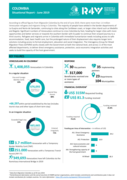
According to official figures from Migración Colombia by the end of June 2019, there were more than 1.4 million Venezuelan refugees and migrants living in Colombia. The majority of people have settled in the border departments of La Guajira and Nor
...
te de Santander, continuing to cities along the Caribbean coast, or larger cities inland such as Medellin and Bogotá. Significant numbers of Venezuelans continue to cross Colombia by foot, heading for larger cities with more opportunities and better services or towards the southern border with Ecuador to continue their onward journey to a third country. Refugees and migrants arrive in Colombia with immediate humanitarian needs including access to safe accommodation, food, basic health care, but the prolonged nature of their displacement also requires longer term solutions including access to formal employment, education and social integration. The Interagency Group for Mixed Migration Flows (GIFMM) works closely with the Government at both the national level, and across 11 of the most affected departments, to deliver direct emergency assistance, protection, socio-economic integration activities and seeks to build the capacity of the host government.
more
The Urban Health Equity Assessment and Response Tool (Urban HEART) is a user-friendly guide for policy- and decision-makers at national and local levels to: identify and analyse inequities in health between people living in various parts of cities,
...
or belonging to different socioeconomic groups within and across cities; facilitate decisions on viable and effective strategies, interventions and actions that should be used to reduce inter- and intra-city health inequities.
Also available in French and Spanish: https://apps.who.int/iris/handle/10665/79060
more
Infectious diseases like COVID-19 can disrupt the environments in which children grow and develop. Disruptions to families, friendships, daily routines and the wider community can have negative consequences for children’s well-being, development and protection. In addition, measures used to preven
...
t and control the spread of COVID-19 can expose children to protection risks. Home-based, facility-based and zonal-based quarantine and isolation measures can all negatively impact children and their families.
The aim of this brief is to support child protection practitioners to better respond to the child protection risks during a COVID-19 pandemic. Part 1 presents the potential child protection risks COVID-19 can pose to children. Part 2 presents programmatic options in line with the 2019 Minimum Standards for Child Protection in Humanitarian Action (CPMS) and the Guidance Note: Protection of Children During Infectious Disease Outbreaks.
more
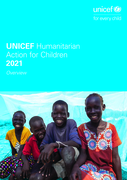
This edition of UNICEF’s annual Humanitarian Action for Children highlights UNICEF’s funding appeal, which sets out an ambitious agenda to address the major challenges facing children and young people living through conflict and crisis. It prese
...
nts the investments needed in 2021 to save their lives and protect their futures.
more
Based on Human Rights Watch (HRW)'s reporting on the human rights dimensions of the COVID-19 pandemic (see Related Summary, and the video, below), this document presents 40 questions to provoke thinking about a rights-respecting response to the crisis. The questions address the needs - including aro
...
und issues of information and communication - of groups most at risk, such as people living in poverty, ethnic and religious minorities, women, people with disabilities, older people, migrants, refugees, children, and lesbian, gay, bisexual, and transgender (LGBT) people. The resource also identifies a variety of responses to the crisis, some of which are positive and others problematic - with many links to related stories and resources online.
more
People in prisons and other places of detention live in a closed environment and in close proximity with one another – conditions that facilitate transmission of diseases. They also have a greater underlying burden of disease and worse health conditions than the general population, and frequently
...
face greater exposure to risks such as smoking, poor hygiene and weak immune defence due to stress, poor nutrition or existing diseases. All these factors make people living in prison more susceptible to infections.
more
This note provides a few ideas to a challenging problem of reaching survivors who cannot easily access phone-based GBV support. It is very much a living document given the evolving nature of the pandemic and may be adapted as more evidence, insights
...
and lessons become available. It is intended to spark conversation in the hope that additional contributions and innovations from others will result.
more
