
Filter
3644
Text search:
case
detection
Featured
426
939
Language
3455
105
80
71
40
32
24
18
9
7
5
5
4
4
4
3
3
3
3
3
3
2
2
2
2
2
2
2
1
1
1
1
1
1
1
1
1
1
1
1
1
1
1
1
1
1
1
1
1
1
1
1
1
1
1
1
1
1
Document type
1779
651
611
216
187
78
59
40
6
5
4
3
1
1
Countries
251
168
114
81
80
75
72
71
71
68
63
59
50
48
48
44
41
40
40
36
35
35
32
30
30
28
27
24
23
23
22
21
21
20
20
19
19
17
17
16
14
13
13
13
13
12
10
10
10
10
10
9
9
9
9
9
8
7
7
7
7
6
6
6
5
5
5
5
5
5
5
5
5
5
5
5
4
4
4
4
4
4
4
3
3
3
3
3
3
3
3
3
3
3
3
2
2
2
2
2
2
2
2
2
2
2
2
2
2
2
2
2
2
2
2
2
2
2
2
1
1
1
1
1
1
1
1
1
1
1
1
1
1
1
1
1
1
1
1
1
1
1
1
1
1
Authors & Publishers
654
208
110
102
96
67
59
42
31
29
28
25
25
21
21
21
20
20
19
16
16
16
16
15
14
14
14
14
13
13
12
12
12
12
11
11
11
11
10
10
10
10
10
9
9
9
9
9
9
9
9
9
9
8
8
8
8
8
8
8
7
7
7
7
7
7
7
7
7
7
7
6
6
6
6
6
6
6
6
6
6
6
6
6
6
6
6
6
6
5
5
5
5
5
5
5
5
5
5
5
5
5
5
5
5
5
5
5
5
5
5
5
5
5
5
4
4
4
4
4
4
4
4
4
4
4
4
4
4
4
4
4
4
4
4
4
4
4
4
4
4
4
4
4
4
4
4
3
3
3
3
3
3
3
3
3
3
3
3
3
3
3
3
3
3
3
3
3
3
3
3
3
3
3
3
3
3
3
3
3
3
3
3
3
3
3
3
3
3
3
3
3
3
3
3
3
3
3
3
3
3
3
3
2
2
2
2
2
2
2
2
2
2
2
2
2
2
2
2
2
2
2
2
2
2
2
2
2
2
2
2
2
2
2
2
2
2
2
2
2
2
2
2
2
2
2
2
2
2
2
2
2
2
2
2
2
2
2
2
2
2
2
2
2
2
2
2
2
2
2
2
2
2
2
2
2
2
2
2
2
2
2
2
2
2
2
2
2
2
2
2
2
2
2
2
2
2
2
2
2
2
2
2
2
2
2
2
2
2
2
2
2
2
2
2
2
2
2
2
2
2
2
2
2
2
2
2
2
2
2
2
2
2
2
2
2
2
2
2
2
2
2
2
2
2
2
2
2
2
2
2
2
2
2
2
2
2
2
2
2
2
2
2
2
2
2
2
2
2
2
2
2
2
2
2
1
1
1
1
1
1
1
1
1
1
1
1
1
1
1
1
1
1
1
1
1
1
1
1
1
1
1
1
1
1
1
1
1
1
1
1
1
1
1
1
1
1
1
1
1
1
1
1
1
1
1
1
1
1
1
1
1
1
1
1
1
1
1
1
1
1
1
1
1
1
1
1
1
1
1
1
1
1
1
1
1
1
1
1
1
1
1
1
1
1
1
1
1
1
1
1
1
1
1
1
1
1
1
1
1
1
1
1
1
1
1
1
1
1
1
1
1
1
1
1
1
1
1
1
1
1
1
1
1
1
1
1
1
1
1
1
1
1
1
1
1
1
1
1
1
1
1
1
1
1
1
1
1
1
1
1
1
1
1
1
1
1
1
1
1
1
1
1
1
1
1
1
1
1
1
1
1
1
1
1
1
1
1
1
1
1
1
1
1
1
1
1
1
1
1
1
1
1
1
1
1
1
1
1
1
1
1
1
1
1
1
1
1
1
1
1
1
1
1
1
1
1
1
1
1
1
1
1
1
1
1
1
1
1
1
1
1
1
1
1
1
1
1
1
1
1
1
1
1
1
1
1
1
1
1
1
1
1
1
1
1
1
1
1
1
1
1
1
1
1
1
1
1
1
1
1
1
1
1
1
1
1
1
1
1
1
1
1
1
1
1
1
1
1
1
1
1
1
1
1
1
1
1
1
1
1
1
1
1
1
1
1
1
1
1
1
1
1
1
1
1
1
1
1
1
1
1
1
1
1
1
1
1
1
1
1
1
1
1
1
1
1
1
1
1
1
1
1
1
1
1
1
1
1
1
1
1
1
1
1
1
1
1
1
1
1
1
1
1
1
1
1
1
1
1
1
1
1
1
1
1
1
1
1
1
1
1
1
1
1
1
1
1
1
1
1
1
1
1
1
1
1
1
1
1
1
1
1
1
1
1
1
1
1
1
1
1
1
1
1
1
1
1
1
1
1
1
1
1
1
1
1
1
1
1
1
1
1
1
1
1
1
1
1
1
1
1
1
1
1
1
1
1
1
1
1
1
1
1
1
1
1
1
1
1
1
1
1
1
1
1
1
1
1
1
1
1
1
1
1
1
1
1
1
1
1
1
1
1
1
1
1
1
1
1
1
1
1
1
1
1
1
1
1
1
1
1
1
1
1
1
1
1
1
1
1
1
1
1
1
1
1
1
1
1
1
1
1
1
1
1
1
1
1
1
1
1
1
1
1
1
1
1
1
1
1
1
1
1
1
1
1
1
1
1
1
1
1
1
1
1
1
1
1
1
1
1
1
1
1
1
1
1
1
1
1
1
1
1
1
1
1
1
1
1
1
1
1
1
1
1
1
1
1
1
1
1
1
1
1
1
1
1
1
1
1
1
1
1
1
1
1
1
1
1
1
1
1
1
1
1
1
1
1
1
1
1
1
1
1
1
1
1
1
1
1
1
1
1
1
1
1
1
1
1
1
1
1
1
1
1
1
1
1
1
1
1
1
1
1
1
1
1
1
1
1
1
1
1
1
1
1
1
1
1
1
1
1
1
1
1
1
1
1
1
1
1
1
1
1
1
1
1
1
1
1
1
1
1
1
1
1
1
1
1
1
1
1
1
1
1
1
1
1
1
1
1
1
1
1
1
1
1
1
1
1
1
1
1
1
1
1
1
1
1
1
1
1
1
1
1
1
1
1
1
1
1
1
1
1
1
1
1
1
1
1
1
1
1
1
1
1
1
1
1
1
1
1
1
1
1
1
1
1
1
1
1
1
1
1
1
1
1
1
1
1
1
1
1
1
1
1
1
1
1
1
1
1
1
1
1
1
1
1
1
1
1
1
1
1
1
1
1
1
1
1
1
1
1
1
1
1
1
1
1
1
1
1
1
1
1
1
1
1
1
1
1
1
1
1
1
1
1
1
1
1
1
1
1
1
1
1
1
1
1
1
1
1
1
1
1
1
1
1
1
1
1
1
1
1
1
1
1
1
1
1
1
1
1
1
1
1
1
1
1
1
1
1
1
1
1
1
1
1
1
1
1
1
1
1
1
1
1
1
1
1
1
1
1
1
1
1
1
1
1
1
1
1
1
1
1
1
1
1
1
1
1
1
1
1
1
1
1
1
1
1
1
1
1
1
1
1
1
1
1
1
1
1
1
1
1
1
1
1
1
1
1
1
1
1
1
1
1
1
1
1
1
1
1
1
1
1
1
1
1
1
1
1
1
1
1
1
1
1
1
1
1
1
1
1
1
1
1
1
1
1
1
1
1
1
1
1
1
1
1
1
1
1
1
1
1
1
1
1
1
1
1
1
1
1
1
1
1
1
1
1
1
1
1
1
1
1
1
1
1
1
1
1
1
1
1
1
1
1
1
1
1
1
1
1
1
1
1
1
1
1
1
1
1
1
1
1
1
1
1
1
1
1
1
1
1
1
1
1
1
1
1
1
1
1
1
1
1
1
1
1
1
1
1
1
1
1
1
1
1
1
1
1
1
1
1
1
1
1
1
1
1
1
1
1
1
1
1
1
1
1
1
1
1
1
1
1
1
1
1
1
1
1
1
1
1
1
1
1
1
1
1
1
1
1
1
1
1
1
1
1
1
1
1
1
1
1
1
1
1
1
1
1
1
1
1
1
1
1
1
1
1
1
1
1
1
1
1
1
1
1
1
1
1
1
1
1
1
1
1
1
1
1
1
1
1
1
1
1
1
1
1
1
1
1
1
1
1
1
1
1
1
1
1
1
1
1
1
1
1
1
1
1
1
1
1
1
1
1
1
1
1
1
1
1
1
1
1
1
1
1
1
1
1
1
1
1
1
1
1
1
1
1
1
1
1
1
1
1
1
1
1
1
1
1
1
1
1
1
1
1
1
1
1
1
1
1
1
1
1
1
1
1
1
1
1
1
1
1
1
1
1
1
1
1
1
1
1
1
1
1
1
1
1
1
1
1
1
1
1
1
1
1
1
1
1
1
1
1
1
1
1
1
1
1
1
1
1
1
1
1
1
1
1
1
1
1
1
1
1
1
1
1
1
1
1
1
1
1
1
1
1
1
1
1
1
1
1
1
1
1
1
1
1
1
1
1
1
1
1
1
1
1
1
1
1
1
1
1
1
1
1
1
1
1
1
1
1
1
1
1
1
1
1
1
1
1
1
1
1
1
1
1
1
1
1
1
1
1
1
1
1
1
1
1
1
1
1
1
1
1
1
1
1
1
1
1
1
1
1
1
1
1
1
1
1
1
1
1
1
1
1
1
1
1
1
1
1
1
1
1
1
1
1
1
1
1
1
1
1
1
1
1
1
1
1
1
1
1
1
1
1
1
1
1
1
1
1
1
1
1
1
1
1
1
1
1
1
1
1
1
1
1
1
1
1
1
1
1
1
1
1
1
1
1
1
1
1
1
1
1
1
1
1
1
1
1
1
1
1
1
1
1
1
1
1
1
1
1
1
1
1
1
1
1
1
1
1
1
1
1
1
1
1
1
1
1
1
1
1
1
1
1
1
1
1
1
1
1
1
1
1
1
1
1
1
1
1
1
1
1
1
1
1
1
1
1
1
1
1
1
1
1
1
1
1
1
1
1
1
1
1
1
1
1
1
1
1
1
1
1
1
1
1
1
1
1
1
1
1
1
1
1
1
1
1
1
1
1
1
1
1
1
1
1
1
1
1
1
1
1
1
1
1
1
1
1
1
1
1
1
1
1
1
1
1
1
1
1
1
1
1
1
1
1
1
1
1
1
1
1
1
1
1
1
1
1
1
1
1
1
1
1
1
1
1
1
1
1
1
1
1
1
1
1
1
1
1
1
1
1
1
1
1
1
1
1
1
1
1
1
1
1
1
1
1
1
1
1
1
1
1
1
1
1
1
1
1
1
1
1
1
1
1
1
1
1
1
1
1
1
1
1
1
1
1
1
1
1
1
1
1
1
1
1
1
1
1
1
1
1
1
1
1
1
1
1
1
1
1
1
1
1
1
1
1
1
1
1
1
1
1
1
1
1
1
1
1
1
1
1
1
1
1
1
1
1
1
1
1
1
1
1
1
1
1
1
1
1
1
1
1
1
1
1
1
1
1
1
1
1
1
1
1
1
1
1
1
1
1
1
1
1
1
1
1
1
1
1
1
1
1
1
1
1
1
1
1
1
1
1
1
1
1
1
1
1
1
1
1
1
1
1
1
1
1
1
1
1
1
1
1
1
1
1
1
1
1
1
1
1
1
1
1
1
1
1
1
1
1
1
1
1
1
1
1
1
1
1
1
1
1
1
1
1
1
1
1
1
1
1
1
1
1
1
1
1
1
1
1
1
1
1
1
1
1
1
1
1
1
1
1
1
1
1
1
1
1
1
1
1
1
1
1
1
1
1
1
1
1
1
1
1
1
1
1
1
1
1
1
1
1
1
1
1
1
1
1
1
1
1
1
1
1
1
1
1
1
1
1
1
1
1
1
1
1
1
1
1
1
1
1
1
1
1
1
1
1
1
1
1
1
1
1
1
1
1
1
1
1
1
1
1
1
1
1
1
1
1
1
1
1
1
1
1
1
1
1
1
1
1
1
1
1
1
1
1
1
1
1
1
1
1
1
1
1
1
1
1
1
1
1
1
1
1
1
1
1
1
1
1
1
1
1
1
1
1
1
1
1
1
1
1
1
1
1
1
1
1
1
1
1
1
1
1
1
1
1
1
1
1
1
1
1
1
1
1
1
1
1
1
1
1
1
1
1
1
1
1
1
1
1
1
1
1
1
1
1
1
1
1
1
1
1
1
1
1
1
1
1
1
1
1
1
1
1
1
1
1
1
1
1
1
1
1
1
1
1
1
1
1
1
1
1
1
1
1
1
1
1
1
1
1
1
1
1
1
1
1
1
1
1
1
1
1
1
1
1
1
1
1
1
1
1
1
1
1
1
1
1
1
1
1
1
1
1
1
1
1
1
1
1
1
1
1
1
1
1
1
1
1
1
1
1
1
1
1
1
1
1
1
1
1
1
1
1
1
1
1
1
1
1
1
1
1
1
1
1
1
1
1
1
1
1
1
1
1
1
1
1
1
1
1
1
1
1
1
1
1
1
1
1
1
1
1
1
1
1
1
1
1
1
1
1
1
1
1
1
1
1
1
1
1
1
1
1
1
1
1
1
1
1
1
1
1
1
1
1
1
1
1
1
1
1
1
1
1
1
1
1
1
1
1
1
1
1
1
1
1
1
1
1
1
1
1
1
1
1
1
1
1
1
1
1
1
1
1
1
1
1
1
1
1
1
1
1
1
1
1
1
1
1
1
1
1
1
1
1
1
1
1
1
1
1
1
1
1
1
1
1
1
1
1
1
1
1
1
1
1
1
1
1
1
1
1
1
1
1
1
Publication Years
1281
2041
309
12
1
Category
1335
359
205
153
131
74
46
1
Toolboxes
409
378
219
194
158
117
105
104
97
83
77
76
75
65
59
58
52
50
48
47
32
31
25
23
3
1
Guidelines on Management of COVID-19 in Kenya
recommended
It has been over a year since Kenya identified the first case of COVID-19 in the country. The Government formed the National COVID-19 task force, which supported the country's response through multi-sectoral technical working groups on testing,
...
case management, risk communication and community engagement among others. An earlier version of the COVID case management guideline was released in April 2020 and capacity building of health care workers on diagnosis and treatment of COVID-19 was quickly carried out, even as counties prepared themselves by setting up isolation centres and supplies
more
Rabies remains an under-reported neglected zoonosis with a case-fatality rate of almost 100% in humans and animals. Dog-mediated human rabies causes tens of thousands of human deaths annually despite being 100% preventable. More than 95% of human ca
...
ses are caused by the bite of a rabies-infected dog. Dog-mediated human rabies disproportionately affects rural communities, particularly children, and economically disadvantaged areas of Africa and Asia, where awareness of the disease and access to appropriate post-exposure prophylaxis (PEP) can be limited or nonexistent.
more
This document serves to provide interim guidance/ recommendations to carry out mpox surveillance activities mainly case investigation, contact tracing and isolation. For the development of this document WHO, UKHSA and CDC guidelines were referred to
...
and adopted within the country context.
more
The overall objective of this implementation plan is to define the strategy for implementation of the Xpert MTB/RIF test for rapid detection of TB and rifampicin (RIF) resistance in Tanzania, within the context of the National Tuberculosis and Lepro
...
sy Programme (NTLP) strategic plan and other national health guidelines. It is intended to serve as the main guiding document for national, regional and local programme managers, clinicians, coordinators, laboratory staff and other health workers; national and regional reference laboratories; local and international implementing partners; and donors involved in TB control.
more

The mandate of the National Tuberculosis Control Programme is to provide leadership and stewardship to accelerate intense and coordinated efforts to reduce the adult TB burden of 290 per 100,000 population recently established in the 2013 National TB Prevalence Survey. Other key challenges are low T
...
B case notification, unacceptably high TB death rates, low antiretroviral therapy (ART) coverage among TB/HIV patients and low drug-resistant notification and treatment.
more

Populations affected by emergencies are continually at risk of outbreaks of epidemic-prone diseases and other public health hazards. This operational guidance aims to guide decision-making on when and how to implement and strengthen Early Warning Alert and Response (EWAR) in preparation for and resp
...
onse to emergencies. Each module aims to provide updated operational guidance for EWAR practices, which may be more easily understood and applied during emergencies. Through its application, this operational guidance aims to contribute to:
- earlier detection of acute public health events
- earlier and more effective response
- reduced impact of emergencies on health
- increased trust of the population in the (public) health system
- fulfilling our collective commitments to the International Health Regulations (IHR,
2005).
This guidance was developed jointly by 69 experts from more than 20 organizations from global level to country level.
more
La surveillance de l'épidémie de méningite dans la ceinture africaine repose sur la détection précoce des cas grâce à un système renforcé de surveillance des maladies (système IDSR) et sur des données de laboratoire
In many countries, people with disabilities still face multiple barriers when accesing health services. This case study details the challenges encountered on the way, the lessons drawn from it and achievements to date. You could also download a long
...
version: http://health.bmz.de/good-practices/GHPC/Every_person_counts/Every_person_counts_long_ENG.pdf
more
Establishing a community-based disease surveillance system is key step to improving the early detection and assessment of outbreaks
General Objectives
1. Share information on the progress of your preparation, including response capabilities, plans and procedures to identify and respond to an imported case of COVID-19 in your country.
2. Identify areas of interdependence bet
...
ween health actors and other sectors
3. Conduct gap analysis based on the COVID-19 Strategic Preparedness and Response Plan (SPRP)
4. Develop an action plan to enhance your level of readiness, based on the SPRP.
more
Genomic sequencing has been an essential tool in generating virological data, driving the laboratory response, and better understanding the dispersal and evolutionary patterns of SARS-CoV-2. In addition to the characterization of the global circulation patterns, early
...
detection of SARS-CoV-2 variants inside each country is critical to complement the epidemiological and virological surveillance
9 February 2021
more
This guidance provides interim guidance for the integration of SARS-CoV-2 and influenza virologic and genomic surveillance, from sentinel site case enrolment and sampling to the eventual sharing of the virus sequence data, a process known as end-to-
...
end surveillance. This guidance builds on experiences and lessons learned as countries adapted their influenza surveillance systems in the context of the COVID-19 pandemic and reviews new evidence to provide guidance on end-to-end surveillance. The guidance includes new algorithms and strategies to adapt sentinel systems to make them resilient and agile for addressing global and national surveillance needs for influenza and COVID-19.covid-
more
i. A person who is a contact of a probable or confirmed mpox case in the 21 days before the onset of signs or symptoms, and who presents with any of the following: acute onset of fever (>38.5°C), headache, myalgia (muscle pain/body aches), back pai
...
n, profound weakness or fatigue.
OR
ii. A person presenting since 01 January 2022 with an unexplained acute skin rash, mucosal lesions or lymphadenopathy (swollen lymph nodes). The skin rash may include single or multiple lesions in the ano-genital region or elsewhere on the body. Mucosal lesions may include single or multiple oral, conjunctival, urethral, penile, vaginal, or ano-rectal lesions. Ano-rectal lesions can also manifest as ano-rectal inflammation (proctitis), pain and/or bleeding.
AND
for which the following common causes of acute rash or skin lesions do not fully explain the clinical picture: varicella zoster, herpes zoster, measles, herpes simplex, bacterial skin infections, disseminated gonococcus infection, primary or secondary syphilis, chancroid, lymphogranuloma venereum, granuloma inguinale, molluscum contagiosum, allergic reaction (e.g., to plants); and any other locally relevant common causes of papular or vesicular rash.
more
PLoS Negl Trop Dis 16(11): e0010885. https://doi.org/10.1371/journal.pntd.0010885
HAT diagnosis in non-endemic countries is rare and can be challenging, but alertness and
surveillance must be maintained to contribute to WHO’s elimination goals. Early d
...
etection is
particularly important as it considerably improves the prognosis.
more

Strengthening global health security to protect the world against future epidemics and pandemics requires well-tested and decentralized capacities for the local detection and rapid containment of outbreaks of infectious disease. For such capacitie
...
s to translate into effective response actions, individuals and teams must be well connected and coordinated, despite differences in the size, geography, technical focus or constituency of their parent institution.
more
The WHO Cholera Rapid Diagnostic Test (RDT) Target Product Profile outlines the key requirements for developing improved cholera RDTs. It highlights the need for fast, accurate, and easy-to-use tests for early outbreak detection in resource-limited
...
settings. The document sets desired and acceptable performance criteria, including high sensitivity and specificity, rapid results (under 15 minutes), and usability by non-laboratory personnel. The tests should be affordable, stable in extreme conditions, and require minimal training. The goal is to enhance cholera surveillance and outbreak response, ensuring quick containment and improved public health outcomes.
more
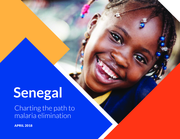
Senegal’s substantial and sustained progress against malaria is an inspiring public health success story, and a source of potential lessons for other countries on the path to elimination. This case study describes three major success factors—(1)
...
outstanding leadership and partner engagement, (2) the achievement and maintenance of high intervention coverage levels, and (3) a thriving data culture—and explores several exciting new opportunities to consolidate and expand upon Senegal’s two decades of impact.
more
13 May 2021
To avoid a reversal of progress from the adverse impacts of the COVID-19 pandemic, new knowledge and lessons from successful programmatic innovations are urgently needed to improve TB prevention and care. Experience can provide evidence for innovative approaches and strategies to mainta
...
in and scale up high-quality TB services. WHO therefore called for case studies on programmatic innovations that address emerging challenges in TB prevention and care during the pandemic in order to collect and disseminate the findings to the TB community. Between November 2020 and February 2021, a total of 23 case studies relevant to the call were accepted from 19 countries in the six regions of WHO. The lessons learnt from these country activities to ensure the continuity of essential services like TB care in the face of the crippling crisis may also inform strategies for minimizing the impact of future emerging pathogens on health services.
more
The objective of the study was the validation and implementation of GeneXpert MTB/RIF for routine use in the rapid detection of tuberculosis and sensitivity to rifampicin in clinical samples; for this, 1592 respiratory samples were collected and ana
...
lyzed in the laboratory of Instituto Nacional de Investigación en Salud Pública Guayaquil. The analysis of the results of GeneXpert in comparison with smear microscopy showed an initial sensitivity of 99.8% and specificity of 93.2%; The analysis of discrepancies using the results of the culture as a reference method showed that the GeneXpert results considered false negatives turned out to be true negatives, the same happens with the false positives that correspond to true positives. Recalculated the sensitivity and specificity of the GeneXpert was 99.8% and 100% correspondingly. The comparison with the drugs susceptibility test showed a sensitivity of 91.4% and a specificity of 95.5% for the GeneXpert MTB/RIF system. It is concluded that the implementation of the GeneXpert system allows solution to certain problems associated with the application of conventional diagnostic methodologies, decreasing the waiting times, and increasing the sensitivity and specificity in the diagnosis of drug-resistant tuberculosis, thus generating a valuable opportunity for early diagnosis.
more
Four (04) new EVD alerts were reported from Rubkona, Nimule, and juba during week 45 (ending 13 November 2022) but only one sample was collected for laboratory confirmation which tested negative. The other three were discarded as they did not meet EVD case
...
definition.
more
