
Filter
906
Text search:
World
Health
Organization
(WHO),
Department
of
Mental
Health
and
Substance
Abuse
Featured
108
181
Language
Document type
551
113
95
73
29
26
13
3
1
1
1
Countries
35
31
23
22
21
20
16
14
14
13
13
11
11
11
10
10
9
9
9
8
7
7
7
6
6
6
5
5
5
4
3
3
3
3
3
3
3
3
3
2
2
2
2
2
2
2
2
2
2
2
2
2
2
2
2
2
1
1
1
1
1
1
1
1
1
1
1
1
1
1
1
1
1
1
1
1
1
1
1
1
1
1
1
1
1
1
1
1
1
1
1
1
1
1
1
Authors & Publishers
Publication Years
Category
248
56
50
49
38
16
5
Toolboxes
378
43
43
37
24
17
16
16
13
12
11
10
9
8
6
5
5
4
3
2
2
1
1
Schools are generally the most popular setting for drug-use-
prevention programmes, and are used both by governmental and
non-governmental agencies. This may be for many reasons: ease
...
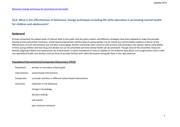
Q13: What is the effectiveness of behaviour change techniques including life skills education in promoting mental health for children
...
The recommendations in this guideline are intended to inform development of national and subnational health policies, clinical protocols
...
This is an open-access training course for frontline healthcare providers who manage acute illness and injury with limited resources. Produced in response to requests from multiple countries
...

In line with the Defeating meningitis by 2030: a global road map, the WHO guidelines on meningitis diagnosis, treatment and care Executive Summary provides a summary
...
The WHO Global Health Estimates show that nearly half a million deaths (493 471) occurred in the WHO European Region due to violence
...
The internationally recognized criteria for diagnosis of neurocysticercosis include a requirement for neuroimaging techniques, such as computerized tomography (CT) and/or magnetic resonance imaging
...
Humanitarian emergencies and crises (Humanitarian emergencies and crises) are large-scale events that may result in the breakdown of
...

54th directing council; 67th session of the regional Committee of WHO for the Americas
CD54/11, Rev. 1, 2 October 2015, Original: Spanish
Epilepsy: a public health imperative
recommended
This is the first global report on epilepsy summarizing the available evidence on the burden of epilepsy and the public health response required at
...

Adolescents and young adults aged 10-24 remain underserved in the global response against HIV. Combination prevention, treatment and care programmes use a mix
...

These 2025 guidelines respond to the need for better approaches to identify advanced HIV disease, improve the poor outcomes of people living with HIV being discharged from hospital and provide updat
...
he WHO global disability action plan 2014-2021 is a significant step towards achieving health and well-being
...
More than 700 000 people lose their life to suicide every year. A core foundation of suicide prevention is the timely registration and regular monitoring
...
Updated guidance. The guidance provides useful information to staff working in prisons, as well as to health and prison authorities, explaining how to prevent
...
The "Questions and Answers on Prevention and control of Alcohol related harm" has been developed by WHO
...
The Access to Controlled Medications Programme identified the development of treatment guidelines that cover the treatment of all types of pain as
...

Early Adolescent Skills for Emotions (EASE) is an evidence-based group psychological intervention to help 10–15-year-olds affected by internalizing problems (e.g. stress and symptoms of anxiety, d
...
Global and regional estimates of violence against women
he report presents the first global systematic review of scientific data on the prevalence
...

The 2026 appeal seeks nearly US$ 1 billion to respond to 36 emergencies worldwide, including 14 Grade 3 emergencies requiring the highest level of organizational response. These emergencies span sudden-onset
...
