Filter
465
Text search:
Penicillin
Featured
75
129
Language
Document type
192
134
78
23
15
11
6
5
1
Countries
32
25
19
16
11
11
10
10
10
9
7
7
7
6
6
6
5
4
4
4
4
3
3
3
3
3
3
2
2
2
2
2
2
2
2
1
1
1
1
1
1
1
1
1
1
1
1
1
1
1
1
1
1
1
1
1
1
1
1
Authors & Publishers
Publication Years
Category
197
74
38
16
10
3
3
Toolboxes
122
31
19
13
11
11
6
6
6
5
4
4
4
3
3
2
2
2
1
1
1
1

This chapter talks about how to safely use the medicines mentioned in the book to treat women’s health problems. It also provides information to help decide when to use medicines to improve women’s health.

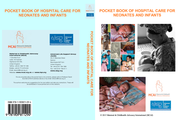
This 277 page pocketbook is a summary of the emergency components of basic neonatal and older infants hospital care from our 900 page textbook “International Maternal & Childhealth Care. A practical manual for hospitals worldwide”.
If you work in a hospital in a low income country - providin
...
How to address the global crisis in antibiotic research and development.
The report includes a comprehensive summary and critical evaluation of recent initiatives to overcome the barriers to achieve sustainable access to antibiotics. As antibiotic resistance will continue to develop as long as we
...
This policy brief has been developed in response to the contemporary challenge of antibiotic resistance (ABR). ABR poses a formidable threat to global health and sustainable development. It is now increasingly recognized that the systematic neglect of cultural factors is one of the biggest obs
...

Pregnancy, childbirth, postpartum and newborn care: A guide for essential practice (3rd ed.)
recommended
WHO has been alerted to concerns expressed related to the wording on episiotomy in specific situations. We have temporarily removed the publication from the website while we are doing a review of the evidence with in-house and external experts. We will make the publication available on the website o
...



Solomon Islands pharmacy staff have developed an essential medicines supplies list. It was a collaborative effort involving a lot of staff taking the pictures and putting it all together. The list was launched as an initiative to improve the availability of medical stock within the country
Early Essential Newborn Care (EENC) Module 2.