
Filter
109
Text search:
PPH
Featured
11
36
Language
Document type
60
24
9
7
4
2
1
1
1
Countries
15
6
6
6
5
4
3
3
2
2
2
2
2
2
1
1
1
1
1
1
1
1
1
1
1
1
1
1
1
1
Authors & Publishers
Publication Years
Category
59
22
19
5
2
1
Toolboxes
11
3
2
1
1
1
1
1

This film is the Amharic version of our 'Management of PPH' film for a low resource setting.

Primary Post-partum Haemorrhage (PPH) is one of the major causes of maternal death in the developing world.
This animation is aimed at women and TBAs. It teaches how to prevent and manage PPH in
...

Swahili Language version of Management of postpartum haemorrhage (PPH): Low Resource Setting. It is a film showing how to manage postpartum haemorrhage in a low resource setting by an unskilled birth attendant.
Translation thanks to Yussuf Hamad
...

Swahili version of Prevention and Management of Primary Postpartum Haemorrhage-PPH. Translation and voice over thanks to Alex Mureithi and Zawadi Machibya and their colleagues at the BBC Swahili Service.
...

WHO today released its first roadmap to tackle postpartum haemorrhage (PPH) – defined as excessive bleeding after childbirth - which affects millions of women annually and is the world’s leading cause of maternal deaths.
Despite being prevent
...
The recommendation in this document thus supersedes the previous WHO recommendation for the prevention of PPH as published in the 2012 guideline, WHO recommendations for the prevention and treatment of postpartum haemorrhage.
The recommendation in this document thus supersedes the previous WHO recommendation for the prevention of PPH as published in the 2012 guideline
The recommendation in this document thus supersedes the previous WHO recommendation for the prevention of PPH as published in the 2012 guideline, WHO recommendations for the prevention and treatment of postpartum haemorrhage.
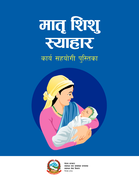
Contents:
A) Use of Partograph for Monitoring Progress of labour.
B) Active Management of third stage of labour.
C) Management of PPH.
D) Use of MgSo4 for prevention and management of severe pre-eclampsia and Eclampsia.
E) Immediate E
...

This guide aims to support the implementation of evidence-based practices to reduce morbidity and mortality due to postpartum haemorrhage (PPH). Implementation is a multidisciplinary process that requires engagement from multiple stakeholders. Furth
...
To provide a foundation for the strategic policy and programme development needed to ensure the sustainable implementation of effective interventions for reducing the global burden of PPH

This film shows how to prevent and manage excessive bleeding after the delivery of a baby, otherwise known as primary postpartum haemorrhage (PPH).
This film is for use in health worker training
This summary brief highlights key messages from the updated World Health Organization’s recommendation on tranexamic acid (TXA) for the treatment of postpartum haemorrhage (PPH), including policy and program implications for translating the TXA re
...
WHO Recommendations 2018 Update
The primary audience for these recommendations includes health professionals who are responsible for developing national and local health care guidelines and protocols (particularly those related to PPH prevention an
...
Maternal and Neonatal health update: by the Nepal government, Health and population ministry, Health protection unit, Family health department, created in 2010 (English) 2067 (Nepali). Compiled together by: UNICEF, WHO, UNFPA, NHSSP, Nepal medical college hospital and other government health departm
...
WHO GUIDELINES REVIEW COMMITTEE
The guidelines presented in this document are designed to provide a useful resource for healthcare professionals involved in clinical case management. They were developed taking into consideration services provided at different levels within the health system and resources available. These guideline
...
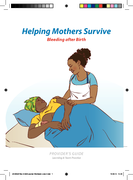
BAB training in prevention and management of postpartum hemorrhage increased knowledge and confidence among skilled and semiskilled birth attendants. Further studies are needed to determine the impact of this training on skills retention and clinical outcomes following postpartum hemorrhage, after b
...
