
Filter
62
Topics:
Nutrition
Featured
Language
Document type
22
14
7
5
5
3
2
2
1
1
Countries / Regions
6
2
1
1
1
1
1
1
Authors & Publishers
Publication Years
Category
13
11
5
2
2
2
1
1
1
1
1
1
1
1
1
1
1
1
Toolboxes
35
5
2
2
2
2
1
1
1
1

Despite gains in childhood survival, more effort is needed to improve the well-being of children with developmental delays and disabilities. All children, including children with developmental delays and disabilities, need nurturing care. Nurturing care can contribute to preventing developmental del
...
Le Tchad reste confronté à un cycle récurrent de crises alimentaires et nutritionnelles ayant un impact négatif sur la santé et l’état nutritionnel des populations en général et celle des personnes les plus vulnérables que sont les enfants, les femmes enceintes et/ou allaitantes et les pe
...
It was a difficult time to be a child in 2024. With deepening violent conflict, climate shocks and poverty, children faced skyrocketing needs while the resources to respond continued to shrink.
But as this year’s Annual Report shows, across more than 190 countries and territories, UNICEF was t
...
L’année 2024 a été particulièrement éprouvante pour les enfants. Face à l’intensification des conflits violents, des chocs climatiques et de la pauvreté, leurs besoins n’ont en effet cessé de croître tandis que les ressources disponibles pour y répondre ont continué de diminuer.
...
El año 2024 fue especialmente difícil para la infancia. Los conflictos cada vez más violentos, las conmociones climáticas y la pobreza provocaron un aumento drástico de las necesidades de los niños y niñas, justo cuando los recursos necesarios para atenderlas se reducían de forma constante.
...
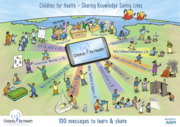
This document outlines key health messages for children and their caregivers, with a focus on the prevention and early treatment of common illnesses. Topics covered include malaria, diarrhoea, malnutrition, respiratory infections, intestinal worms, HIV/AIDS and accident prevention. The importance of
...
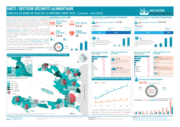
De janvier à juin 2025, les différentes interventions des partenaires du secteur sécurité alimentaire ont permis d’atteindre 1,56 millions de
personnes, soit un taux de réalisation de 45,4% sur les 3,4 millions de personnes ciblées dans le plan de réponse humanitaire. La stratégie de cibl
...
The webpage from the Institute for Health Metrics and Evaluation (IHME) discusses the global impact of diet on health, highlighting poor dietary habits as a major contributor to deaths worldwide, primarily through cardiovascular diseases. It emphasizes the health risks of high sodium intake and insu
...
The document systematically examines dietary and lifestyle factors influencing non-communicable diseases (NCDs) in the Western Pacific region. It highlights regional nutrition transitions, including dietary improvements like increased fruit and vegetable consumption and reduced salt intake, alongsid
...
The WHO Eastern Mediterranean Region webpage discusses the impact of unhealthy diets on non-communicable diseases (NCDs) such as cardiovascular diseases, cancer, and diabetes. It highlights unhealthy eating as a major risk factor for these conditions and recommends increasing the consumption of frui
...

Poor diets are the major cause of death and disease globally, driving high levels of obesity and noncommunicable diseases. Cheap, heavily marketed, ultra-processed, energy-dense and nutrient-poor food and drinks that are high in fat, sugar and salt play a major role. The high-sugar content of these
...
The monograph contained in this volume was prepared following the ninety-third meeting of the Joint Food and Agriculture Organization of the United Nations (FAO)/World Health Organization (WHO) Expert Committee on Food Additives (JECFA), which met virtually online from 24 March–1 April 2022. This
...
Informe sobre nutrición infantil
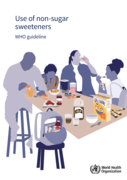
This guideline provides evidence-informed guidance on the use of non-sugar sweeteners to reduce the risk of unhealthy weight gain and diet-related noncommunicable diseases in adults and children. The guidance in this guideline is not based on toxicological assessments of the safety of individual no
...
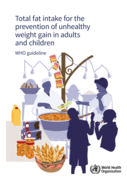
This guideline provides updated, evidence-informed guidance on the percentage of total fat in the diet to reduce the risk of unhealthy weight gain.
This guideline is intended for a wide audience involved in the development, design and implementation of policies and programmes in nutrition and pub
...
Almost all populations are consuming too much sodium. The global mean intake of adults is 4310 mg/day sodium (equivalent to 10.78 g/day salt). This is more than double the World Health Organization recommendation for adults of less than 2000 mg/day sodium (equivalent to < 5 g/day salt).
- The primary health effect ass
...

One in three people globally suffers from at least one form of malnutrition, leading to poor health outcomes and low productivity in the workplace. The workplace offers an important, relatively unexploited opportunity to address malnutrition in all its forms. This narrative literature review aims to
...

The document emphasizes integrating environmental considerations into nutrition programs. It introduces a screening tool piloted across ten projects to identify environmental risks and opportunities, fostering sustainable practices in food systems. The tool promotes collaboration, co-learning, and a
...
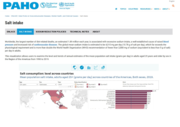
The article on the PAHO website discusses the health risks of excessive salt consumption, which contributes to numerous deaths worldwide. It highlights that average salt intake significantly exceeds WHO recommendations, particularly in the Americas, and suggests measures like reducing salt in foods
...
