
Filter
34
Featured
3
Language
Document type
15
6
4
4
2
1
1
1
Countries / Regions
1
Authors & Publishers
Publication Years
Category
3
1
1
1
1
Toolboxes
13
12
9
9
7
5
2
1
1
1
1
1
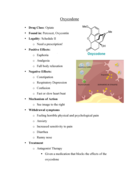
The pamphlet "Oxycodone" provides an overview of the opioid drug class, explaining its uses, effects, and risks. It describes positive effects like euphoria and pain relief, alongside negative effects such as respiratory depression, confusion, and constipation. Withdrawal symptoms include anxiety, i
...
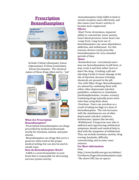
The pamphlet "Prescription Benzodiazepines" explains the uses, effects, and risks of benzodiazepines, commonly prescribed for insomnia, anxiety, and panic attacks. It describes how these drugs enhance GABA activity to suppress brain activity, leading to short-term effects like drowsiness and anxiety
...
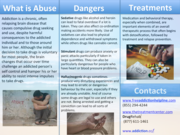
The pamphlet "What is Addiction" explains addiction as a chronic, relapsing brain disease characterized by compulsive drug seeking and use, despite harmful consequences. It highlights the dangers of different drug categories, including sedatives, stimulants, and hallucinogens, and their potential he
...
The webpage by the National Institute on Drug Abuse (NIDA) discusses strategies for preventing drug misuse and addiction. It highlights the importance of early intervention, education, and support systems to reduce risk factors and strengthen protective factors. The content emphasizes the role of fa
...
As a new chapter in the response to the world drug problem begins, UNAIDS calls on countries to adopt the recommendations contained within this report, and to rapidly transform those commitments into laws, policies, services and support that allow people who use drugs to live healthy and dignified l
...
he Guidelines are an example of the support that UNDP provides to practically integrate international human rights commitments into national, regional and global policy and programmes.
Evidence supports the need for a shift in the global approach to drug use. In this report, Do no harm: health, human rights and people who use drugs, UNAIDS shows what works to reduce the impact of HIV and other harms related to drug use. Countries that have moved away from laws and policies that ar
...
ThisWHO pol icy brief highlights that people who inject drugs (PWID) and prisoners are disproportionately affected by hepatitis C (HCV), with 23% of new infections and one in three deaths linked to injection drug use. It urges expanded access to testing, harm reduction services, and direct-acting an
...
The report provides an overview of alcohol consumption, related health harm, and policy responses in 30 European countries (EU Member States, Norway, and Switzerland). It highlights the high levels of alcohol consumption in the WHO European Region, which contribute to a significant disease burden co
...
The document is a summary report by the World Health Organization (WHO) Regional Office for the Eastern Mediterranean, focusing on a capacity-building workshop held in Abu Dhabi in 2019. The workshop addressed the management and care of substance use disorders, aiming to improve technical and manage
...

A practical toolkot
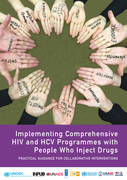
Practical Guidance for collaborative interventions

This WHO guidelines highlight innovative, community-led, and peer-driven approaches to reduce HIV risks among key populations—sex workers, trans people, MSM, people who inject drugs, and prisoners. Effective practices integrate services, utilize trained peers for testing (HTS), and provide stigma-
...

Как близкий человека, страдающего наркоманией или находящегося под угрозой, вы находитесь в тяжёлом положении. Вы хотите понять его и помочь жить нормальной семейÐ
...
