
Filter
274
Breadcrumb:
World Health Organization World Health Organization WHO
Featured
26
9
Language
Document type
86
43
37
28
25
12
12
9
8
7
4
2
1
Countries
65
6
4
2
1
1
1
1
1
1
1
1
1
1
1
1
1
1
1
1
1
1
1
1
1
1
1
1
1
1
1
1
1
1
1
Authors & Publishers
Publication Years
Category
7
6
4
4
4
3
3
3
3
3
3
2
2
2
2
2
1
1
1
1
1
1
1
1
1
1
1
1
1
1
1
1
1
1
1
1
1
1
1
1
1
Toolboxes
16
14
13
12
11
11
10
10
9
9
8
8
7
7
7
7
7
7
6
6
6
6
6
6
5
5
5
5
5
5
5
5
4
4
4
4
4
4
4
4
3
3
3
3
3
3
3
3
2
2
2
2
2
2
2
2
2
2
2
2
2
2
2
1
1
1
1
1
1
1
1
1
1
1
1
1
1
1
1
1
1
1
1
1
1
1
1
1
1
1
1
1
1
Website last accessed ob 14.04.2023
Los trematodos transmitidos por los alimentos son zoonosis y sus patógenos sólo pueden transmitirse al ser humano tras completar un complejo ciclo vital, algunas de cuyas etapas tienen lugar en un hospedador animal intermediario. El primer hospedador interme
...

Website last accessed on 14.04.2023
Трематодозы пищевого происхождения являются зоонозами, и их возбудители могут передаваться человеку только после завершения сложного жизне
...
Website last accessed on 14.04.2023
Food-borne trematode infections are zoonotic, and their pathogens can be transmitted to humans only after the completion of a complex life cycle, some stages of which take place in the body of an intermediate animal host. The first intermediate hosts of all tr
...
Soil-transmitted helminth (STH) infections are among the most common infections worldwide with an estimated 1.5 billion infected people or 24% of the world’s population. These infections affect the poorest and most deprived communities with poor access to clean water, sanitation and hygiene in tro
...
Les géohelminthiases comptent parmi les infections les plus courantes dans le monde, plus de 1,5 milliard de personnes, soit près de 24 % de la population mondiale, étant infestées à l’échelle mondiale. Ces infections touchent les communautés les plus pauvres et les plus défavorisées ayan
...
Передающиеся через почву гельминтозы (ППГ) относятся к наиболее распространенным инвазиям во всем мире и, согласно расчетам, поражают 1,5 млрд человек, или 24% мировоÐ
...
عد عدوى الديدان الطفيلية المنقولة بالتربة من بين أكثر أنواع العدوى شيوعاً في العالم، مع وجود ما يقدّر بـ1,5 مليار شخص مصاب بها في جميع أنحاء العالم، أو ما يعادل 24٪ من Ø
...

WASH and Health working together: a ‘how-to’ guide for neglected tropical disease programmes
recommended
2nd edition. This toolkit provides step-by-step guidance to NTD programme managers and partners on how to engage and work collaboratively with the WASH community to improve delivery of water, sanitation and hygiene services to underserved population affected by many neglected tropical diseases. The
...
Website last accessed on 04.06.2023
Website last accessed on 04.06.2023
Bites of infected female sand flies causes the disease. The visceral form attacks internal organs; the cutaneous form causes facial ulcers, disfiguring scars and disability. #BeatNTDs
Website last accessed on 23.06.2023
El micetoma es una enfermedad inflamatoria crónica y progresivamente destructiva que afecta a la piel, el tejido subcutáneo, el músculo y el hueso.
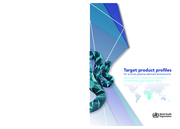
This publication describes the first WHO public-benefit Target Product Profiles (TPPs) for snakebite antivenoms. It focuses on antivenoms for treatment of snakebite envenoming in sub-Saharan Africa. Four TPPs are described in the document:
Broad spectrum Pan-African polyvalent antivenoms: products
...
Website last accessed on 01.07.2023
Snakebite envenoming - WHO official website
Website last accessed ob 01.07.2023
Snakebite envenoming - WHO official website
Website last accessed ob 01.07.2023
Snakebite envenoming - WHO official website
Website last accessed on 01.07.2023
Snakebite envenoming - WHO official website
Website last accessed on 01.07.2023
Snakebite envenoming - WHO official website
Website last accessed on 01.07.2023
Snakebite envenoming - WHO official website
This document provides technical guidance on concepts, definitions, indicators, criteria, milestones and tools to assist leprosy programmes in their journey towards the goals of interruption of transmission and elimination of leprosy disease and through the post-elimination period. Importantly, it p
...
The Leprosy Programme and Transmission Assessment (LPTA) is an activity that is carried out by internal teams towards the end of Phase 1 (see Leprosy Elimination Framework in the Annex) when a subnational jurisdiction (typically second-tier) reaches the milestone for interruption of transmission, i.
...
