
Filter
2692
Filtered Results: 2692
Text search:
National
Institute
for
Communicable
Diseases
Featured
Recommendations
236
New Publications
684
Language
Document type
No document type
1352
Studies & Reports
557
Guidelines
363
Manuals
187
Strategic & Response Plan
116
Training Material
47
Fact sheets
33
Situation Updates
21
Resource Platforms
9
Infographics
4
Brochures
3
Countries / Regions
Global
176
India
135
South Africa
93
Kenya
88
Ethiopia
68
Western and Central Europe
66
Latin America and the Carribbean
57
Liberia
57
Uganda
50
Bangladesh
49
Africa
47
Nepal
46
Sierra Leone
46
Nigeria
42
Ghana
40
Rwanda
39
Namibia
34
Malawi
32
Philippines
32
Myanmar / Burma
28
Tanzania
27
Zambia
26
Mozambique
25
Congo, Democratic Republic of
23
Cambodia
22
Syria
21
South–East Asia Region
21
Asia
20
East and Southern Africa
20
Indonesia
20
Eastern Europe
19
Ukraine
17
West and Central Africa
16
Lesotho
15
Guinea
15
Brazil
15
Pakistan
14
Germany
13
Zimbabwe
11
Eastern Europe and Central Asia
11
Western Pacific Region
10
Botswana
10
Thailand
9
Senegal
9
Burkina Faso
8
Afghanistan
8
Haiti
8
Middle East and North Africa
8
Vietnam
8
South Sudan
8
Colombia
7
Yemen
7
China
6
Moldova
6
Peru
5
USA
5
Venezuela
5
Jordan
5
Argentina
5
Russia
5
Somalia
5
Eswatini/ Swaziland
5
Chile
4
Cameroon
4
Iran
4
Laos
4
Turkmenistan
4
United Kingdom
4
Spain
4
Lebanon
4
Papua New Guinea
4
Sri Lanka
4
Sudan
4
Mali
4
Angola
4
Iraq
4
North Macedonia
3
Tajikistan
3
Timor Leste/ East Timor
3
El Salvador
3
Turkey
3
Albania
3
Paraguay
3
North America
3
Japan
3
Mauritius
3
Portugal
3
Côte d’Ivoire / Ivory Coast
3
Bolivia
3
Serbia
2
Benin
2
Gambia
2
Saudi Arabia
2
Southern Africa
2
Egypt
2
Greece
2
Palestine
2
Central African Republic
2
Mexico
1
Togo
1
Kazakhstan
1
Canada
1
Fiji
1
Estonia
1
Kyrgyzstan
1
Niger
1
Malaysia
1
Morocco
1
Qatar
1
Bulgaria
1
Mauritania
1
Italy
1
Armenia
1
Dominican Republic
1
Guinea-Bissau
1
Croatia
1
Hungary
1
Jamaica
1
Denmark
1
France
1
Maldives
1
Tunisia
1
Azerbaijan
1
Belarus
1
Israel
1
Bosnia and Herzegovina
1
Belize
1
Costa Rica
1
Panama
1
Nicaragua
1
Djibouti
1
Georgia
1
Poland
1
Honduras
1
Libya
1
Bhutan
1
Ecuador
1
Guatemala
1
Authors & Publishers
Publication Years
Category
Countries
1055
Public Health
291
Clinical Guidelines
208
Key Resources
124
Women & Child Health
84
Capacity Building
40
Pharmacy & Technologies
31
Toolboxes
COVID-19
207
Mental Health
177
NCDs
159
TB
150
HIV
135
Planetary Health
130
AMR
91
Disability
81
NTDs
78
Caregiver
75
Global Health Education
74
Rapid Response
73
Ebola & Marburg
73
2.0 Rapid Response
53
Conflict
39
Health Financing Toolbox
36
Refugee
33
Pharmacy
30
Natural Hazards
27
Malaria
22
Specific Hazards
18
Zika
18
Polio
17
Cholera
11
Social Ethics
9
South Sudan
1

This publication provides a practical tool to support countries in strengthening surveillance of WASH in schools. The findings will inform the development of supportive regulations and improvement planning to safeguard children’s health, well-being, dignity and cognitive performance. The tool also...
New and updated information.
Adverse health effects of hot weather and heat-waves are largely preventable. Prevention requires a portfolio of actions at different levels:from health system preparedness, coordinated with meteorological early warning systems, to timely public ...
COMPENDIUM of health system responses to large-scale migration in the WHO European Region
recommended
The scale of international migration in the WHO European Region has increased substantially in the last decade. The dynamics of large-scale migration pose specific challenges and opportunities to health systems, and responses will differ from country to country. Strengthening health system responses...
A manual for programme managers.
БОРЬБА С ТУБЕРКУЛЕЗОМ В ТЮРЬМАХ
Руководство для руководителей программ

WHO Ghana 2022 annual report
recommended
“2022 was an eventful year for the WHO Country Office in Ghana,” says Dr Francis Kasolo, WHO Representative to Ghana.
In 2022, WHO Ghana collaborated with partners to deliver interventions in support of the Government of Ghana's health sector agenda to ensure healthy lives for all towards ach...
This fourth annual report monitors global progress towards the 2023 target for global elimination of industrially produced trans-fatty acids (TFA), highlighting achievements during the past year (October 2021 – September 2022). Countries are responding to the World Health Organization (WHO) call t...

The document, "Sustainable Management of Radiotherapy Facilities and Equipment," by WHO and IAEA, provides guidelines for managing radiotherapy equipment and facilities to ensure effective and safe cancer treatment. It covers essential aspects like preventive and corrective maintenance, funding, inf...

This report includes analysis from informal regional consultations in the African Region, the Caribbean and North America, Latin America, South-East Asia Region, European Region, Eastern Mediterranean Region, alongside three forums in the Western Pacific Region. It analyses the overarching similarit...

This report includes analysis from informal regional consultations in the African Region, the Caribbean and North America, Latin America, South-East Asia Region, European Region, Eastern Mediterranean Region, alongside three forums in the Western Pacific Region. It analyses the overarching similarit...
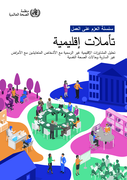
This report includes analysis from informal regional consultations in the African Region, the Caribbean and North America, Latin America, South-East Asia Region, European Region, Eastern Mediterranean Region, alongside three forums in the Western Pacific Region. It analyses the overarching similarit...
Antibiotic resistance is no longer a concern for the distant future but is a pressing issue, both globally and in Nepal. As part of global effort to preserve the effectiveness of antibiotics, the Global Antibiotic Resistance Partnership (GARP)-Nepal was established to doc...
The infectious disease burden in India is among the highest in the world. A large amount of antibiot-ics are consumed in fighting infections, some of them saving lives, but every use adding to antibiotic resistance in bacteria. Antibiotic use is increasing steadily (table 1), particularly ...

The Global Asthma Report (GAR) 2022, prepared by the Global Asthma Network (GAN), is the fourth such report (others 2011, 2014, 2018). GAN builds upon the work of the International Study of Asthma and Allergies in Childhood (ISAAC) and The International Union Against Tuberculosis and Lung Disease (T...
Primary Care 101
recommended
Symptom-based integrated approach to the adult in primary care.
Primary Care 101 is a comprehensive clinical practice guideline that aims to equip nurses and other clinicians to diagnose and manage common adult conditions at primary level.
Tb; HIV; Asthma/COPD; cardiovascular disease; diabetes; M...

The guidelines are primarily intended for health-care professionals working in first- or second-level health-care facilities, including emergency, inpatient and outpatient services. They are also directed at policy-makers, health-care planners and programme managers, academic institutions, non-gover...

Pneumonia and diarrhoea account for 23% of under-five mortality and were responsible for an estimated 1.17 million deaths in children under five globally. Furthermore, pneumonia and diarrhoea were responsible for 18% of mortality in children 5–9 years of age, resulting in an estimated 86 000 preve...
