Filter
1924
Text search:
disaster
planning
Featured
204
598
Language
Document type
1057
294
189
159
119
46
23
22
8
4
1
1
Countries
103
94
60
47
42
42
39
38
35
34
29
27
24
23
22
20
20
20
17
17
17
16
16
16
15
14
14
13
13
13
12
11
10
10
9
9
8
8
8
7
7
7
7
6
6
6
6
6
6
5
5
5
5
5
4
4
4
4
4
4
4
4
4
4
3
3
3
3
3
3
2
2
2
2
2
2
2
2
2
2
2
2
2
2
2
2
1
1
1
1
1
1
1
1
1
1
1
1
1
1
1
1
1
1
1
1
1
1
1
1
1
1
1
1
1
1
1
Authors & Publishers
Publication Years
Category
647
375
101
76
48
44
2
1
Toolboxes
143
138
136
135
119
118
107
74
64
61
41
37
32
20
18
17
14
14
12
9
9
8
6
4
4
4
2
Key Recommendations for an Inclusive Urban Agenda

Around the world, approximately 1 in 45 children are on the move – nearly 50 million boys and girls that have migrated across borders or been forcibly displaced within their own countries.1 Climate-related events
and their impacts are already contributing significantly to these staggering numbers
...
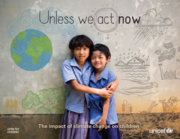
Today’s children, and their children, are the ones who will live with the consequences of climate change.

The power relations around global decisions which shape population health can be changed through new alliances and information flows. The Democratising Global Health Governance Initiative, of which WHO Watch is a project, is designed to contribute to improved population health (and health equity) th
...

These guidelines were developed through an interagency process with participation by United Nations (UN) organiza-
tions, nongovernmental organizations, the International Red Cross and Red Crescent Movement and the International
Organization for Migration.
The Good Enough Guide
recommended
A set of basic guidelines on how to be accountable to local people and measure program impact in emergency situations. The "good enough" approach emphasizes simple and practical solutions and encourages the user to choose tools that are safe, quick, and easy to implement
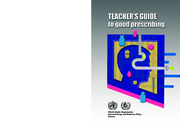
Its main objectives are: to explain the educational approach underlying the Guide; to explain how to teach pharmacotherapy with the Guide; to give practical advice on how to assess the students, the teachers and the course; and to assist in mobilizing support for problem-based pharmacotherapy teachi
...
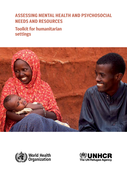
Assessing Mental Health and Psychosocial Needs and Resources Toolkit For Humanitarian Settings
recommended
Available in different languages: English, French, Arabic, Russian
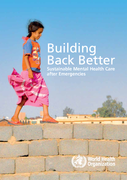
Emergencies, in spite of their tragic nature and adverse effects on mental health, are unparalleled opportunities to build better mental health systems for all people in need. This WHO publication shows how this was done in 10 diverse emergency-affected areas
Climate change is having the largest impact on the world’s poorest and most vulnerable people. Within this group, 20% are people with disabilities, who are nearly always doubly disadvantaged.
A Resource Book of Inclusive Practices
Zimbabwe Cholera Control Guidelines
recommended
3rd edition
Humanitarian Response in Violent Conflict
recommended
A Toolbox of Conflict Sensitive Indicators.
This toolbox adapts a sample of 15 indicators from the SPHERE Project's Humanitarian Charter and Minimum Standards in Humanitarian Response to be even more conflict sensitive while remaining practical and user-friendly
Humanitarian emergencies result in a breakdown of critical health-care services and often make vulnerable communities dependent on external agencies for care. In resource-constrained settings, this may occur against a backdrop of extreme poverty, malnutrition, insecurity, low literacy and poor infra
...