
Filter
2685
Text search:
Waste
management
Featured
342
776
Language
2566
76
65
36
35
29
20
7
6
6
5
4
3
3
3
2
2
2
2
2
2
1
1
1
1
1
1
1
1
1
1
1
1
1
1
1
1
1
1
1
1
1
1
1
1
1
1
1
1
Document type
1229
510
410
214
156
60
50
26
10
6
5
5
3
1
Countries
156
110
104
93
83
73
65
63
50
47
45
42
42
39
38
38
34
33
32
31
27
24
24
22
22
21
19
18
17
16
15
14
13
13
13
12
11
11
11
10
10
10
10
9
9
9
9
8
8
8
8
7
6
6
6
6
6
6
5
5
5
4
4
4
4
4
4
3
3
3
3
3
3
3
3
3
3
2
2
2
2
2
2
2
2
2
2
2
2
2
2
2
2
1
1
1
1
1
1
1
1
1
1
1
1
1
1
1
1
1
1
1
1
Authors & Publishers
420
121
70
67
64
61
51
29
25
21
20
17
15
15
15
14
14
14
13
13
13
12
12
12
12
11
11
10
10
10
9
9
9
9
8
8
8
8
8
8
8
8
8
8
8
8
7
7
7
7
7
7
7
7
7
7
6
6
6
6
6
6
6
6
6
6
6
6
6
5
5
5
5
5
5
5
5
5
5
5
5
5
5
5
5
5
5
5
5
5
4
4
4
4
4
4
4
4
4
4
4
4
4
4
4
4
4
4
4
4
4
4
4
4
4
4
4
4
4
3
3
3
3
3
3
3
3
3
3
3
3
3
3
3
3
3
3
3
3
3
3
3
3
3
3
3
3
3
3
3
3
3
3
3
3
3
3
3
3
3
3
3
3
3
3
3
3
3
3
3
3
3
3
3
3
3
3
3
3
3
3
3
3
3
3
3
3
3
2
2
2
2
2
2
2
2
2
2
2
2
2
2
2
2
2
2
2
2
2
2
2
2
2
2
2
2
2
2
2
2
2
2
2
2
2
2
2
2
2
2
2
2
2
2
2
2
2
2
2
2
2
2
2
2
2
2
2
2
2
2
2
2
2
2
2
2
2
2
2
2
2
2
2
2
2
2
2
2
2
2
2
2
2
2
2
2
2
2
2
2
2
2
2
2
2
2
2
2
2
2
2
2
2
2
2
2
2
2
2
2
2
2
2
2
2
2
2
2
2
2
2
2
2
2
2
2
2
2
2
2
2
2
2
2
2
2
2
2
2
2
2
2
2
2
2
2
2
2
2
2
2
2
2
2
2
2
2
2
2
2
2
1
1
1
1
1
1
1
1
1
1
1
1
1
1
1
1
1
1
1
1
1
1
1
1
1
1
1
1
1
1
1
1
1
1
1
1
1
1
1
1
1
1
1
1
1
1
1
1
1
1
1
1
1
1
1
1
1
1
1
1
1
1
1
1
1
1
1
1
1
1
1
1
1
1
1
1
1
1
1
1
1
1
1
1
1
1
1
1
1
1
1
1
1
1
1
1
1
1
1
1
1
1
1
1
1
1
1
1
1
1
1
1
1
1
1
1
1
1
1
1
1
1
1
1
1
1
1
1
1
1
1
1
1
1
1
1
1
1
1
1
1
1
1
1
1
1
1
1
1
1
1
1
1
1
1
1
1
1
1
1
1
1
1
1
1
1
1
1
1
1
1
1
1
1
1
1
1
1
1
1
1
1
1
1
1
1
1
1
1
1
1
1
1
1
1
1
1
1
1
1
1
1
1
1
1
1
1
1
1
1
1
1
1
1
1
1
1
1
1
1
1
1
1
1
1
1
1
1
1
1
1
1
1
1
1
1
1
1
1
1
1
1
1
1
1
1
1
1
1
1
1
1
1
1
1
1
1
1
1
1
1
1
1
1
1
1
1
1
1
1
1
1
1
1
1
1
1
1
1
1
1
1
1
1
1
1
1
1
1
1
1
1
1
1
1
1
1
1
1
1
1
1
1
1
1
1
1
1
1
1
1
1
1
1
1
1
1
1
1
1
1
1
1
1
1
1
1
1
1
1
1
1
1
1
1
1
1
1
1
1
1
1
1
1
1
1
1
1
1
1
1
1
1
1
1
1
1
1
1
1
1
1
1
1
1
1
1
1
1
1
1
1
1
1
1
1
1
1
1
1
1
1
1
1
1
1
1
1
1
1
1
1
1
1
1
1
1
1
1
1
1
1
1
1
1
1
1
1
1
1
1
1
1
1
1
1
1
1
1
1
1
1
1
1
1
1
1
1
1
1
1
1
1
1
1
1
1
1
1
1
1
1
1
1
1
1
1
1
1
1
1
1
1
1
1
1
1
1
1
1
1
1
1
1
1
1
1
1
1
1
1
1
1
1
1
1
1
1
1
1
1
1
1
1
1
1
1
1
1
1
1
1
1
1
1
1
1
1
1
1
1
1
1
1
1
1
1
1
1
1
1
1
1
1
1
1
1
1
1
1
1
1
1
1
1
1
1
1
1
1
1
1
1
1
1
1
1
1
1
1
1
1
1
1
1
1
1
1
1
1
1
1
1
1
1
1
1
1
1
1
1
1
1
1
1
1
1
1
1
1
1
1
1
1
1
1
1
1
1
1
1
1
1
1
1
1
1
1
1
1
1
1
1
1
1
1
1
1
1
1
1
1
1
1
1
1
1
1
1
1
1
1
1
1
1
1
1
1
1
1
1
1
1
1
1
1
1
1
1
1
1
1
1
1
1
1
1
1
1
1
1
1
1
1
1
1
1
1
1
1
1
1
1
1
1
1
1
1
1
1
1
1
1
1
1
1
1
1
1
1
1
1
1
1
1
1
1
1
1
1
1
1
1
1
1
1
1
1
1
1
1
1
1
1
1
1
1
1
1
1
1
1
1
1
1
1
1
1
1
1
1
1
1
1
1
1
1
1
1
1
1
1
1
1
1
1
1
1
1
1
1
1
1
1
1
1
1
1
1
1
1
1
1
1
1
1
1
1
1
1
1
1
1
1
1
1
1
1
1
1
1
1
1
1
1
1
1
1
1
1
1
1
1
1
1
1
1
1
1
1
1
1
1
1
1
1
1
1
1
1
1
1
1
1
1
1
1
1
1
1
1
1
1
1
1
1
1
1
1
1
1
1
1
1
1
1
1
1
1
1
1
1
1
1
1
1
1
1
1
1
1
1
1
1
1
1
1
1
1
1
1
1
1
1
1
1
1
1
1
1
1
1
1
1
1
1
1
1
1
1
1
1
1
1
1
1
1
1
1
1
1
1
1
1
1
1
1
1
1
1
1
1
1
1
1
1
1
1
1
1
1
1
1
1
1
1
1
1
1
1
1
1
1
1
1
1
1
1
1
1
1
1
1
1
1
1
1
1
1
1
1
1
1
1
1
1
1
1
1
1
1
1
1
1
1
1
1
1
1
1
1
1
1
1
1
1
1
1
1
1
1
1
1
1
1
1
1
1
1
1
1
1
1
1
1
1
1
1
1
1
1
1
1
1
1
1
1
1
1
1
1
1
1
1
1
1
1
1
1
1
1
1
1
1
1
1
1
1
1
1
1
1
1
1
1
1
1
1
1
1
1
1
1
1
1
1
1
1
1
1
1
1
1
1
1
1
1
1
1
1
1
1
1
1
1
1
1
1
1
1
1
1
1
1
1
1
1
1
1
1
1
1
1
1
1
1
1
1
1
1
1
1
1
1
1
1
1
1
1
1
1
1
1
1
1
1
1
1
1
1
1
1
1
1
1
1
1
1
1
1
1
1
1
1
1
1
1
1
1
1
1
1
1
1
1
1
1
1
1
1
1
1
1
1
1
1
1
1
1
1
1
1
1
1
1
1
1
1
1
1
1
1
1
1
1
1
1
1
1
1
1
1
1
1
1
1
1
1
1
1
1
1
1
1
1
1
1
1
1
1
1
1
1
1
1
1
1
1
1
1
1
1
1
1
1
1
1
1
1
1
1
1
1
1
1
1
1
1
1
1
1
1
1
1
1
1
1
1
1
1
1
1
1
1
1
1
1
1
1
1
1
1
1
1
1
1
1
1
1
1
1
1
1
1
1
1
1
1
1
1
1
1
1
1
1
1
1
1
1
1
1
1
1
1
1
1
1
1
1
1
1
1
1
1
1
1
1
1
1
1
1
1
1
1
1
1
1
1
1
1
1
1
1
1
1
1
1
1
1
1
1
1
1
1
1
1
1
1
1
1
1
1
1
1
1
1
1
1
1
1
1
1
1
1
1
1
1
1
1
1
1
1
1
1
1
1
1
1
1
1
1
1
1
1
1
1
1
1
1
1
1
1
1
1
1
1
1
1
1
1
1
1
1
1
1
1
1
1
1
1
1
1
1
1
1
1
1
1
1
1
1
1
1
1
1
1
1
1
1
1
1
1
1
1
1
1
1
1
1
1
1
1
1
1
1
1
1
1
1
1
1
1
1
1
1
1
1
1
1
1
1
1
1
1
1
1
1
1
1
1
1
1
1
1
1
1
1
1
1
1
1
1
1
1
1
1
1
1
1
1
1
1
1
1
1
1
1
1
1
1
1
1
1
1
1
1
1
1
1
1
1
1
1
1
1
1
1
1
1
1
1
1
1
1
1
1
1
1
1
1
1
1
1
1
1
1
1
1
1
1
1
1
1
1
1
1
1
1
1
1
1
1
1
1
1
1
1
1
1
1
1
1
1
1
1
1
1
1
1
1
1
1
1
1
1
1
1
1
1
1
1
1
1
1
1
1
1
1
1
1
1
1
1
1
1
1
1
1
1
1
1
1
1
1
1
1
1
1
1
1
1
1
1
1
1
1
1
1
1
1
Publication Years
897
1522
255
10
1
Category
1082
320
166
123
91
59
56
1
Toolboxes
307
218
162
142
121
85
81
80
71
66
59
58
52
52
42
42
34
31
29
27
26
17
14
5
4
2
1
Infection prevention and control practices need to be implemented to guarantee the safety of healthcare workers and patients in healthcare settings, it is fundamental to prevent cross contamination and containment of spread of COVID 19. As of the day of this publication, the following precautions ar
...
e recommended for the care of patients with suspected or confirmed cases of COVID-19: - For any suspected or confirmed cases of COVID-19: standard + contact + droplet precautions. -For any suspected or confirmed cases of COVID-19 and Aerosol Generated Procedure: standard + contact + airborne precautions. - The results of the application of this evaluation tool, in addition to other tools, will provide an overview regarding compliance with the activities of prevention and control of infections associated with provision of care in acute healthcare services in a health setting, without making judgments about the individual risk of patients, nor on particular cases. By its nature, this tool is only an external diagnostic to support IPC professionals and managers to assess the gaps and take corrective measures. To provide a tool for assessment of infection prevention and control practices in isolation areas in acute healthcare settings in the context of the novel coronavirus (COVID-19). These recommendations are preliminary and subject to review as new evidence becomes available.
more
Lessons from three African Countries.
Achieving Health for All, and in particular universal health coverage (UHC), will not happen without fully functioning basic water, sanitation and hygiene (WASH) services in all health care facilities. Such services are needed to provide quality care, ensure ad
...
herence to infection prevention and control (IPC) norms and standards and guarantee that facilities are able to provide environments that respect the dignity and human rights of all care seekers, especially mothers, newborns and children. WHO undertook a series of national situational analyses in three countries (Ghana, Ethiopia and Rwanda) to understand current barriers to change, accountability structures and measures to strengthen WASH in health care facilities and more broadly, the quality of health service delivery.
more
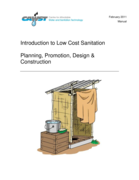
Introduction to Low Cost Sanitation
recommended
Planning, Promotion, Contruction & Design. Manual
Key Resources Humanitarian Aid
recommended
MEDBOX Issue Brief no. 6
This issue brief gives you an overview of the most important documents on humanitarian aid and the WASH sector in MEDBOX
Updated 28 December 2020
15 January 2021
This Aide Memoire is for policy makers, immunization programme managers, infection prevention and control (IPC) focal points at national, sub-national, and facility level, as well as for health workers involved in COVID-19 vaccination delivery. This document summarizes the key IPC p
...
rinciples to consider and the precautions to take for safely delivering COVID-19 vaccines. The principles and recommendations provided in this document derive from World Health Organization (WHO) IPC and immunization standards and other guidance in the context of COVID-19. WHO will update these recommendations as new information becomes available. All technical guidance for COVID-19 is available online.
more
Interim guidance 2 February 2021 . Available in Arabic, Chinese, English, French, Ukranian, Russian
Health workers are at the front line of the COVID-19 outbreak response and as such are exposed to different hazards that put them at risk. Occupational hazards include exposure to SARS-CoV-2 and othe
...
r pathogens, violence, harassment, stigma, discrimination, heavy workload and prolonged use of personal protective equipment (PPE). This document provides specific measures to protect occupational health and safety of health workers and highlights the duties, rights and responsibilities for health and safety at work in the context of COVID-19.
more
Временное руководство23 декабря 2020 г.
17 February 2021
This article is part of a series of explainers on vaccine development and distribution. Learn more about vaccines – from how they work and how they’re made to ensuring safety and equitable access – in WHO’s Vaccines Explained series.
National Essential Diagnostic List
recommended
Reports of antimicrobial-resistant (AMR) microorganisms are increasing globally, threatening to render existing treatments ineffective against many infectious diseases. In Africa, AMR has already been documented to be a problem for human immunodeficiency virus (HIV) and the pathogens that cause mala
...
ria, tuberculosis (TB), typhoid, cholera, meningitis, gonorrhoea and dysentery. Recognizing the urgent need for action, the 2016 United Nations (UN) General Assembly approved a resolution to ensure sustained and effective global action to address AMR.
more
“Guide to facilitate the implementation of the WHO/UNICEF “Guidance on developing a national deployment and vaccination plan for COVID-19 vaccines” for Africa
t contains action-oriented lists of critical topics to address and checklists tailored to the context of African Union Member States.
...
The contents of this guide aim to guide the development of one comprehensive national deployment and vaccination plan, as proposed and outlined by the guidance – and underlines the need for countries to develop their vaccination plans.
This guide is not meant as a tool to assess deployment readiness. The recommendation to Member States is to use the VIRAT/VRAF 2.0 tool for that, which builds on the COVAX Vaccine Introduction Readiness Assessment Tool (VIRAT) and the World Bank’s Vaccine Readiness Assessment Framework (VRAF).
more
The Department of Health is committed to providing the best quality care to patients and users of health services, in order to meet their expectations and needs, and to improve service delivery.
The main purpose of the National Core Standards is to:
• Develop a common definition of quality of
...
care, which should be found in all health establishments in South Africa as a guide to the public and to managers and staff at all levels;
• Establish a benchmark against which health establishments can be assessed, gaps identified, strengths appraised; and
• Provide a national framework to certify health establishments as compliant with standards
more

Access to medical personal protective equipment (PPE) is essential for routine healthcare delivery, and a critical tool for containing outbreaks, as well as preventing and responding to pandemics. It is one of our most effective tools against COVID-19, and an undervalued tool more generally in infec
...
tion control.
more
This standard Operating procedure (SOP) for JDWNRH is intended to describe and
address various important areas like admission procedure, on call process of the
doctors, interdepartmental consultation, patient discharge process and verity of
other areas which was so far solely based on verbal i
...
nstruction in the workplace by
the seniors which very often led to mishaps and other associate problems. This SOP,
though not comprehensive, would serve as a guidebook for newly recruited health
staff as well as a reference book for existing health professionals in JDWNRH while
delivering health care services
more

UNHCR’s Public Health Strategy 2021-2025 is based on the lessons learnt, and builds on the achievements, of the Global Strategy for Public Health 2014-2018.
Progress was made on policies favouring inclusion and integration into national systems3 with 92% of 48 operations surveyed reporting refuge
...
es having access to national primary health care facilities under the same conditions as nationals and 96% reporting refugees having access to all relevant vaccines under the same conditions as nationals. While many refugee hosting countries have policies that allow refugees to access national health services, many face partial access, prohibitive out-of-pocket expenditures and other barriers including distance to facilities, language and provider acceptance. Furthermore, more work is needed on strengthening these systems to be able to meet the needs of both host communities and refugees.
more
