
Filter
5544
Filtered Results: 5544
Text search:
drug
addiction
Featured
Recommendations
492
New Publications
1448
Language
Document type
No document type
3325
Studies & Reports
874
Guidelines
688
Manuals
255
Strategic & Response Plan
173
Training Material
82
Fact sheets
77
Situation Updates
25
Resource Platforms
16
Infographics
16
Brochures
9
Online Courses
2
App
1
Videos
1
Countries / Regions
India
350
Global
190
Kenya
166
South Africa
139
Uganda
127
Ethiopia
124
Western and Central Europe
117
Nigeria
109
Tanzania
107
Sierra Leone
93
Zambia
91
Liberia
89
Nepal
87
Malawi
86
Myanmar / Burma
78
Africa
77
Ghana
74
Latin America and the Carribbean
72
Bangladesh
70
Rwanda
63
Eastern Europe
59
Namibia
59
Ukraine
58
Philippines
50
Zimbabwe
43
Asia
43
Cambodia
38
Lesotho
36
South–East Asia Region
36
Russia
30
Botswana
27
Indonesia
27
Mozambique
25
Congo, Democratic Republic of
24
Syria
22
Eswatini/ Swaziland
19
Burkina Faso
17
Germany
17
South Sudan
17
Senegal
16
East and Southern Africa
16
Brazil
15
Tajikistan
13
Cameroon
13
USA
13
Haiti
13
Eastern Europe and Central Asia
13
Colombia
12
Thailand
12
West and Central Africa
12
Guinea
11
Middle East and North Africa
11
Vietnam
11
Georgia
11
Pakistan
11
Albania
10
Venezuela
10
Laos
8
Afghanistan
8
Benin
7
China
7
Western Pacific Region
7
Sudan
7
North Macedonia
6
Armenia
6
North America
6
Moldova
6
Sri Lanka
6
Mexico
5
Lebanon
5
Central African Republic
5
Iraq
5
Timor Leste/ East Timor
4
Turkey
4
Iran
4
Peru
4
Jordan
4
United Kingdom
4
Argentina
4
Yemen
4
Mali
4
Bhutan
4
Somalia
4
El Salvador
3
Fiji
3
Kyrgyzstan
3
Uzbekistan
3
Jamaica
3
Belarus
3
Papua New Guinea
3
Palestine
3
Libya
3
Switzerland
2
Kazakhstan
2
Chile
2
Canada
2
Estonia
2
Morocco
2
Hungary
2
Belgium
2
Portugal
2
Southern Africa
2
Côte d’Ivoire / Ivory Coast
2
Bolivia
2
Poland
2
Honduras
2
Angola
2
Madagascar
2
North Korea
1
Serbia
1
Australia
1
Singapore
1
Malaysia
1
Qatar
1
Bulgaria
1
Italy
1
Dominican Republic
1
Guinea-Bissau
1
Lithuania
1
Ireland
1
Saudi Arabia
1
Paraguay
1
Gabon
1
Uruguay
1
Turkmenistan
1
Denmark
1
France
1
Maldives
1
Tunisia
1
Norway
1
Spain
1
Belize
1
Costa Rica
1
Panama
1
Nicaragua
1
Greece
1
Chad
1
Ecuador
1
Guatemala
1
Authors & Publishers
Publication Years
Category
Countries
2127
Clinical Guidelines
472
Public Health
255
Women & Child Health
218
Key Resources
155
Capacity Building
94
Pharmacy & Technologies
70
Annual Report MEDBOX
1
Toolboxes
HIV
682
Mental Health
583
TB
492
AMR
256
NTDs
222
COVID-19
215
Pharmacy
163
NCDs
120
Caregiver
106
Malaria
100
Ebola & Marburg
76
Refugee
74
Planetary Health
71
Rapid Response
68
Disability
63
Conflict
60
Global Health Education
52
Health Financing Toolbox
51
2.0 Rapid Response
29
Cholera
23
Natural Hazards
21
Polio
21
Zika
19
Specific Hazards
18
Social Ethics
13

Antimicrobial resistance (AMR) is a multifaceted, international public health problem, which poses a direct threat to the safety of the population of South Africa. A national response is required to complement the development of a global plan, as articulated in the WHO’s draft resolution EB134/37 ...
This helpdesk report seeks to establish what lessons have been learnt from the current and previous Ebola outbreaks. It recommends good practice and makes suggestions based on the evidence for good practice and preparedness to reduce transmission and prevent further risk and exposure in affected cou...
Cardiovascular diseases (CVDs) have collectively remained the leading causes of death worldwide and substantially contribute to loss of health and excess health system costs. The Global Burden of Diseases, Injuries, and Risk Factors (GBD) Study has tracked trends in death and disability since 1990 a...
Cholera is an acute diarrhoeal disease caused by the ingestion of food or water contaminated with the bacterium V.
cholerae. It has a short incubation period of a few hours to 5 days. It is endemic in some countries, frequently
showing seasonal variations in the number of reported cases. Cholera a...
This guideline is intended to provide recommendations to applicants wishing to submit applications for the registration of medicines. It represents the Medicines Control Council’s current thinking on the safety, quality and efficacy of medicines.

Researcher: Sophiko Gogochashvili
Co researchers: Manana Sologashvili, Maka Gogia, Maka Revishvili
Nongovernmental organization "Hepa plus"
2017

The Ghanaian Cabinet approved the antimicrobial resistance (AMR)Policy and Implementation plan(hereafter referred to as the national action plan or NAP)in December 2017, whilst the country case study was in progress. This has set in motion the implementation phase for Ghana, which is a long awaited...
Developmental disorders
Chapter C.5
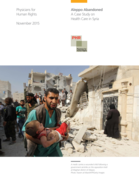
Report Shows Egregious Attacks on Health Care by Syrian Government Have Devastated Aleppo’s Medical System
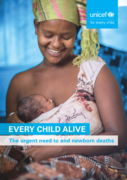
Globally, in low-income countries, the average newborn mortality rate is 27 deaths per 1,000 births, the report says. In high-income countries, that rate is 3 deaths per 1,000. Newborns from the riskiest places to give birth are up to 50 times more likely to die than those from the safest places....
