
Filter
4548
Filtered Results: 4548
Text search:
Emregency
medical
teams
Featured
Recommendations
477
New Publications
1326
Language
Document type
No document type
2505
Studies & Reports
672
Guidelines
638
Manuals
310
Strategic & Response Plan
226
Training Material
71
Situation Updates
68
Fact sheets
34
Brochures
10
Resource Platforms
8
Infographics
3
Online Courses
2
Dashboards/Maps
1
Countries / Regions
India
201
Global
160
Kenya
154
Sierra Leone
151
Liberia
137
South Africa
111
Uganda
108
Ethiopia
104
Nigeria
102
Nepal
94
Myanmar / Burma
86
Syria
83
Bangladesh
82
Rwanda
75
Tanzania
74
Ghana
71
Western and Central Europe
67
Zambia
67
Africa
65
Ukraine
61
Malawi
57
Latin America and the Carribbean
54
Congo, Democratic Republic of
53
Namibia
52
South Sudan
46
Guinea
45
Philippines
36
Haiti
33
Mozambique
32
West and Central Africa
31
Zimbabwe
30
Asia
28
South–East Asia Region
27
Yemen
25
Lesotho
24
Indonesia
24
East and Southern Africa
23
Cambodia
22
Senegal
19
Eastern Europe
19
Eswatini/ Swaziland
19
Venezuela
18
Botswana
18
Pakistan
18
Afghanistan
17
Germany
17
Eastern Europe and Central Asia
15
Brazil
15
Jordan
14
Cameroon
13
Middle East and North Africa
13
Lebanon
13
Russia
13
Colombia
12
Thailand
12
Burkina Faso
12
Western Pacific Region
12
Vietnam
12
Central African Republic
12
Moldova
11
Iraq
11
Somalia
11
Madagascar
11
Turkey
10
China
10
Laos
9
Mali
8
USA
7
Sri Lanka
7
Iran
6
Burundi
6
Peru
6
Sudan
6
North Macedonia
5
Benin
5
Côte d’Ivoire / Ivory Coast
5
Palestine
5
Poland
5
Bhutan
5
Tajikistan
4
Togo
4
Chile
4
Albania
4
Armenia
4
United Kingdom
4
Southern Africa
4
Papua New Guinea
4
Egypt
4
Angola
4
Libya
4
Timor Leste/ East Timor
3
Mexico
3
Serbia
3
Kazakhstan
3
Singapore
3
Malaysia
3
Hungary
3
Jamaica
3
Spain
3
Bolivia
3
Romania
3
Chad
3
Ecuador
3
El Salvador
2
Gambia
2
Estonia
2
Kyrgyzstan
2
Uzbekistan
2
Bulgaria
2
Guinea-Bissau
2
Croatia
2
North America
2
Turkmenistan
2
Japan
2
Mauritius
2
Argentina
2
Greece
2
Georgia
2
Fiji
1
Niger
1
Vanuatu
1
Mongolia
1
Qatar
1
Mauritania
1
Dominican Republic
1
Lithuania
1
Saudi Arabia
1
Paraguay
1
Gabon
1
Belgium
1
France
1
Maldives
1
Portugal
1
South Korea
1
Morocco
1
Belarus
1
Oman
1
Slovakia
1
Honduras
1
Authors & Publishers
Publication Years
Category
Countries
1898
Key Resources
352
Clinical Guidelines
304
Public Health
239
Women & Child Health
236
Capacity Building
97
Pharmacy & Technologies
34
Annual Report MEDBOX
1
Toolboxes
COVID-19
469
Mental Health
286
HIV
257
Ebola & Marburg
235
Conflict
212
Caregiver
153
AMR
142
Rapid Response
141
TB
134
Disability
118
Natural Hazards
98
Planetary Health
89
Refugee
88
2.0 Rapid Response
72
NTDs
70
Pharmacy
64
NCDs
63
Global Health Education
58
Specific Hazards
50
Health Financing Toolbox
38
Cholera
31
Malaria
31
Zika
29
Polio
19
Social Ethics
8
Typhoon
7
South Sudan
2
Globally each year, millions of people suffer illness or lose their lives because the vaccines, medicines and diagnostic tests that they need are either unavailable or unaffordable – and this lack of access to medicine is acute in low- and middle-in-
come countries (LMICs). While the COVID-19 pan...

This clinical management manual for Ebola Viral Disease in Liberia was developed after several ETUs were established in the country following the outbreak early this year. As the outbreak evolved, it became evident that different SOPs were being used by clinicians across these treatment facilities. ...
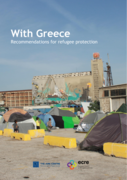
The information in this report is up-to-date as of June 2016.
The report, which follows a field visit to the country between 28 May and 6 June, also emphasises the need for international organisations to be mindful of the long present efforts of Greek lawyers and NGOs in the field, and recommends...

Plicy Brief

Resource platform

Draft version 2017

The conditionality of this recommendation is largely driven by the current higher unit cost of pyrethroid-PBO ITNs compared
to pyrethroid-only LLINs and therefore the uncertainty of their cost-effectiveness. Furthermore, as PBO is less wash-resistant
than pyrethroids, its bioavailability declines ...
Promoting and protecting health is essential to human welfare and sustained economic and social development. This was recognized more than 30 years ago by the Alma-Ata Declaration signatories, who noted that Health for All would contribute
both to a better quality of life and also to global peace a...
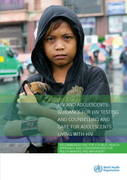
These guidelines provide specific recommendations and expert suggestions — for national policy-makers and programme managers and their partners and stakeholders— on prioritizing, planning and providing HIV testing, counselling, treatment and care services for adolescents

Prompt, effective antimalarial treatment, and supportive care can substantially reduce the rate of mortality from severe malaria. However, many children in malaria-endemic countries do not have access to health facilities or a qualified health care provider and do not receive the necessary care in a...

Namibia has a two-tier health system: public health under the Ministry of Health and Social Services (MoHSS) and the private health service. MoHSS‘ vision is to be the leading provider of quality health care and social services according to international set standards. Since Namibia’s independe...
