Filter
331
Text search:
slum
population
Featured
31
106
Language
Document type
210
63
32
10
9
4
1
1
1
Countries
36
26
21
20
13
11
10
8
8
7
7
6
6
5
5
4
4
4
3
2
2
2
2
2
2
2
2
2
1
1
1
1
1
1
1
1
1
1
1
1
1
1
1
1
1
1
1
1
1
1
1
Authors & Publishers
Publication Years
Category
154
29
20
14
11
2
1
Toolboxes
32
25
24
20
19
18
13
9
7
6
5
4
4
4
4
3
2
2
2
1
1
1

The social protection landscape for people affected by TB in the WHO South-East Asia Region


This guide aims to provide an overview of successful practice from the field for the disaster risk reduction/management practitioner interested in EWS. It presents guiding principles that will build a strong foundation for the design or strengthening of EWS at any level. It is not an operational, bu
...

Building true health security in a global age. Findings and recommendations of the Global Council. In landmark findings based on two years of research and convenings around the world, the new report shows that high levels of inequality are linked to outbreaks becoming pandemics and that inequality i
...
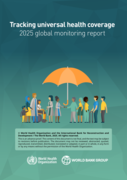
The window to 2030, the SDG target year, is closing. Without accelerated and sustained progress, hard-won UHC gains risk being lost. Using revised and improved UHC indicators the report presents the latest available UHC data and concludes with a call to shared action.

An emerging framework for achieving synergies among the Sendai Framework, the 2030 Agenda for Sustainable Development, the New Urban Agenda and the Paris Agreement. This paper discusses the potential of the Health Emergency and Disaster Risk Management (Health-EDRM) Framework in promoting syne
...


The International Federation of Red Cross and Red Crescent Societies (IFRC) is the world’s largest volunteer-based humanitarian network. With our 190 member National Red Cross and Red Crescent Societies worldwide, we are in every community reaching 160.7 million people annually through long-term s
...

The text explains the concept of disaster preparedness and outlines how societies can better prepare for and respond to emergencies. It describes key components such as risk assessment, planning, resource management, warning systems, and training, emphasizing that effective preparedness requires coo
...
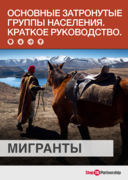
Key populations brief.
МИГРАНТЫ
ОСНОВНЫЕ ЗАТРОНУТЫЕ ГРУППЫ НАСЕЛЕНИЯ. КРАТКОЕ РУКОВОДСТВО.