
Filter
3769
Text search:
public
places
Featured
349
1054
Language
3586
193
74
45
43
34
18
18
12
9
8
7
6
6
6
6
5
5
5
4
4
4
4
4
4
4
4
4
4
4
3
3
3
3
3
3
3
3
3
3
3
3
2
2
2
2
2
2
2
2
2
2
2
2
2
2
2
2
2
2
1
1
1
1
1
1
1
Document type
2049
689
431
244
150
71
69
33
17
7
6
Countries
198
180
113
82
81
81
77
77
75
72
68
67
63
61
57
54
47
46
42
40
40
36
34
34
33
33
33
30
27
26
26
26
25
24
24
22
19
19
18
18
18
17
16
15
15
15
14
12
12
11
11
10
10
9
9
9
9
9
9
8
8
8
7
6
6
6
6
6
6
5
5
5
5
4
4
4
4
4
4
4
4
3
3
3
3
3
3
3
3
3
2
2
2
2
2
2
2
2
2
2
2
2
2
2
2
2
2
2
2
2
2
2
2
1
1
1
1
1
1
1
1
1
1
1
1
1
1
1
1
1
1
1
1
1
1
1
1
1
1
1
1
1
1
1
1
Authors & Publishers
392
139
107
104
69
65
60
59
40
31
26
24
22
22
21
19
18
18
17
16
16
15
14
14
14
13
13
13
13
13
13
13
12
12
12
11
11
11
11
11
10
10
10
10
10
10
10
10
10
10
9
9
9
9
9
9
9
9
8
8
8
8
8
8
8
8
7
7
7
7
7
7
7
7
7
7
7
7
7
7
7
7
7
7
6
6
6
6
6
6
6
6
6
6
6
6
6
6
6
6
5
5
5
5
5
5
5
5
5
5
5
5
5
5
5
5
5
5
5
5
5
4
4
4
4
4
4
4
4
4
4
4
4
4
4
4
4
4
4
4
4
4
4
4
4
4
4
4
4
4
4
4
4
4
3
3
3
3
3
3
3
3
3
3
3
3
3
3
3
3
3
3
3
3
3
3
3
3
3
3
3
3
3
3
3
3
3
3
3
3
3
3
3
3
3
3
3
3
3
3
3
3
3
3
3
3
3
3
3
3
3
3
3
3
3
3
3
3
3
3
3
3
3
3
3
3
3
3
3
3
3
3
3
3
3
2
2
2
2
2
2
2
2
2
2
2
2
2
2
2
2
2
2
2
2
2
2
2
2
2
2
2
2
2
2
2
2
2
2
2
2
2
2
2
2
2
2
2
2
2
2
2
2
2
2
2
2
2
2
2
2
2
2
2
2
2
2
2
2
2
2
2
2
2
2
2
2
2
2
2
2
2
2
2
2
2
2
2
2
2
2
2
2
2
2
2
2
2
2
2
2
2
2
2
2
2
2
2
2
2
2
2
2
2
2
2
2
2
2
2
2
2
2
2
2
2
2
2
2
2
2
2
2
2
2
2
2
2
2
2
2
2
2
2
2
2
2
2
2
2
2
2
2
2
2
2
2
2
2
2
2
2
2
2
2
2
2
2
2
2
2
2
2
2
2
2
2
2
2
2
2
2
2
2
2
2
2
2
2
2
2
2
2
2
2
2
2
2
2
2
2
2
2
2
2
2
2
2
2
2
2
2
2
2
2
2
2
2
2
2
2
2
2
2
2
2
2
2
2
2
1
1
1
1
1
1
1
1
1
1
1
1
1
1
1
1
1
1
1
1
1
1
1
1
1
1
1
1
1
1
1
1
1
1
1
1
1
1
1
1
1
1
1
1
1
1
1
1
1
1
1
1
1
1
1
1
1
1
1
1
1
1
1
1
1
1
1
1
1
1
1
1
1
1
1
1
1
1
1
1
1
1
1
1
1
1
1
1
1
1
1
1
1
1
1
1
1
1
1
1
1
1
1
1
1
1
1
1
1
1
1
1
1
1
1
1
1
1
1
1
1
1
1
1
1
1
1
1
1
1
1
1
1
1
1
1
1
1
1
1
1
1
1
1
1
1
1
1
1
1
1
1
1
1
1
1
1
1
1
1
1
1
1
1
1
1
1
1
1
1
1
1
1
1
1
1
1
1
1
1
1
1
1
1
1
1
1
1
1
1
1
1
1
1
1
1
1
1
1
1
1
1
1
1
1
1
1
1
1
1
1
1
1
1
1
1
1
1
1
1
1
1
1
1
1
1
1
1
1
1
1
1
1
1
1
1
1
1
1
1
1
1
1
1
1
1
1
1
1
1
1
1
1
1
1
1
1
1
1
1
1
1
1
1
1
1
1
1
1
1
1
1
1
1
1
1
1
1
1
1
1
1
1
1
1
1
1
1
1
1
1
1
1
1
1
1
1
1
1
1
1
1
1
1
1
1
1
1
1
1
1
1
1
1
1
1
1
1
1
1
1
1
1
1
1
1
1
1
1
1
1
1
1
1
1
1
1
1
1
1
1
1
1
1
1
1
1
1
1
1
1
1
1
1
1
1
1
1
1
1
1
1
1
1
1
1
1
1
1
1
1
1
1
1
1
1
1
1
1
1
1
1
1
1
1
1
1
1
1
1
1
1
1
1
1
1
1
1
1
1
1
1
1
1
1
1
1
1
1
1
1
1
1
1
1
1
1
1
1
1
1
1
1
1
1
1
1
1
1
1
1
1
1
1
1
1
1
1
1
1
1
1
1
1
1
1
1
1
1
1
1
1
1
1
1
1
1
1
1
1
1
1
1
1
1
1
1
1
1
1
1
1
1
1
1
1
1
1
1
1
1
1
1
1
1
1
1
1
1
1
1
1
1
1
1
1
1
1
1
1
1
1
1
1
1
1
1
1
1
1
1
1
1
1
1
1
1
1
1
1
1
1
1
1
1
1
1
1
1
1
1
1
1
1
1
1
1
1
1
1
1
1
1
1
1
1
1
1
1
1
1
1
1
1
1
1
1
1
1
1
1
1
1
1
1
1
1
1
1
1
1
1
1
1
1
1
1
1
1
1
1
1
1
1
1
1
1
1
1
1
1
1
1
1
1
1
1
1
1
1
1
1
1
1
1
1
1
1
1
1
1
1
1
1
1
1
1
1
1
1
1
1
1
1
1
1
1
1
1
1
1
1
1
1
1
1
1
1
1
1
1
1
1
1
1
1
1
1
1
1
1
1
1
1
1
1
1
1
1
1
1
1
1
1
1
1
1
1
1
1
1
1
1
1
1
1
1
1
1
1
1
1
1
1
1
1
1
1
1
1
1
1
1
1
1
1
1
1
1
1
1
1
1
1
1
1
1
1
1
1
1
1
1
1
1
1
1
1
1
1
1
1
1
1
1
1
1
1
1
1
1
1
1
1
1
1
1
1
1
1
1
1
1
1
1
1
1
1
1
1
1
1
1
1
1
1
1
1
1
1
1
1
1
1
1
1
1
1
1
1
1
1
1
1
1
1
1
1
1
1
1
1
1
1
1
1
1
1
1
1
1
1
1
1
1
1
1
1
1
1
1
1
1
1
1
1
1
1
1
1
1
1
1
1
1
1
1
1
1
1
1
1
1
1
1
1
1
1
1
1
1
1
1
1
1
1
1
1
1
1
1
1
1
1
1
1
1
1
1
1
1
1
1
1
1
1
1
1
1
1
1
1
1
1
1
1
1
1
1
1
1
1
1
1
1
1
1
1
1
1
1
1
1
1
1
1
1
1
1
1
1
1
1
1
1
1
1
1
1
1
1
1
1
1
1
1
1
1
1
1
1
1
1
1
1
1
1
1
1
1
1
1
1
1
1
1
1
1
1
1
1
1
1
1
1
1
1
1
1
1
1
1
1
1
1
1
1
1
1
1
1
1
1
1
1
1
1
1
1
1
1
1
1
1
1
1
1
1
1
1
1
1
1
1
1
1
1
1
1
1
1
1
1
1
1
1
1
1
1
1
1
1
1
1
1
1
1
1
1
1
1
1
1
1
1
1
1
1
1
1
1
1
1
1
1
1
1
1
1
1
1
1
1
1
1
1
1
1
1
1
1
1
1
1
1
1
1
1
1
1
1
1
1
1
1
1
1
1
1
1
1
1
1
1
1
1
1
1
1
1
1
1
1
1
1
1
1
1
1
1
1
1
1
1
1
1
1
1
1
1
1
1
1
1
1
1
1
1
1
1
1
1
1
1
1
1
1
1
1
1
1
1
1
1
1
1
1
1
1
1
1
1
1
1
1
1
1
1
1
1
1
1
1
1
1
1
1
1
1
1
1
1
1
1
1
1
1
1
1
1
1
1
1
1
1
1
1
1
1
1
1
1
1
1
1
1
1
1
1
1
1
1
1
1
1
1
1
1
1
1
1
1
1
1
1
1
1
1
1
1
1
1
1
1
1
1
1
1
1
1
1
1
1
1
1
1
1
1
1
1
1
1
1
1
1
1
1
1
1
1
1
1
1
1
1
1
1
1
1
1
1
1
1
1
1
1
1
1
1
1
1
1
1
1
1
1
1
1
1
1
1
1
1
1
1
1
1
1
1
1
1
1
1
1
1
1
1
1
1
1
1
1
1
1
1
1
1
1
1
1
1
1
1
1
1
1
1
1
1
1
1
1
1
1
1
1
1
1
1
1
1
1
1
1
1
1
1
1
1
1
1
1
1
1
1
1
1
1
1
1
1
1
1
1
1
1
1
1
1
1
1
1
1
1
1
1
1
1
1
1
1
1
1
1
1
1
1
1
1
1
1
1
1
1
1
1
1
1
1
1
1
1
1
1
1
1
1
1
1
1
1
1
1
1
1
1
1
1
1
1
1
1
1
1
1
1
1
1
1
1
1
1
1
1
1
1
1
1
1
1
1
1
1
1
1
1
1
1
1
1
1
1
1
1
1
1
1
1
1
1
1
1
1
1
1
1
1
1
1
1
1
1
1
1
1
1
1
1
1
1
1
1
1
1
1
1
1
1
1
1
1
1
1
1
1
1
1
1
1
1
1
1
1
1
1
1
1
1
1
1
1
1
1
1
1
1
1
1
1
1
1
1
1
1
1
1
1
1
1
1
1
1
1
1
1
1
1
1
1
1
1
1
1
1
1
1
1
1
1
1
1
1
1
1
1
1
1
1
1
1
1
1
1
1
1
1
1
1
1
1
1
1
1
1
1
1
1
1
1
1
1
1
1
1
1
1
1
1
1
1
1
1
1
1
1
1
1
1
1
1
1
1
1
1
1
1
1
1
1
1
1
1
1
1
1
1
1
1
1
1
1
1
1
1
1
1
1
1
1
1
1
1
1
1
1
1
1
1
1
1
1
1
1
1
1
1
1
1
1
1
1
1
1
1
1
1
1
1
1
1
1
1
1
1
1
1
1
1
1
1
1
1
1
1
1
1
1
1
1
1
1
1
1
1
1
1
1
1
1
1
1
1
1
1
1
1
1
1
1
1
1
1
1
1
1
1
1
1
1
1
1
1
1
1
1
1
1
1
1
1
1
1
1
1
1
1
1
1
1
1
1
1
1
1
1
1
1
1
1
1
1
1
1
1
1
1
1
1
1
1
1
1
1
1
1
1
1
1
1
1
1
1
1
1
1
1
1
1
1
1
1
1
1
1
1
1
1
1
1
1
1
1
1
1
1
1
1
1
1
1
1
1
1
1
1
1
1
1
1
1
1
1
1
1
1
1
1
1
1
1
1
1
1
1
1
1
1
1
1
1
1
1
1
1
1
1
1
1
1
1
1
1
1
1
1
1
1
1
1
1
1
1
1
1
1
1
1
1
1
1
1
1
1
1
1
1
1
1
1
1
1
1
1
1
1
1
1
1
1
1
1
1
1
1
1
1
1
1
1
1
1
1
1
1
1
1
1
1
1
1
1
1
1
1
1
1
1
1
1
1
1
1
1
1
1
1
1
1
1
1
1
1
1
1
1
1
1
1
1
1
1
1
1
1
1
1
1
1
1
1
1
1
1
1
1
1
1
1
1
1
1
1
1
1
1
1
1
1
1
1
1
1
1
1
1
1
1
1
1
1
1
1
1
1
1
1
1
1
1
1
1
1
1
1
1
1
1
1
1
1
1
1
1
1
1
1
1
1
1
1
1
1
1
1
1
1
1
1
1
1
1
1
1
1
1
1
1
1
1
1
1
1
1
1
1
1
1
1
1
1
1
1
1
1
1
1
1
1
1
1
1
1
1
1
1
1
1
1
1
1
1
1
1
1
1
1
1
1
1
1
1
1
1
1
1
1
1
1
1
1
1
1
1
1
1
1
1
1
1
1
1
1
1
1
1
1
1
1
1
1
1
1
1
1
1
1
1
1
1
1
1
1
1
1
1
1
1
1
1
1
1
1
1
1
1
1
1
1
1
1
1
1
1
1
1
1
1
1
1
1
1
1
1
1
1
1
1
1
1
1
1
1
1
1
1
1
1
1
1
1
1
1
1
1
1
1
1
1
1
1
1
1
1
1
1
1
1
1
1
1
1
1
1
1
1
1
1
1
1
1
1
1
1
1
1
1
1
1
1
1
1
1
1
1
1
1
1
1
1
1
1
1
1
1
1
1
1
1
1
1
1
1
1
1
1
1
1
1
1
1
1
1
1
1
1
1
1
1
1
1
1
1
1
1
1
1
1
1
1
1
1
1
1
1
1
1
1
1
1
1
1
1
1
1
1
1
1
1
1
1
1
1
1
1
1
1
1
1
1
1
1
1
1
1
1
1
1
1
1
1
1
1
1
1
1
1
1
1
1
1
1
1
1
1
1
1
1
1
1
1
1
1
1
1
1
1
1
1
1
1
1
1
1
1
1
1
1
1
1
1
1
1
1
1
1
1
1
1
1
1
1
1
1
1
1
1
1
1
1
1
1
1
1
1
1
1
1
1
1
1
1
1
1
1
1
1
1
1
1
1
1
1
1
1
1
1
1
1
1
1
1
1
1
1
1
1
1
1
1
1
1
1
1
1
1
1
1
1
1
1
1
1
1
1
1
1
1
1
1
1
1
1
1
1
1
1
1
1
1
1
1
1
1
1
1
1
1
1
1
1
1
1
1
1
1
1
1
1
1
1
1
1
1
1
1
1
1
1
1
1
1
1
1
1
1
1
1
1
1
1
1
1
1
1
1
1
1
1
1
1
1
1
1
1
1
1
1
1
1
1
1
1
1
1
1
1
1
1
1
1
1
1
1
1
1
1
1
1
1
1
1
1
1
1
1
1
1
1
1
1
1
1
1
1
1
1
1
1
1
1
1
1
1
1
1
1
1
1
1
1
1
1
1
1
1
1
1
1
1
1
1
1
1
1
1
1
1
1
1
1
1
1
1
1
1
1
1
1
1
1
1
1
1
1
1
1
1
1
1
1
1
1
1
1
1
1
1
1
1
1
1
1
1
1
1
1
1
1
1
1
1
1
1
1
1
1
1
1
1
1
1
1
1
1
1
1
1
1
1
1
1
1
1
1
1
1
1
1
1
1
1
1
1
1
1
1
1
1
1
1
1
1
1
1
1
1
1
1
1
1
1
1
1
1
1
1
1
1
1
1
1
1
1
1
1
1
1
1
1
1
1
1
1
1
1
1
1
1
1
1
1
1
1
1
1
1
1
1
1
1
1
1
1
1
1
1
1
1
1
1
1
1
1
1
1
1
1
1
1
1
1
1
1
1
1
1
1
1
1
1
1
1
1
1
1
1
1
1
1
1
1
1
1
1
1
1
1
1
1
1
1
1
1
1
1
1
1
1
1
1
1
1
1
1
1
1
1
1
1
1
1
1
1
1
1
1
1
1
1
1
1
1
1
1
1
1
1
1
1
1
1
1
1
1
1
1
1
1
Publication Years
1094
2272
378
23
1
1
Category
1458
310
205
180
178
62
21
1
Toolboxes
386
325
235
198
143
135
123
111
101
86
84
81
77
60
46
44
44
43
39
38
31
30
25
21
19
1
1

This research report provided results from the study of living conditions among people with functional limitation in Mozambique. Two comparative studies of different indicators of living conditions were carried out. These studies include: (i) a comparative study of households with and without family
...
member(s) with functional limitation and (ii) a comparative study of individuals with and without functional limitation. In addition, a detailed study that specifically addresses the situation of individuals with functional limitation was also conducted. The Mozambique study was undertaken in 2007 – 2008.
more
STUDY REPORT | This study of the impact of the Nepal earthquake of 25 April, 2015, aims to understand the impact factors leading to the exclusion of older people and persons with disabilities from humanitarian action, barriers to their inclusion, and the extent to which their skills and knowledge we
...
re utilised to promote inclusive humanitarian action and, using this understanding, to formulate a set of recommendations for promoting inclusion. These recommendations will be used to sensitise the broader humanitarian community to the need for inclusive disaster risk management practices in future emergency responses which pay attention to factors such as gender, age, disability and ethnicity, and build upon the capacities of older people and persons with disabilities.
more
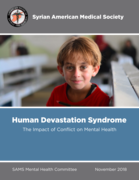
The magnitude and complexity of these mental health conditions caused by prolonged and extensive trauma requires a diagnosis fitting the unique context of the Syrian conflict. Over half a million people have been killed since the beginning of the conflict in 2011, and more than 6.4 million are inter
...
nally displaced with over 5 million living as refugees. SAMS documents the multi-dimensional nature of mental health disorders afflicting Syrians, including accounts of refugee experiences from Eastern Ghouta, Idlib, and beyond. This qualitative report seeks to raise awareness about increasing mental health needs, while sharing personal stories of those who have been affected by the trauma of the conflict.
more
Revised

This manual aims to provide an overview of this subject to health care professionals, paramedics and other voluntary services involved in health care promotion
INDEX-TB Guidelines - Guidelines on extra-pulmonary tuberculosis for India
Indian Council of Medical Research (ICMR), Global Health Advocates, Cochrane Infectious Diseases Group
World Health Organisation (WHO)
(2016)
C1
The main objective of these guidelines is to provide guidance on up-to-date, uniform, evidence-informed practices for suspecting, diagnosing and managing various forms of extra-pulmonary tuberculosis (EPTB) at all levels of healthcare delivery. They can then contribute to the National Programme to i
...
mprove detection, care and outcomes in EPTB; to help the programme with initiation of treatment, adherence and completion whilst minimizing drug toxicity and overtreatment; and contribute to practices that minimize the development of drug resistance.
more

Myanmar 2019 Humanitarian needs overview
recommended
Over 244,000 displaced people remain in camps or camp-like situations in Kachin, Shan, Rakhine
and Kayin states. Children make up at least 50 per cent of this population, while women and„Myanmar: 2019 Humanitarian Needs Overview - Myanmar“. ReliefWeb. Zugegriffen 4. Januar 2019. https://reliefw
...
eb.int/report/myanmar/myanmar-2019-humanitarian-needs-overview.
children together make up about 77 per cent. This includes approximately 97,000 people in
Kachin, 8,800 in Shan and 10,300 in Kayin who remain displaced as a result of the armed conflict.
It also includes about 128,000 people in Rakhine, the vast majority of whom are stateless, who
were displaced as a result of the violence in 2012.
more

Pre-Publication draft version. Lat reviewed on 7th July 2017

Post-traumatic symptoms in Ghanaian children. Thesis for Master of Philosophy in Peace and Conflict Studies (PECOS). This study investigated whether Ghanaian children exposed to low intensity warfare experience symptoms of PTSD as described in the DSM-IV. It also aimed to find out if there are cultu
...
rally-specific ways of displaying the symptoms and in dealing with the trauma.
more
Posttraumatic stress disorder (PTSD) in children and adolescents occurs as a result of a child’s exposure to one or more traumatic events: actual or threatened death, serious injury, or sexual violence. The victim may experience the event, witness it, learn about it from close family members or fr
...
iends, or experience repeated or extreme exposure to aversive details of the event. Potentially traumatic events include physical or sexual assaults, natural disasters, and accidents.
more

Young children are especially susceptible to exposure to trauma. Rates of abuse and neglect among this population are staggering. This article presents a review of relevant literature, including research findings specific to early childhood vulnerability to trauma, symptoms associated with traumatic
...
events, diagnostic validity of early childhood trauma, and treatments for young children. In the past, misconceptions about the mental health of young children have hindered accurate diagnosis and treatment of trauma-related mental illness. Due to the prevalence of trauma exposure in early childhood, counselors are encouraged to become familiar with ways that clients and families are impacted and methods for treatment. Implications for future research also are presented.
more
The guidebook can be used by any care giver who comes in contact with children on a daily basis and who have the primary or secondary responsibility of taking care of the children. Parents, teachers, anganwadi workers, child care institutions, hospitals can use this guidebook to help a child who is
...
in need of care and protection. This guidebook can also be used by those who meet a child by accident who is in need of protection immediately. They can follow the steps mentioned in the guidebook that can be followed to help the child in need. Paragraph about the child protection systems with an objective of creating a safe and safe environment of children, the state has established systems at center and district level which one can go to for providing protection of children. These systems contains various bodies, units, schemes and law which create a safety net for children.
more
This report is a comprehensive statistical overview of female genital mutilation/cutting (FGM/C) in the 29 countries where the practice is concentrated. Analysis of the data reflects current perspectives on FGM/C, informed by the latest policy, programmatic and theoretical evidence.

“Because we struggle to survive” Child Labour among Refugees of the Syrian Conflict | This study provides pertinent first-hand information on the reality facing Syrian children who are working either in their homeland, the neighbouring countries or elsewhere in Europe. Syria's civil war is the w
...
orst humanitarian crisis of our time. Hundreds of thousands of people - adults and children alike - have been killed. Two thirds of all Syrians have lost their homes and their livelihoods. Millions of Syrians have been uprooted from their home communities and forced to flee within their country or to neighbouring countries. The consistent spill-over has drawn global attention not just to the humanitarian crisis facing both local communities and national governments but also to the economic and social strain. The bloodshed wreaked by the different parties continues. The suffering deepens. Approximately half of the Syrian refugees and displaced persons are children and young people who suffer from a double-vulnerability: as children and as migrants or refugees.
more
The recruitment and use of children violates their rights and causes them physical, developmental, emotional, mental, and spiritual harm. The impact on their mental and physical well-being breaches the most fundamental human rights and represents a grave threat to durable peace and sustainable deve
...
lopment, as cycles of violence are perpetuated. The Paris Commitments adopted in Paris in February 2007 are an expression of strengthened international resolve to prevent the recruitment of children and highlight the actions governments can and should take to protect children affected by conflict. The Paris Principles are the operational guidelines related to sustainable reintegration of children formerly associated with armed forces and groups.
more
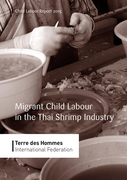
Slavery on fishing vessels, degradation of ecosystems, overfishing, debt bondage, human trafficking and child labour in peeling sheds – the scandals surrounding the Thai fishery and shrimp industries have garnered international censure. Farmed and processed at the cost of extreme exploitation of b
...
oth people and the planet, Thai shrimp ends up on plates around the world. The former delicacy can now be bought cheaply everywhere. But how high is the price really? And who has to pay it?
This report by seeks to remind governments in the countries of production that it is their duty to enforce human rights and living wages, rather than to compete for the favour of large companies to the detriment of people and the environment. It also appeals to consumers and their governments – and to importers – to send a clear message to suppliers in Thailand and elsewhere: If you want to survive on the global market, you need to respect human rights and child rights, and uphold social and environmental standards.
more

Network HPN Paper: The role of education in protecting children in conflict
Susan Nicolai and Carl Triplehorn
Humanitarian Practice Network (HPN); Overseas Development Institute (ODI)
(2003)
C1
Education in emergencies is a young area; the evidence of its impact is often anecdotal, and although its status as a humanitarian concern has gained legitimacy in recent years, it has yet to be accepted across the humanitarian community. Much more needs to be done to enhance our understanding of t
...
he links between education and child protection in emergency situations.
more
The report studied child poverty in nine dimensions – development/stunting, nutrition, health, water, sanitation, and housing. Other dimensions included education, health related knowledge, and information and participation.
An estimated 36 million of a total population of 41 million children und
...
er the age of 18 in Ethiopia are multi-dimensionally poor, meaning they are deprived of basic goods and services in at least three dimensions
more
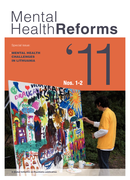
Special issue: Mental Health Challenges in Lithuania
Nos. 1-2 '11
