
Filter
1977
Text search:
soap
Featured
260
539
Language
Document type
959
360
173
144
88
68
64
47
46
17
7
4
Countries
114
101
92
67
66
63
57
56
46
40
39
37
30
29
28
28
28
26
23
22
21
21
20
20
20
18
18
16
14
14
14
14
14
13
13
11
11
10
10
8
8
8
7
6
6
6
6
6
6
5
5
5
5
4
4
4
4
4
4
4
4
4
4
3
3
3
3
3
3
3
3
3
2
2
2
2
2
2
2
2
2
1
1
1
1
1
1
1
1
1
1
1
1
1
1
1
1
1
1
1
1
1
1
1
1
1
Authors & Publishers
Publication Years
Category
829
241
132
128
65
58
22
Toolboxes
421
205
86
84
48
48
46
45
45
43
37
35
34
28
27
24
22
20
11
8
6
6
5
1
1
1

Water, sanitation and hygiene education in schools – WASH in Schools – provides safe drinking water, improves sanitation facilities and promotes lifelong health. WASH in Schools enhances the well-being of children and their families, and paves the way for new generations of healthy children.
f
...
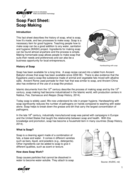
This fact sheet developed by CAWST describes the history of soap, how it’s made, and the two processes for making soap. This fact sheet is available in English, Spanish, and French.
This compendium developed by UNICEF provides details of different handwashing station designs and estimated cost.
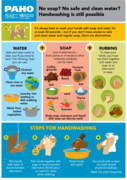
Infographic illustrating how to wash your hands correctly when there is limited access to soap and clean water.
Creative Development and Formative Research Report
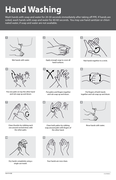
Hand Washing
recommended
Wash hands with soap and water for 20-30 seconds immediately after taking off PPE. If hands are soiled, wash hands with soap and water for 40-60 seconds. You may use hand sanitizer or chlorinated wa
...
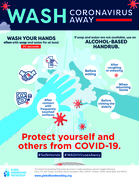
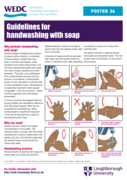
Poster - This printable poster can be used to help raise awareness of key times for handwashing with soap to prevent the spread of COVID-19. It is designed for all audiences and can be downloaded for free through GHP’s resource hub. This poster is
...
For handwashing to be effective, it needs to be practiced consistently and thoroughly. Even when people have access to soap and water, and know how and why to wash their hands, many still do not properly wash their hands consistently at critical tim
...
A guide for developing a hygiene promotion program to increase handwashing with soap
Accessed: 02.05.2020
This campaign was designed to motivate mothers to wash their own hands with soap and to encourage their children to do the same. The campaign involved framing handwashing with soap
...
Best practice for hand hygiene requires the availability of clean water, soap, and single use disposable towels or alcohol based hand sanitiser with a concentration of 70%. Availability of these resources is not always assured. When resources for ha
...
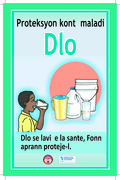
The document "Proteksyon Maladi" focuses on preventing waterborne and hygiene-related diseases through practical measures. It emphasizes the importance of personal hygiene, including washing hands with soap and clean water before eating, after using
...
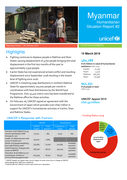
Fighting continues to displace people in Rakhine and Shan States causing displacement of 3,700 people bringing the total displacement in the first two months of the year to approximately 7,500 people.
UNICEF is restarting soap distributions in n
...
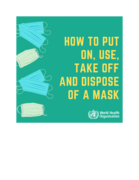
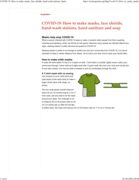
If you are healthy, you only need to wear a mask if you are taking care of a person with suspected 2019-nCoV infection.
Wear a mask if you are coughing or sneezing.
Masks are effective only when used in combination with frequent hand-cleaning with alcohol-based hand rub or
...
Hand Hygiene and COVID-19
recommended
MEDBOX Issue Brief No.2.
The main route of transmission of the Sars-CoV-2 virus are small respiratory droplets. Therefore, thoroughly cleaning of hands with either alcohol-based hand rub or soap and water is one of the corner stones of basic protec
...
The factsheet is aimed at promoting good water, sanitation and hygiene practices, particularly handwashing with soap as an important barrier to the transmission of COVID-19 and other infectious diseases. The factsheet also provides messages on measu
...
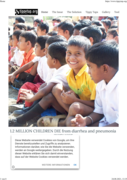
The tippy tap! Resource Platform
recommended
The tippy tap is a hands free way to wash your hands that is especially appropriate for rural areas where there is no running water. It is operated by a foot lever and thus reduces the chance for bacteria transmission as the user touches only the soap
...
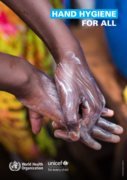
Three billion people – 40 per cent of the world’s population – do not have a place in their homes to wash their hands with water and soap. Three quarters of those who lack access to water and soap
...
