
Filter
8833
Filtered Results: 8833
Text search:
hospital-based
Featured
Recommendations
847
New Publications
2227
Language
Document type
No document type
4753
Studies & Reports
1469
Guidelines
1327
Manuals
525
Strategic & Response Plan
279
Training Material
162
Fact sheets
153
Situation Updates
87
Resource Platforms
28
Brochures
27
Infographics
13
Online Courses
7
Videos
3
Countries / Regions
India
461
Global
289
Kenya
245
South Africa
194
Sierra Leone
192
Liberia
180
Ethiopia
177
Uganda
165
Nepal
160
Latin America and the Carribbean
156
Nigeria
155
Western and Central Europe
145
Malawi
128
Tanzania
124
Rwanda
123
Bangladesh
123
Africa
122
Myanmar / Burma
121
Zambia
120
Syria
111
Ghana
108
Brazil
103
Ukraine
89
Mozambique
88
Namibia
87
Philippines
79
Congo, Democratic Republic of
71
Paraguay
68
Eastern Europe
59
Venezuela
53
South–East Asia Region
52
Indonesia
52
Senegal
50
Zimbabwe
49
Guinea
49
Haiti
48
Cambodia
47
South Sudan
45
Argentina
43
West and Central Africa
42
Asia
41
East and Southern Africa
41
Russia
41
Yemen
40
Lesotho
39
Burkina Faso
39
Germany
38
Cameroon
33
Colombia
31
Chile
31
Botswana
31
Middle East and North Africa
30
Eastern Europe and Central Asia
29
Angola
29
Peru
27
Bolivia
27
Benin
25
Ecuador
25
Eswatini/ Swaziland
23
Afghanistan
21
Guinea-Bissau
20
El Salvador
19
Lebanon
19
Vietnam
19
Pakistan
19
Jordan
18
Western Pacific Region
18
USA
17
Mali
17
Tajikistan
16
Thailand
16
Madagascar
16
China
15
Sudan
15
Somalia
14
Spain
13
Sri Lanka
13
Iraq
13
Albania
12
Laos
11
Côte d’Ivoire / Ivory Coast
11
Moldova
11
Central African Republic
11
Palestine
10
Guatemala
10
Papua New Guinea
9
Georgia
9
Turkey
7
North America
7
United Kingdom
7
Southern Africa
7
North Macedonia
6
Mexico
6
Togo
6
Chad
6
Timor Leste/ East Timor
5
Kazakhstan
5
Iran
5
Portugal
5
Egypt
5
Romania
5
Poland
5
Libya
5
Bhutan
5
Canada
4
Kyrgyzstan
4
Niger
4
Armenia
4
Saudi Arabia
4
Greece
4
Honduras
4
Serbia
3
Gambia
3
Burundi
3
Malaysia
3
Dominican Republic
3
Hungary
3
Mauritius
3
Tunisia
3
Nicaragua
3
Australia
2
Fiji
2
Singapore
2
Estonia
2
Congo-Brazzaville
2
Uzbekistan
2
Morocco
2
Mongolia
2
Qatar
2
Bulgaria
2
Italy
2
Lithuania
2
Gabon
2
Turkmenistan
2
Jamaica
2
Japan
2
France
2
Slovakia
2
Mauritania
1
Croatia
1
Ireland
1
Uruguay
1
Denmark
1
Belgium
1
Maldives
1
South Korea
1
Belarus
1
Israel
1
Latvia
1
Djibouti
1
Solomon Islands
1
Authors & Publishers
Publication Years
Category
Countries
3646
Clinical Guidelines
691
Women & Child Health
441
Key Resources
421
Public Health
417
Capacity Building
212
Pharmacy & Technologies
87
Annual Report MEDBOX
1
Toolboxes
COVID-19
957
Mental Health
709
TB
494
HIV
461
Ebola & Marburg
323
AMR
311
Caregiver
301
Disability
299
NTDs
253
Conflict
236
Planetary Health
190
Pharmacy
176
NCDs
175
Rapid Response
173
Refugee
125
Natural Hazards
108
Global Health Education
91
2.0 Rapid Response
80
Malaria
77
Health Financing Toolbox
67
Zika
60
Specific Hazards
55
Cholera
47
Social Ethics
41
Polio
27
Typhoon
5
South Sudan
1
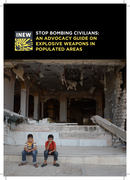
This guide has been produced by the International
Network on Explosive Weapons (INEW) to introduce the
humanitarian advocacy agenda on the use of explosive
weapons in populated areas and to provide ideas for actions
at the national level. It is aimed primarily at NGOs and
campaigners worki...
The purpose of this book is to provide an overview of Buruli ulcer (Mycobacterium ulcerans infection) for the medical and scientific communities and the general public alike.
Orientação provisória. 2 de setembro de 2020
Questão clínica: Qual é o papel dos corticosteroides sistêmicos no tratamento de pacientes com COVID-19? Público-alvo: O público-alvo consiste principalmente de médicos, seguido por tomadores de decisão na área de saúde.
It is estimated that around 2 billion people worldwide do not have access to essential medicines. Access to medicines in the Eastern Mediterranean Region varies among countries, depending on their income level and allocation of domestic resources to medicine and vaccine procurement. Access to safe a...
Antimicrobial resistance (AMR) is a global threat that requires urgent collaborative action within and among countries. AMR makes standard treatments ineffective and facilitates the spread of antimicrobial resistant infections rendering communities vulnerable. The Ministry of Health (MOH) and Minist...

Surgical site infection (SSI) is the most common postoperative complication worldwide. WHO guidelines to prevent SSI recommend alcoholic chlorhexidine skin preparation and fascial closure using triclosan-coated sutures, but called for assessment of both interventions in low-resource settings. This s...
WHO invites Member States, health facilities and other entities to participate in the global effort to collect anonymized clinical data relating to suspected or confirmed cases of monkeypox and contribute data to the WHO Global Clinical Platform.
WHO has developed a clinical characterization case ...

Zero Draft for Consultation, 3rd Version, November 2015
A Practical Guide for Mental Health Service Providers

In a prospective cohort study in Bangwe primary care clinic, Blantyre, Malawi, all adults (18 years or older) presenting with an acute illness were screened for TB symptoms (cough, fever, night sweats, weight loss). Demographic characteristics were linked to exit interview by fingerprint bioidentifi...

The Ghanaian Cabinet approved the antimicrobial resistance (AMR)Policy and Implementation plan(hereafter referred to as the national action plan or NAP)in December 2017, whilst the country case study was in progress. This has set in motion the implementation phase for Ghana, which is a long awaited...

The International Rescue Committee (IRC) is a leading humanitarian agency dedicated to helping people whose lives have been shattered by conflict and disaster to survive, recover, and gain control of their future. Health comprises nearly half of IRC’s program portfolio globally and encompasses thr...
