
Filter
444
Text search:
Flood,
D.
Featured
Recommendations
36
New Publications
140
Language
Document type
No document type
220
Studies & Reports
108
Manuals
43
Guidelines
33
Strategic & Response Plan
14
Training Material
13
Situation Updates
8
Fact sheets
4
Dashboards/Maps
1
Countries / Regions
Global
30
Myanmar / Burma
25
India
19
Bangladesh
11
Nepal
10
Philippines
8
South Sudan
7
South–East Asia Region
6
Nigeria
5
Ethiopia
5
Ghana
5
Sierra Leone
4
Liberia
4
Kenya
4
Indonesia
4
Mozambique
4
Brazil
4
Western Pacific Region
4
Haiti
3
Malawi
3
Namibia
3
Asia
3
Guinea
2
Congo, Democratic Republic of
2
Uganda
2
Pakistan
2
Afghanistan
2
Tanzania
2
South Africa
2
Papua New Guinea
2
Colombia
2
Ecuador
2
Yemen
2
Western and Central Europe
2
Africa
2
Eastern Europe
2
Laos
2
Vietnam
2
USA
1
Zimbabwe
1
Somalia
1
Germany
1
Zambia
1
Chad
1
Cambodia
1
Thailand
1
China
1
Sudan
1
Argentina
1
Eswatini/ Swaziland
1
Ukraine
1
Greece
1
Angola
1
Lesotho
1
Sri Lanka
1
Chile
1
West and Central Africa
1
Middle East and North Africa
1
Latin America and the Carribbean
1
Eastern Europe and Central Asia
1
Paraguay
1
Fiji
1
Bhutan
1
Venezuela
1
Palestine
1
Authors & Publishers
Publication Years
Category
Countries
149
Key Resources
102
Public Health
17
Clinical Guidelines
13
Capacity Building
7
Women & Child Health
5
Pharmacy & Technologies
4
Toolboxes
Planetary Health
90
Natural Hazards
50
Mental Health
25
Global Health Education
20
COVID-19
17
Conflict
14
2.0 Rapid Response
11
NTDs
9
Disability
8
Rapid Response
8
TB
8
Pharmacy
8
Health Financing Toolbox
7
Refugee
6
Specific Hazards
4
Caregiver
4
Ebola & Marburg
3
Cholera
3
HIV
3
AMR
3
NCDs
3
South Sudan
2
Malaria
2
Typhoon
1
BMJ 2020; 371 doi: https://doi.org/10.1136/bmj.m3086
Using infectious diseases sensitive to climate as indicators of climate change helps stimulate and inform public health responses

This report presents a framework to link science, policy and practice for a comprehensive assessment of climate mitigation and adaptation investments and their impact on human health.The framework proposes to use weather and climate data to forecast health impacts over time, as well as biophysical a
...
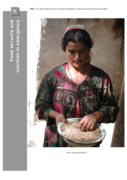
Food Security And Nutrition In Emergency
recommended
Chapter 9: Public health guide for emergencies

Guidelines for WHO Representatives and Country
Offices in the Western Pacific Region

MMWR: Recommendations and Reports / Vol. 62 / No. 9
Morbidity and Mortality Weekly Report
October 25, 2013
Guiding Principles and Recommendations
Safe excreta disposal is a top priority in an emergency, but one that takes time and extensive resources to implement. This Technical Briefing Note examines the use of poo bags for safe excreta containment and disposal in urban emergency settings. The Brief also explores ways of building more comple
...
In this era, grand challenges lies in biodiversity loss, climate change, and global noncommunicable diseases signify that planet and humanity are in crisis. Scholarly evidence from human and animal kingdom suggest that there is an optimism in planetary health which can provide a unique and novel con
...
Briefing Note 8.
Ecosystem-based adaptation (EbA) is a strategy for adapting to the adverse impacts of climate change by harnessing nature and the services it can provide. This strategy is crucial for cities and peri-urban areas, threatened by a multitude of climate hazards and home to more than ha
...
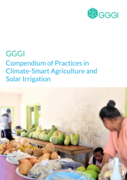
this publication serves as a practical guide and useful resource for practitioners, farmers, scientists, and technicians to better understand the initiative undertaken by GGGI. In this compendium, GGGI provides the latest knowledge and capacity building materials on these topics and offers informati
...
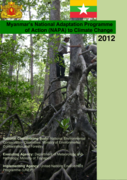
Sectors in which Priority Adaptation Projects should be implemented first include:
- 1) Agriculture, Early Warning Systems and Forest (First Priority Level Sectors). This is followed by:
- 2) Public Health and Water Resources (Second Priority Level Sectors);
- 3) Coastal Zone (Thir ...
- 1) Agriculture, Early Warning Systems and Forest (First Priority Level Sectors). This is followed by:
- 2) Public Health and Water Resources (Second Priority Level Sectors);
- 3) Coastal Zone (Thir ...
(You need free registration to download the book)
Disasters and public health emergencies can stress health care systems to the breaking point and disrupt delivery of vital medical services. During such crises, hospitals and long-term care facilities may be without power; trained staff, ambulances,
...
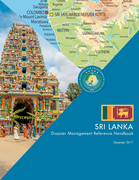
Recently, Sri Lanka has been impacted by multiple natural disasters. Sri Lanka experienced a landslide in October 2014, and flooding in December 2014.8 Sri Lanka withstood the worst drought conditions witnessed in four decades in 2016; the extreme drought conditions extended into 2017 and produced s
...
This manual provides information and guidance for individuals concerned with the mental health needs of children who experience major disasters. This background, training, and experience will vary and may include health and mental health professionals, professional and paraprofessional social servic
...
This reference manual provides in-depth knowledge on the techniques, methodologies and best practices for using geospatial information in support of decision making for disaster risk management for specific hazards
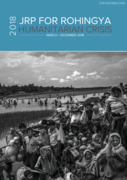
March - December 2018
The Government of Bangladesh has kept its borders open to Rohingya refugees and leads the humanitarian response. The people of Bangladesh continue to show tremendous generosity and hospitality in the face of a massive influx. In keeping with its policies, the Government of Ban
...
