
Filter
1937
Text search:
body
movement
Featured
231
534
Language
1900
38
35
32
22
14
12
10
6
6
5
5
5
5
4
4
4
3
3
3
3
3
3
3
3
3
3
3
2
2
2
2
2
2
2
2
2
2
2
2
2
1
1
1
1
1
1
1
1
1
1
1
1
1
1
1
1
1
1
Document type
1113
283
228
152
61
60
19
9
6
4
2
Countries
117
64
56
51
49
48
44
43
43
39
35
34
33
32
24
24
22
22
21
20
20
19
17
16
15
13
13
12
12
11
11
11
10
10
9
9
9
8
8
8
8
7
7
7
6
6
6
5
5
5
5
5
4
4
4
3
3
3
3
3
3
3
3
3
3
3
2
2
2
2
2
2
2
2
2
2
2
2
2
1
1
1
1
1
1
1
1
1
1
1
1
1
1
1
1
1
1
1
1
1
1
1
1
1
1
1
1
1
1
1
1
1
Authors & Publishers
213
90
55
52
50
47
31
30
26
23
22
15
14
13
13
13
12
12
11
10
10
10
9
8
8
8
7
7
7
6
6
6
6
6
6
6
5
5
5
5
5
5
5
5
5
5
5
5
4
4
4
4
4
4
4
4
4
4
4
4
4
4
4
4
4
4
4
4
4
4
3
3
3
3
3
3
3
3
3
3
3
3
3
3
3
3
3
3
3
3
3
3
3
3
3
3
3
3
3
3
3
3
3
3
3
3
3
3
3
3
3
3
3
3
3
3
3
3
3
3
3
3
2
2
2
2
2
2
2
2
2
2
2
2
2
2
2
2
2
2
2
2
2
2
2
2
2
2
2
2
2
2
2
2
2
2
2
2
2
2
2
2
2
2
2
2
2
2
2
2
2
2
2
2
2
2
2
2
2
2
2
2
2
2
2
2
2
2
2
2
2
2
2
2
2
2
2
2
2
2
2
2
2
2
2
2
2
2
2
2
2
2
2
2
2
2
2
2
2
2
2
2
2
2
2
2
2
2
2
2
2
2
2
2
2
2
2
2
2
2
2
2
2
2
2
2
1
1
1
1
1
1
1
1
1
1
1
1
1
1
1
1
1
1
1
1
1
1
1
1
1
1
1
1
1
1
1
1
1
1
1
1
1
1
1
1
1
1
1
1
1
1
1
1
1
1
1
1
1
1
1
1
1
1
1
1
1
1
1
1
1
1
1
1
1
1
1
1
1
1
1
1
1
1
1
1
1
1
1
1
1
1
1
1
1
1
1
1
1
1
1
1
1
1
1
1
1
1
1
1
1
1
1
1
1
1
1
1
1
1
1
1
1
1
1
1
1
1
1
1
1
1
1
1
1
1
1
1
1
1
1
1
1
1
1
1
1
1
1
1
1
1
1
1
1
1
1
1
1
1
1
1
1
1
1
1
1
1
1
1
1
1
1
1
1
1
1
1
1
1
1
1
1
1
1
1
1
1
1
1
1
1
1
1
1
1
1
1
1
1
1
1
1
1
1
1
1
1
1
1
1
1
1
1
1
1
1
1
1
1
1
1
1
1
1
1
1
1
1
1
1
1
1
1
1
1
1
1
1
1
1
1
1
1
1
1
1
1
1
1
1
1
1
1
1
1
1
1
1
1
1
1
1
1
1
1
1
1
1
1
1
1
1
1
1
1
1
1
1
1
1
1
1
1
1
1
1
1
1
1
1
1
1
1
1
1
1
1
1
1
1
1
1
1
1
1
1
1
1
1
1
1
1
1
1
1
1
1
1
1
1
1
1
1
1
1
1
1
1
1
1
1
1
1
1
1
1
1
1
1
1
1
1
1
1
1
1
1
1
1
1
1
1
1
1
1
1
1
1
1
1
1
1
1
1
1
1
1
1
1
1
1
1
1
1
1
1
1
1
1
1
1
1
1
1
1
1
1
1
1
1
1
1
1
1
1
1
1
1
1
1
1
1
1
1
1
1
1
1
1
1
1
1
1
1
1
1
1
1
1
1
1
1
1
1
1
1
1
1
1
1
1
1
1
1
1
1
1
1
1
1
1
1
1
1
1
1
1
1
1
1
1
1
1
1
1
1
1
1
1
1
1
1
1
1
1
1
1
1
1
1
1
1
1
1
1
1
1
1
1
1
1
1
1
1
1
1
1
1
1
1
1
1
1
1
1
1
1
1
1
1
1
1
1
1
1
1
1
1
1
1
1
1
1
1
1
1
1
1
1
1
1
1
1
1
1
1
1
1
1
1
1
1
1
1
1
1
1
1
1
1
1
1
1
1
1
1
1
1
1
1
1
1
1
1
1
1
1
1
1
1
1
1
1
1
1
1
1
1
1
1
1
1
1
1
1
1
1
1
1
1
1
1
1
1
1
1
1
1
1
1
1
1
1
1
1
1
1
1
1
1
1
1
1
1
1
1
1
1
1
1
1
1
1
1
1
1
1
1
1
1
1
1
1
1
1
1
1
1
1
1
1
1
1
1
1
1
1
1
1
1
1
1
1
1
1
1
1
1
1
1
1
1
1
1
1
1
1
1
1
1
1
1
1
1
1
1
1
1
1
1
1
1
1
1
1
1
1
1
1
1
1
1
1
1
1
1
1
1
1
1
1
1
1
1
1
1
1
1
1
1
1
1
1
1
1
1
1
1
1
1
1
1
1
1
1
1
1
1
1
1
1
1
1
1
1
1
1
1
1
1
1
1
1
1
1
1
1
1
1
1
1
1
1
1
1
1
1
1
1
1
1
1
1
1
1
1
1
1
1
1
1
1
1
1
1
1
1
1
1
1
1
1
1
1
1
1
1
1
1
1
1
1
1
1
1
1
1
1
1
1
1
1
1
1
1
1
1
1
1
1
1
1
1
1
1
1
1
1
1
1
1
1
1
1
1
1
1
1
1
1
1
1
1
1
1
1
1
1
1
1
1
1
1
1
1
1
1
1
1
1
1
1
1
1
1
1
1
1
1
1
1
1
1
1
1
1
1
1
1
1
1
1
1
1
1
1
1
1
1
1
1
1
1
1
1
1
1
1
1
1
1
1
1
1
1
1
1
1
1
1
1
1
1
1
1
1
1
1
1
1
1
1
1
1
1
1
1
1
1
1
1
1
1
1
1
1
1
1
1
1
1
1
1
1
1
1
1
1
1
1
1
1
1
1
1
1
1
1
1
1
1
1
1
1
1
1
1
1
1
1
1
1
1
1
1
1
1
1
1
1
1
1
1
1
1
1
1
1
1
1
1
1
1
1
1
1
1
1
1
1
1
1
1
1
1
1
1
1
1
1
1
1
1
1
1
1
1
1
1
1
1
1
1
1
1
1
1
1
1
1
1
1
1
1
1
1
1
1
1
1
1
1
1
1
1
1
1
1
1
1
1
1
1
1
1
1
1
1
1
1
1
1
1
1
1
1
1
1
1
1
1
1
1
1
1
1
1
1
1
1
1
1
1
1
1
1
1
1
1
1
1
1
1
1
1
1
1
1
1
1
1
1
1
1
1
1
1
1
1
1
1
1
1
1
1
1
1
1
1
1
1
1
1
1
1
1
1
1
1
1
1
1
1
1
1
1
1
1
1
1
1
1
1
1
1
1
1
1
1
1
1
1
1
1
1
1
1
1
1
1
1
1
1
1
1
1
1
1
1
1
1
1
1
1
1
1
1
1
1
1
1
1
1
1
1
1
1
1
1
1
1
1
1
1
1
1
1
1
1
1
1
1
1
1
1
1
1
1
1
1
1
1
1
1
1
1
1
1
1
1
1
1
1
1
1
1
1
1
1
1
1
1
1
1
1
1
1
1
1
1
1
1
1
1
1
1
1
1
1
1
1
1
1
1
1
1
1
1
1
1
1
1
1
1
1
1
1
1
1
1
1
1
1
1
1
1
1
1
1
1
1
1
1
1
1
1
1
1
1
1
1
1
1
1
1
1
1
1
1
1
1
1
1
1
1
1
1
1
1
1
1
1
1
1
1
1
1
1
1
1
1
1
1
1
1
1
1
1
1
1
1
1
1
1
1
1
1
1
1
1
1
1
1
1
1
1
1
1
1
1
1
1
1
1
1
1
1
1
1
1
1
1
1
1
1
1
1
1
1
1
1
1
1
1
1
1
1
1
1
1
1
1
1
1
1
1
1
1
1
1
1
1
1
1
1
1
1
1
1
1
1
1
1
1
1
1
1
1
1
1
1
1
1
1
1
1
1
1
1
1
1
1
1
1
1
1
1
1
1
1
1
1
1
1
1
1
1
1
1
1
1
1
1
1
1
1
1
1
1
1
1
1
1
1
1
1
1
1
1
1
1
1
1
1
1
1
1
1
1
1
1
1
1
1
1
1
1
1
1
1
1
1
1
1
1
1
1
1
1
1
1
1
1
1
1
1
1
1
1
1
1
1
1
1
1
1
1
1
1
1
1
1
1
1
1
1
1
1
1
1
1
1
1
1
1
1
1
1
1
1
1
1
1
1
1
1
1
1
1
1
1
1
1
1
1
1
1
1
Publication Years
468
1192
254
22
1
Category
651
162
155
141
107
53
19
Toolboxes
183
163
149
107
92
71
66
58
55
51
51
38
32
32
31
26
24
24
21
20
15
12
9
8
6
1
Mental Health Promotion. Case Studies from Countries
Shekhar Saxena and Preston J. Garri
World Federation for Mental Health; World Health Organization WHO
(2004)
C_WHO
This report provides a synthesis of some of the most recent, high-quality literature on the security and political processes in Central African Republic produced up to the end of January 2016. It was prepared for the European Union’s Instrument Contributing to Stability and Peace, © European Unio
...
n 2016. The views expressed in this report are those of the author, and do not necessarily reflect the opinions of GSDRC, its partner agencies or the European Commission. This is the second review published by GSDRC on the situation in the Central African Republic. The first review of literature was published in June 2013 and provides a country analysis covering the period 2003-2013. It is available at: http://www.gsdrc.org/docs/open/car_gsdrc2013.pdf.
more
This report serves as a background paper to five short studies Yemeni-international researcher tandems will jointly develop in the course of 2019. It places a particular focus on ‘peace requirements’, a term that seeks to draw attention to the manifold challenges to establishing stab
...
ility and building peace in Yemen and the resulting efforts which will be required. This report analyzes the current situation in Yemen by looking at social structures, current conflict dynamics, the role and situation of state institutions and external factors, and then moves on to focus on what is required to build peace in Yemen. In laying out these peace requirements, the report focuses on the following relevant sectors: economy, politics, culture and society, as well as security and justice. In a last step, it takes a look at the challenges to and capacities of five different actor groups in Yemen to address these needs: civil society, women, youth, the media and the private sector
more
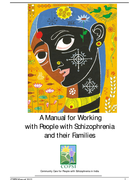
The COPSI project is divided into three phases: the first in which the intervention is developed, the second in which researchers evaluate the intervention in a randomised controlled trial, and the final one in which the results of the trial are analysed and disseminated.
A COPSI resource kit has
...
been developed comprising the COPSI training manual for the community health workers, intervention flip chart, 14 intervention handouts, recovery stories booklet and videos about people with schizophrenia and their families telling their stories of illness and recovery in a deeply personal way.
To access the videos, please click to http://www.sangath.in/copsi/ to watch the video based in Tamil Nadu and to watch the video based in Maharashtra.
more

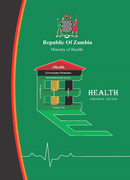
This document has been developed as a guide to allinstitutions producing health care waste in planning and implementation of interventions that will reduce mismanagement of hazardous waste in Zambia.The National Health-Care Waste Management Plan for 2015 to 2019 provides an overv
...
iew of the situation analysis, the proposed activities and the health care facility waste generating processes in Zambia and presents options for minimizing health-care waste generation through source reduction. The hazardous wastes generated by health care facilities are a challenge in Zambia as handling, storage, transportation and final disposal leaves much to be desired.
more
6th edition
IPCC Special Report on Climate Change and Land
recommended
An IPCC special report on climate change, desertification, land degradation, sustainable land management, food security, and greenhouse gas fluxes in terrestrial ecosystems
As more frequent droughts and floods threaten the global food supply, humans are increasing their demands on water and land,
...
The New York Times reports.
Data from the Intergovernmental Panel on Climate Change report:
• 500 million people are living in areas that are becoming desert.
• Soil is depleted at 10X-100X the rate it’s being formed.
• More than 10% of the global population is undernourished.
Major threats include the risk of “multi-breadbasket failure”—simultaneous food crises on several continents—and migration triggered by food shortages.
Good News/Bad News: Catastrophe can be avoided, but it would require massive changes to agriculture, food systems and behavior.
A Key Action: Eat less meat. Cattle production is driving deforestation, consuming huge amounts of water, generating methane and causing other impacts, notes Nature.
more
These guidelines are informed by evidence of ‘what works’ and lessons learned in the field. They are designed to accelerate UNICEF regional and country offices’ programming on social service workforce strengthening, and support work to better plan, develop and support the social services workf
...
orce with national and regional partners.
more
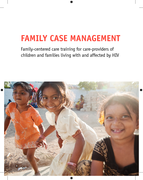
This six-day training is intended for case managers/community health volunteers/field supervisors who help households affected by HIV in India.
The present report, which covers the period from January to December 2018, is submitted pursuant to Security Council resolution 2427 (2018). The preparation of the report involved broad consultations within the United Nations, in the field and at Headquarters, and with relevant Member States. It hig
...
hlights global trends regarding the impact of armed conflict on children and provides information on violations committed from January to December 2018, as well as related protection concerns. Where possible, violations are attributed to parties to conflict and, pursuant to resolutions of the Council, the annexes to the present report include a list of parties that, in violation of international law, engage in the recruitment and use of children, the killing and maiming of children, rape and other forms of sexual violence against children, attacks on schools and/or hospitals and attacks or threats of attacks against protected personnel,1 and the abduction of children.
more
The WHO Toolkit for the care and support of people affected by complications associated with Zika virus has been developed to serve as a model guide, with the goal of enhancing country preparedness for Zika virus outbreaks. The toolkit is intended to provide a systems approach involving public heal
...
th planners and managers so that the necessary infrastructure and resources can be identified and incorporated as needed, as well as technical and practical guidance for health care professionals and community workers.
The toolkit includes three manuals to provide countries with tools to effectively recognize people affected by Zika virus and deliver comprehensive care and support:
Manual for public health planners and managers
Manual for health care professionals
Manual for community workers
more
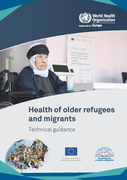
Technical guidance.
This technical guidance aims to inform policy and practice development specifically related to improving the health of older refugees and migrants within the European Union and the larger WHO European Region. Both ageing and migration are in themselves complex multidimensional p
...
rocesses shaped by a range of factors at the micro, meso and macro levels over the life-course of the individual, but also with intertwined trajectories. Relevant areas for policy-making include healthy ageing over the life-course, supportive environments, people-centred health and long-term care services, and strengthening the evidence base and research
more
As of June 2019, the number of Venezuelans leaving their country reached 4 million, with Colombia, Peru, Chile, Ecuador and Brazil hosting the vast majority of Venezuelans in Latin America. The end of the first half of the year was marked by the announcement of tighter immigration measures in Peru
...
and Chile, which triggered a significant peak in flows from Venezuela entering Colombia, Ecuador and Peru. In response to this, UNICEF Country Offices activated contingency measures and capacities for registration and provision of services were rapidly increased, in coordination with relevant authorities, to face the increased demand.
more
The EYE strategy is a comprehensive and long-term strategy built on lessons learned that aims at ending yellow fever epidemics by 2026, and consists of three strategic objectives:
protect at-risk populations;
prevent international spread; and
contain outbreaks rapidly.
African Health Sciences 2013; 13(2): 219 - 232 http://dx.doi.org/10.4314/ahs.v13i2.4
