
Filter
5256
Text search:
individual
rights
Featured
548
1249
Language
5091
160
141
76
74
60
35
25
11
7
7
7
7
6
6
6
6
6
5
5
4
4
4
4
4
4
4
4
4
4
3
3
3
3
3
3
3
3
3
3
3
2
2
2
2
2
2
2
2
2
2
2
1
1
1
1
1
1
1
1
Document type
2611
919
817
422
216
118
95
22
12
11
7
1
1
1
Countries
283
168
124
115
92
87
85
85
81
81
73
72
72
62
56
56
52
51
49
46
44
43
40
39
39
38
33
33
30
30
29
27
22
22
22
22
21
21
20
19
18
17
17
16
15
15
14
14
13
12
12
11
11
11
11
10
10
10
10
9
9
9
9
8
8
8
8
7
7
7
6
6
6
6
5
5
5
5
5
5
4
4
4
4
4
3
3
3
3
3
3
3
3
3
3
3
3
3
3
2
2
2
2
2
2
2
2
2
2
2
2
2
2
2
2
2
2
2
2
1
1
1
1
1
1
1
1
1
1
1
1
1
1
1
1
1
1
1
1
1
1
1
Authors & Publishers
1004
297
156
155
131
113
101
66
61
58
51
44
39
34
31
27
23
23
23
22
20
20
20
20
18
18
17
17
17
16
16
16
15
15
15
15
15
14
14
14
13
13
12
12
12
11
11
11
10
10
10
10
10
10
10
10
10
10
10
10
9
9
9
9
9
9
9
9
9
9
9
9
9
9
9
9
8
8
8
8
8
8
8
8
8
7
7
7
7
7
7
7
7
7
7
7
7
7
7
6
6
6
6
6
6
6
6
6
6
6
6
6
6
5
5
5
5
5
5
5
5
5
5
5
5
5
5
5
5
5
5
5
5
5
5
5
5
5
5
5
5
5
5
5
5
5
5
4
4
4
4
4
4
4
4
4
4
4
4
4
4
4
4
4
4
4
4
4
4
4
4
4
4
4
4
4
4
4
4
4
4
4
4
3
3
3
3
3
3
3
3
3
3
3
3
3
3
3
3
3
3
3
3
3
3
3
3
3
3
3
3
3
3
3
3
3
3
3
3
3
3
3
3
3
3
3
3
3
3
3
3
3
3
3
3
3
3
3
3
3
3
3
3
3
3
3
3
3
3
3
3
3
3
3
3
3
3
2
2
2
2
2
2
2
2
2
2
2
2
2
2
2
2
2
2
2
2
2
2
2
2
2
2
2
2
2
2
2
2
2
2
2
2
2
2
2
2
2
2
2
2
2
2
2
2
2
2
2
2
2
2
2
2
2
2
2
2
2
2
2
2
2
2
2
2
2
2
2
2
2
2
2
2
2
2
2
2
2
2
2
2
2
2
2
2
2
2
2
2
2
2
2
2
2
2
2
2
2
2
2
2
2
2
2
2
2
2
2
2
2
2
2
2
2
2
2
2
2
2
2
2
2
2
2
2
2
2
2
2
2
2
2
2
2
2
2
2
2
2
2
2
2
2
2
2
2
2
2
2
2
2
2
2
2
2
2
2
2
2
2
2
2
2
2
2
2
2
2
2
2
2
2
2
2
2
2
2
2
2
2
2
2
2
2
2
2
2
2
2
2
2
2
2
2
2
2
2
2
2
2
2
2
2
2
2
2
2
2
2
2
2
2
2
2
2
2
2
2
2
2
2
2
2
2
2
2
2
2
2
2
2
2
2
2
2
2
2
2
2
2
2
2
2
2
2
2
2
2
2
2
2
2
2
2
2
2
2
2
2
2
2
2
2
2
2
2
1
1
1
1
1
1
1
1
1
1
1
1
1
1
1
1
1
1
1
1
1
1
1
1
1
1
1
1
1
1
1
1
1
1
1
1
1
1
1
1
1
1
1
1
1
1
1
1
1
1
1
1
1
1
1
1
1
1
1
1
1
1
1
1
1
1
1
1
1
1
1
1
1
1
1
1
1
1
1
1
1
1
1
1
1
1
1
1
1
1
1
1
1
1
1
1
1
1
1
1
1
1
1
1
1
1
1
1
1
1
1
1
1
1
1
1
1
1
1
1
1
1
1
1
1
1
1
1
1
1
1
1
1
1
1
1
1
1
1
1
1
1
1
1
1
1
1
1
1
1
1
1
1
1
1
1
1
1
1
1
1
1
1
1
1
1
1
1
1
1
1
1
1
1
1
1
1
1
1
1
1
1
1
1
1
1
1
1
1
1
1
1
1
1
1
1
1
1
1
1
1
1
1
1
1
1
1
1
1
1
1
1
1
1
1
1
1
1
1
1
1
1
1
1
1
1
1
1
1
1
1
1
1
1
1
1
1
1
1
1
1
1
1
1
1
1
1
1
1
1
1
1
1
1
1
1
1
1
1
1
1
1
1
1
1
1
1
1
1
1
1
1
1
1
1
1
1
1
1
1
1
1
1
1
1
1
1
1
1
1
1
1
1
1
1
1
1
1
1
1
1
1
1
1
1
1
1
1
1
1
1
1
1
1
1
1
1
1
1
1
1
1
1
1
1
1
1
1
1
1
1
1
1
1
1
1
1
1
1
1
1
1
1
1
1
1
1
1
1
1
1
1
1
1
1
1
1
1
1
1
1
1
1
1
1
1
1
1
1
1
1
1
1
1
1
1
1
1
1
1
1
1
1
1
1
1
1
1
1
1
1
1
1
1
1
1
1
1
1
1
1
1
1
1
1
1
1
1
1
1
1
1
1
1
1
1
1
1
1
1
1
1
1
1
1
1
1
1
1
1
1
1
1
1
1
1
1
1
1
1
1
1
1
1
1
1
1
1
1
1
1
1
1
1
1
1
1
1
1
1
1
1
1
1
1
1
1
1
1
1
1
1
1
1
1
1
1
1
1
1
1
1
1
1
1
1
1
1
1
1
1
1
1
1
1
1
1
1
1
1
1
1
1
1
1
1
1
1
1
1
1
1
1
1
1
1
1
1
1
1
1
1
1
1
1
1
1
1
1
1
1
1
1
1
1
1
1
1
1
1
1
1
1
1
1
1
1
1
1
1
1
1
1
1
1
1
1
1
1
1
1
1
1
1
1
1
1
1
1
1
1
1
1
1
1
1
1
1
1
1
1
1
1
1
1
1
1
1
1
1
1
1
1
1
1
1
1
1
1
1
1
1
1
1
1
1
1
1
1
1
1
1
1
1
1
1
1
1
1
1
1
1
1
1
1
1
1
1
1
1
1
1
1
1
1
1
1
1
1
1
1
1
1
1
1
1
1
1
1
1
1
1
1
1
1
1
1
1
1
1
1
1
1
1
1
1
1
1
1
1
1
1
1
1
1
1
1
1
1
1
1
1
1
1
1
1
1
1
1
1
1
1
1
1
1
1
1
1
1
1
1
1
1
1
1
1
1
1
1
1
1
1
1
1
1
1
1
1
1
1
1
1
1
1
1
1
1
1
1
1
1
1
1
1
1
1
1
1
1
1
1
1
1
1
1
1
1
1
1
1
1
1
1
1
1
1
1
1
1
1
1
1
1
1
1
1
1
1
1
1
1
1
1
1
1
1
1
1
1
1
1
1
1
1
1
1
1
1
1
1
1
1
1
1
1
1
1
1
1
1
1
1
1
1
1
1
1
1
1
1
1
1
1
1
1
1
1
1
1
1
1
1
1
1
1
1
1
1
1
1
1
1
1
1
1
1
1
1
1
1
1
1
1
1
1
1
1
1
1
1
1
1
1
1
1
1
1
1
1
1
1
1
1
1
1
1
1
1
1
1
1
1
1
1
1
1
1
1
1
1
1
1
1
1
1
1
1
1
1
1
1
1
1
1
1
1
1
1
1
1
1
1
1
1
1
1
1
1
1
1
1
1
1
1
1
1
1
1
1
1
1
1
1
1
1
1
1
1
1
1
1
1
1
1
1
1
1
1
1
1
1
1
1
1
1
1
1
1
1
1
1
1
1
1
1
1
1
1
1
1
1
1
1
1
1
1
1
1
1
1
1
1
1
1
1
1
1
1
1
1
1
1
1
1
1
1
1
1
1
1
1
1
1
1
1
1
1
1
1
1
1
1
1
1
1
1
1
1
1
1
1
1
1
1
1
1
1
1
1
1
1
1
1
1
1
1
1
1
1
1
1
1
1
1
1
1
1
1
1
1
1
1
1
1
1
1
1
1
1
1
1
1
1
1
1
1
1
1
1
1
1
1
1
1
1
1
1
1
1
1
1
1
1
1
1
1
1
1
1
1
1
1
1
1
1
1
1
1
1
1
1
1
1
1
1
1
1
1
1
1
1
1
1
1
1
1
1
1
1
1
1
1
1
1
1
1
1
1
1
1
1
1
1
1
1
1
1
1
1
1
1
1
1
1
1
1
1
1
1
1
1
1
1
1
1
1
1
1
1
1
1
1
1
1
1
1
1
1
1
1
1
1
1
1
1
1
1
1
1
1
1
1
1
1
1
1
1
1
1
1
1
1
1
1
1
1
1
1
1
1
1
1
1
1
1
1
1
1
1
1
1
1
1
1
1
1
1
1
1
1
1
1
1
1
1
1
1
1
1
1
1
1
1
1
1
1
1
1
1
1
1
1
1
1
1
1
1
1
1
1
1
1
1
1
1
1
1
1
1
1
1
1
1
1
1
1
1
1
1
1
1
1
1
1
1
1
1
1
1
1
1
1
1
1
1
1
1
1
1
1
1
1
1
1
1
1
1
1
1
1
1
1
1
1
1
1
1
1
1
1
1
1
1
1
1
1
1
1
1
1
1
1
1
1
1
1
1
1
1
1
1
1
1
1
1
1
1
1
1
1
1
1
1
1
1
1
1
1
1
1
1
1
1
1
1
1
1
1
1
1
1
1
1
1
1
1
1
1
1
1
1
1
1
1
1
1
1
1
1
1
1
1
1
1
1
1
1
1
1
1
1
1
1
1
1
1
1
1
1
1
1
1
1
1
1
1
1
1
1
1
1
1
1
1
1
1
1
1
1
1
1
1
1
1
1
1
1
1
1
1
1
1
1
1
1
1
1
1
1
1
1
1
1
1
1
1
1
1
1
1
1
1
1
1
1
1
1
1
1
1
1
1
1
1
1
1
1
1
1
1
1
1
1
1
1
1
1
1
1
1
1
1
1
1
1
1
1
1
1
1
1
1
1
1
1
1
1
1
1
1
1
1
1
1
1
1
1
1
1
1
1
1
1
1
1
1
1
1
1
1
1
1
1
1
1
1
1
1
1
1
1
1
1
1
1
1
1
1
1
1
1
1
1
1
1
1
1
1
1
1
1
1
1
1
1
1
1
1
1
1
1
1
1
1
1
1
1
1
1
1
1
1
1
1
1
1
1
1
1
1
1
1
1
1
1
1
1
1
1
1
1
1
1
1
1
1
1
1
1
1
1
1
1
1
1
1
1
1
1
1
1
1
1
1
1
1
1
1
1
1
1
1
1
1
1
1
1
1
1
1
1
1
1
1
1
1
1
1
1
1
1
1
1
1
1
1
1
1
1
1
1
1
1
1
1
1
1
1
1
1
1
1
1
1
1
1
1
1
1
1
1
1
1
1
1
1
1
1
1
1
1
1
1
1
1
1
1
1
1
1
1
1
1
1
1
1
1
1
1
1
1
1
1
1
1
1
1
1
1
1
1
1
1
1
1
1
1
1
1
1
1
1
1
1
1
1
1
1
1
1
1
1
1
1
1
1
1
1
1
1
1
1
1
1
1
1
1
1
1
1
1
1
1
1
1
1
1
1
1
1
1
1
1
1
1
1
1
1
1
1
1
1
1
1
1
1
1
1
1
1
1
1
1
1
1
1
1
1
1
1
1
1
1
1
1
1
1
1
1
1
1
1
1
1
1
1
1
1
1
1
1
1
1
1
1
1
1
1
1
1
1
1
1
1
1
1
1
1
1
1
1
1
1
1
1
1
1
1
1
1
1
1
1
1
1
1
1
1
1
1
1
1
1
1
1
1
1
1
1
1
1
1
1
1
1
1
1
1
1
1
1
1
1
1
1
1
1
1
1
1
1
1
1
1
1
1
1
1
1
1
1
1
1
1
1
1
1
1
1
1
1
1
1
1
1
1
1
1
1
1
1
1
1
1
1
1
1
1
1
1
1
1
1
1
1
1
1
1
1
1
1
1
1
1
1
1
1
1
1
1
1
1
1
1
1
1
1
1
1
1
1
1
1
1
1
1
1
1
1
1
1
1
1
1
1
1
1
1
1
1
1
1
1
1
1
1
1
1
1
1
1
1
1
1
1
1
1
1
1
1
1
1
1
1
1
1
1
1
1
1
1
1
1
1
1
1
1
1
1
1
1
1
1
1
1
1
1
1
1
1
1
1
1
1
1
1
1
1
1
1
1
1
1
1
1
1
1
1
1
1
1
1
1
1
1
1
1
1
1
1
1
1
1
1
1
1
1
1
1
1
1
1
1
1
1
1
1
1
1
1
1
1
1
1
1
1
1
1
1
1
1
1
1
1
1
1
1
1
1
1
1
1
1
1
1
1
1
1
1
1
1
1
1
1
1
1
1
1
1
1
1
1
1
1
1
1
1
1
1
1
1
1
1
1
1
1
1
1
1
1
1
1
1
1
1
1
1
1
1
1
1
1
1
1
1
1
1
1
1
1
1
1
1
1
1
1
1
1
1
1
1
1
1
1
1
1
1
1
1
1
1
1
1
1
1
1
1
1
1
1
1
1
1
1
1
1
1
1
1
1
1
1
1
1
1
1
1
1
1
1
1
1
1
1
1
1
1
1
1
1
1
1
1
1
1
1
1
1
1
1
1
1
1
1
1
1
1
1
1
1
1
1
1
1
1
1
1
1
1
1
1
1
1
1
1
1
1
1
1
1
1
1
1
1
1
1
1
1
1
1
1
1
1
1
1
1
1
1
1
1
1
1
1
1
1
1
1
1
1
1
1
1
1
1
1
1
1
1
1
1
1
1
1
1
1
1
1
1
1
1
1
1
1
1
1
1
1
1
1
1
1
1
1
1
1
1
1
1
1
1
1
1
1
1
1
1
1
1
1
1
1
1
1
1
1
1
1
1
1
1
1
1
1
1
1
1
1
1
1
1
1
1
1
1
1
1
1
1
1
1
1
1
1
1
1
1
1
1
1
1
1
1
1
1
1
1
1
1
1
1
1
1
1
1
1
1
1
1
1
1
1
1
1
1
1
1
1
1
1
1
1
1
1
1
1
1
1
1
1
1
1
1
1
1
1
1
1
1
1
1
1
1
1
1
1
1
1
1
1
1
1
1
1
1
1
1
1
1
1
1
1
1
1
1
1
1
1
1
1
1
1
1
1
1
1
1
1
1
1
1
1
1
1
1
1
1
1
1
1
1
1
1
1
1
1
1
1
1
1
1
1
1
1
1
1
1
1
1
1
1
1
1
1
1
1
1
1
1
1
1
1
1
1
1
1
1
1
1
1
1
1
1
1
1
1
1
1
1
1
1
1
1
1
1
1
1
1
1
1
1
1
1
1
1
1
1
1
1
1
1
1
1
1
1
1
1
1
1
1
1
1
1
1
1
1
1
1
1
1
1
1
1
1
1
1
1
1
1
1
1
1
1
1
1
1
1
1
1
1
1
1
1
1
1
1
1
1
1
1
1
1
1
1
1
1
1
1
1
1
1
1
1
1
1
1
1
1
1
1
1
1
1
1
1
1
1
1
1
1
1
1
1
1
1
1
1
1
1
1
1
1
1
1
1
1
1
1
1
1
1
1
1
1
1
1
1
1
1
1
1
1
1
1
1
1
1
1
1
1
1
1
1
1
1
1
1
1
1
1
1
1
1
1
1
1
1
1
1
1
1
1
1
1
1
1
1
1
1
1
1
1
1
1
1
1
1
1
1
1
1
1
1
1
1
1
1
1
1
1
1
1
1
1
1
1
1
1
1
1
1
1
1
1
1
1
1
1
1
1
1
1
1
1
1
1
1
1
1
1
1
1
1
1
1
1
1
1
1
1
1
1
1
1
1
1
1
1
1
1
1
1
1
1
1
1
1
1
1
1
1
1
1
1
1
1
1
1
1
1
1
1
1
1
1
1
1
1
1
1
1
1
1
1
1
1
1
1
1
1
1
1
1
1
1
1
1
1
1
1
1
1
1
1
1
1
1
1
1
1
1
1
1
1
1
1
1
1
1
1
1
1
1
1
1
1
1
1
1
1
1
1
1
1
1
1
1
1
1
1
1
1
1
1
1
1
1
1
1
1
1
1
1
1
1
1
1
1
1
1
1
1
1
1
1
1
1
1
1
1
1
1
1
1
1
1
1
1
1
1
1
1
1
1
1
1
1
1
1
1
1
1
1
1
1
1
1
1
1
1
1
1
1
1
1
1
1
1
1
1
1
1
1
1
1
1
1
1
1
1
1
1
1
1
1
1
1
1
1
1
1
1
1
1
1
1
1
1
1
1
1
1
1
1
1
1
1
1
1
1
1
1
1
1
1
1
1
1
1
1
1
1
1
1
1
1
1
1
1
1
1
1
1
1
1
1
1
1
1
1
1
1
1
1
1
1
1
1
1
1
1
1
1
1
1
1
1
1
1
1
1
1
1
1
1
1
1
1
1
1
1
1
1
1
1
1
1
1
1
1
1
1
1
1
1
1
1
1
1
1
1
1
1
1
1
1
1
1
1
1
1
1
1
1
1
1
1
1
1
1
1
1
1
1
1
1
1
1
1
1
1
1
1
1
1
1
1
1
1
1
1
1
1
1
1
1
1
1
1
Publication Years
1
1738
2956
525
31
2
1
2
Category
1535
412
411
386
334
142
69
3
Toolboxes
531
431
392
220
202
201
196
174
168
140
125
114
108
86
83
83
81
70
65
61
57
29
27
21
21
2
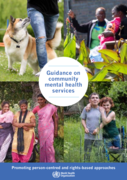
The WHO Guidance on community mental health services: Promoting person-centred and rights-based approaches document is part of the WHO Guidance and technical packages on community mental health services set of publications. It provides a detailed de
...
scription of person-centred and human rights-based approaches in mental health, and summary examples of good practice services around the world. It describes the linkages needed with housing, education, employment and social protection sectors, and presents examples of integrated regional and national networks of community-based mental health services. Specific recommendations and action steps are presented for developing community mental health services that respect human rights and focus on recovery. This comprehensive document is accompanied by a set of seven technical packages focused on specific categories of mental health services and guidance for setting up new services.
The WHO Guidance on community mental health services: Promoting person-centred and rights-based approaches is a set of publications that provides information and support to all stakeholders who wish to develop or transform their mental health system and services to align with international human rights standards including the UN Convention on the Rights of Persons with Disabilities.
more
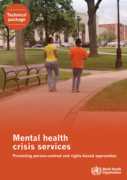
The WHO Guidance on community mental health services: Promoting person-centred and rights-based approaches document is part of the WHO Guidance and technical packages on community mental health services set of publications. It provides a detailed de
...
scription of person-centred and human rights-based approaches in mental health, and summary examples of good practice services around the world. It describes the linkages needed with housing, education, employment and social protection sectors, and presents examples of integrated regional and national networks of community-based mental health services. Specific recommendations and action steps are presented for developing community mental health services that respect human rights and focus on recovery. This comprehensive document is accompanied by a set of seven technical packages focused on specific categories of mental health services and guidance for setting up new services.
The WHO Guidance on community mental health services: Promoting person-centred and rights-based approaches is a set of publications that provides information and support to all stakeholders who wish to develop or transform their mental health system and services to align with international human rights standards including the UN Convention on the Rights of Persons with Disabilities.
more
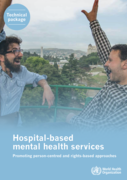
The WHO Guidance on community mental health services: Promoting person-centred and rights-based approaches document is part of the WHO Guidance and technical packages on community mental health services set of publications. It provides a detailed de
...
scription of person-centred and human rights-based approaches in mental health, and summary examples of good practice services around the world. It describes the linkages needed with housing, education, employment and social protection sectors, and presents examples of integrated regional and national networks of community-based mental health services. Specific recommendations and action steps are presented for developing community mental health services that respect human rights and focus on recovery. This comprehensive document is accompanied by a set of seven technical packages focused on specific categories of mental health services and guidance for setting up new services.
The WHO Guidance on community mental health services: Promoting person-centred and rights-based approaches is a set of publications that provides information and support to all stakeholders who wish to develop or transform their mental health system and services to align with international human rights standards including the UN Convention on the Rights of Persons with Disabilities.
more
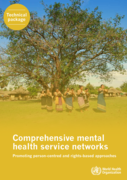
The WHO Guidance on community mental health services: Promoting person-centred and rights-based approaches document is part of the WHO Guidance and technical packages on community mental health services set of publications. It provides a detailed de
...
scription of person-centred and human rights-based approaches in mental health, and summary examples of good practice services around the world. It describes the linkages needed with housing, education, employment and social protection sectors, and presents examples of integrated regional and national networks of community-based mental health services. Specific recommendations and action steps are presented for developing community mental health services that respect human rights and focus on recovery. This comprehensive document is accompanied by a set of seven technical packages focused on specific categories of mental health services and guidance for setting up new services.
The WHO Guidance on community mental health services: Promoting person-centred and rights-based approaches is a set of publications that provides information and support to all stakeholders who wish to develop or transform their mental health system and services to align with international human rights standards including the UN Convention on the Rights of Persons with Disabilities.
more
The WHO Guidance on community mental health services: Promoting person-centred and rights-based approaches document is part of the WHO Guidance and technical packages on community mental health services set of publications. It provides a detailed de
...
scription of person-centred and human rights-based approaches in mental health, and summary examples of good practice services around the world. It describes the linkages needed with housing, education, employment and social protection sectors, and presents examples of integrated regional and national networks of community-based mental health services. Specific recommendations and action steps are presented for developing community mental health services that respect human rights and focus on recovery. This comprehensive document is accompanied by a set of seven technical packages focused on specific categories of mental health services and guidance for setting up new services.
The WHO Guidance on community mental health services: Promoting person-centred and rights-based approaches is a set of publications that provides information and support to all stakeholders who wish to develop or transform their mental health system and services to align with international human rights standards including the UN Convention on the Rights of Persons with Disabilities.
more
The WHO Guidance on community mental health services: Promoting person-centred and rights-based approaches document is part of the WHO Guidance and technical packages on community mental health services set of publications. It provides a detailed de
...
scription of person-centred and human rights-based approaches in mental health, and summary examples of good practice services around the world. It describes the linkages needed with housing, education, employment and social protection sectors, and presents examples of integrated regional and national networks of community-based mental health services. Specific recommendations and action steps are presented for developing community mental health services that respect human rights and focus on recovery. This comprehensive document is accompanied by a set of seven technical packages focused on specific categories of mental health services and guidance for setting up new services.
The WHO Guidance on community mental health services: Promoting person-centred and rights-based approaches is a set of publications that provides information and support to all stakeholders who wish to develop or transform their mental health system and services to align with international human rights standards including the UN Convention on the Rights of Persons with Disabilities.
more
The WHO Guidance on community mental health services: Promoting person-centred and rights-based approaches document is part of the WHO Guidance and technical packages on community mental health services set of publications. It provides a detailed de
...
scription of person-centred and human rights-based approaches in mental health, and summary examples of good practice services around the world. It describes the linkages needed with housing, education, employment and social protection sectors, and presents examples of integrated regional and national networks of community-based mental health services. Specific recommendations and action steps are presented for developing community mental health services that respect human rights and focus on recovery. This comprehensive document is accompanied by a set of seven technical packages focused on specific categories of mental health services and guidance for setting up new services.
The WHO Guidance on community mental health services: Promoting person-centred and rights-based approaches is a set of publications that provides information and support to all stakeholders who wish to develop or transform their mental health system and services to align with international human rights standards including the UN Convention on the Rights of Persons with Disabilities.
more
The WHO Guidance on community mental health services: Promoting person-centred and rights-based approaches document is part of the WHO Guidance and technical packages on community mental health services set of publications. It provides a detailed de
...
scription of person-centred and human rights-based approaches in mental health, and summary examples of good practice services around the world. It describes the linkages needed with housing, education, employment and social protection sectors, and presents examples of integrated regional and national networks of community-based mental health services. Specific recommendations and action steps are presented for developing community mental health services that respect human rights and focus on recovery. This comprehensive document is accompanied by a set of seven technical packages focused on specific categories of mental health services and guidance for setting up new services.
The WHO Guidance on community mental health services: Promoting person-centred and rights-based approaches is a set of publications that provides information and support to all stakeholders who wish to develop or transform their mental health system and services to align with international human rights standards including the UN Convention on the Rights of Persons with Disabilities.
more
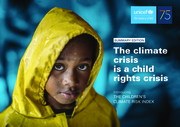
Young people living in the Central African Republic, Chad, Nigeria, Guinea, and Guinea-Bissau are the most at risk of the impacts of climate change, threatening their health, education, and protection, and exposing them to deadly diseases. The report is the first comprehensive analysis of climate ri
...
sk from a child’s perspective. It ranks countries based on children’s exposure to climate and environmental shocks, such as cyclones and heatwaves, as well as their vulnerability to those shocks, based on their access to essential services.
Additional translations of the Executive Summary are available in the following languages, with thanks to Climate Cardinals: English, French, Arabic, Hausa, Portuguese, Spanish, Somali, Yoruba
more
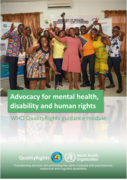
The QualityRights training and orientation modules have been developed to enhance the knowledge, skills and understanding of key stakeholders on how to promote the rights of people with psychosocial, intellectual or cognitive disabilities, improve t
...
he quality of services and support provided in the field of mental health and related areas, in line with international human rights standards, in particular the UN Convention on the Rights of Persons with Disabilities and the recovery approach.
mental health and related fields, in accordance with international human rights standards, in particular the UN Convention on the Rights of Persons with Disabilities and the recovery approach.
more

WHO-OHCHR launch new guidance to improve laws addressing human rights abuses in mental health care
Ahead of World Mental Health Day, the World Health Organization (WHO) and the Office of the High Commissioner on Human
...
Rights (OHCHR) are jointly launching a new guidance, entitled "Mental health, human rights and legislation: guidance and practice", to support countries to reform legislation in order to end human rights abuses and increase access to quality mental health care.
Human rights abuses and coercive practices in mental health care, supported by existing legislation and policies, are still far too common. Involuntary hospitalization and treatment, unsanitary living conditions and physical, psychological, and emotional abuse characterize many mental health services across the world.
more

The Global Movement for Mental Health has brought renewed attention to the neglect of people with mental illness within health policy worldwide. The maltreatment of the mentally ill in many low-income countries is widely reported within psychiatric hospitals, informal healing centres, and family hom
...
es. International agencies have called for the development of legislation and policy to address these abuses. However such initiatives exemplify a top-down approach to promoting human rights which historically has had limited impact at the level of those living with mental illness and their families.
more
This checklist covers five areas of competence needed by health care providers to provide quality of care in contraceptive information and services including: respecting users’ privacy and guaranteeing contfidentiality, choice, accessible and acceptable services, involvement of users in improving
...
services and fostering continuity of care and follow-up.
more

The aim of the WHO QualityRights tool kit is to support countries in assessing and
improving the quality and human rights of their mental health and social care facilities.
The tool kit is based on an extensive international review by people with
...
mental disabilities
and their organizations. It has been pilot-tested in low-, middle- and high-income
countries and is designed to be applied in all of these resource settings.
In this tool kit, the term ‘people with mental disabilities’ can include those with mental,
neurological or intellectual impairments and those with substance use disorders.
more
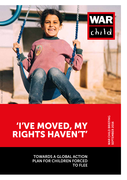
War child: "I´ve moved, my rights haven't" (Towards a global action plan for children forced to flee)
recommended
We live in a world in which 28 million children have been driven from their
homes as a result of conflict, persecution and insecurity¹. If current trends
continue, more than 63 million children could be forced to flee by 2025², of
which over 25 million will cross borders and become refugees. At
...
least
300,000 of these child refugees will end up alone, separated from their
families³. Without a step-change in the provision of education for refugee
children, at least 12 million of them will be out of school by 2025⁴.
more

Claritas Journal of Dialogue and Culture, Vol. 5, No. 2 (October 2016)
53–54 © 2016
Minneapolis: Fortress Press, 2014. Pp. 166. $28.64

This document provides an overview of sexual and reproductive health and rights issues that may be important for the human rights, health and well-being of adolescents (aged 10–19 years) and the r
...
elevant World Health Organization (WHO) guidelines on how to address them in an easilyaccessible, user-friendly format. The document serves as a gateway to the rich body of WHO guidelines, and as a handy resource to inform advocacy, policy and programme/project design and research. It aims to support the implementation of the Global Strategy for Women’s, Children’s and Adolescents’ Health 2016–2030 (1), and is aligned with the WHO Global Accelerated Action for the Health of Adolescents (AA-HA!) as well as the WHO Operational Framework on Sexual Health and Its Linkages to Reproductive Health (2,3).
more
