
Filter
1386
Text search:
medical
curriculum
Featured
86
416
Language
Document type
865
166
130
95
60
48
12
5
3
1
1
Countries
87
73
46
44
38
34
31
31
30
30
30
29
28
28
28
26
22
20
17
17
15
14
14
13
13
12
11
10
10
10
9
9
8
8
8
8
7
7
6
6
6
6
6
6
5
5
5
5
4
3
3
3
3
3
3
3
2
2
2
2
2
2
2
2
2
1
1
1
1
1
1
1
1
1
1
1
1
1
1
1
1
1
1
1
1
1
1
1
1
1
1
1
1
1
1
1
1
1
Authors & Publishers
Publication Years
Category
665
114
77
74
67
61
5
Toolboxes
133
100
79
54
37
34
32
26
25
25
24
22
18
18
14
13
12
9
9
8
6
3
3
1
1

Le NCPI a été rempli au cours du 1er trimestre 2014 par une équipe technique de 17 personnes responsabilisées en sous-groupes pour les parties A, B et UA. Les réponses aux différentes questions se sont référées à celles de NCPI de 2012 pour permettre une meilleure logique. La responsabilit
...
The Libyan national action plan has been aligned with WHO five objectives. Analysis of the current situation and addressing the gaps and the needs to reach the main goal “one health” approach involves several national sectors and actors, including human and veterinary health, agriculture and foo
...

WHO's Department for HIV, Tuberculosis, Hepatitis and Sexually Transmitted Infections (STIs) has consolidated all existing normative guidance on STIs into a single publication. Structured around 10 chapters that follow the STI prevention and care cascade, the handbook covers primary prevention, synd
...
COVID-19 has turned the world upside down. Everything has been impacted. How we live and interact with each other, how we work and communicate, how we move around and travel. Every aspect of our lives has been affected.
South Africa reported it fist case of COVID-19 on 5 March 2020. While the first cases were imported, local transmission has led to a rapid increase in the number of cases. As of 21 April 2020, more than 3,400 cases and 58 deaths had been confirmed. On 15 March, President Cyril Ramaphosa declared a n
...
Despite the increasing population of refugees stuck in protracted situations and our awareness of the vulnerability of children and adolescents growing in up these contexts, relatively little is known about community based child protection mechanisms (CBCPMs) in refugee communities. CBCPMs, defined
...
Early Childhood Matters is a journal about early childhood.
It looks at specific issues regarding the development
of young children, in particular from a psychosocial
perspective.
It is published twice per year by the Bernard
van Leer Foundation. The views expressed in Early Childhood
Matters
...

The education sector forms an important part of the child protection response in refugee settings, and UNHCR’s Education Strategy (2012-16) reflects a focus on refugee education as a core component of UNHCR’s protection mandate. The right to education for all children also forms part of the Unit
...
This paper poses two applications of Catholic social teaching’s concepts of subsidiarity and participation to academic community engagement. The first pertains to the very general use of the term community. The second refers to a distinction between reciprocity and collaboration.
...

The purpose of this document is to present and promote the minimum requirements for IPC programmes at the national and health care facility level, identified by expert consensus according to available evidence and in the context of the WHO core components.
The minimum requirements are defined as: I
...
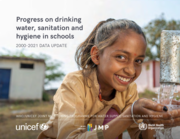
Special Focus on COVID-19
The report provides updated estimates for drinking water, sanitation and hygiene in schools including progress from 2015 to 2019. It highlights the rapid improvement needed to ensure students have access to handwashing facilities with soap and water during the COVID-19 pan
...

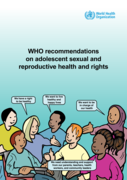
This document provides an overview of sexual and reproductive health and rights issues that may be important for the human rights, health and well-being of adolescents (aged 10–19 years) and the relevant World Health Organization (WHO) guidelines on how to address them in an easilyaccessible, user
...
Framework for Action
Manuel d’orientation
Recommandations concernant l’utilisation de méthodes
contraceptives par les femmes exposées à un risque
élevé d’infection par le VIH
Non-Communicable Diseases (NCDs) are a worldwide epidemic. Particularly, the most common diseases - Cardiovascular diseases, Chronic Obstructive Pulmonary Diseases (COPD), Chronic Kidney Diseases, Cancer, Diabetes, injuries and disabilities, EMT, oral, eye g
...

Namibia is no exception to the growingglobal concern on the increasing burden of NCDs. Namibia is an upper middle income country with fast economic growth since independence in 1990. The country is bearing the double burden of communicable and noncommunicable diseases and rapid urbanizat
...
There is a crucial need to initiate and sustain fistula programs that increase access and strengthen the capacity of the health care system to provide high quality services for repair and care of women living with female genital fistula. Therefore, it is important to pay particular attention to the
...
According to the Report, cascading and interlinked crises are putting the 2030 Agenda for Sustainable Development in grave danger, along with humanity’s very own survival. The Report highlights the severity and magnitude of the challenges before us. The confluence of crises, dominated by COVID-19,
...
