Filter
1563
Filtered Results: 1563
Text search:
Best
Care
Always
South
Africa
Featured
Recommendations
160
New Publications
342
Language
Document type
No document type
879
Studies & Reports
262
Guidelines
202
Manuals
124
Strategic & Response Plan
38
Training Material
35
Fact sheets
9
Situation Updates
5
Resource Platforms
3
Brochures
2
Dashboards/Maps
1
App
1
Infographics
1
Online Courses
1
Countries / Regions
South Africa
101
Global
84
Africa
41
Nigeria
37
India
35
Kenya
33
Uganda
32
Sierra Leone
31
Ghana
27
Tanzania
23
Malawi
22
Liberia
22
Ethiopia
21
Rwanda
19
Zambia
19
Nepal
18
Namibia
17
Bangladesh
14
Lesotho
13
Syria
13
Congo, Democratic Republic of
12
Mozambique
10
South Sudan
10
Cameroon
9
Zimbabwe
9
Western and Central Europe
9
Guinea
8
Latin America and the Carribbean
8
East and Southern Africa
8
Botswana
8
West and Central Africa
7
Indonesia
7
Myanmar / Burma
7
China
6
Senegal
6
Cambodia
6
Asia
6
Vietnam
6
Eswatini/ Swaziland
6
Thailand
5
Middle East and North Africa
5
South–East Asia Region
5
Southern Africa
5
Brazil
5
Yemen
5
Burkina Faso
4
Germany
4
Lebanon
4
Central African Republic
4
Colombia
3
Ukraine
3
Laos
3
Philippines
3
Haiti
3
Eastern Europe
3
Sri Lanka
3
North Macedonia
2
Mexico
2
Serbia
2
Afghanistan
2
Peru
2
Morocco
2
Jordan
2
Western Pacific Region
2
Eastern Europe and Central Asia
2
Gabon
2
Portugal
2
Sudan
2
Iraq
2
Somalia
2
Madagascar
2
Pakistan
2
Tajikistan
1
Timor Leste/ East Timor
1
Turkey
1
Benin
1
Iran
1
Albania
1
Canada
1
Estonia
1
Kyrgyzstan
1
Niger
1
Malaysia
1
Qatar
1
USA
1
Hungary
1
North America
1
Turkmenistan
1
Jamaica
1
Japan
1
France
1
Mauritius
1
Tunisia
1
United Kingdom
1
Norway
1
Spain
1
Côte d’Ivoire / Ivory Coast
1
Argentina
1
Moldova
1
Russia
1
Egypt
1
Palestine
1
Georgia
1
Mali
1
Angola
1
Chad
1
Ecuador
1
Authors & Publishers
Publication Years
Category
Countries
407
Clinical Guidelines
164
Women & Child Health
124
Key Resources
120
Public Health
112
Capacity Building
54
Pharmacy & Technologies
20
Toolboxes
HIV
178
Mental Health
128
TB
101
Disability
101
COVID-19
81
Planetary Health
50
Caregiver
45
Refugee
43
Global Health Education
43
AMR
43
Ebola & Marburg
41
NTDs
40
Conflict
34
Malaria
28
Rapid Response
27
Pharmacy
24
NCDs
22
Natural Hazards
19
2.0 Rapid Response
19
Health Financing Toolbox
18
Social Ethics
17
Cholera
12
Specific Hazards
10
Zika
7
Polio
5
Typhoon
1

This document aims to assist countries to take the first step towards better considering gender and equity issues in their efforts to tackle antimicrobial resistance (AMR), to inform the implementation of strategies in national action plans and contribute to improved reach and effectiveness of AMR e...
Guidelines for national programmes and other stakeholders, for annexes see http://www.who.int/tb/publications/2012/tb_hiv_policy_9789241503006/en/
There is a substantial and ever-increasing unmet need for rehabilitation worldwide, which is particularly profound in low- and middle
-income countries. The availability of accessible and affordable rehabilitation is necessary for many people with health conditions to remain as independent as possi...
At the World Humanitarian Summit in Istanbul in May 2016, leaders made over 3,700 commitments to advance the Agenda for Humanity. In their first self-reports against these commitments, 142 stakeholders described the efforts they made from June to December 2016 to realize this ambitious vision.
The ...
The WHO Guidance on community mental health services: Promoting person-centred and rights-based approaches document is part of the WHO Guidance and technical packages on community mental health services set of publications. It provides a detailed description of person-centred and human rights-based ...
The WHO Guidance on community mental health services: Promoting person-centred and rights-based approaches document is part of the WHO Guidance and technical packages on community mental health services set of publications. It provides a detailed description of person-centred and human rights-based ...

The study on refugee economies shows that refugees and former refugees are contributing positively to Zambia’s economy in various ways and have the potential to contribute even further if legal and other obstacles are removed.
The study targeted mainly Congolese, Burundian, Somali, and Rwandan re...
The Education 2030 Incheon Declaration and Framework for Action specifies that the mandate of the Global Education Monitoring Report is to be ‘the mechanism for monitoring and reporting on SDG 4 and on education in the other SDGs’ with the responsibility to ‘report on the implementation of nat...
Psoriasis, which can involve the skin, nails and joints, is a chronic, painful, disfiguring and disabling noncommunicable disease (NCD) for which there is no cure. It negatively impacts on quality of life. Some of those who suffer from the disease develop chronic, inflammatory arthritis (psoriatic a...
International Perspectives and Future Directions
Updated 20 Nov. 2020
Countries can use this checklist of hospital governance, structures, plans and protocols to rapidly determine the current capacities of hospitals to respond to the COVID-19 pandemic and to identify gaps and major areas that require investment and action for the development of h...
On 9 February 2021, a first webinar entitled “Expanding our understanding of Post COVID-19 condition” was held under the auspices of WHO and in consultation with the International Severe Acute Respiratory and Emerging Infection Consortium(ISARIC), Global Research Collaboration for Infectious Dis...
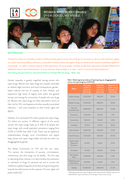
Accessed: 07.11.2019
Tuberculosis Infection Control Guidelines
recommended
Second Edition
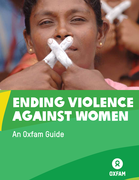
What is Violence Against Women? Why does it happen? What does it have to do with development? What does Oxfam do to end violence against women? What does it mean to do that work with a transformative approach?
Available in: English, Arabic, French, Spanish: https://policy-practice.oxfam.org.uk/publ...