
Filter
1788
Text search:
Coping
Featured
182
412
Language
1692
42
35
31
26
17
9
9
7
6
5
4
4
4
4
4
4
4
4
3
3
3
3
3
2
2
2
2
2
2
2
2
2
2
2
2
2
2
2
1
1
1
1
1
1
1
1
1
1
1
1
1
1
1
Document type
1002
290
170
133
66
49
28
21
14
9
3
3
Countries
79
77
59
50
45
33
33
33
32
31
30
26
26
25
24
24
19
19
18
16
15
14
13
13
13
12
12
12
11
10
10
9
9
9
9
8
8
8
8
8
8
8
8
8
8
8
7
7
6
5
5
5
5
5
5
5
5
4
4
4
4
4
4
4
4
4
3
3
3
3
3
3
3
2
2
2
2
2
2
2
2
2
2
2
2
2
2
1
1
1
1
1
1
1
1
1
1
1
1
1
1
1
1
1
1
1
1
1
1
1
1
1
Authors & Publishers
118
67
56
44
38
34
32
29
26
26
24
21
17
17
15
15
15
14
14
13
11
11
10
10
10
10
10
9
9
9
8
8
8
8
7
7
7
6
6
6
6
6
6
6
6
6
5
5
5
5
5
5
5
5
5
5
4
4
4
4
4
4
4
4
4
4
4
4
4
4
4
4
4
4
4
4
4
4
4
4
4
4
4
4
3
3
3
3
3
3
3
3
3
3
3
3
3
3
3
3
3
3
3
3
3
3
3
3
3
3
3
3
3
3
3
3
3
3
3
3
3
3
3
3
3
2
2
2
2
2
2
2
2
2
2
2
2
2
2
2
2
2
2
2
2
2
2
2
2
2
2
2
2
2
2
2
2
2
2
2
2
2
2
2
2
2
2
2
2
2
2
2
2
2
2
2
2
2
2
2
2
2
2
2
2
2
2
2
2
2
2
2
2
2
2
2
2
2
2
2
2
2
2
2
2
2
2
2
2
2
2
2
2
2
2
2
2
2
2
2
2
2
2
2
2
2
2
2
2
2
2
2
2
2
2
2
2
2
2
2
2
2
2
2
2
2
2
2
2
2
2
1
1
1
1
1
1
1
1
1
1
1
1
1
1
1
1
1
1
1
1
1
1
1
1
1
1
1
1
1
1
1
1
1
1
1
1
1
1
1
1
1
1
1
1
1
1
1
1
1
1
1
1
1
1
1
1
1
1
1
1
1
1
1
1
1
1
1
1
1
1
1
1
1
1
1
1
1
1
1
1
1
1
1
1
1
1
1
1
1
1
1
1
1
1
1
1
1
1
1
1
1
1
1
1
1
1
1
1
1
1
1
1
1
1
1
1
1
1
1
1
1
1
1
1
1
1
1
1
1
1
1
1
1
1
1
1
1
1
1
1
1
1
1
1
1
1
1
1
1
1
1
1
1
1
1
1
1
1
1
1
1
1
1
1
1
1
1
1
1
1
1
1
1
1
1
1
1
1
1
1
1
1
1
1
1
1
1
1
1
1
1
1
1
1
1
1
1
1
1
1
1
1
1
1
1
1
1
1
1
1
1
1
1
1
1
1
1
1
1
1
1
1
1
1
1
1
1
1
1
1
1
1
1
1
1
1
1
1
1
1
1
1
1
1
1
1
1
1
1
1
1
1
1
1
1
1
1
1
1
1
1
1
1
1
1
1
1
1
1
1
1
1
1
1
1
1
1
1
1
1
1
1
1
1
1
1
1
1
1
1
1
1
1
1
1
1
1
1
1
1
1
1
1
1
1
1
1
1
1
1
1
1
1
1
1
1
1
1
1
1
1
1
1
1
1
1
1
1
1
1
1
1
1
1
1
1
1
1
1
1
1
1
1
1
1
1
1
1
1
1
1
1
1
1
1
1
1
1
1
1
1
1
1
1
1
1
1
1
1
1
1
1
1
1
1
1
1
1
1
1
1
1
1
1
1
1
1
1
1
1
1
1
1
1
1
1
1
1
1
1
1
1
1
1
1
1
1
1
1
1
1
1
1
1
1
1
1
1
1
1
1
1
1
1
1
1
1
1
1
1
1
1
1
1
1
1
1
1
1
1
1
1
1
1
1
1
1
1
1
1
1
1
1
1
1
1
1
1
1
1
1
1
1
1
1
1
1
1
1
1
1
1
1
1
1
1
1
1
1
1
1
1
1
1
1
1
1
1
1
1
1
1
1
1
1
1
1
1
1
1
1
1
1
1
1
1
1
1
1
1
1
1
1
1
1
1
1
1
1
1
1
1
1
1
1
1
1
1
1
1
1
1
1
1
1
1
1
1
1
1
1
1
1
1
1
1
1
1
1
1
1
1
1
1
1
1
1
1
1
1
1
1
1
1
1
1
1
1
1
1
1
1
1
1
1
1
1
1
1
1
1
1
1
1
1
1
1
1
1
1
1
1
1
1
1
1
1
1
1
1
1
1
1
1
1
1
1
1
1
1
1
1
1
1
1
1
1
1
1
1
1
1
1
1
1
1
1
1
1
1
1
1
1
1
1
1
1
1
1
1
1
1
1
1
1
1
1
1
1
1
1
1
1
1
1
1
1
1
1
1
1
1
1
1
1
1
1
1
1
1
1
1
1
1
1
1
1
1
1
1
1
1
1
1
1
1
1
1
1
1
1
1
1
1
1
1
1
1
1
1
1
1
1
1
1
1
1
1
1
1
1
1
1
1
1
1
1
1
1
1
1
1
1
1
1
1
1
1
1
1
1
1
1
1
1
1
1
1
1
1
1
1
1
1
1
1
1
1
1
1
1
1
1
1
1
1
1
1
1
1
1
1
1
1
1
1
1
1
1
1
1
1
1
1
1
1
1
1
1
1
1
1
1
1
1
1
1
1
1
1
1
1
1
1
1
1
1
1
1
1
1
1
1
1
1
1
1
1
1
1
1
1
1
1
1
1
1
1
1
1
1
1
1
1
1
1
1
1
1
1
1
1
1
1
1
1
1
1
1
1
1
1
1
1
1
1
1
1
1
1
1
1
1
1
1
1
1
1
1
1
1
1
1
1
1
1
1
1
1
1
1
1
1
1
1
1
1
1
1
1
1
1
1
1
1
1
1
1
1
1
1
1
1
1
1
1
1
1
1
1
1
1
1
1
1
1
1
1
1
1
1
1
1
1
1
1
1
1
1
1
1
1
1
1
1
1
1
1
1
1
1
1
1
1
1
1
1
1
1
1
1
1
1
1
1
1
1
1
1
1
1
1
1
1
1
1
1
1
1
1
1
1
1
1
1
1
1
1
1
1
1
1
1
1
1
1
1
1
1
1
1
1
1
1
1
1
1
1
1
1
1
1
1
1
1
1
1
1
1
1
1
1
1
1
1
1
1
1
1
1
1
1
1
1
1
1
1
1
1
1
1
1
1
1
1
1
1
1
1
1
1
1
1
1
1
1
1
1
1
1
1
1
1
1
1
1
1
1
1
1
1
1
1
1
1
1
1
1
1
1
1
1
1
1
1
1
1
1
1
1
1
1
1
1
1
1
1
1
1
1
1
1
1
1
1
1
1
1
1
1
1
1
1
1
1
1
1
1
1
1
1
1
1
1
1
1
1
1
1
1
1
1
1
1
1
1
1
1
1
1
1
1
1
1
1
1
1
1
1
1
1
1
1
1
1
1
1
1
1
1
1
1
1
1
1
1
1
1
1
1
1
1
1
1
1
1
1
1
1
1
1
1
1
1
1
1
1
1
1
1
1
1
1
1
1
1
1
1
1
1
1
1
1
1
1
1
1
1
1
1
1
1
1
1
1
1
1
1
1
1
1
1
1
1
1
1
1
1
1
1
1
1
1
1
1
1
1
1
1
1
1
1
1
1
1
1
1
1
1
1
1
1
1
1
1
1
1
1
1
1
1
1
1
1
1
1
1
1
1
1
1
1
1
1
1
1
1
1
1
1
1
1
1
1
1
1
1
1
1
1
1
1
1
1
1
1
1
1
1
1
1
1
1
1
1
1
1
1
1
1
1
1
1
1
1
1
1
1
1
1
1
1
1
1
1
1
1
1
1
1
1
1
1
1
1
1
1
1
1
1
1
1
1
1
1
1
1
1
1
1
1
1
1
1
1
1
1
1
1
1
1
1
1
1
1
1
1
1
1
1
1
1
1
1
1
1
1
1
1
1
1
1
1
1
1
1
1
1
1
1
1
1
1
1
1
1
1
1
1
1
1
1
1
1
1
1
1
1
1
1
1
1
1
1
1
1
1
1
1
1
1
1
1
1
1
1
1
1
1
1
1
1
1
1
1
1
1
1
1
1
1
1
1
1
1
1
1
1
1
1
1
1
1
1
1
1
1
1
Publication Years
545
1066
173
4
Category
560
179
77
68
64
48
1
1
Toolboxes
406
202
145
91
77
69
62
55
46
44
28
26
22
18
15
14
11
8
6
5
5
5
5
2
2
1
Cognitive and psychosocial interventions
World Health Organization
(2012)
C_WHO
Q5: For people with dementia, which cognitive/psychosocial interventions (such as cognitive stimulation, cognitive rehabilitation, reality orientation, reminiscence therapy) when compared to placebo/comparator produce benefits/harm in the specified outcomes?
16-17 march 2015, Geneva, Switzerland
Meeting report
Areas for action include: increasing prioritisation and awareness of dementia; reducing the risk of dementia; diagnosis, treatment and care; support for dementia carers; strengthening information systems for dementia; and research and innovation.
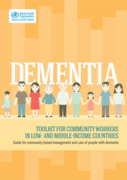
Guide for community-based management and care of people with dementia
Version 1.0
Mental Health and Substance Abuse
Division of NCD and Health through the Life-Course
World Health Organization Regional Office for the Western Pacific
Epilepsy - A manual for Medical and Clinical Officers in Africa
International League Against Epilepsy; World Health Organization; International Bureau for Epilepsy
(2002)
C_WHO

Деменция: приоритет общественного здравоохранения
ВОЗ и Международная организация по проблемам болезни Альцгеймера
World Health Organitarion
(2013)
C_WHO
Цель настоящего доклада — повысить осведомленность о деменции как
одной из приоритетных проблем общественного здравоохранения, сформу-
лировать подход к этой пÑ
...
€облеме с точки зрения общественного здравоох-
ранения и призвать к принятию надлежащих мер на международном
и национальном уровнях на основе принципов вовлечения, интеграции,
справедливости и доказательности.
more
This report aims to improve the assessment of mental health needs in the Americas by providing an updated and nuanced picture of: (a) the disability resulting from mental, substance use, and specific neurological disorders, plus self-harm, alone and in combination with premature mortality; (b) the i
...
mbalance between mental health spending and its related disease burden; and (c) the inadequate allocation of the meager mental health spending by countries of the Region
more
Q1: What are the effective maternal mental health interventions to prevent developmental problems in early infancy?
The health and social effects of nonmedical cannabis use
World Health Organization
(2016)
C_WHO
The ITHACA Toolkit for monitoring Human Rights and General Health Care in mental health and social care institutions
Institutional Treatment,Human Rights and CareAssessment (ITHACA)
Health Service and Population Research Department,Institute of Psychiatry, King's College London
(2010)

WHO alcohol brief intervention training manual for primary care
World Health Organization (Europe)
(2017)
C_WHO
Alcohol contributes significantly to the disease and mortality burden in the WHO European Region, and primary health care systems play an important role in reducing the impact of harmful alcohol use. Screening and brief interventions (SBIs) for alcohol are an evidence-informed approach to addressing
...
the needs of the many patients presenting in primary care who may benefit from reducing their alcohol consumption. This manual provides information to plan training and support for primary care practitioners to confidently deliver SBI for alcohol problems to their patients. The manual outlines the background and evidence base for SBI, and gives practical advice on establishing an implementation programme as well as detailed educational materials to develop the knowledge and skills of participants in organized training sessions.
more
The ASEAN Mental Health Systems Report
catalogues the situation of mental health in ASEAN
Member States. This report provides comprehensive
information on the progress made so far by AMS in
integrating mental health into national health systems,
increasing access to care as well as challenges f
...
aced.
It also offers recommendations on how to improve the mental health system in
respective ASEAN Member States.
more
Promotion, prevention and protection: interventions at the population- and community-levels for mental, neurological and substance use disorders in low- and middle-income countries
I. Petersen; , S. Evans‐Lacko; M. Semrau; et al.
International Journal of Mental Health Systems; BioMed Central
(2016)
CC
Petersen et al. Int J Ment Health Syst (2016) 10:30 DOI 10.1186/s13033-016-0060-z

Good mental health is integral to human health and well being. A person’s mental health and many common mental disorders are shaped by various social, economic, and physical environments operating at different stages of life. Risk factors for many common mental disorders are heavily associated wit
...
h social inequalities, whereby the greater the inequality the higher the inequality in risk.
more
SAMHSA’s Concept of Trauma and Guidance for a Trauma-Informed Approach
SAMHSA’s Trauma and Justice Strategic Initiative
(2014)
C2
A new frontier for integrated care.
Until now, most efforts to promote integrated care have focused on bridging the gaps between health and social care or between primary and secondary care. But the NHS five year forward view has highlighted a third dimension – bringing together physical and ment
...
al health. This report makes a compelling case for this ‘new frontier’ for integration. It gives service users’ perspectives on what integrated care would look like and highlights ten areas that offer some of the biggest opportunities for improving quality and controlling costs.
more

Suicide can be prevented. Most suicidal people do not want to die, they just do
not want to live with the pain they are feeling. Helping a suicidal person talk
about their thoughts and feelings can help save a life. Do not underestimate your
abilities to help a suicidal person, even to save a lif
...
e.
more
JOINT RESPONSE PLAN (JRP)
The Strategic Executive Group has developed a Joint Response Plan (JRP) for 2019 regarding the displaced people from Myanmar and who are affected specially by this influx The JRP has included different issues in terms of measuring people who are in need, of support interve
...
ntions and assistance, types of aid, a emphasizing on a coordinated approach among all NGOs and concerned government sectors pointing the below topics:
• Overview of the crisis and needs
• Protection framework for humanitarian response
• Response strategy of 2019
• Coordination and monitoring
• The new way of working
• Cross-cutting issues
• People targeted by sector
Through developing this Plan, the SEG attempted to depicting shared understanding of the crisis, including the most pressing humanitarian needs. It represents a consolidated evidence-base and will helps this joint strategic response plan who are working at the same ground.
more
