
Filter
643
Text search:
veterinary
diseases
Featured
51
121
Language
Document type
191
174
144
58
38
15
9
7
3
2
1
1
Countries
33
30
27
15
13
13
13
12
12
11
11
11
11
10
9
8
8
7
6
5
5
5
5
5
4
4
4
4
4
4
4
3
3
3
3
3
3
3
3
2
2
2
2
2
2
2
2
2
2
2
2
2
2
2
2
2
2
1
1
1
1
1
1
1
1
1
1
1
1
1
1
1
1
1
1
1
1
1
1
1
1
1
1
1
1
1
1
1
1
1
1
1
1
1
1
1
1
1
1
1
1
1
Authors & Publishers
Publication Years
Category
195
36
35
33
13
6
Toolboxes
164
82
65
45
29
25
24
17
16
15
11
10
8
6
4
4
3
3
3
2
2
1
1
1
1
1

The Libyan national action plan has been aligned with WHO five objectives. Analysis of the current situation and addressing the gaps and the needs to reach the main goal “one health” approach involves several national sectors and actors, including human and
...
China is one of the major countries for the production and use of antibacterial agents. Antibacterial agents are widely used in healthcare and animal husbandry. It plays a significant role in treating infections and saving patient lives, preventing and treating animal
...
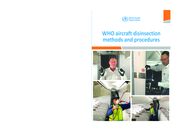
2nd edition. This document describes the latest methods and procedures for disinsection of internal areas of passenger, military and cargo aircraft to prevent international transport of mosquito vectors of human diseases and protect aircraft passeng
...
Reports of antimicrobial-resistant (AMR) microorganisms are increasing globally, threatening to render existing treatments ineffective against many infectious diseases. In Africa, AMR has already been documented to be a problem for human immunodefic
...
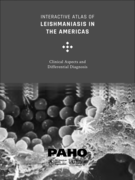
In the Region of the Americas, the leishmaniases are a group of diseases caused by various species of Leishmania, which cause a set of clinical syndromes in infected humans that can involve the skin, mucosa, and visceral organs. The spectrum of clin
...
Schistosomiasis is a public health problem in tropical and subtropical regions of Africa, Asia, the Caribbean and South America. It is one of the neglected tropical diseases (NTDs) - a group of diseases
...

These guidelines present evidence-based recommendations and best practice statements on use of medically important antimicrobials in food-producing animals, based on the WHO list of critically important antimicrobials for human medicine (WHO CIA List). These guidelines aim primarily to help preserve
...

This document provides additional guidance for the responsible and prudent use of antimicrobials in food-producing animals, and should be read in conjunction with the Recommended International Code of Practice for Control of the Use of V
...

The strategic plan reflects shared commitments to enhance collaboration between environmental, animal (wildlife and domestic) and human health, and building new One Health workforce capacity through higher institutions of learning. The strategy also outlines interventions to be undertaken by governm
...
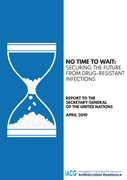
UN, international agencies and experts released a groundbreaking report demanding immediate, coordinated and ambitious action to avert a potentially disastrous drug-resistance crisis.
If no action is taken - warns the UN Ad hoc Interagency Coordinating Group on Antimicrobial Resistance who release
...
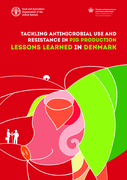
This publication describes an arduous campaign to tackle the use of antimicrobials - specifically antibiotics - in the Danish swine-producing sector thanks to the collaboration between the regulatory sector within the Ministry of Environment and Food, private
...

Public Health is the science field dedicated to promoting health and well-being, and preventing disease within the human population to ultimately increase the quality of our livelihood and life span. Public Health does not focus on individual patients or
...
Antimicrobial resistance has become one of the most eminent threats to global health and a rising concern for healthcare specialists. All around the world, many common infections are becoming resistant to the antimicrobial medicines used to treat them, resulting in high morbidity and mortality with
...
The WHO CIA List should be used as a reference to help formulate and prioritize risk assessment and risk management strategies for containing antimicrobial resistance. The WHO CIA List supports strategies to mitigate the human health risks associated with antimicrobial use in
...
The Lancet. 13 March 2022. doi: 10.1016/S0140-6736(21)02868-3. Previous Global Burden of Diseases, Injuries, and Risk Factors Study (GBD) studies have reported
national health estimates for Ethiopia. Substantial regional variations in socioeconomi
...
Hendra virus (HeV) continues to pose a serious public health concern as spillover events occur sporadically. Terminally ill horses can exhibit a range of clinical signs including frothy nasal discharge, ataxia or forebrain signs. Early signs, if detected, can include depression, inappetence, colic o
...
Biodiversity and Health in the Face of Climate Change pp 47–66
This chapter reviews the emerging importance of pollen allergies in relation to ongoing climate change. Allergic diseases have been increasing in prevalence over the last decades, par
...

There is growing international consensus that food systems transformation is important to address the challenges of malnutrition in all its forms, the burden of noncommunicable diseases (NCDs), environmental sustainability, increasing inequality and
...

Benchmarking is a strategic process often used by businesses and institutes to standardize performance in relation to the best practices of their sector. The World Health Organization (WHO) and partners have developed a tool with a list of benchmarks and corresponding suggested actions that can be a
...

For thousands of years, humans have been using wildlife for commercial and subsistence purposes. Wildlife trade takes place at local, national and international levels, with different forms of wildlife, such as live animals, partly processed products and finished products. Wildlife is a vital source
...
