
Filter
584
Text search:
UNICEF
Indonesia
Featured
Recommendations
53
New Publications
153
Language
Document type
No document type
352
Studies & Reports
98
Guidelines
58
Manuals
33
Strategic & Response Plan
17
Fact sheets
9
Training Material
7
Situation Updates
5
Resource Platforms
3
Online Courses
1
Countries / Regions
Indonesia
59
Global
45
Asia
18
Ethiopia
17
Myanmar / Burma
16
India
14
Nepal
14
Kenya
13
Bangladesh
13
South–East Asia Region
13
Cambodia
10
Syria
8
Philippines
7
Nigeria
6
Senegal
6
Somalia
6
Pakistan
6
Thailand
6
Latin America and the Carribbean
6
Vietnam
6
Guinea
5
Liberia
5
Haiti
5
Malaysia
5
Mozambique
5
Papua New Guinea
5
Congo, Democratic Republic of
4
Uganda
4
South Sudan
4
Zambia
4
Tanzania
4
Yemen
4
Africa
4
Laos
4
Sierra Leone
3
Mali
3
Ghana
3
Zimbabwe
3
Afghanistan
3
China
3
Sri Lanka
3
East and Southern Africa
3
West and Central Africa
3
Middle East and North Africa
3
Timor Leste/ East Timor
3
Japan
3
Togo
2
Iraq
2
Sudan
2
Central African Republic
2
Western Pacific Region
2
Western and Central Europe
2
Iran
2
Burkina Faso
1
Guinea-Bissau
1
Côte d’Ivoire / Ivory Coast
1
Cameroon
1
Niger
1
Jordan
1
Germany
1
Lebanon
1
Egypt
1
Chad
1
Gambia
1
Rwanda
1
Singapore
1
Malawi
1
Benin
1
Vanuatu
1
Namibia
1
Eswatini/ Swaziland
1
Brazil
1
Serbia
1
Croatia
1
Colombia
1
Greece
1
Angola
1
Madagascar
1
Lesotho
1
Eastern Europe and Central Asia
1
Other region
1
Solomon Islands
1
Bhutan
1
Eastern Europe
1
North Korea
1
Djibouti
1
Russia
1
Kyrgyzstan
1
Turkmenistan
1
Maldives
1
Portugal
1
Spain
1
Azerbaijan
1
Bosnia and Herzegovina
1
Authors & Publishers
Publication Years
Category
Countries
151
Women & Child Health
99
Key Resources
67
Clinical Guidelines
37
Public Health
29
Capacity Building
8
Pharmacy & Technologies
3
Toolboxes
HIV
61
COVID-19
50
Mental Health
39
Disability
36
Planetary Health
25
Global Health Education
19
Natural Hazards
16
TB
16
Conflict
15
Caregiver
12
Health Financing Toolbox
12
Refugee
11
Rapid Response
7
Pharmacy
5
Cholera
4
Polio
4
AMR
4
NTDs
4
Malaria
4
2.0 Rapid Response
4
Ebola & Marburg
3
NCDs
3
Specific Hazards
1
Social Ethics
1

The UNICEF-GAIN Partnership Project
The report notes that iodine deficiency is a leading cause of preventable brain damage worldwide. Insufficient iodine during pregnancy and infancy results in neurological and psychological deficits, reducing ...
The report notes that iodine deficiency is a leading cause of preventable brain damage worldwide. Insufficient iodine during pregnancy and infancy results in neurological and psychological deficits, reducing ...
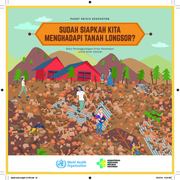
Are we ready to face landslide? A manual book of health crisis response for school children in facing landslide as a potential natural disaster in Indonesia
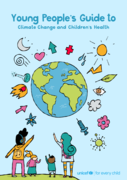
“We must not forget that no matter where we are or how old we are, we can all work for life and take action.” Francisco Vera, 15, UNICEF Child Advocate
The Young Climate Activists toolkit was created by advocates of all ages who, like you, ar
...
Beyond borders. How to make the global compacts on migration and refugees work for uprooted children
The report presents successful case studies from around the world, including the implementation of minimum protection standards for refugee children in Germany, cross border child protection systems in West Africa, and finding alternatives to the detention of migrant children in Zambia. Other countr
...

The coronavirus disease 2019 (COVID-19) pandemic has created a global and gendered crisis that is compounding existing inequalities and disproportionately affecting girls and women. Emerging evidence from the COVID-19 crisis in 2020 shows school closures, disruptions in essential services and rising
...
This 2019 edition of The State of the World’s Children (SOWC) examines the issue of children, food and nutrition, providing a fresh perspective on a rapidly evolving challenge. Despite progress in the past two decades, one third of children under age 5 are malnourished – stunted, wasted or overw
...

The Water and Sanitation for Health Facility Improvement Tool (WASH FIT) presents a framework and acts as a guide to support multisectoral action to improve water, sanitation and hygiene (WASH) in health care. Central to the WASH FIT methodology is training and incremental improvements.
Implementat
...
Thirty years ago, the United Nations General Assembly adopted the Convention on the Rights of the Child at a moment of rapid global change marked by the end of apartheid, the fall of the Berlin Wall and the birth of the World Wide Web. These developments and more brought momentous and lasting evolut
...
The article focuses on "The State of the World’s Children 2023" report published by UNICEF. It highlights the critical role of vaccines in saving lives and the challenges in global immunization efforts, especially for marginalized and underserved
...
Crecer bien en un mundo en transformación

Fully functioning water, sanitation, hygiene (WASH) and health care waste management services are a critical aspect of infection prevention and control (IPC) practices, and ensuring patient safety and quality of care. Such services are also essential for creating an environment that supports the dig
...

Produced by UNICEF and IRC, with the support of the German Corporation for International Cooperation GmbH (GIZ) and the generous funding from the German Federal Ministry of Economic Cooperation and Development (BMZ), the Caring for Child Survivors o
...
The pandemic presents tough choices for governments, local communities, health and school systems, as well as families and businesses: How to re-open safely? How to safeguard people’s lives and protect their livelihoods? Where to allocate scarce resources? How to protect those unable to protect th
...
Pregnancy and childbirth during adolescence profoundly affects the lives of millions of girls worldwide, and is a leading cause of maternal mortality and morbidity, and infant and child mortality. Every year, an estimated 21 million girls aged 15–19 years old in low- and middle-income countries be
...
This guide focuses on the evaluation of psychosocial programs that are aligned with two main goals: - To promote psychosocial wellbeing by promoting an environment that provides appropriate care, opportunities for development and protects children from exposure to situations that are harmful to thei
...
